
Secrets to growing tomatoes in a polycarbonate greenhouse
Content
Benefits of growing tomatoes in a greenhouse
Growing tomatoes in a specialized polycarbonate greenhouse makes it much easier to maintain optimal conditions for this vegetable crop. First of all, even the simplest film construction can significantly increase the yield at the end of the season. If provided with favorable conditions, tomatoes can ripen 2-3 weeks earlier than those grown outdoors.
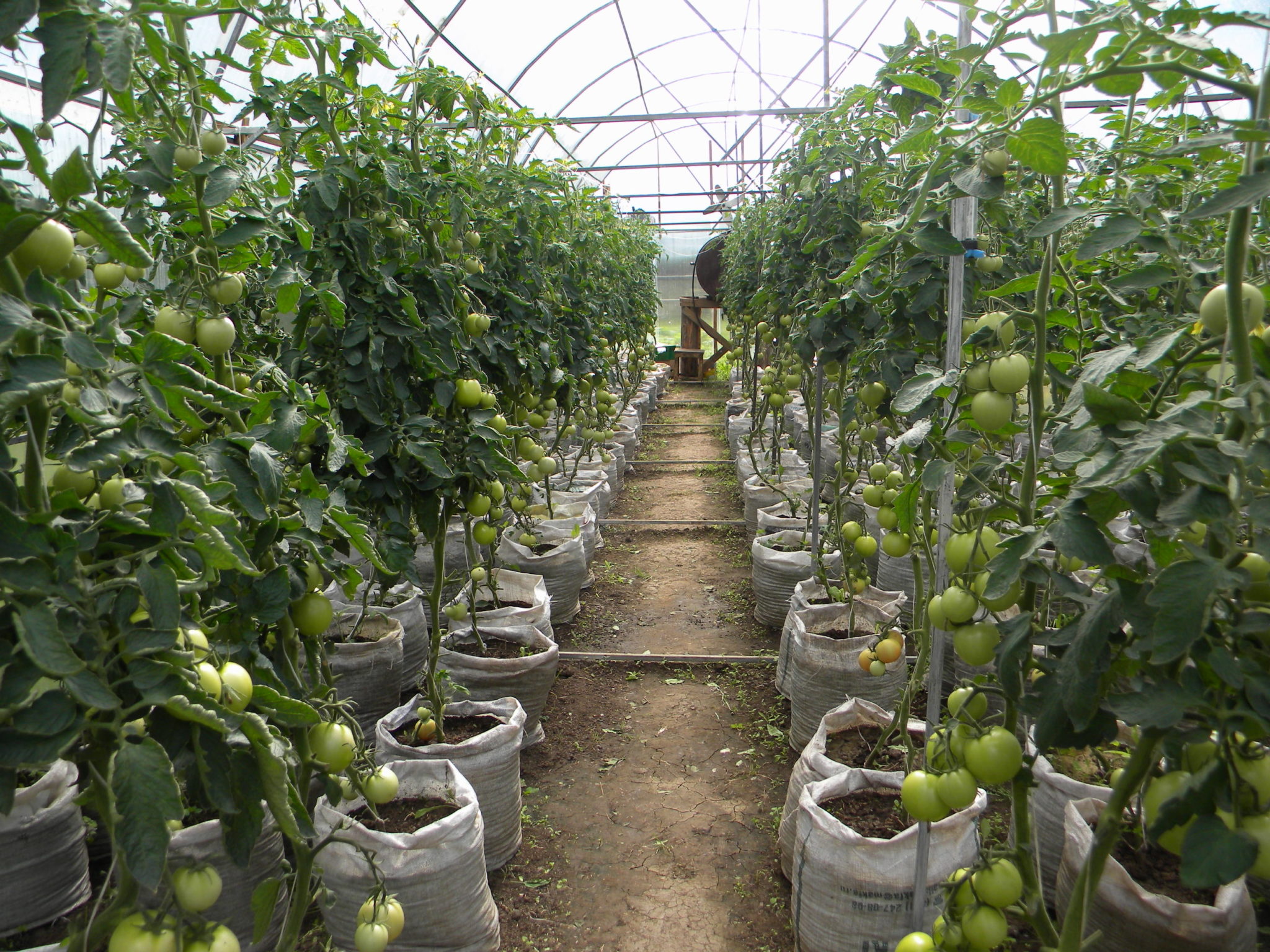
Such conditions also provide better protection for crops from pests and diseases. For this reason, experienced gardeners prefer to invest some time in installing a polycarbonate greenhouse rather than wasting time each year dealing with the associated problems associated with tomato cultivation.
However, it's important to remember that greenhouse tomato cultivation requires certain nuances compared to open-field planting. To achieve this, you need to know how to properly prepare the soil for seedlings, how to best care for the plants in these conditions, and other important considerations to maximize yield.
Proper preparation of the polycarbonate greenhouse itself is crucial. This requires ensuring the proper functioning of the ventilation duct and thoroughly cleaning the structure's walls. Film greenhouses require significantly more time, and preparation will require more thorough preparation due to the specific nature of the structure itself.
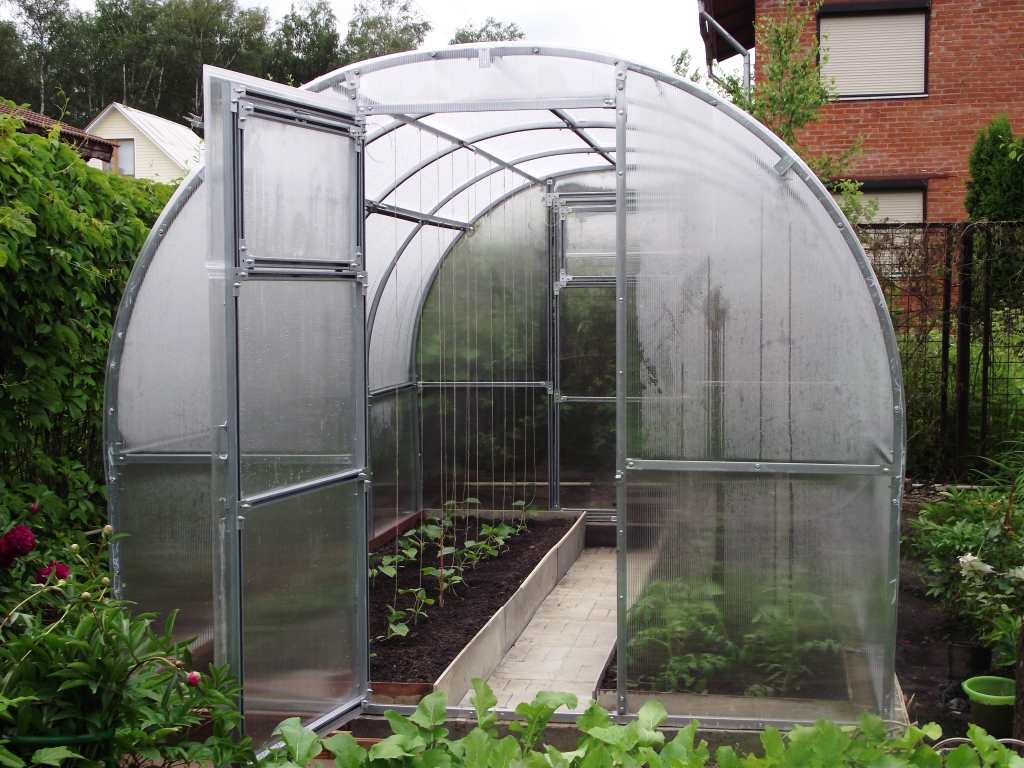
Providing good sunlight for tomatoes is essential. It's best to avoid overshadowing this area so that light can freely enter the greenhouse.
After completing the construction and preparation of the polycarbonate greenhouse, it is necessary to select the right tomato seeds, prepare the soil, plant the seedlings, and create comfortable conditions for their growth.
Selecting seeds
First and foremost, a gardener should ensure that the variety they're used to growing in their garden is suitable for greenhouse planting. This is because greenhouse conditions are significantly different from those found outdoors. Humidity levels often rise here, which periodically leads to a number of diseases.
When selecting seeds, the most important factor to consider is their resistance to diseases that may be present in the soil. They should also have good pest resistance.
The best choice for growing tomatoes in a polycarbonate greenhouse is hybrid varieties. Their seeds are available in specialty stores and are more suited to your climate zone. If you don't want to prepare seedlings from these seeds yourself, you can also buy them at the market before planting. They will be slightly more expensive, but this will save you time.
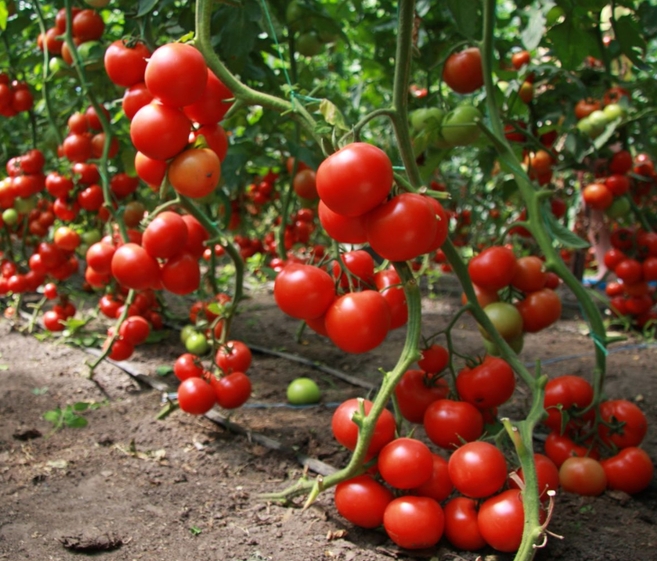
When choosing seeds, pay attention to varieties that have a good yield, conditions for their active growth, and the need to form bushes.
How to Grow Healthy Tomatoes
The key to growing tomatoes in a greenhouse is providing the most comfortable growing conditions. It's quite difficult to influence weather conditions, and creating suitable conditions in a greenhouse requires more effort than growing vegetables outdoors, but this guarantees a good harvest at the end of the season.
It is advisable to place the greenhouse structure in a sunny place so that nothing obstructs the light reaching the seedlings, as tomatoes love it very much, and the juiciness and taste of the fruit depend on it.
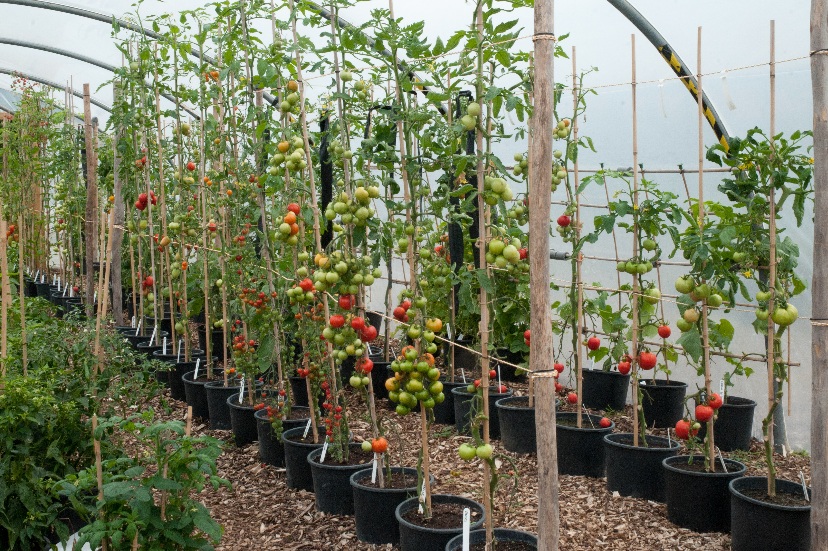
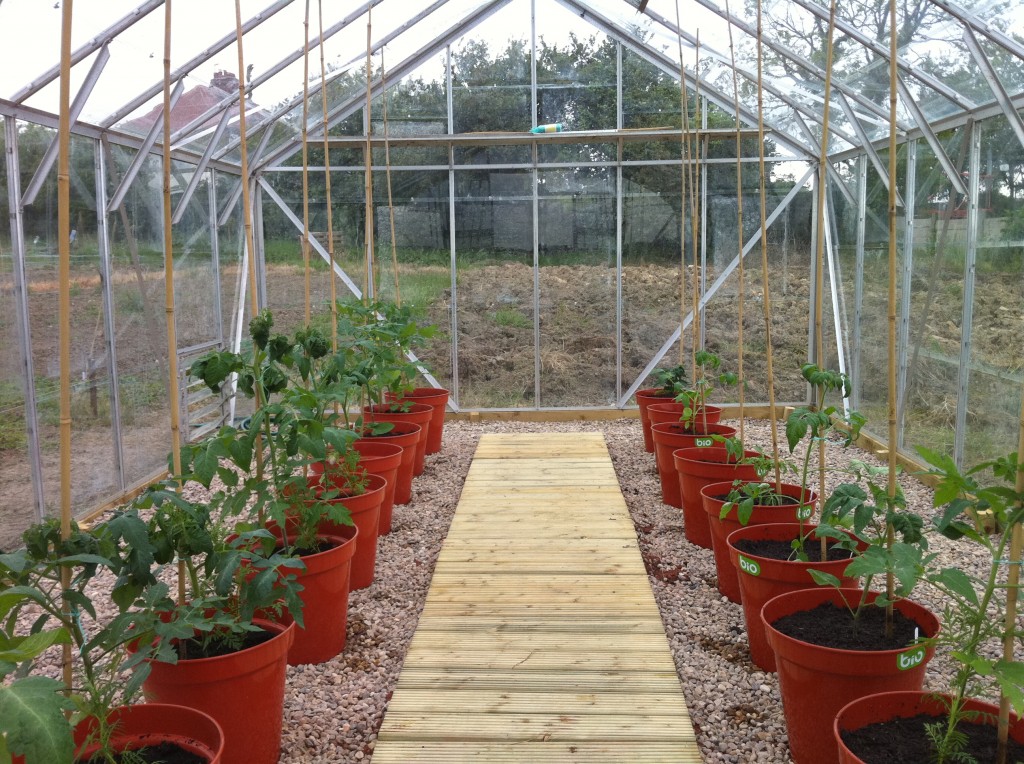
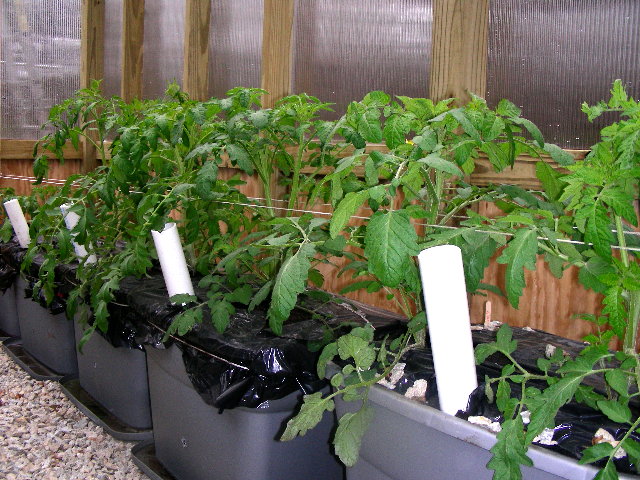
After selecting a resilient tomato variety, you should prepare the soil for planting. You can use store-bought soil or prepare your own. Proper soil preparation significantly increases the chances of growing healthy tomatoes.
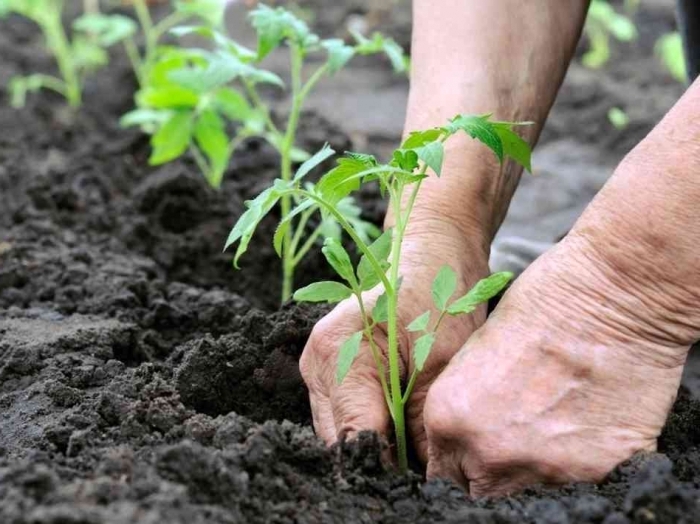
In the future, you will need to add fertilizer to the soil in a timely manner, water it as the soil dries out, and tie it up to better shape the bush.
To pre-treat your plants against pests and diseases, you can use folk remedies. They are safe for human health and won't coat your tomatoes with potent active ingredients.
Providing the right "microclimate"
A polycarbonate greenhouse allows for growing crops while providing protection from rain, hail, strong winds, and low temperatures, and also prolongs the fruiting process.
To create the correct microclimate, it will be necessary to periodically:
- Ventilation. Since temperatures in greenhouses rise significantly during the hot season, this can lead to soil drying out, seedlings becoming stuck, and inflorescences and ovaries falling off. Temperatures should be prevented from reaching critical levels. Regular ventilation is sufficient to achieve this. Ideally, the structure should include a sufficient number of vents, placed on the roof and ends of the greenhouse.
High humidity, which occurs after watering seedlings, is also dangerous. Prolonged exposure to such conditions significantly increases the risk of developing late blight and a number of other dangerous diseases. - Artificial pollination of tomatoes. In a closed space without air circulation and insect access, the percentage of pollinated plants drops sharply. Regular ventilation won't be enough. Therefore, it's necessary to encourage pollination. This can be done by periodically shaking each plant or manually transferring pollen to others using a soft brush.
- Disease control. In addition to chemicals and folk remedies, you can grow tomatoes in a new location next season. Lime, copper sulfate, and boiling water can be used to increase the plant's resistance.
- Fertilizer. Adding fertilizer to the soil significantly increases yields at the end of the season. This technique increases the soil's content of essential components for tomato growth. Tomatoes only absorb certain micronutrients from the soil. Since the soil remains unchanged in greenhouse conditions, it must be periodically fertilized with specialized fertilizers or organic components. The first fertilizer application should be done before planting, the next during flowering, and then repeated 10-14 days later. Urea, monopotassium phosphate, potassium nitrate, and calcium nitrate are best.
- Cultivation. This is a common method for caring for tomato seedlings. It requires prompt weeding and soil loosening to improve water flow to the root system.
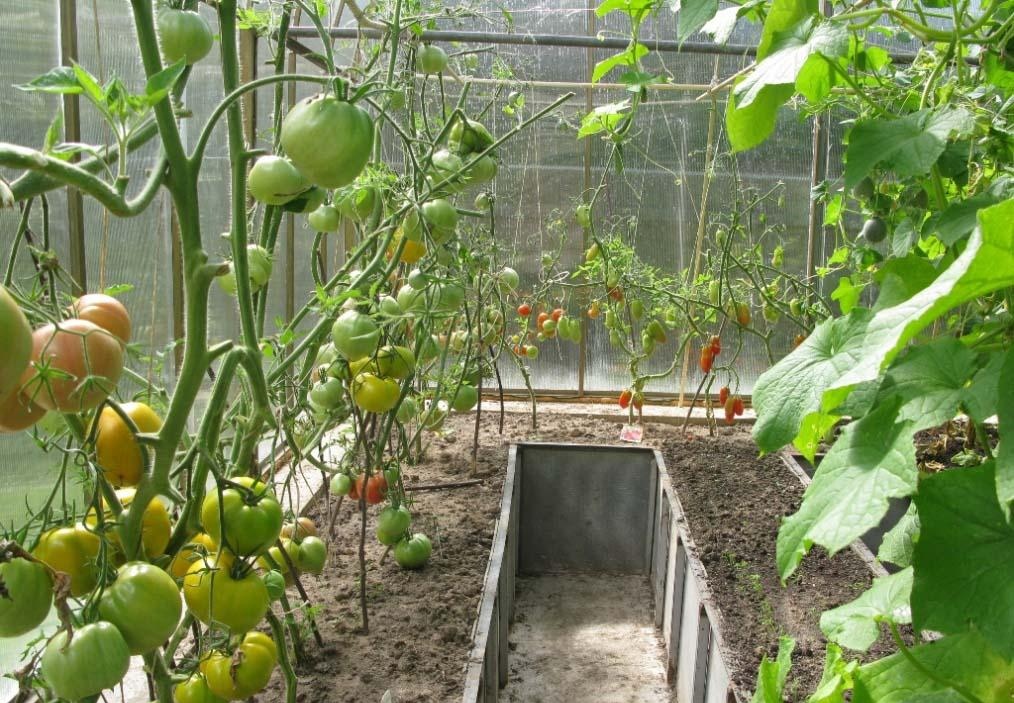
Watering
To grow healthy and juicy tomatoes, you'll need to water the seedlings regularly. It's best to do this first when preparing the soil for planting.
It's important to remember not to overwater tomatoes, as this will make them taste watery and reduce the quality of the fruit. Experienced gardeners try to water every 4-5 days, depending on the soil conditions. It's not recommended to water tomato plants for at least 10 days after planting. This allows the seedlings time to establish themselves and adapt to the new conditions. Ideally, the water used for irrigation should be at least 17 degrees Celsius.
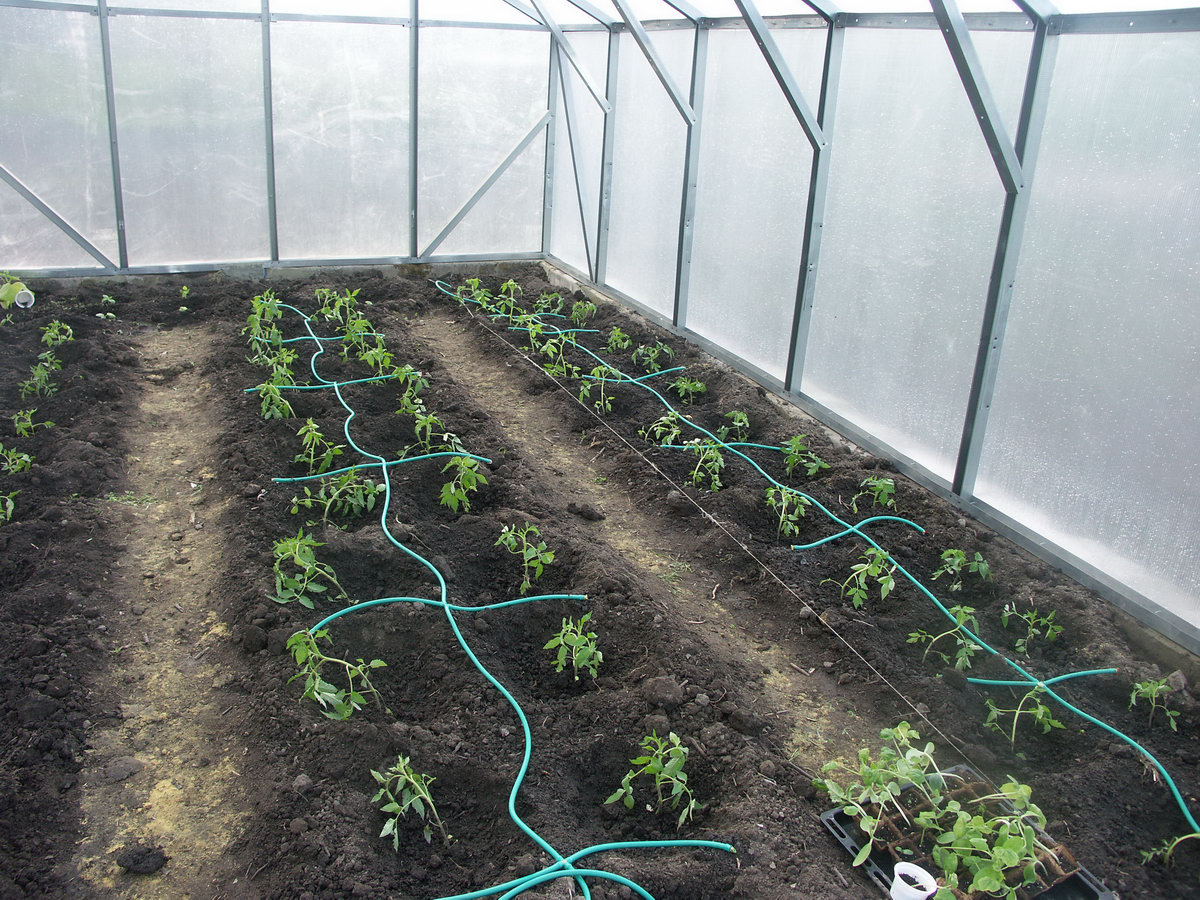
Before flowering, apply approximately 5 liters of water per square meter of soil, and this is best done in the morning. During flowering, the watering volume increases to 12-13 liters.
A few tricks
In addition to the basic stages that affect the quality and quantity of the harvest, there are some special subtleties. Not everyone knows about them, as they are not often used for tomatoes.
If you're growing tomatoes in a polycarbonate greenhouse, you can begin pinching them a month before the end of the growing season. Only the tops should be pinched. Once the fruits begin to redden and ripen, remove the lower leaves.
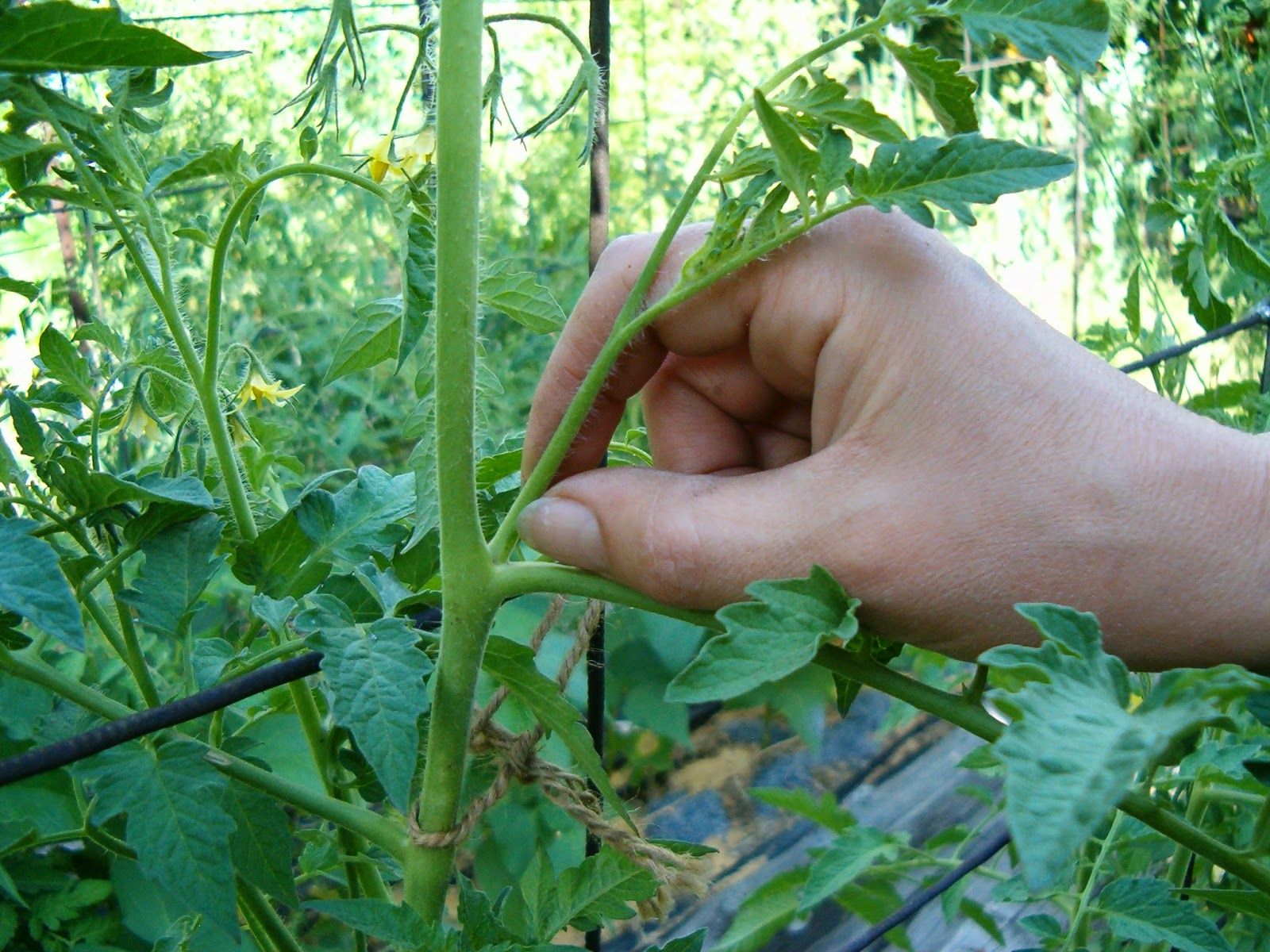
It is advisable to carry out pruning in the morning.
You should also follow some preventative measures that can prevent various tomato diseases (for example, black skin, late blight).
If you grow tomatoes in a greenhouse, some deviations from the norm may appear during the growing season. If you identify the problem early, you can correct their growth; otherwise, all your efforts will be wasted.
Sometimes gardeners observe that the plant grows very quickly, its leaves become a rich, dark green, and the stems become quite strong and thick. This is commonly referred to as the plant "getting fat." In this case, more nutrients and microelements are absorbed by the foliage than by the fruit. Consequently, the yield will be significantly reduced.
To remedy this situation, increase the greenhouse temperature by 3-4 degrees, temporarily stop watering (for 10-12 days), and supplement the tomato's root system with a superphosphate solution. This will temporarily delay leaf and stem growth.
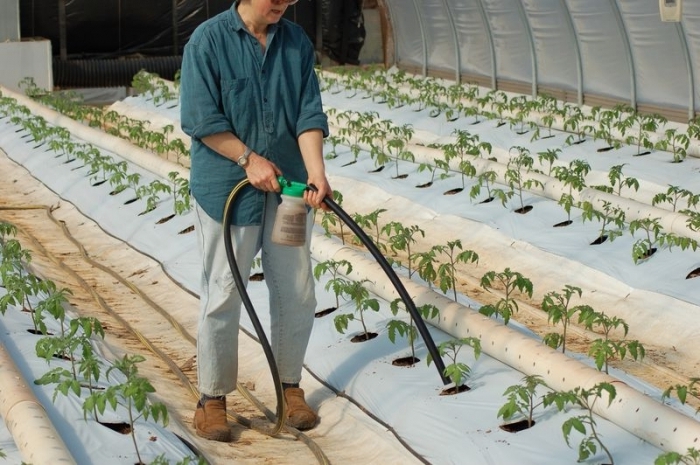
If flowers and fruit drop, increase air and soil humidity. Insufficient sunlight can also be a factor. Once these factors are addressed, the plant should return to normal within a few days.
Video: "Greenhouse Tomato Growing Technology"
This video is part of a series of video tutorials that recommend how to grow tomatoes in greenhouses.