
Secrets of caring for tomatoes after planting in a greenhouse
Content
Transplanting
We won't dwell on the intricacies of growing seedlings; instead, let's start with planting them in the greenhouse. As is well known, greenhouse tomatoes are best grown from seedlings, so the process of transplanting plants from pots to the greenhouse requires special attention. First and foremost, it's essential to grow or purchase high-quality seedlings. Seedling quality is determined by the following criteria:
- the height of plants should be at least 20 cm (ideally 25-35 cm);
- the seedling should have at least 8-9 fully developed leaves;
- it is desirable that one fruit cluster has already been formed, but the buds have not yet blossomed;
- the leaf blades had a rich dark green color;
- the root system is alive and well developed (ideally, it should cover the entire substrate).
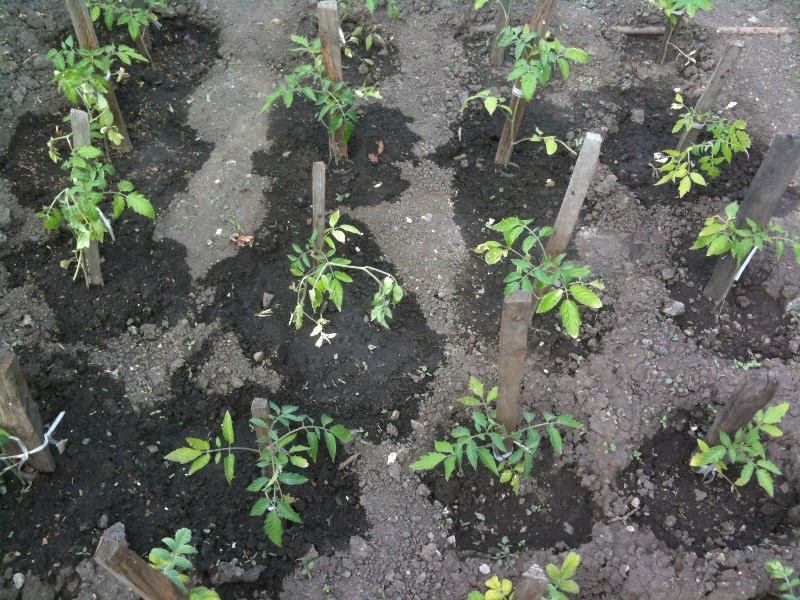
If planted correctly and given proper care, such a seedling will quickly take root in the greenhouse and begin to bear fruit in no time.
Now about the planting itself. The time for planting seedlings depends on the regional climate and the greenhouse's equipment. In permanent heated polycarbonate structures, tomatoes can be grown year-round, but in an unheated greenhouse, and especially a plastic greenhouse, you need to wait until the soil warms up to 15-16°C.
The composition of the soil into which seedlings will be transplanted from pots should also be considered in advance. For growing early vegetables in the spring, it's best to begin preparing the soil in the fall, after the last harvest. If growing vegetables year-round, ensure the soil rests for at least a month after the harvest.
Before each new planting, the soil in the greenhouse should be refreshed, and if it's completely depleted, replaced. Immediately after fruiting has finished, the bed should be dug over, cleared of all plant debris and clumps, and then disinfected. If the previous plants were diseased, it's best to replace the top layer of soil. It's recommended to add organic fertilizer during digging, and a mineral fertilizer shortly before planting.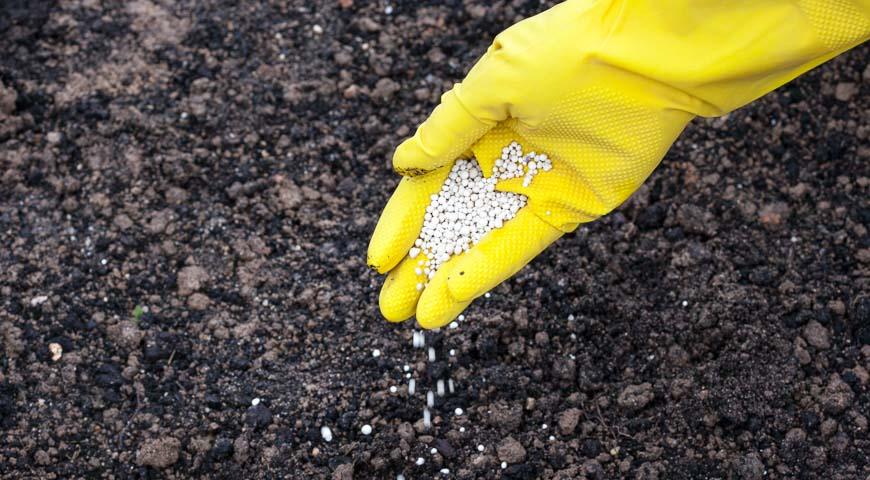
Many vegetable growers prefer to use planting patterns for tomatoes, but when growing tomatoes in a greenhouse, it's important to consider not only the variety's characteristics but also the available space. In a greenhouse, slightly denser planting is acceptable, but planting should be done so that mature plants aren't overcrowded:
- tall (indeterminate, forming into one stem) varieties should be planted in rows at a distance of 60-70 cm between rows and 70-80 cm between bushes;
- Low-growing bushes can be planted at a distance of 30-40 cm from each other and 40-50 cm between rows.
To save space in the greenhouse, it is recommended to use a staggered planting pattern, where the distance between two rows can be reduced to 40 cm, and the path between the rows can be left 0.8 m wide. Plants should be planted no more than 4 cm deep. If the seedlings are too tall, plant them deeper and at a 45° angle. Before planting, thoroughly water the holes with warm (18-20°C) water, and plant the seedlings while the water is still wet. This technique allows the roots to straighten out more quickly.
Video "Planting Seedlings"
This video will show you how to plant tomato seedlings correctly.
Care
After planting the seedlings in the greenhouse, a new and even more important stage begins: plant care, which has its own unique challenges. The seedlings will spend the first 10-15 days establishing themselves. To ensure this process is successful, it's essential to maintain a specific microclimate in the greenhouse. The temperature should be set at 20-22°C. If the weather is sunny, the young plants should be slightly shaded from direct sunlight.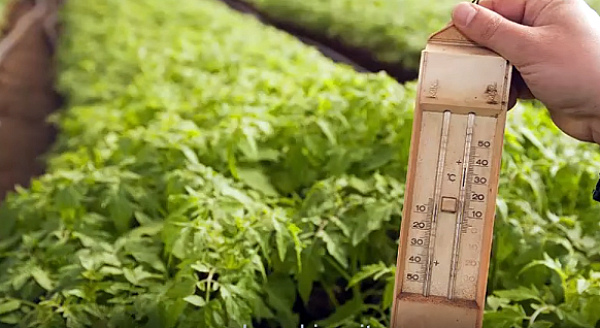
Since the soil is well moistened during planting, there is no need to water the seedlings for the next 10 days; you can simply cover the soil between the rows with a thin layer of mulch. All care activities begin 10 days after planting, or after the plants begin to grow in the new location.
Watering
You shouldn't begin watering until the tomatoes begin to grow. The elongation of the stems and branches is a sign that the plant has established itself and requires nutrition, including water. Watering earlier is not recommended, as excess moisture can lead to root rot and the death of the seedling.
During winter and spring, water once every 5-7 days. If the soil dries out sooner, reduce the temperature. For young plants, water 5-7 liters per 1 m² of bed. As the plants develop, the rate increases: up to 12 liters at the beginning of flowering, and up to 15 liters with the onset of hot weather and the beginning of fruiting.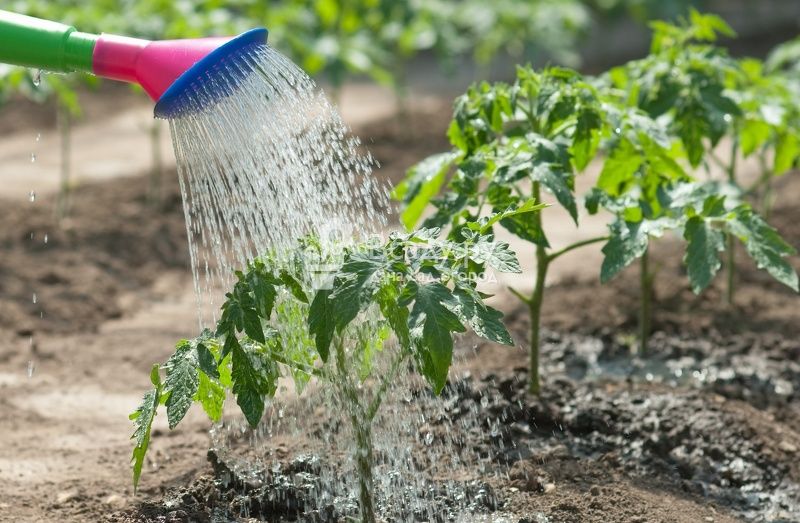
Watering is recommended out of direct sunlight—in the evening or early morning. The water should be approximately the same temperature as the soil to avoid stressing the plants. Water at the roots, avoiding contact with the foliage. It's best if the greenhouse is equipped with a drip irrigation system, but if not, you can use a watering can with a long spout or a bottle.
Ventilation
Tomatoes cannot tolerate excessive humidity, and since moisture accumulation in a greenhouse is inevitable, ventilation is a crucial part of plant care. Condensation in greenhouses occurs due to high temperatures. This typically occurs when the sun shines for most of the day and the temperature in the greenhouse rises to 30°C or more. Under such conditions, tomatoes begin to drop flowers and ovaries, and fungal diseases develop on the leaves.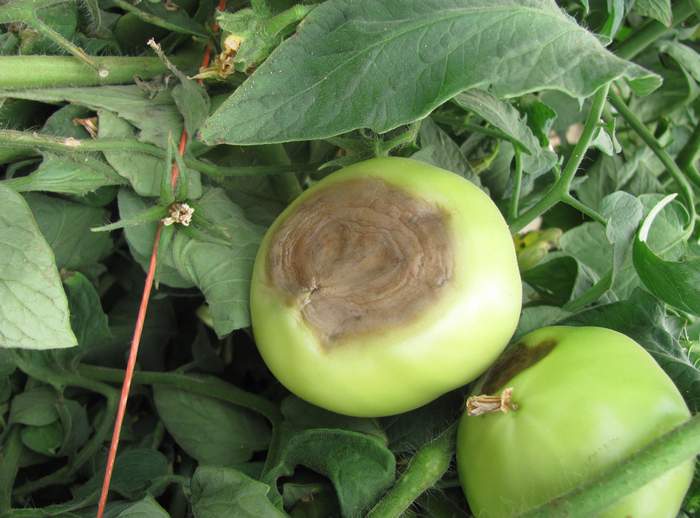
In spring, the greenhouse should be ventilated daily by simply opening the vents. Strong drafts are harmful to tomatoes, but a light breeze will benefit them, so in calm weather, the vents can be opened. As the weather warms steadily, the windows can be opened a quarter of the way, attracting pollinating insects. Ventilation should be continued until all moisture in the greenhouse has dried out, but in warmer weather, it can be extended.
Temperature
Maintaining a temperature regime in a greenhouse involves equalizing daytime and nighttime temperatures. Typically, regions where greenhouse tomato cultivation is practiced have unstable climates, with significant differences between daytime and nighttime temperatures. If daytime temperatures rise above 30°C and nighttime temperatures drop to 10°C, a heat-loving crop like a tomato can simply die.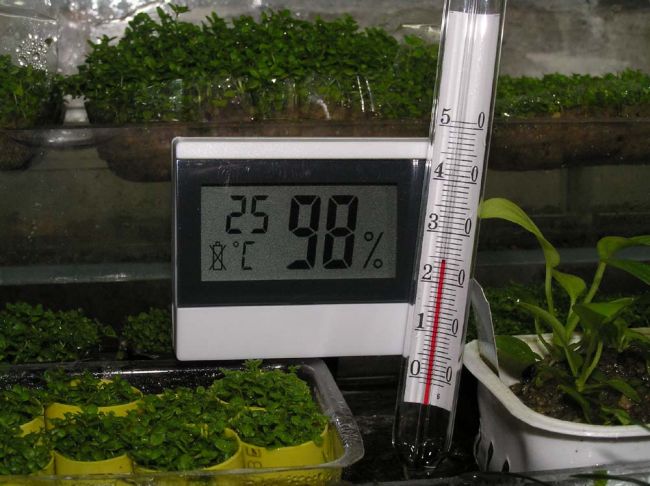
The optimal temperature for healthy tomato development is considered to be 20-22°C, with daytime temperatures reaching 25°C acceptable. However, 28°C is too low, as exceeding this temperature can cause leaf, flower, or fruit drop. Nighttime temperatures should be maintained at 16-18°C, but not below 15°C. Humidity levels in the room should also be monitored. A humidity level of 65-70% is considered normal—this level also indicates that soil moisture is within the normal range.
Pollination
Most tomato varieties are capable of self-pollination, but in greenhouse conditions this process is difficult for various reasons: a lack of insects and wind, and high humidity, which prevents pollen from becoming crumbly. Therefore, when flowering begins, the plants need to be assisted with artificial pollination, using a brush, cotton wool, or other available means.
Some greenhouse owners bring in a beehive during flowering. This approach is certainly beneficial, but not everyone can afford it, and is only practical for large permanent greenhouses. For smaller greenhouses, simply opening the windows to allow bees access to the plants or pollinating the flowers manually is sufficient.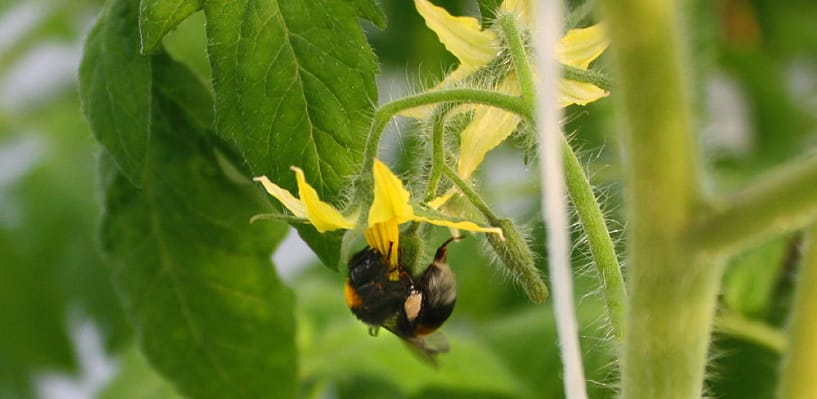
Hand pollination is carried out using a brush with natural bristles. It's best to do this in the morning at a temperature of 24-25°C and 70% humidity—under these conditions, the pollen becomes crumbly and easily transported. The best time for pollination is the day after the flower has fully opened.
Bush formation
Indeterminate (tall) tomato varieties are most often grown in greenhouses. These need to be trained into a single stem, then pinched and tied to a support. The plants should be trained within a week of establishing themselves in their new location, with the support (trellis or stakes) installed during planting.
Young plants should be tied to supports 7-10 days after planting in the greenhouse; this will make it easier to monitor further stem growth. Regarding side shoot removal, when training into a single stem, it's acceptable to leave the bottom one and remove the others as they appear. It's best to remove side shoots in the morning so the broken area has time to heal by evening. Also, the shoots are more fragile in the morning and break off more easily.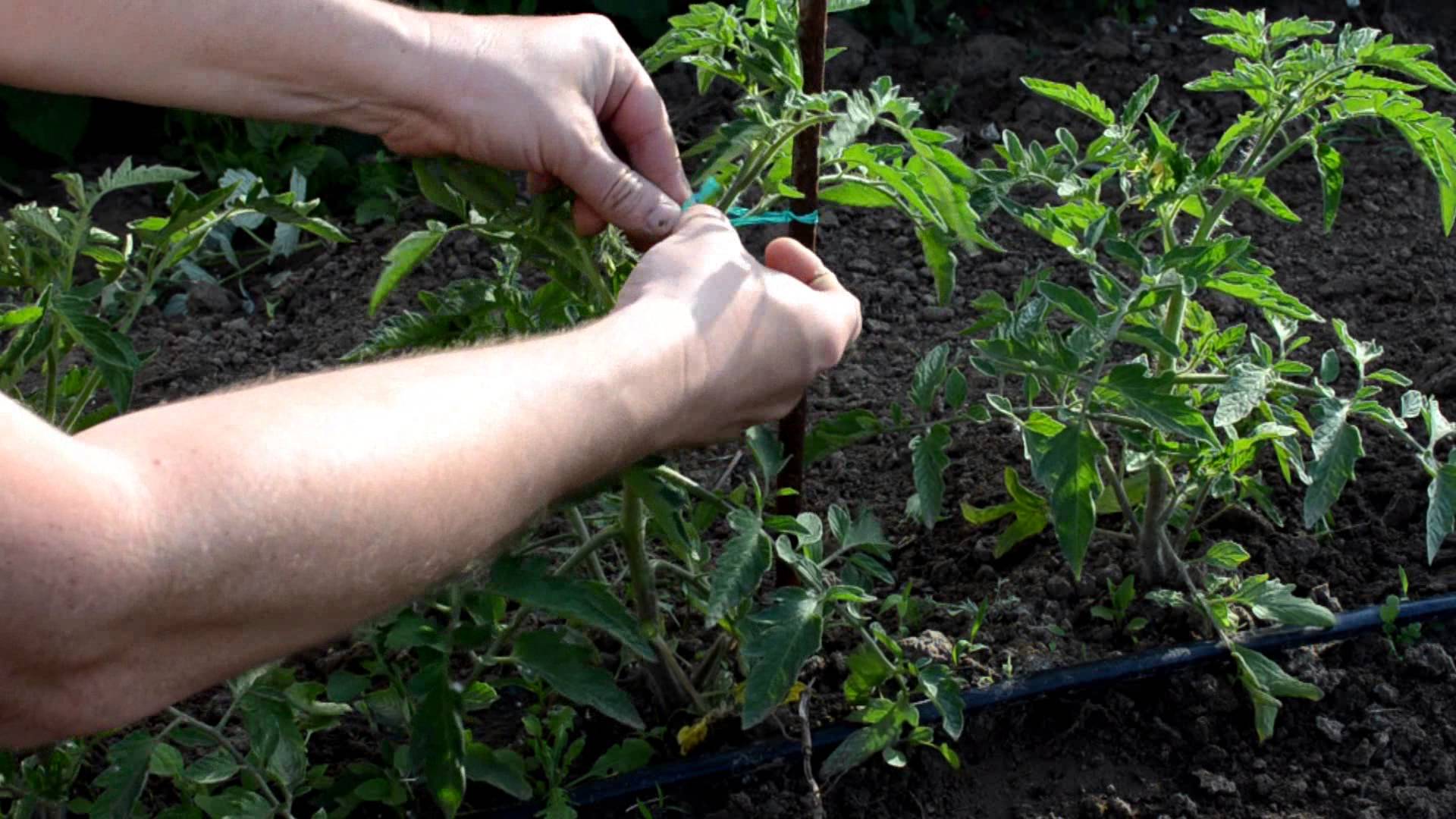
Tall bushes are side-sonned before 7-8 fruit clusters appear, after which the top of the stem should be pinched off and the lower leaves removed. This will help curb the plant's growth and direct its energy toward fruit ripening. Low-growing tomatoes are trained into 2-3 stems, leaving the strongest lower side-sons. Otherwise, the procedure is no different from training tall bushes.
Top dressing
Tomatoes use up a lot of nutrients during growth, so despite fertilizing the soil at planting, they need to be fed 3-4 more times during the season. Plants require both organic and mineral fertilizers equally, but since mineral fertilizers promote nitrate accumulation in the fruit, they are recommended only in early spring or during the first feeding, but no later than 1.5-2 months before harvest. During the rest of the season, root feedings are performed with organic solutions:
- the first (2-3 weeks after planting) - with a solution of mullein with nitrophoska: 0.5 l of manure, 1 tbsp. spoon of nitrophoska/10 l of water;
- the second (after 10 days) – liquid manure in a concentration of 1:15;
- third feeding – mullein in a ratio of 1:10 during watering.
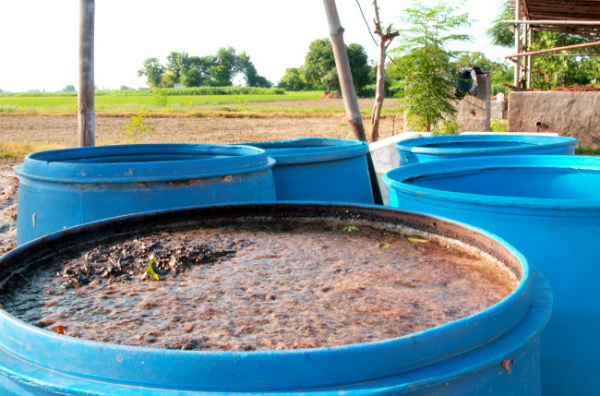
The average consumption of liquid fertilizer is 1 liter per bush, but the size of the plant must be taken into account.
Diseases and problems
When growing greenhouse tomatoes, vegetable growers face numerous problems related to both diseases and poor agricultural practices. The most common of these include:
- falling of leaves and flowers;
- curling and then dying off of leaf blades;
- stopping the growth and development of bushes;
- incomplete ripening of fruits, as well as the absence of ovaries on the upper brushes;
- weakening of the plant.
If the bushes appear healthy and vigorous, but no ovaries are forming, this means all the nutrients are being used to grow vegetative mass. This could be due to excess mineral fertilizers, excessive watering, or insufficient lighting. What should you do in this situation? First, suspend watering for a week and increase the greenhouse temperature to 24-25°C.
Flower and ovary drop, on the other hand, occurs due to excessively dry soil and air. In this case, the greenhouse needs to be ventilated more frequently, the temperature lowered, and watering increased.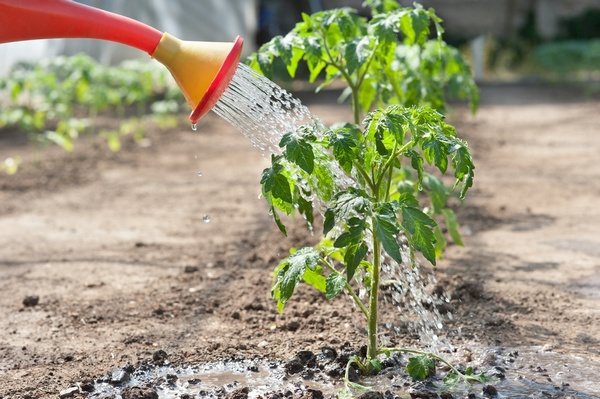
If the plant does not have enough strength to ripen all the fruits, simply pick the bunches ahead of time; they will ripen perfectly in a few days in the sun.
A weak plant is caused by a lack of light or nutrients. If the greenhouse is well-lit, try reviving the tomatoes with additional organic fertilizer or by spraying the tops with a boric acid solution.
The most common disease in greenhouses is late blight. Spores of this fungus are activated by high humidity and overly dense plantings. Controlling the fungus is very difficult, but late blight can be slowed by treating the plants with Fitosporin once every 10 days. To prevent various rotting processes, avoid contact of leaves with the ground. To achieve this, it is recommended to break off the lower tier of leaves and cover the soil around the bushes with mulch.
Video "Leaving"
This video will show you how to care for tomatoes in a greenhouse.