
Why do tomato leaves curl in a greenhouse?
Content
Unfavorable conditions
These include excessively high air temperatures. The critical temperature for tomatoes is 35 degrees Celsius. This is one of the primary causes of curling. To accurately determine the cause, observe the condition of the leaves at different times of the day. If they straighten out in the evening, the cause is definitely temperature. To remedy this, ensure frequent ventilation. To prevent recurrence, protect the leaves from the sun using lutrasil or other non-woven materials.
To quickly remedy the situation and relieve stress on plants, spray a urea solution on the tops of the plants. To do this, dissolve one to one and a half tablespoons of the solution in 10 liters of water. However, the plants should only be treated in the evening or on cloudy days. The results can be consolidated after a few days with a solution of potassium permanganate diluted to a light pink color.
Diseases
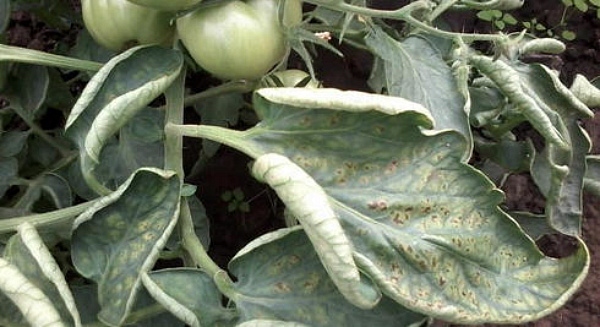
Disease can be one of the reasons for leaves curling at the top of a plant. Tomatoes are susceptible to the following ailments:
- tobacco mosaic virus;
- Fusarium wilt;
- bacterial cancer;
- Verticillium wilt.
For treatment, various methods and solutions are used that have a beneficial effect on the bush itself and the fruits on it.Some microorganisms that cause diseases can remain in the soil and affect the next crop.That is why plant treatment must be approached with responsibility and diligence.
Watering
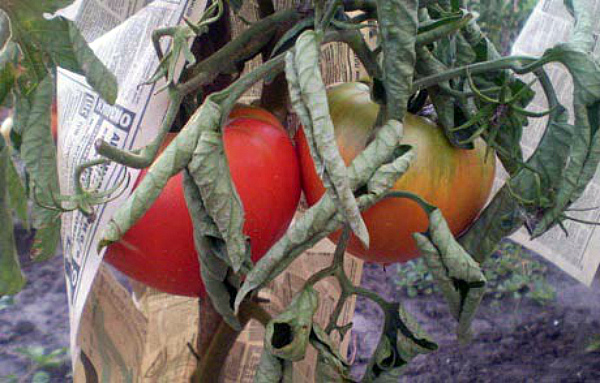
Tomatoes are very sensitive to both overwatering and underwatering. Too much water can cause root rot. If you're not watering enough, you'll see leaves curled up like boats. This means the plant needs help. However, don't overdo it. It's best to water moderately and loosen the soil. It's recommended to water no more than once a week.
Fertilizers
Why do both mineral deficiencies and excesses affect plant health? Tomatoes are a rather finicky crop. They can react negatively to both a lack of minerals in the soil and an excess of them.
Examples of large amounts of fertilizer:
- Humus. Fresh manure or poorly rotted humus can create large amounts of ammonia in the soil, which is harmful to tomatoes. It can even cause leaf burn and fruit damage.
- Nitrogen. In large quantities, it poisons the soil. This results in leaf curling, the appearance of vigorous shoots, and thickening of the stem. This condition must be addressed using stover or other ash. Just one cup of this substance, dissolved in water, can saturate the soil with phosphorus, potassium, and other essential micronutrients. A mixture of 1 teaspoon of monopotassium phosphate and 10 liters of water will also help. It is recommended to treat each tomato plant with this solution. Otherwise, the plant's root system will not be able to absorb the necessary zinc, potassium, and phosphorus.
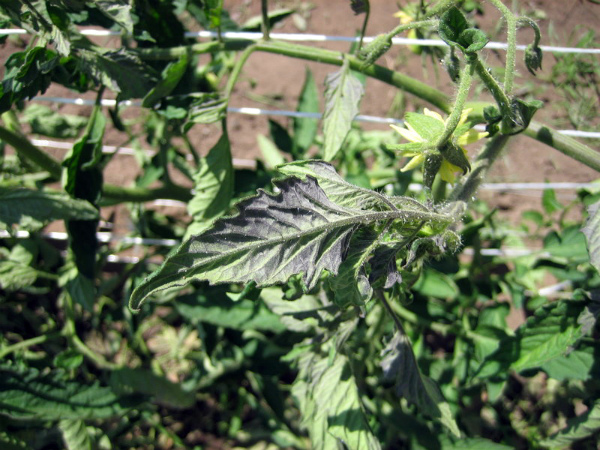
- Zinc. Excess zinc in the soil affects older leaves, causing them to turn purple from the edges to the center.
- Boron. Excess boron, like its deficiency, has the same effect: the middle leaves turn yellow, while the veins turn purple.
Lack or deficiency of elements that affect leaf curling:
- Potassium deficiency manifests itself in a change in the color of the leaves to brown, a change in the color of the veins to yellow, and also curling of the leaves.
- A phosphorus deficiency causes the leaves to not only curl but also turn a greenish-grayish color. The veins also take on a reddish-purple hue.
- Lack of zinc and sulfur causes deformation of tomato foliage.
- Copper deficiency causes newly emerged leaves (the tops of the bush) to curl towards the midribs.
If any element is deficient, root or foliar feeding is necessary. Failure to do so will result in the next stage of deficiency, which will include yellow spots, which will eventually turn black.
Pests
Greenhouse plants are often attacked by pests. What are they and why is it important to control them?
Organisms that can affect tomato leaf deformation include:
- greenhouse whitefly;
- spider mite;
- aphids, etc.
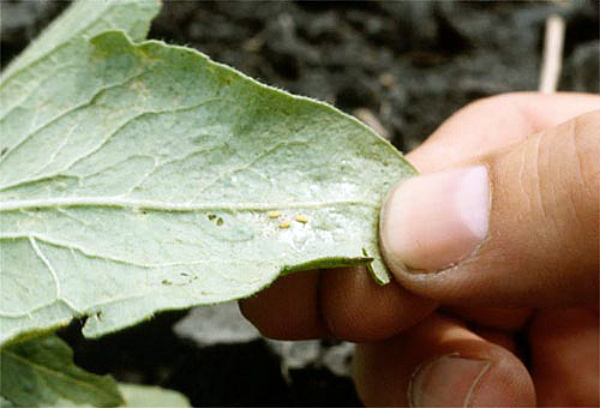
With the appearance of these small enemies, tomato leaves curl upward. To choose a method of control, you need to identify the enemy and try to find out why and where it came from. To do this, take a young leaf and carefully examine its underside.
If you notice small white flies (whiteflies), you should treat the plant with a special product or use bait traps. Black aphids are very difficult to spot. But you should try, as they eventually migrate from the leaves to the stems and petioles. These insects infuse the plant with a substance that causes the leaves to curl. An insecticide can also help here.
For lovers of all things natural, there is good news: insects can be sprayed with a decoction of chamomile or yarrow, as well as a tobacco infusion.
Video: "Why Tomato Leaves Curl"
This video discusses the causes of tomato leaf curling and how to combat it.