
Rules for fertilizing tomatoes after planting in a greenhouse
Content
When to apply
Agronomists and experienced gardeners recommend fertilizing the soil before planting in the greenhouse. Compost and ash are added to the prepared planting holes, and then the seedlings are placed there. Should tomatoes be fertilized after planting, given that the soil is already fertilized? There's no single, correct view on this matter. However, most gardeners believe it's necessary to fertilize the plants at this stage.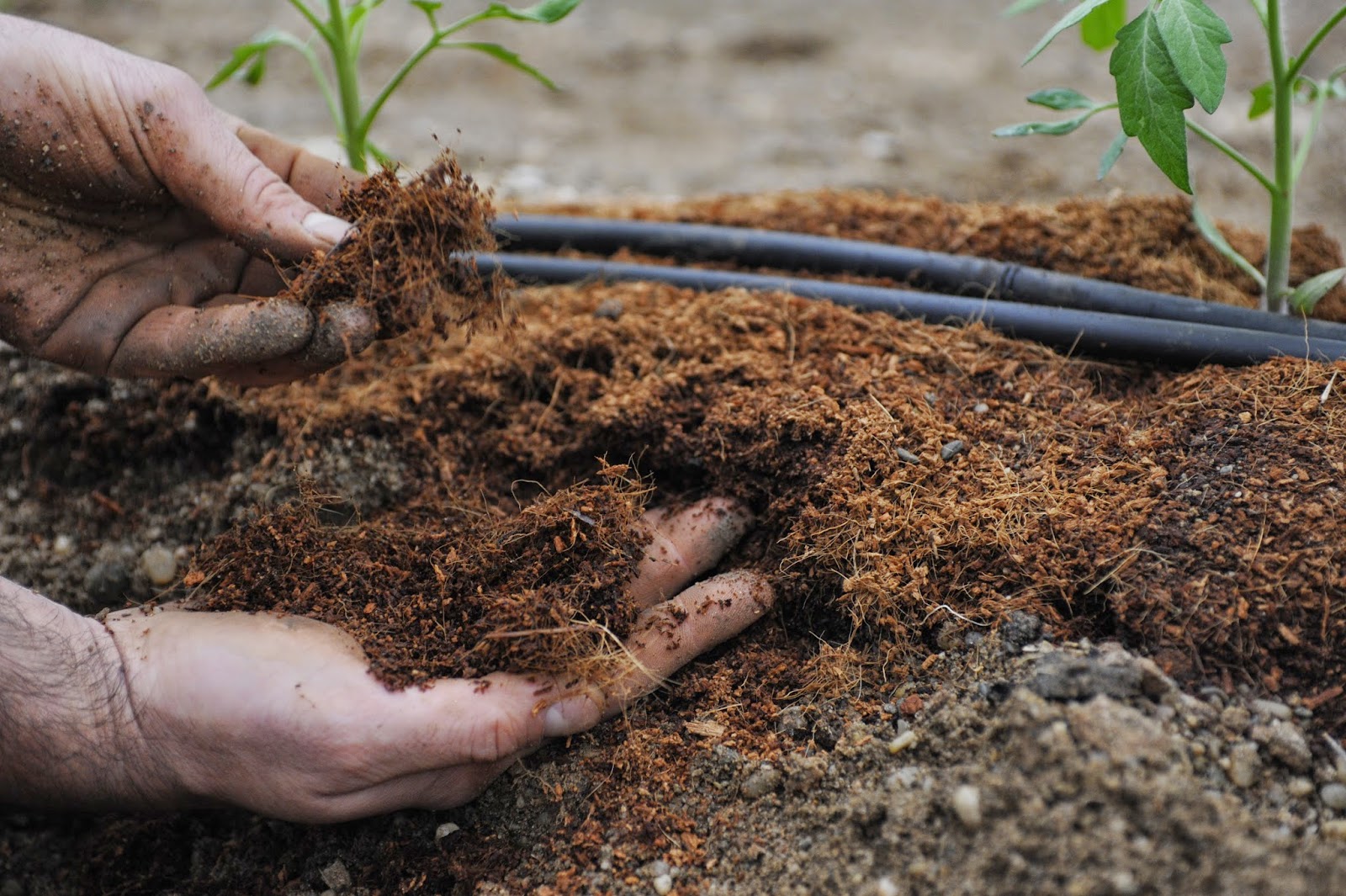
Further feeding is carried out some time after planting, after flowering, during the setting stage in the greenhouse, and also during fruit ripening. It's not recommended to apply the fertilizer more frequently, as an excess of nutrients causes more harm than a deficiency. For feeding tomatoes between main feedings, it's best to use foliar feeding. At each stage of development, seedlings require a specific set of nutrients and microelements. Therefore, the composition of the fertilizer should be carefully considered; it's best to make your own mixture. The amount of fertilizer required varies depending on its composition and the age of the tomatoes.
What fertilizers should be applied?
The first feeding is done immediately after planting tomatoes in the greenhouse. The best fertilizer for this purpose is so-called "green tea."
This nutrient mixture contains: chopped nettle, plantain and weeds (5 kilograms), wood ash (glass), liquid mullein (5 liters).
This mixture is mixed and 50 liters of water is added. The solution is then allowed to steep for about two days. The volume is then increased to 100 liters by adding the required amount of water. Fertilizer is applied at a rate of 2 liters per vegetable plant.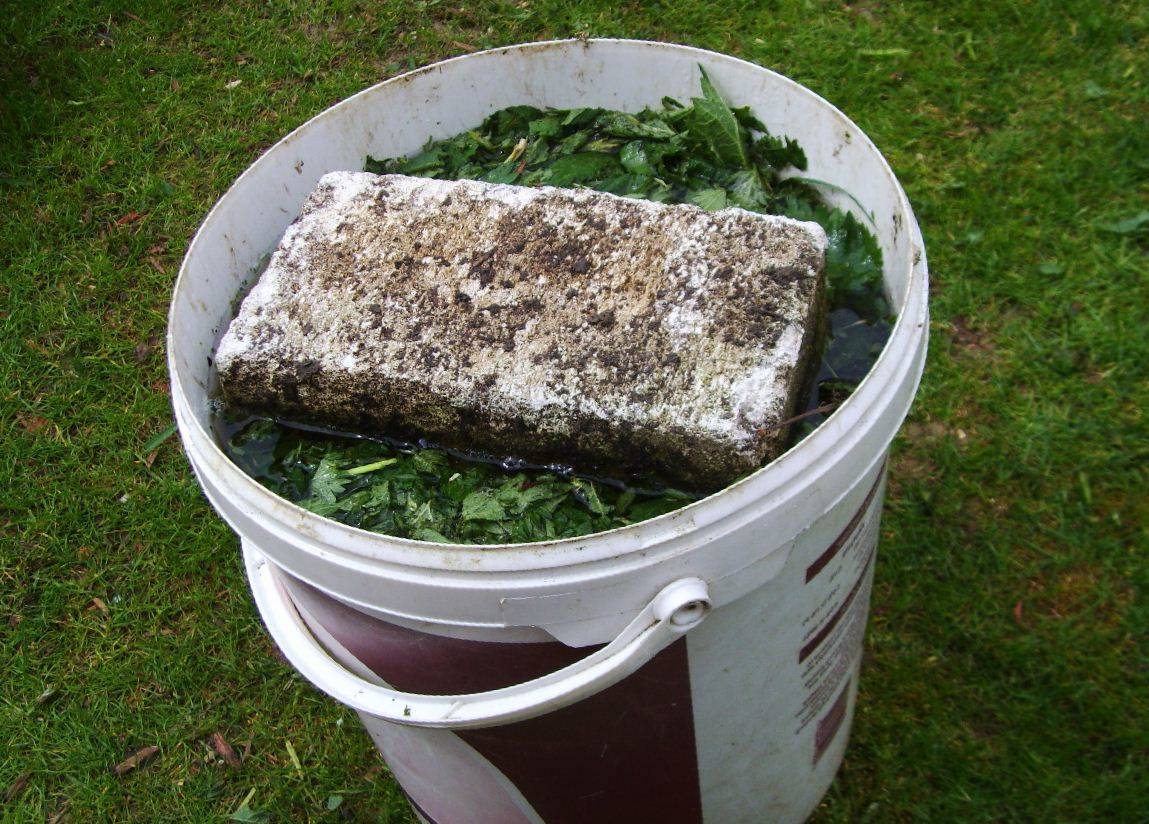
The second fertilization is carried out 3 days after transplanting the tomatoes into the greenhouse.
If you plan to skip this step, the first feeding should be done a couple of weeks after planting in the greenhouse. The fertilizer composition should be the same as for the second feeding.
The fertilizer consists of 50 liters of water, 0.125 kilograms of nitrogen, 0.2 kilograms of phosphorus, and 0.075 kilograms of potassium. Mix the ingredients, then water the vegetables with the prepared mixture. Apply one liter of fertilizer under each plant.
The third time to feed tomatoes is after flowering. In a greenhouse, nutrients determine the success of fruit set. Fertilizing is done with organic matter: 50 liters of water, 2.5 liters of liquid mullein, 2.5 liters of bird droppings, and 0.1 kilograms of potassium sulfate. Apply one liter of fertilizer per plant. Keep in mind that the components of the mixture are interchangeable. Any ingredient can be replaced with nitrophoska, at a ratio of one tablespoon of the substance per 10 liters of water. In this case, the amount of fertilizer per plant remains the same.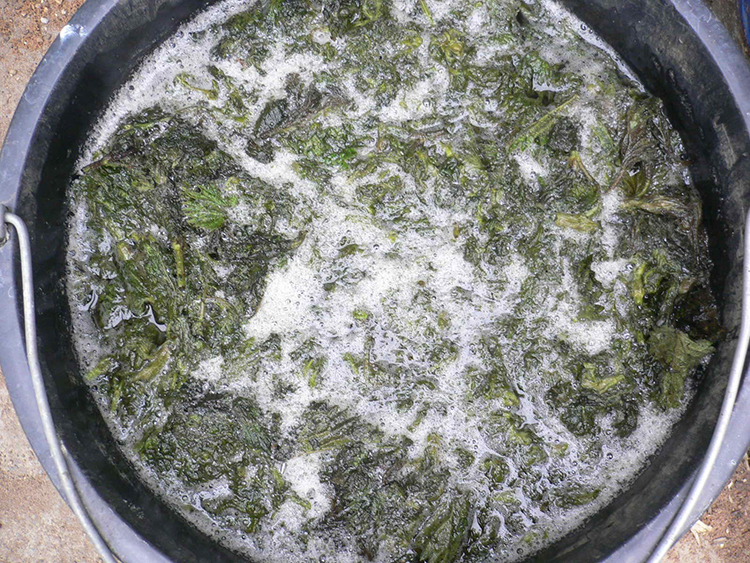
The fourth feeding of tomatoes in a greenhouse determines the success of the future harvest. This procedure is performed during the formation of fruit buds. There are several recipes for preparing the mixture. First, the tomatoes are fertilized with compost (at a rate of one bucket per unit area). Then, a Baikal solution (10 grams of the substance per 10 liters of water) is added to the compost, followed by 0.5 liters of the solution per bush. First, the tomato bushes are watered generously with coda, and then covered with compost (a layer of 2 centimeters).
Avoid feeding tomatoes with fresh manure. This will cause all the plant's energy to go toward foliage formation, not fruit production. Dissolve a tablespoon of "Humate+7" in a bucket of water. Water the tomatoes carefully, avoiding the solution on the stems and leaves. Only 0.5 liters is needed for each tomato.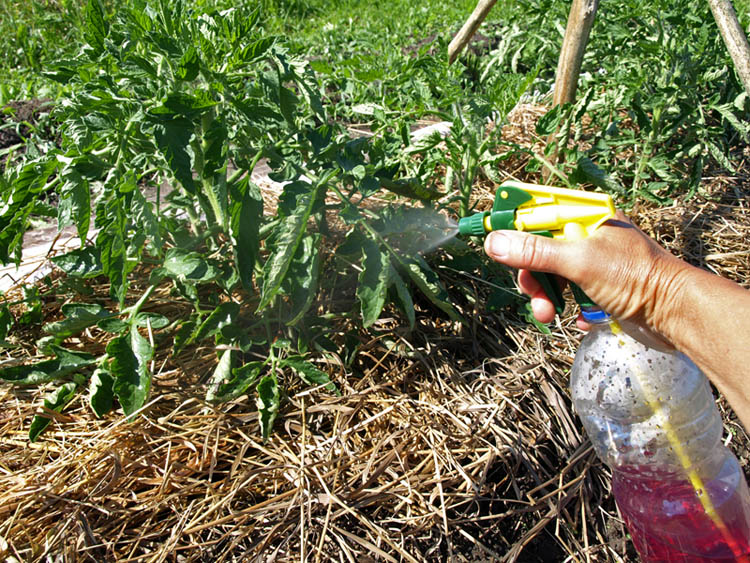
You can also provide the plant with all the nutrients it needs by preparing a solution: 2 liters of wood ash and 10 grams of boric acid. The water should be hot. Let the solution steep for 24 hours. Then, simply water the plants with this infusion. Just half a liter of the solution is enough.
The fifth vegetable feeding is carried out during the fruiting period. You can use either "green tea" or another fertilizer. This feeding consists of a couple of spoons of superphosphate, a spoon of liquid potassium humate, and a bucket of water. One and a half liters of any fertilizer per vegetable bush is sufficient.
Tomatoes should be sprayed during the flowering period. A solution for this purpose is usually prepared from wood ash. Half a liter of the mixture is added to the same amount of water and left to steep for a couple of days. The resulting infusion is then mixed with a bucket of water.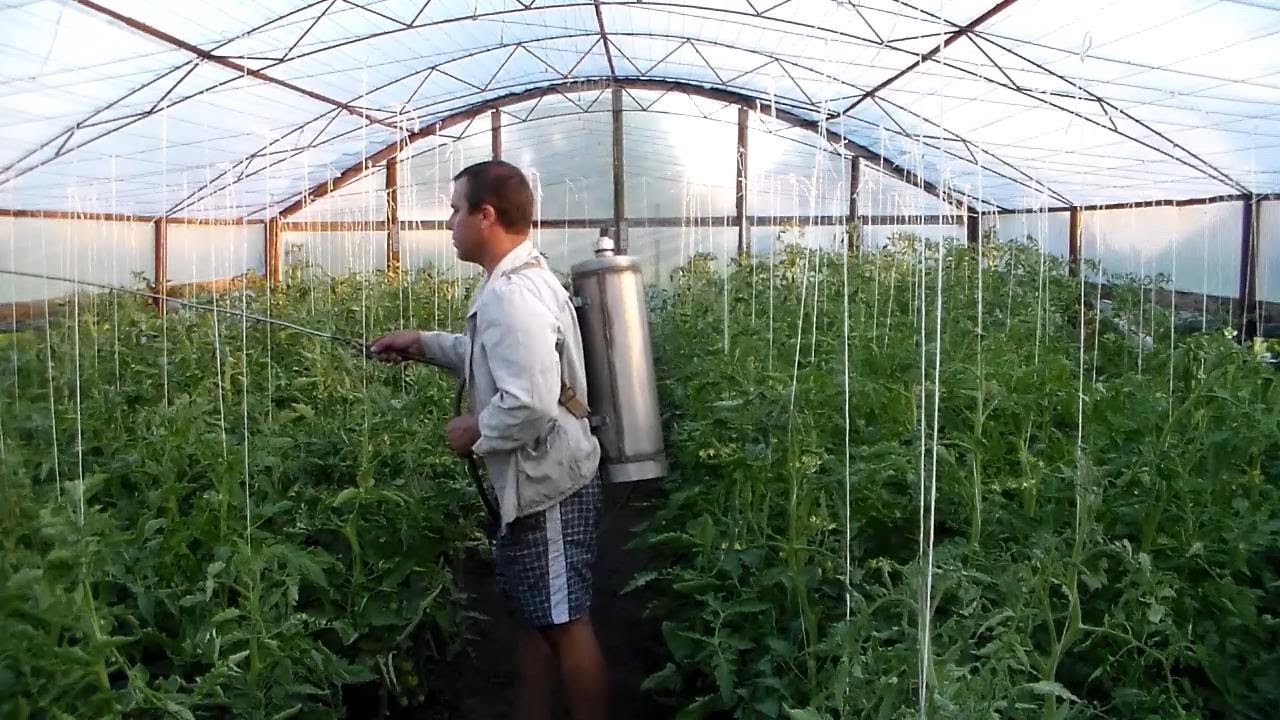
Spraying the vegetable with a calcium nitrate solution during flowering will help prevent disease. Dissolve a tablespoon of the solution in a bucket of water.
After planting seedlings in the greenhouse, they should be fed with special fertilizers. This procedure should be repeated up to five times during the plant's life cycle. Three of these procedures are considered essential, and two are merely recommended. The necessary feedings are administered 15-20 days after planting, during flowering and fruit set. Fertilize the plants with solutions of potassium, phosphorus, and nitrogen. Various fertilization methods can be used, including root and foliar application (spraying). Only by feeding the vegetable in a timely manner can you obtain a bountiful harvest.
Video: "Fertilizing Tomatoes"
In this video, an experienced gardener shares methods for fertilizing tomatoes.
Methods of fertilizing tomatoes
The main method of feeding tomatoes is root fertilization. Fertilizers are applied to the soil as a solution (via irrigation) or as a dry powder. While these fertilizers shouldn't be ignored, they can be replaced.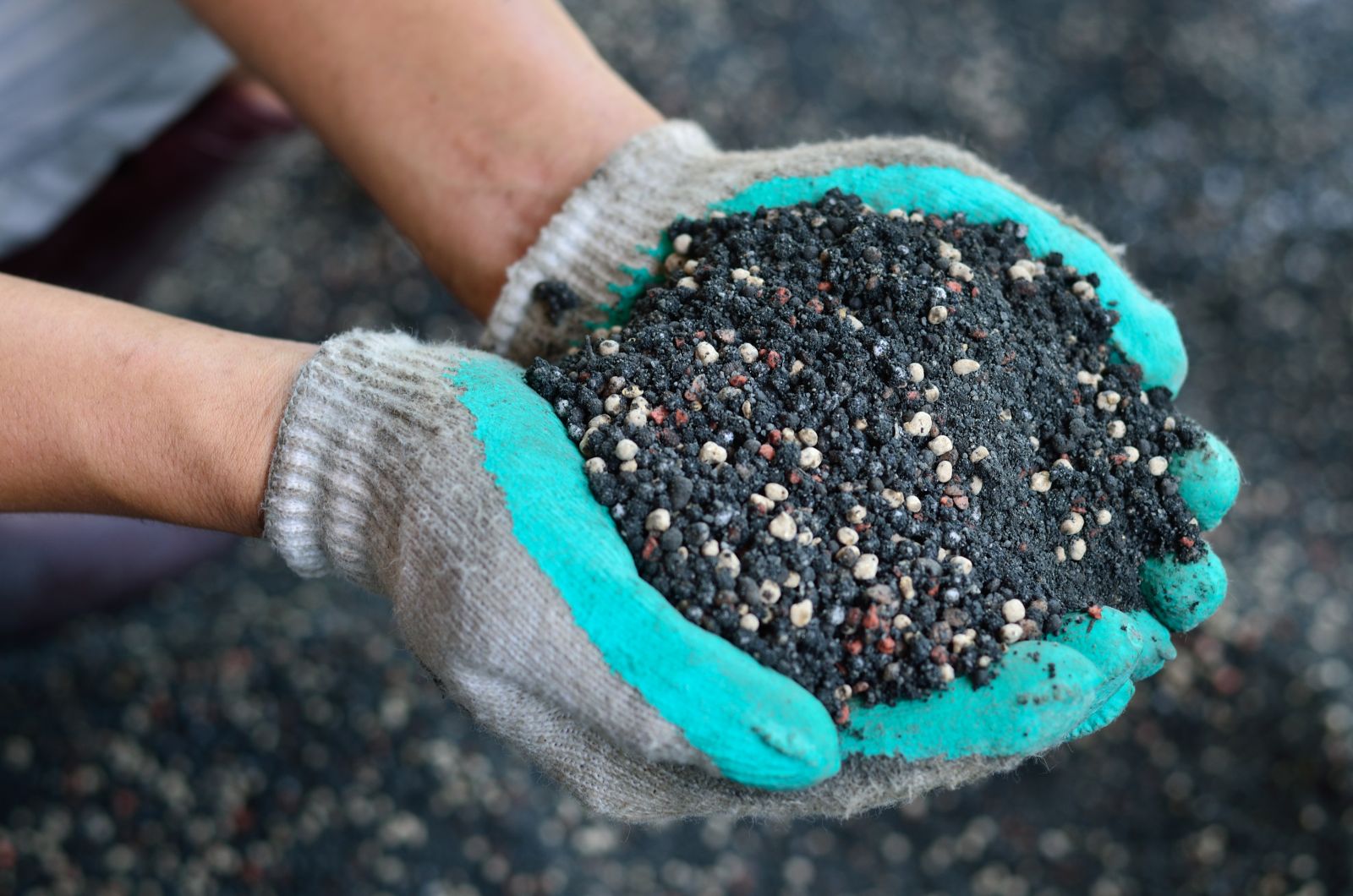
Another method of nutrient application is foliar feeding. In this case, nutrients are applied to tomatoes by spraying the green parts of the plant. However, this method is only suitable for certain plant species. Vegetable seedlings are fed by spraying to provide additional nutrients with specific substances or microelements. This method can also help prevent various diseases.
The nutrients needed by the crop are nitrogen, phosphorus, and potassium. A deficiency of any of these nutrients causes sprouts to slow down or stop developing completely. A nitrogen deficiency causes plant organs (stems and leaves) to weaken, becoming light-colored and thin. Such organs will be unable to support large, mature vegetables, and their very emergence will be doubtful.
If plants don't have enough phosphorus, nitrogen absorption is impaired, and fruit ripening is delayed. This is indicated by purple spots on the lower leaves of the plant.
If potassium is deficient, stems develop poorly and weaken, and ammonia nitrogen accumulates in the leaves. As a result, the plant's organs wilt and die. Plant development is also slowed.
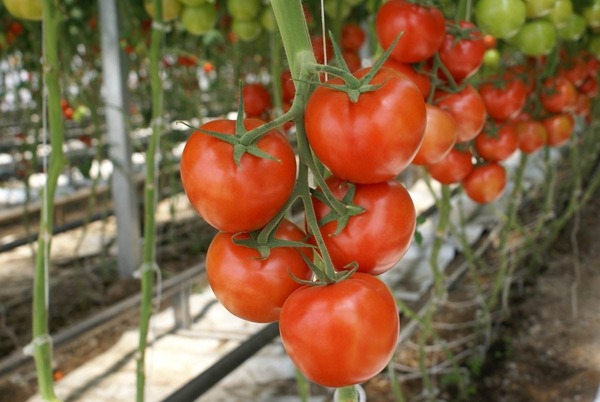
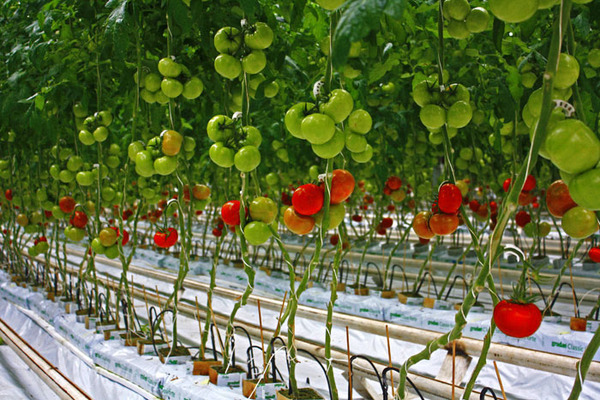
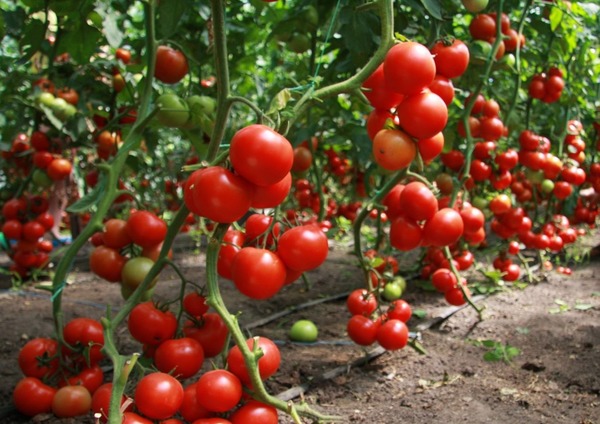
So, tomatoes, regardless of location and growing conditions, require constant feeding with nutrients and minerals. However, when growing tomatoes, it's important to keep in mind that the composition of fertilizers varies significantly at different stages of development. The crop's needs also change with the "age" of the plant. Only by applying proper and high-quality fertilizer can you expect a bountiful harvest.
Video: "First Fertilizing of Tomatoes After Planting"
In the video, the farmer demonstrates the specifics of fertilizing tomatoes.