
Why do tomato flowers fall off in a greenhouse?
Content
Determining the cause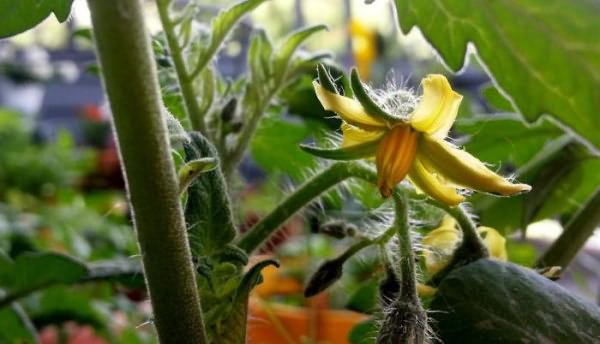
Why do flowers fall off in a greenhouse? And what can be done about it? There are a number of reasons for this:
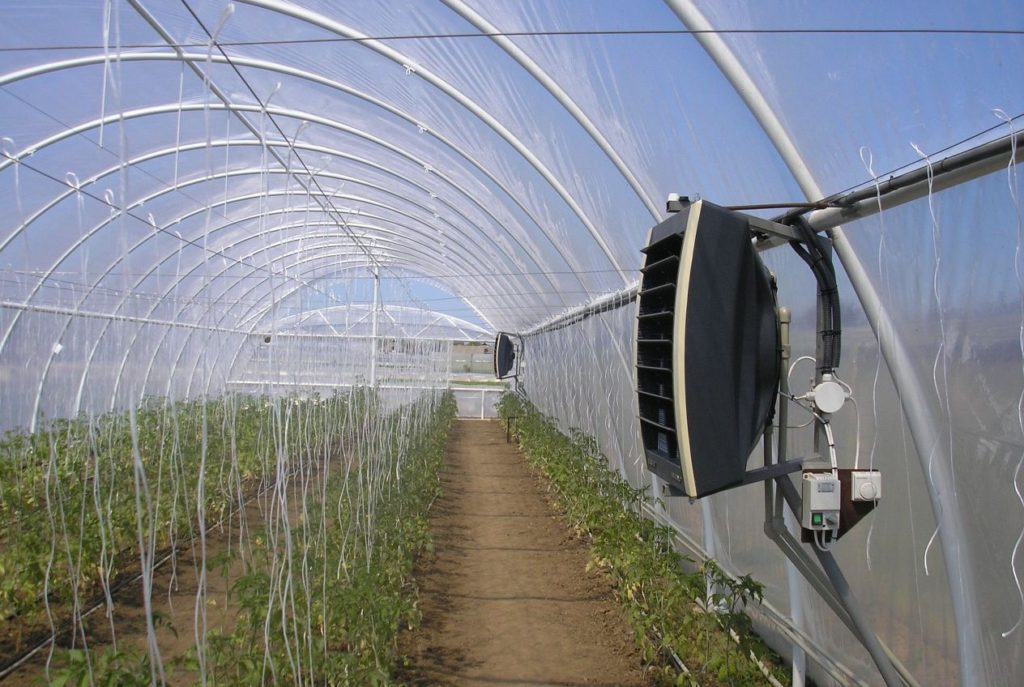
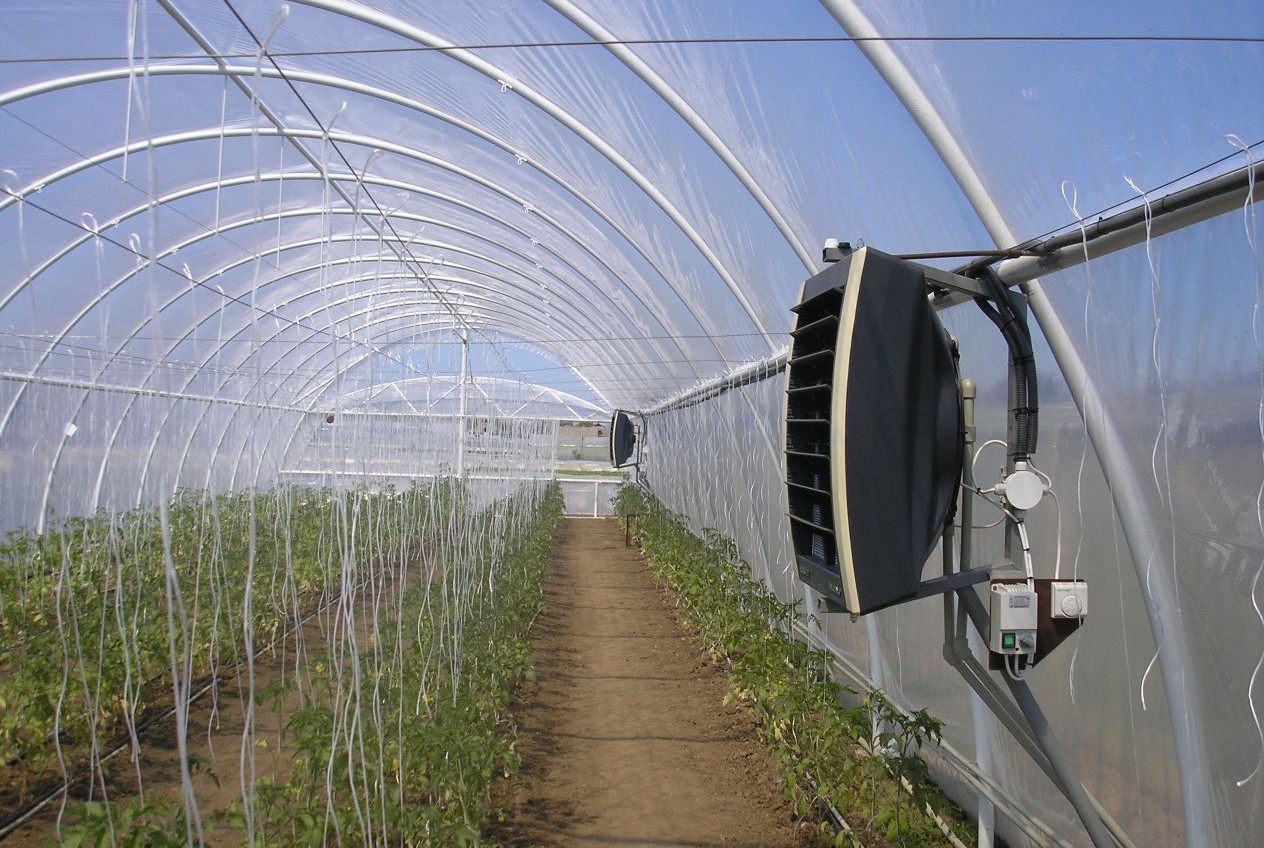
- Significant temperature fluctuations. Installing a heating system or heaters in the greenhouse will help prevent this from happening, helping to even out the air temperature.
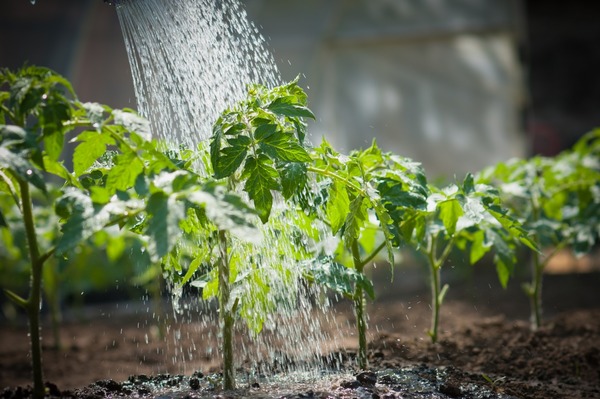
- Changes in soil and air humidity. This problem can be solved through regular ventilation. It's also important to follow all watering recommendations, including frequency and quantity. Never allow the soil to become overly wet.
- Sometimes tomato seedlings' flowers drop due to a lack of sunlight. Only a third of the flowers will bloom with insufficient light. And even then, the ovaries formed from these inflorescences will eventually fall off. Therefore, providing the plants with adequate light is crucial for growing tomatoes. This is especially critical in the morning. Why? Because the plants freeze at night.
- Flowers and ovaries also fall off due to planting density. Plants planted too close together in a greenhouse create shade for their neighbors. This leads to the formation of barren flowers on the lower parts of the seedlings. If fruit does form, it takes a long time for them to ripen. To ensure complete and rapid ripening, it's best to remove all the leaves from the bushes.
Video: "Why are tomato flowers falling off?"
The video discusses several reasons for flower and fruit drop in tomatoes.
Methods of struggle
You can avoid seedlings dropping flowers while planning your greenhouse. It's best to choose a well-lit, evenly-lit area. If the problem occurs after planting tomato seedlings in the greenhouse, you'll need to create more appropriate beds in the future, especially for different varieties. How can this be done? For example, you can grow low-growing vegetables in sunny "zones."
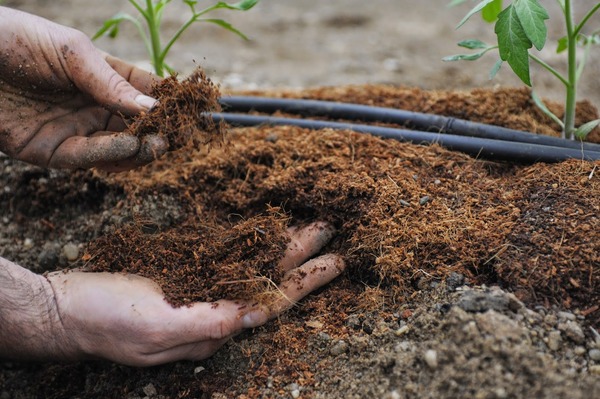
Fertilizing the crop requires special attention. Any fertilizer should be applied in moderation.
Tomato seedlings should be fed with manure, bird droppings, and nitrogen fertilizers, especially sparingly. Otherwise, all the nutrients will be lost to the leaves. Not only will the tomato fruits be small and tasteless, but the plants themselves will also shade each other in the greenhouse.
Inexperienced gardeners are happy to see numerous flowers on their tomato plants. Unfortunately, this phenomenon is also detrimental to the vegetable. It places excessive stress on the seedling roots. The plant tries to redirect nutrients to the ovaries, but fails. As a result, the formed fruit buds fall off.
Therefore, the most important thing for a gardener is to balance their own abilities and the workload. To achieve this, the bush and its flowers are regularly shaken. This causes the "superfluous" blooms to fall off. The remaining ones should be fertilized with superphosphate.
Consequences
Many gardeners experience the loss of ovaries and flowers on their tomato seedlings in greenhouses. This is most often due to low light levels. This means that blossom drop is inevitable. If this isn't addressed, you may never see a harvest.
Prevention
Why do experienced gardeners keep their tomato blossoms from dropping in their greenhouses? Because they take the right preventative measures. So, it's important to take care of your tomatoes well in advance.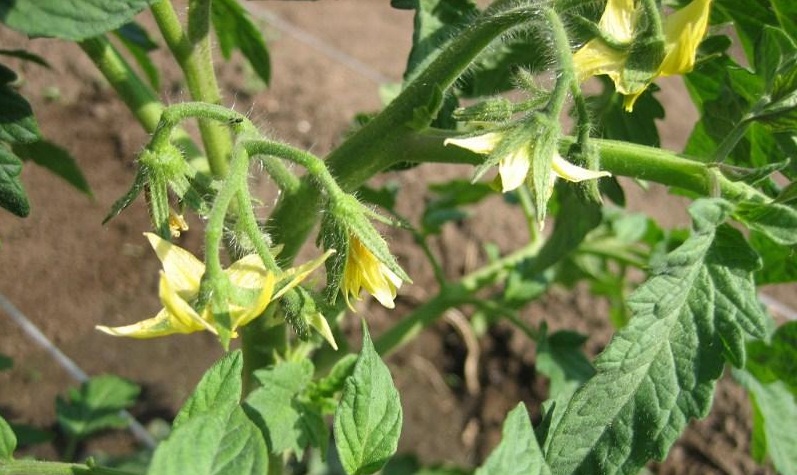
Most often, leaf drop occurs due to a lack of pollination, which occurs in rooms with elevated temperatures. At the same time, there is a calcium deficiency in the soil, which primarily affects the leaves. A potassium deficiency also has negative consequences for seedlings.
When figuring out why tomato leaves, flowers, and ovaries fall off, it's worth focusing on a few more specific points:
- A bountiful vegetable harvest is usually harvested in greenhouses. Why? Because polycarbonate greenhouses are ideal for growing tomatoes. They can artificially create the desired temperature and humidity, which the leaves cannot tolerate.
- The vegetable thrives in warmth. It can only grow at temperatures above 10°C. Productive pollination of the inflorescences occurs only at temperatures above 15°C.
- Fertilizing with saltpeter containing calcium or potassium has a positive effect on the fruits and leaves of the crop.
- When there's insufficient light, the stems of the plants stretch, resulting in fewer buds, and some even falling off. In this situation, providing supplemental lighting can help. It's also important to periodically feed the plants with nitrogen fertilizer, which has a positive effect on plant growth and foliage.
- You can treat the flowers and leaves with a boric acid solution (at a rate of one teaspoon per bucket of water). You can also use a superphosphate extract (50 g per bucket of water). Fertilizers such as Humisol and Emistim will also be effective.
So, tomato blossom drop is a common problem that can be successfully combated using a number of methods. The key is to follow the recommendations and plan the process carefully.
Video: "Why aren't my tomatoes setting fruit?"
This video discusses a problem familiar to many gardeners: tomatoes bloom but no fruit forms.