
Why tomatoes aren't setting fruit in a greenhouse and how to fix it
Content
Conditions necessary for tomato fruit set
Tomatoes love warmth, but they only thrive within a certain temperature range. The optimal temperature for flowering and fruit set is between 20 and 25 degrees Celsius. However, a large difference between night and day temperatures negatively impacts pollen production and the pollination process itself.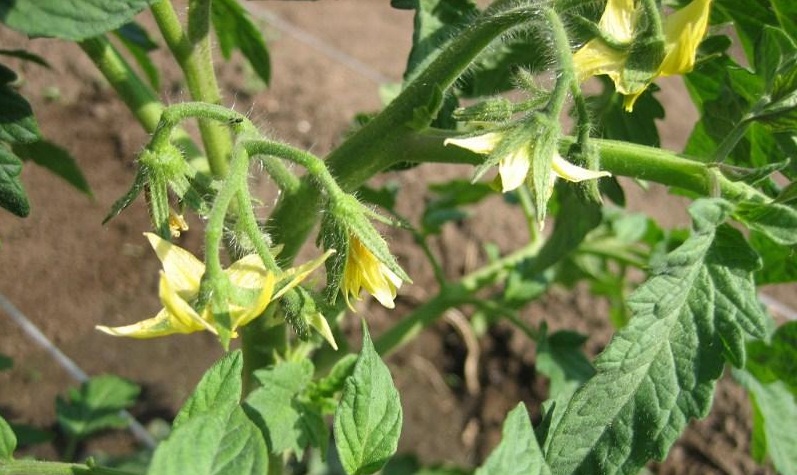
Tomatoes need moisture and nutritious soil for good growth, flowering, and fruiting, but watering alone isn't enough; it's also important to keep the air moist. Regular watering is especially important during flowering and fruit set. Fertilizing is usually recommended at the very beginning of flowering.
For ovary formation and proper fruit development, the plant needs to be permeable to air and receive sunlight on every part of the plant. This is why tomato plants are pruned and crown formation is not left to chance. It would seem that all these conditions are created in a greenhouse when they cannot be replicated in a garden bed, but sometimes all the conditions are met, yet no ovaries appear. Why does this happen?
Video "100% Method for Setting Tomatoes"
The video shows the correct method for pollinating tomatoes.
What tomatoes lack
If your greenhouse tomatoes are growing normally, even blooming, but aren't setting fruit, you first need to determine the cause before taking any action to address it. The first things to consider are, of course, temperature, humidity, pollination, and plant health.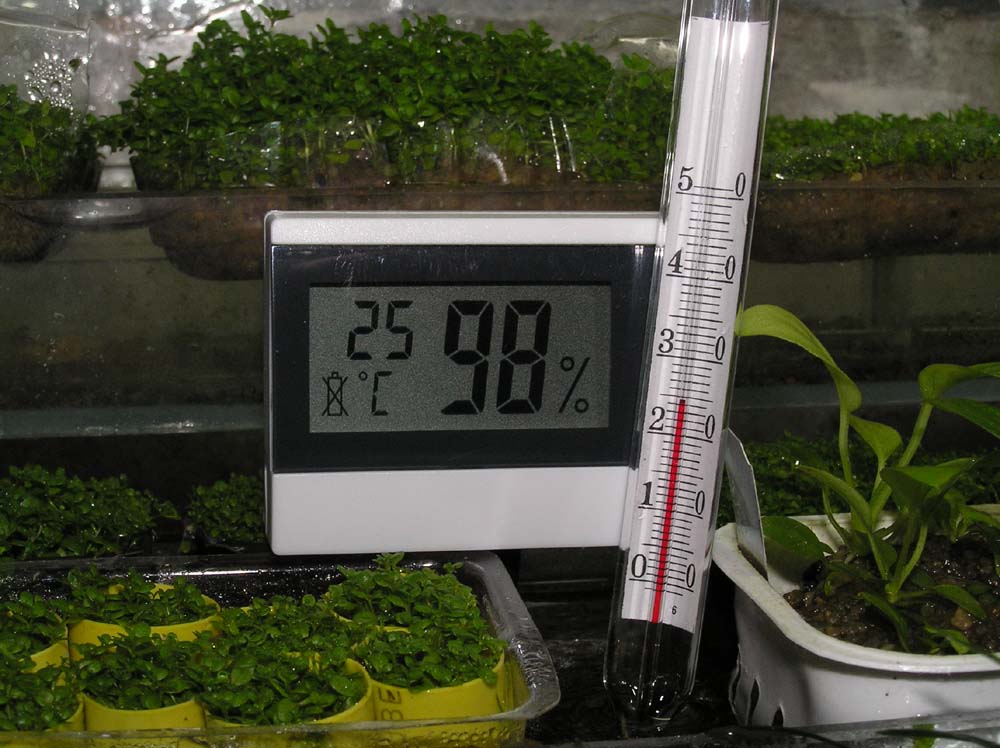
Temperature
Ideally, the temperature should not fall below 20°C or rise above 25°C. Daytime temperatures around 30°C aren't harmful to the plant, but they do jeopardize fruit formation. Even a brief rise to 35°C will render the pollen sterile, meaning the flowers won't produce fruit.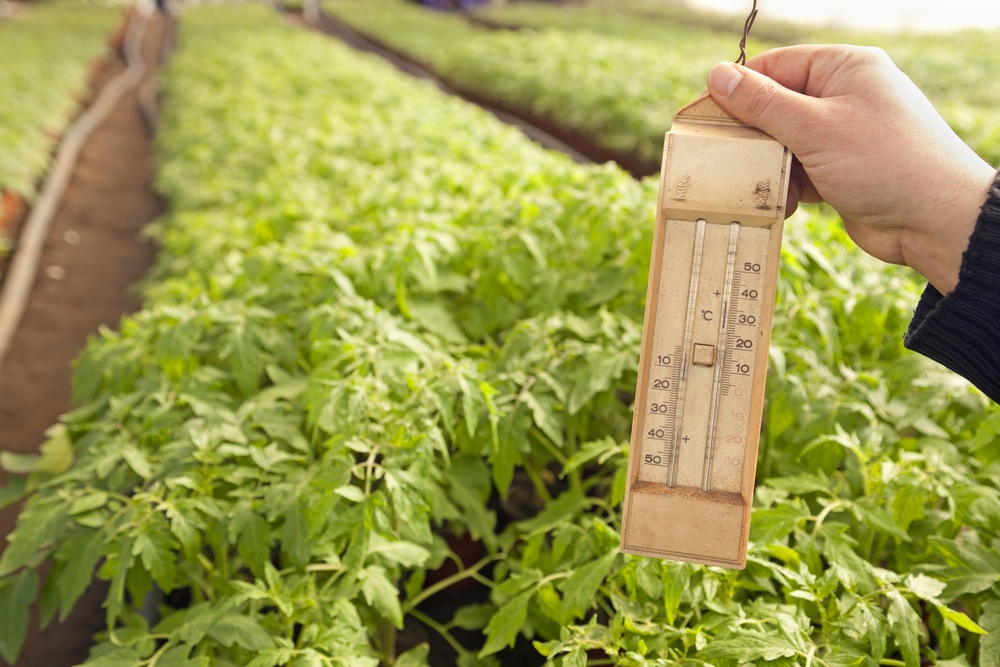
At nighttime temperatures below 15 degrees Celsius, pollen will not form at all. If such low temperatures persist for several days, it will be too late to do anything. Watering with cold water in the evening can lower the soil temperature (which will achieve the same result).
Humidity
While it's easy to constantly check the temperature by glancing at a thermometer, monitoring humidity levels isn't so simple. Fluctuations in humidity can be just as detrimental to the harvest. When the fruit is ripening, the plants require slightly less water than during the seedling stage or when they're flowering. Tomatoes can even withstand short periods of drought, and they'll still ripen. However, during periods of intense growth or flowering, a lack of moisture will cause the flowers and even the ovaries to drop.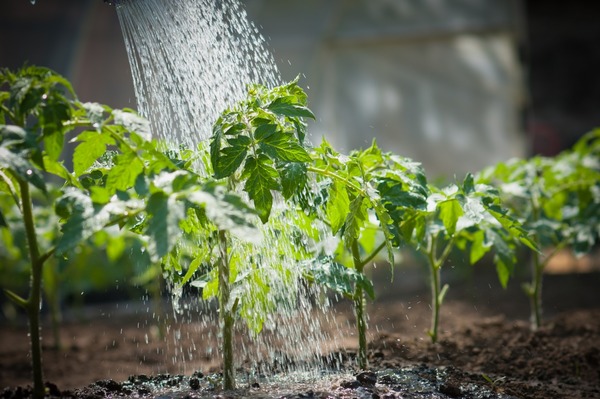
Curling leaves and drooping tops indicate that plants are not getting enough water. As soon as these signs appear, the plant needs urgent attention and additional watering.
If such signs are absent, this doesn't mean the problem isn't related to watering. Excess moisture can sometimes trigger fungal diseases, and affected plants will not produce a harvest. Moreover, if a disease occurs on a single plant, it can quickly spread throughout the greenhouse. Therefore, plants should be inspected frequently to detect any fungal infections as early as possible. Furthermore, high humidity causes pollen to stick together and prevents it from transferring from the anthers to the stigma.
Pollination
If pollination in a vegetable garden relies on insects and wind, the enclosed space of a greenhouse often becomes an obstacle. In good weather, when doors and vents can be kept open, air movement is necessary, and insects can easily enter. However, this isn't always possible—if the weather were always so good, there would be no need for greenhouses. Vegetable growers must be prepared to perform artificial pollination if necessary.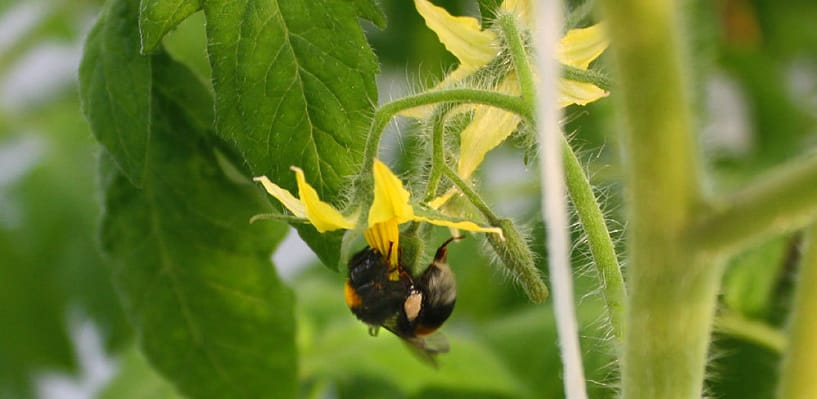
Other reasons
If flowering occurs but no fruit sets, it's quite possible that overcrowding is to blame—flowers need sufficient sunlight. Sometimes, a lack of sunlight can cause flowers to fall off.
Another reason for the lack of ovaries, and sometimes even flowers, can be an excess of nitrogen fertilizer. This causes the plant to "grow fat," that is, grow too much foliage without any thought for flowering, or produce abnormally shaped flowers. A lack of mineral fertilizers (usually potassium-phosphorus) often leads to ovary drop. Fertilizing should be done regularly, but be careful about the ratio of the elements applied.
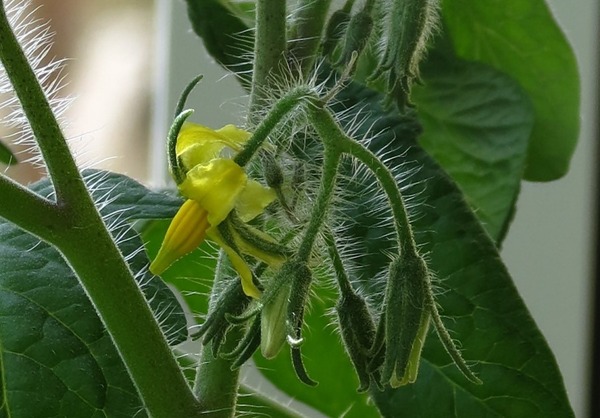
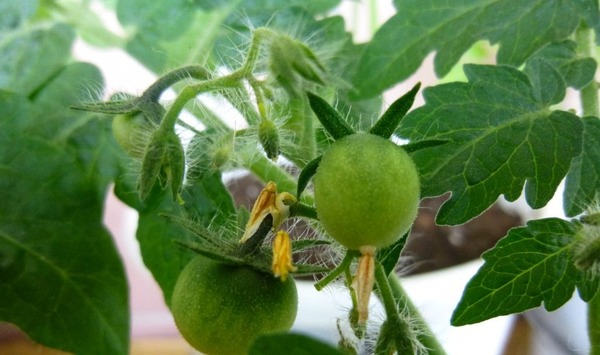
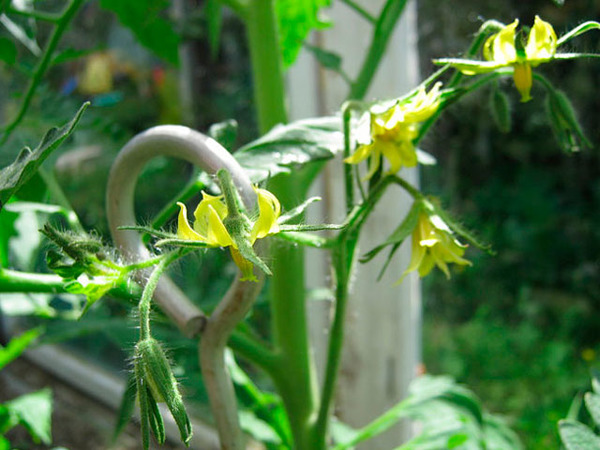
When affected by disease, plants lose flowers without producing ovaries (or even lose them). If pesticides are used to control diseases or pests, pollen production may decrease.
The yield often drops when tomatoes are grown from seeds from a previous harvest—homegrown seeds don't always produce good results. Furthermore, some hybrids are unable to reproduce from seed at all.
If large-fruited or high-fruiting varieties are grown in a greenhouse, the plant may simply not have the strength to develop all the fruit that has set. Even perfectly healthy plants with excellent conditions will shed excess fruit.
How to fix the situation
Correcting the situation should begin as soon as the causes are identified. To raise the daytime temperature in the absence of sun, you need to come up with some heating method: radiators, UV lamps, potbelly stoves, or something else. If there is sufficient daytime sun, dark containers of water can be used to raise the temperature at night. These containers heat up during the day and then release their heat into the air at night. Watering in the evening should also be done with water that has warmed up during the day. At night, the greenhouse should be covered with additional blankets, plastic, or other covering material.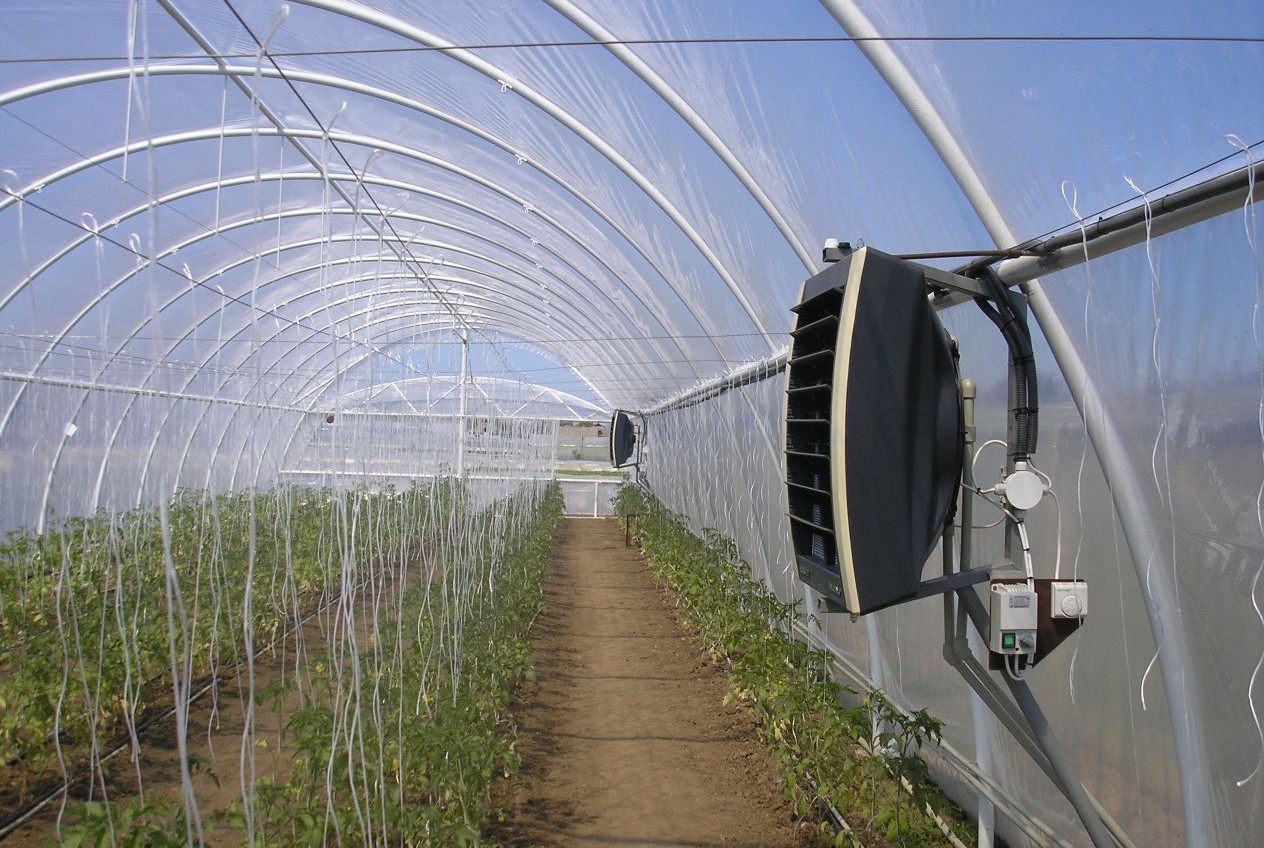
To lower the temperature during hot weather, ventilate the greenhouse frequently, creating a draft that will reach all the plants. When the owners are away from the garden, you can install an automatic window and door opening system.
Ventilating greenhouses will help maintain humidity levels and promote pollination. Some vegetable growers use fans to increase air movement. To attract insects, you can grow honey-producing flowers between the tomatoes or add potted flowers during this time. Growing marigolds near tomatoes is said to improve the flavor of the fruit, not just attract pollinating insects.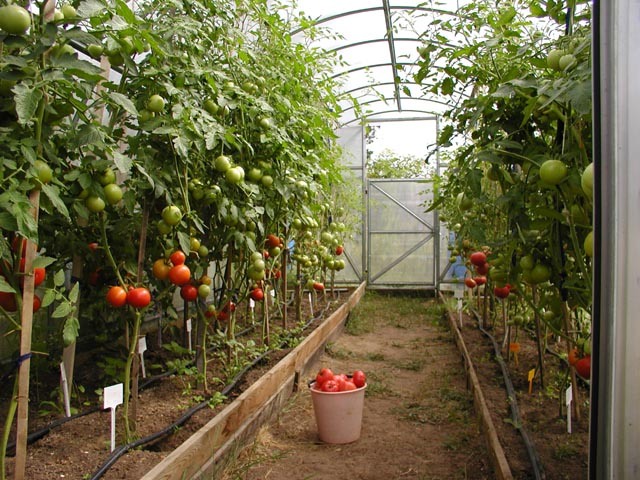
If attracting insects isn't possible, pollinate the plants yourself with a brush. Some homeowners simply tap the wire to which the stems are tied or shake the branches with flowers. After artificial pollination, it's a good idea to increase the humidity by watering or misting the plants.
Spraying flowering plants with boric acid increases yields; to do this, dissolve 10 g of the acid in a bucket of water.
For tomatoes to thrive, bloom, and produce fruit, every part of the plant must receive sufficient sunlight, which is essential for photosynthesis. Therefore, it's important to properly and timely shape the crown, remove side shoots, tie up the plants, and trim excess leaves. Sunlight and free airflow will help the tomato plant grow healthy, resist fungal diseases, bloom on time, and produce fruit.
If all the above measures fail, the flowering shoots should be cut back and the bush allowed to form new ones. Correcting the conditions may lead to better results the second time around.
If you carefully inspect the bushes, you can spot and prevent fruit drop early. It might be worth buying seeds of different varieties and not relying too heavily on regrowing your own tomatoes.
Video: Growing Tomatoes in a Greenhouse
Five rules for growing tomatoes in a greenhouse are shown in the video.