
Mulching tomatoes in a greenhouse: methods and materials
Content
What is the use?
Mulch is typically used to protect the top layer of soil from drying out. This creates a dense crust on the surface, preventing air from reaching the roots. However, this is far from the only benefit this method provides.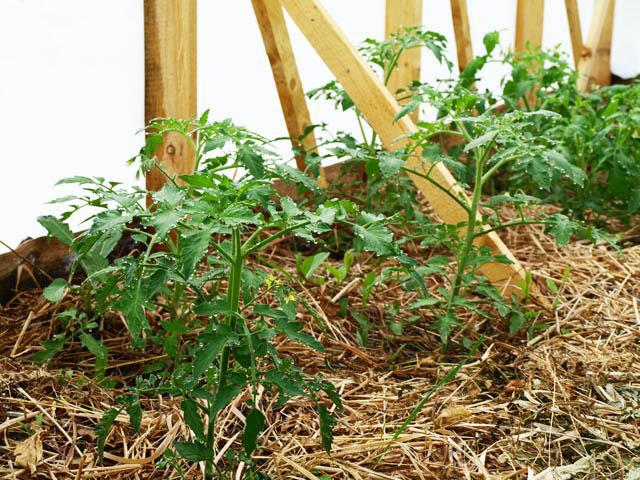
The advantage of a mulch layer is that it does not allow sunlight to pass through, which prevents the appearance of weeds, which have an extremely negative impact on the crop.
The soil beneath the mulch layer retains moisture for a long time; it doesn't dry out even after watering. This allows for much less frequent watering. Loosening the soil can also be done at longer intervals.
Mulching tomatoes in a greenhouse causes the bottom layer of mulch to rot, where it touches the ground. This rotted layer is excellent food for earthworms, which break it down and form humus. This naturally fertilizes the soil. This allows you to avoid or reduce the amount of fertilizing.
Mulching tomatoes in a greenhouse is also necessary because it can prevent a sharp reduction in moisture from the upper layers of the soil. Vegetables are usually watered very intensively, and water evaporating from the surface causes high humidity in the room. This can result in the crop being susceptible to late blight and a number of other plant diseases.
So, the benefits of mulching have been proven. However, to achieve them, you need to implement the procedure correctly.
Video "Benefits"
This video will show you the benefits of mulching in a greenhouse.
Basic rules
The key to mulching is to do it when the soil has warmed up sufficiently. This is especially important if the greenhouse is unheated. For greenhouses with a heating system, mulching can be done any day after planting young plants. Beforehand, the soil should be thoroughly loosened and any weeds removed.
The covering material should be spread around the bushes so that its layer is at least 0.03 meters and no more than 0.08 meters. If the material is loose, scattering it near the plant is sufficient. Leave space around the stems for watering. Natural materials laid down in early summer will eventually be broken down by worms. If any mulch remains in the beds, there is no need to compost it. Cleaning should only be done in areas where other crops are planned.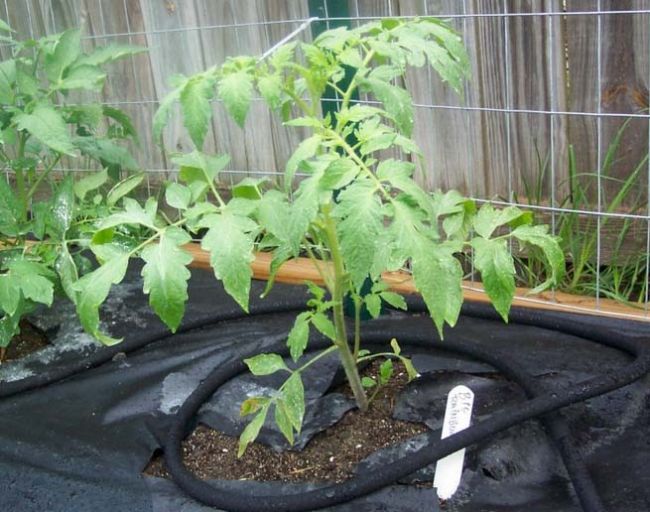
At the end of the season, the topsoil is removed, and the beds are formed using a special biofuel. The mulch layer is usually removed, either with or without the soil. The gardener is then free to use this layer as they see fit.
Methods and materials
What to mulch tomatoes with? Materials for covering the soil under any crop are divided into two main groups. The first includes specialized materials, which are manufactured products. The second consists of natural materials.
Non-woven fabrics and films are industrial products. They come in a variety of colors and are either water- and air-permeable or impermeable. Furthermore, each material can have additional properties.
Agrotex covers are ideal for caring for tomatoes. However, many gardeners prefer to use black cellophane, roofing felt, old newspapers, cardboard, or burlap as covering. This is because most gardeners find Agrotex covers to be more than a little expensive.
Organic materials
Many people wonder whether grass can be used as organic matter. Freshly cut grass is best avoided for mulching, as it provides a habitat and food source for many microorganisms. However, the answer to the question, "Can I mulch with hay or straw?" is a resounding yes.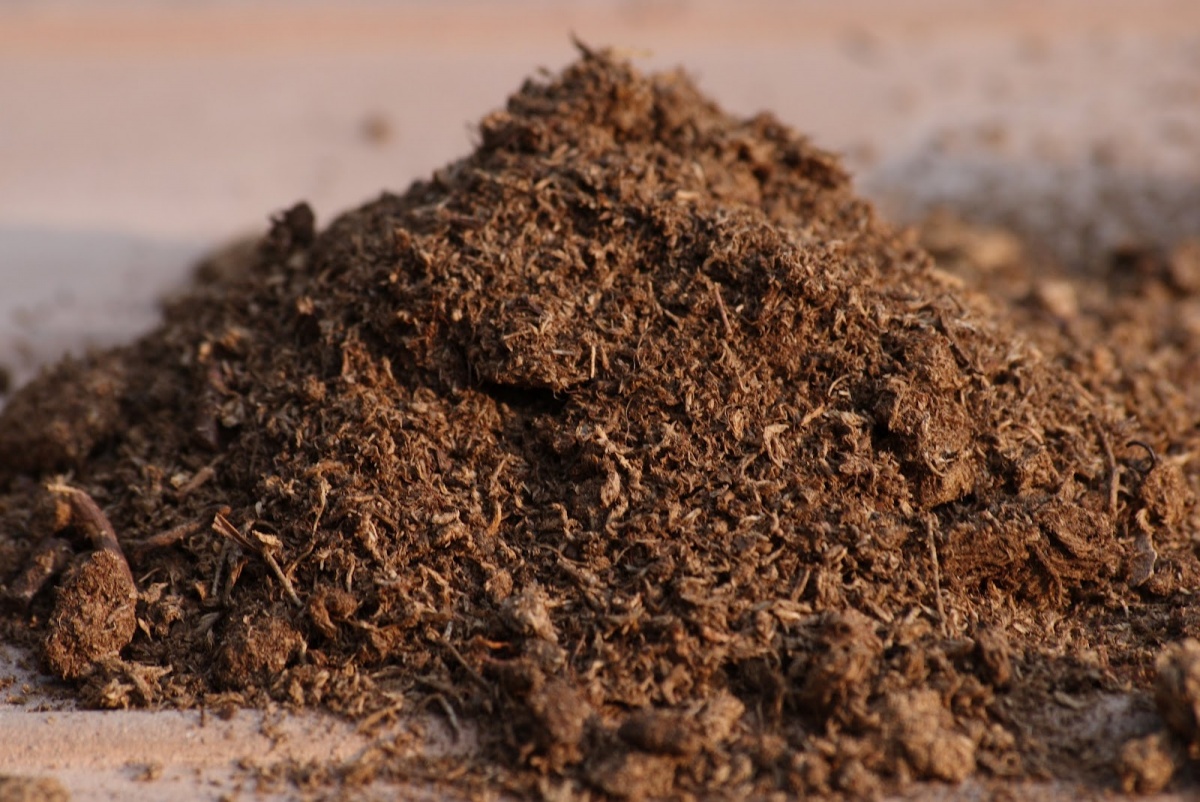
In addition, the procedure can be carried out using organic materials such as:
- compost, humus, peat;
- wood shavings, sawdust, fine wood ash;
- fallen dry leaves or pine needles mixed with a layer of soil;
- husks of grain and pome crops;
- young weeds that have not formed seeds.
Artificial materials
Artificial mulching materials are quite common today. They offer several advantages over organic ones. These materials can be used for several seasons in a row and are excellent at protecting the soil from drying out and preventing weeds from growing.
The cover creates a greenhouse effect, allowing plants to develop actively.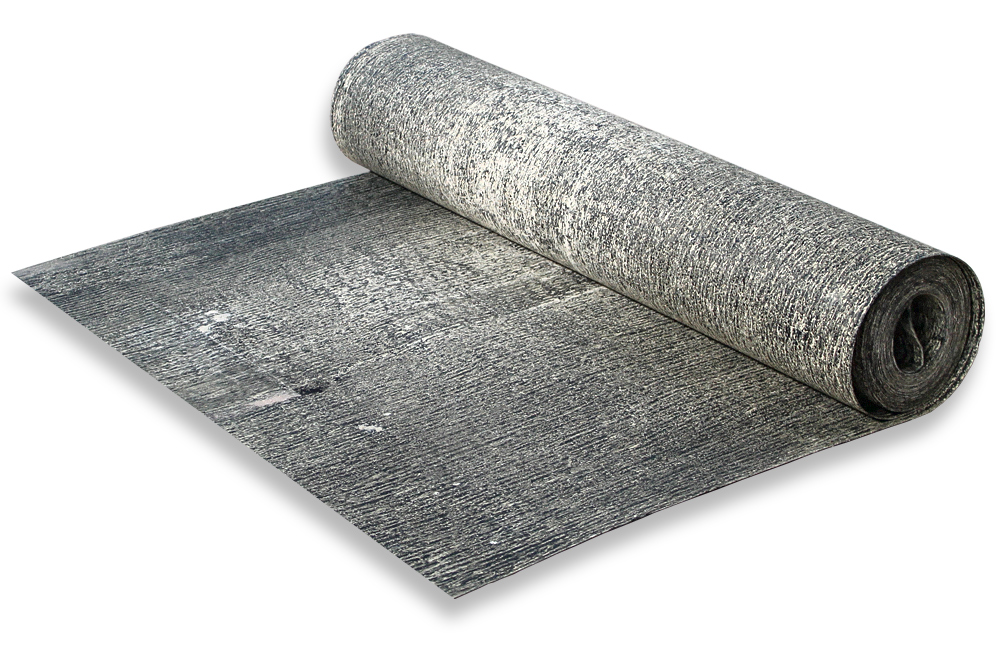
Artificial mulch is presented:
- black or colored polyethylene film;
- non-woven covering material;
- roofing felt or tar paper.
So, mulching tomatoes is essential. This procedure is especially important for greenhouse crops.
Video "Leaving"
This video will show you how to care for tomatoes in a greenhouse.