
When and how to trim tomato leaves in a greenhouse
Content
About thickening tomato bushes in a greenhouse
Tomatoes love sun and fresh air, meaning all above-ground parts of the plant must have access to light and fresh air. Humidity above the soil should not exceed 65% when growing tomatoes in a greenhouse. If the greenhouse provides good conditions, if the optimal temperature is maintained, and the soil contains all the nutrients necessary for plant growth, the plants will happily develop new foliage—leaves and shoots.
In a garden bed, this may sometimes be unimportant (for certain varieties of determinate tomatoes). However, greenhouse conditions, with their limited space and enclosed area, will negatively impact the harvest if the plants are allowed to grow unchecked. The abundance of leaves and shoots will increase humidity, and parts of the plant will shade each other and neighboring plants, depriving them of the necessary light, and air flow will be cut off. Shade, moisture, and stagnant air will inevitably lead to fungal diseases, which can easily spread to all plants in such cramped conditions. Insufficient light will negatively impact the harvest.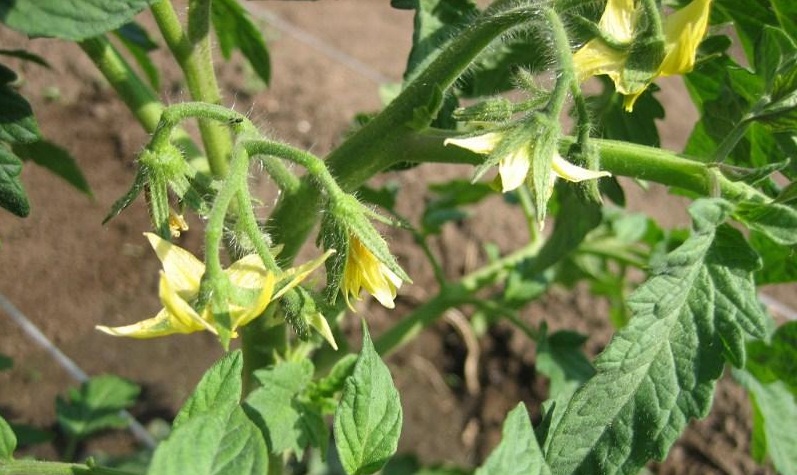
The tomato plant's nutritional system is organized so that essential nutrients are transferred from the roots first to the leaves and then to the fruit. Each fruiting branch has nourishing leaves that, through photosynthesis, supply the fruit with the necessary nutrients. At a certain stage of fruit development, the fruit itself can produce these nutrients without assistance. If the leaves are not removed during fruit ripening, they will simply rob the roots of nutrients without providing any benefit.
Yellowed, drying leaves often become a breeding ground for diseases, which in greenhouse conditions very quickly spread to other plants; this must not be allowed.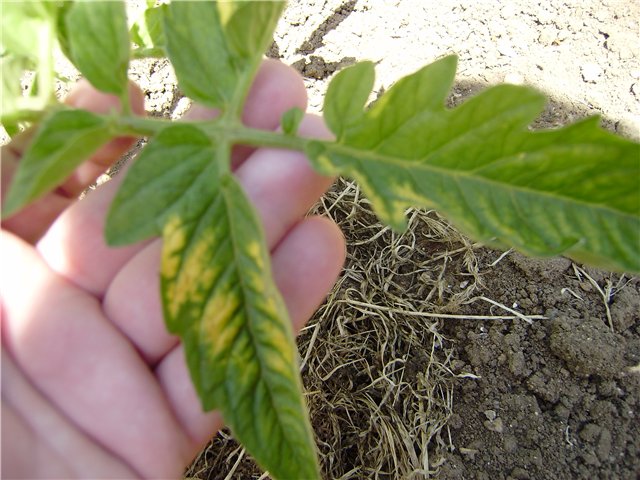
Timing of pruning tomatoes
When the fruit vine begins to bloom, many vegetable growers immediately begin to remove the lower leaves. Others say this should only be done once the fruit has formed. This debate can be resolved empirically: try different approaches with two groups of plants and observe the results. However, based on theoretical knowledge of tomato plant development, it can be concluded that during flowering and fruit set, the fruit vine receives the necessary nutrients, formed through photosynthesis, from the leaves. Later, when the fruit begins to synthesize these nutrients on its own, it's time to remove the leaves.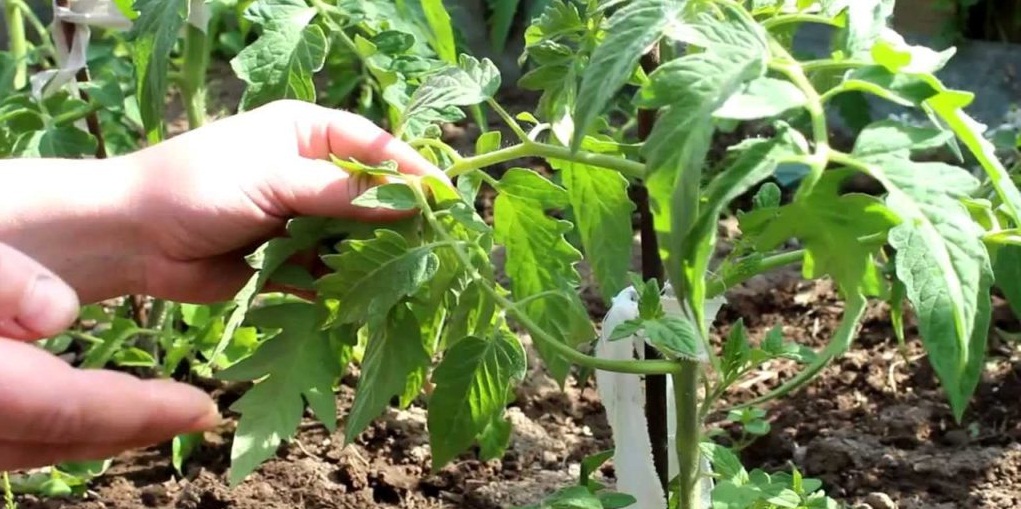
It's impossible to set precise calendar dates here – the vegetable variety, the regional climate, and the greenhouse microclimate all play a role. You should focus on flowering and fruit formation. When green tomatoes begin to grow and turn brown, gradually remove the lower leaves. A mature, fruiting plant should have 30 centimeters of bare stem below the first fruiting branch. This will ensure the stem receives the required amount of light, nutrients from the roots can be directed directly to the ripening fruits, humidity in the greenhouse will remain constant, air will circulate freely, and fungal diseases won't have a chance.
Video: "Pruning Tomato Leaves"
This video shows the next stage of tomato care: leaf trimming.
Stages of crown formation
Bush formation is usually associated with pinching out side shoots. Tall indeterminate tomato varieties are grown as a single stem, meaning all side shoots (side shoots) are removed. This procedure should be performed regularly, every 10 days. Plants of these varieties begin to bloom after the formation of 9 or even 12 true leaves, and then shoots form every three leaves. As the fruit grows, the leaves located below the shoots are gradually removed. You can't prune them all at once; it should be done gradually and regularly, every 3 to 4 days.
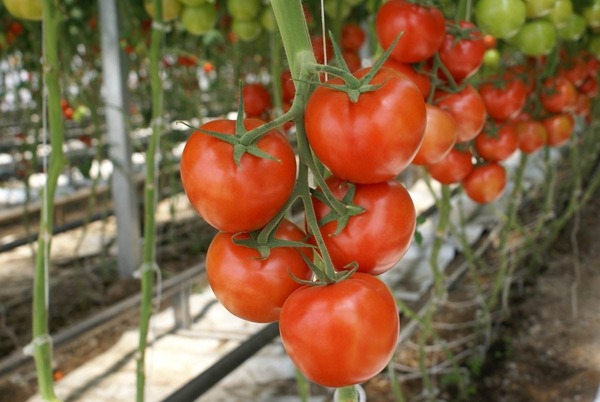
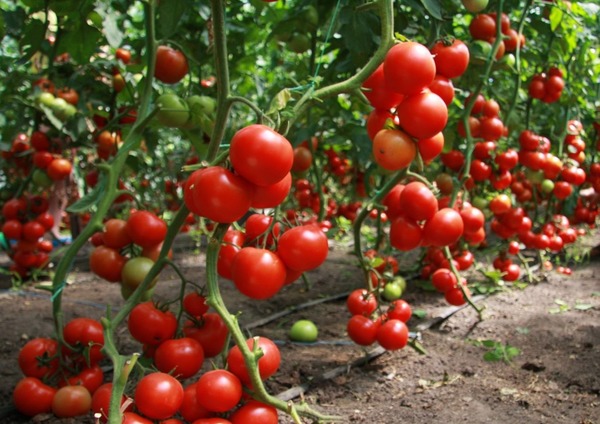
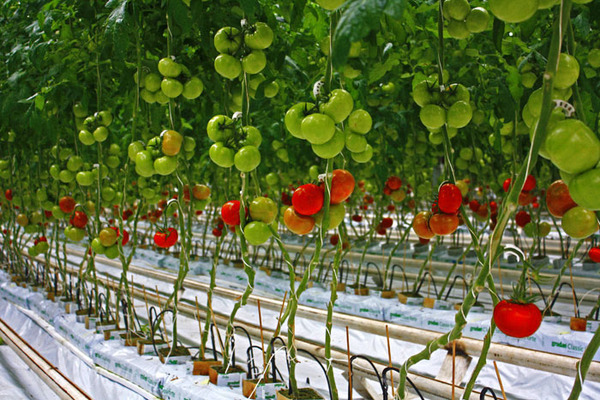
Determinate varieties begin to bloom after 5-7 leaves have formed, with flower clusters appearing every two leaves. These varieties are grown in 2 or 3 stems, meaning that 1 or 2 shoots, respectively, are left, and the rest are removed.
Trimming technology
There are specific recommendations for how to prune tomatoes in a greenhouse. It's best to do this in the morning on a sunny day, so the plants have time to dry and close the cuts during the day.
If there's not enough sun, treat the wounds with a potassium permanganate solution or sprinkle them with activated charcoal. Otherwise, cuts that aren't completely dry overnight can become infected with gray mold.
It's best to remove no more than two leaves from each tomato plant at a time, preferably once a week – this will reduce stress on the plant. You should trim not only the lower leaves, but also those that shade the fruit or neighboring plants. You don't even have to trim the entire leaf, just sections of it.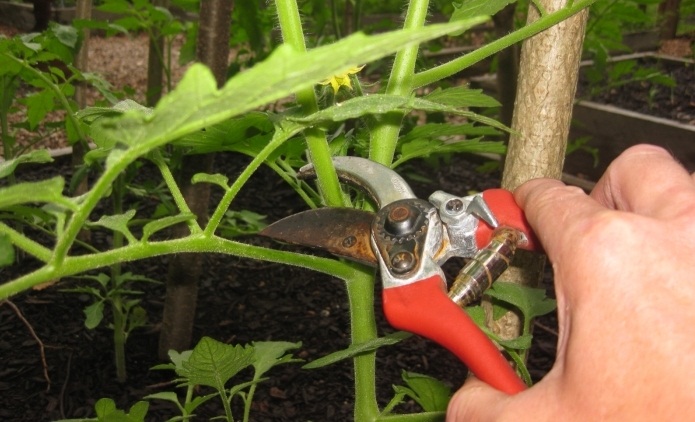
This procedure is performed with a disinfected, sharp tool or even simply by hand (it's much more careful to do this manually) wearing gloves. After each plant, tools and hands should be washed to avoid infecting all plants by touching the sap of one infected plant. Proper pruning will promote the ripening of large fruits and prevent fungal diseases.
Video "Leaf Trimming"
In this video, experienced farmers share secrets on how to properly trim tomato leaves.