
How to speed up the ripening of tomatoes in a greenhouse: tips and methods
Content
- 1 Methods
- 2 Video: Growing Tomatoes in a Greenhouse
- 3 Pinching out stepsons
- 4 Topping or pinching
- 5 Removing leaves and flower stalks
- 6 Dietary restrictions
- 7 Punctures in the fruits
- 8 Ringing of stems
- 9 Harvesting brown vegetables
- 10 Iodine treatment
- 11 Feeding with boric acid
- 12 Use of growth stimulants
- 13 Ripening
- 14 Adviсe
- 15 Video: "How to Speed Up Tomato Ripening"
Methods
Before implementing measures to speed up tomato ripening, you need to be absolutely sure that enough fruit has formed on the bushes. In different regions, methods for accelerating ripening are used from late July to late summer.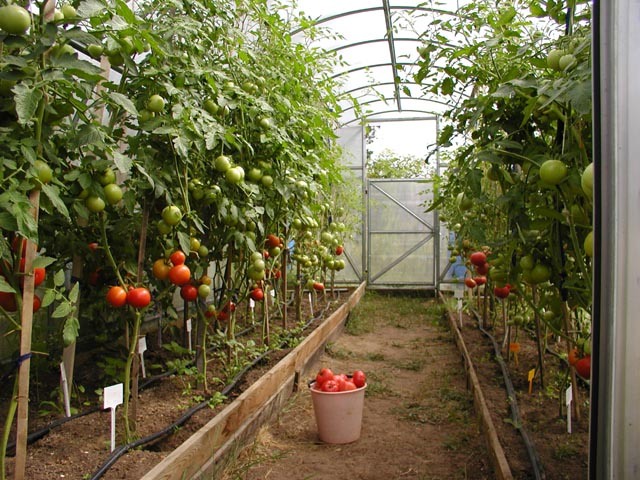
To speed up the ripening process of fruits, mechanical and chemical methods are usually used.
Video: Growing Tomatoes in a Greenhouse
This video will show you how to properly grow tomatoes in a greenhouse.
Pinching out stepsons
This method involves removing lateral shoots that prevent the fruit from ripening quickly. Since shoots can form on bushes at any time during their growing season, it's best to train the bush almost immediately after planting.
Indeterminate varieties of the vegetable are usually trained into a single stem. This requires removing all shoots, leaving only the main stem. The process of new organ growth on plants must be constantly monitored. Shoots should be removed before they reach 0.07 meters in length.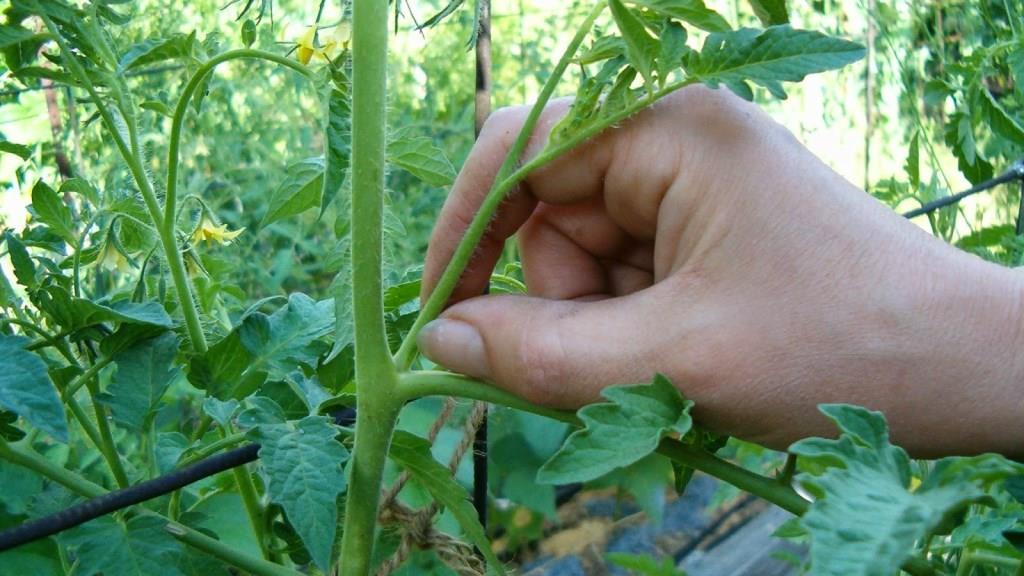
The bush can be formed into two stems. In this case, in addition to the main stem, you should also leave the shoot located under the first cluster.
To form 3 stems, in addition to the main shoot and the one located under the first brush, you also need to leave the lower, strong shoot.
Topping or pinching
This mechanical method involves forcibly stopping crop growth. If left untreated, tall greenhouse tomatoes will continue to grow continuously. Therefore, new fruits appearing on the bushes will slow the development of existing tomatoes. Pinching is usually done in early or late August.
Removing leaves and flower stalks
The leaves and flowers of the plant do not accelerate fruit ripening. They drain the plant of virtually all its energy. Therefore, removing leaves and flowers is essential. The leaves located at the very bottom of the bush should be removed first. These parts are incapable of photosynthesis and only encourage dense growth. The leaves that touch the ground are considered especially useless. Furthermore, these parts can cause harm to the plant, as they act as breeding ground for diseases.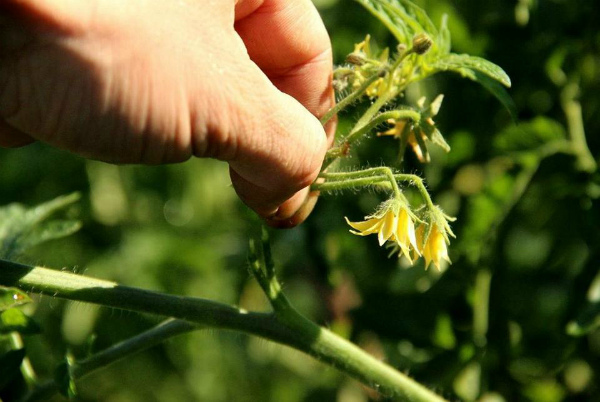
The flowers should be removed in mid-August. Typically, about 8 inflorescences should be left on the plant, as they ripen quickly.
Dietary restrictions
One answer to the question of how to speed up tomato growth is to "fast" the plants sensibly. If done correctly, you can harvest the fruit a week earlier.
To do this, make a cut on the bush stem at a height of about 0.08 meters from the ground. Insert a prepared match into the resulting "wound."
The second method involves severing the plant's root system. To do this, grasp the center of the main stem and gently pull it out of the ground until a distinctive "crunching" sound is heard.
Punctures in the fruits
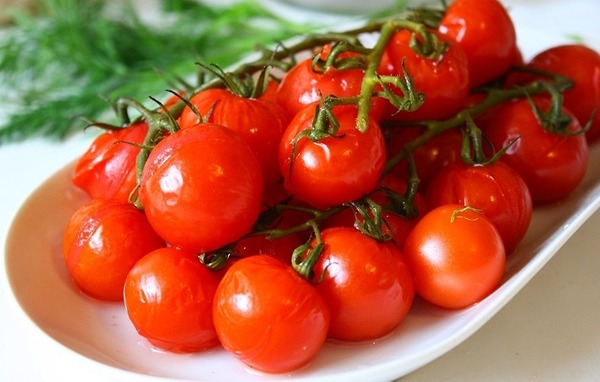
Experienced gardeners have noticed that damaged tomatoes tend to ripen faster. Therefore, you can take a toothpick and pierce each fruit to the center. The tomatoes will heal quickly, but will also ripen much faster.
Ringing of stems
This procedure will not only help you get ripe vegetables faster but will also improve their flavor. This is because photosynthesis will occur from the roots. At a height of 3 centimeters, the stem should be tied with copper wire.
Harvesting brown vegetables
Such fruits drain all the plant's energy. Therefore, tomatoes should be placed in a warm room.
Iodine treatment
This method is one of the most popular chemical ones, thanks to which tomatoes ripen several times faster, even when planted late. Dissolve 40 drops of iodine in a bucket of water and spray all the leaves of the plant with the resulting solution. The water should never be cold.
Feeding with boric acid
It's especially effective during flowering. The substance will help the flowers stay firmly attached to the bushes, and spraying the green parts of the plant with a boric acid solution stimulates pollination.
Use of growth stimulants
Spraying with these substances should be carried out two weeks before harvesting, after the ovaries have formed.
Ripening
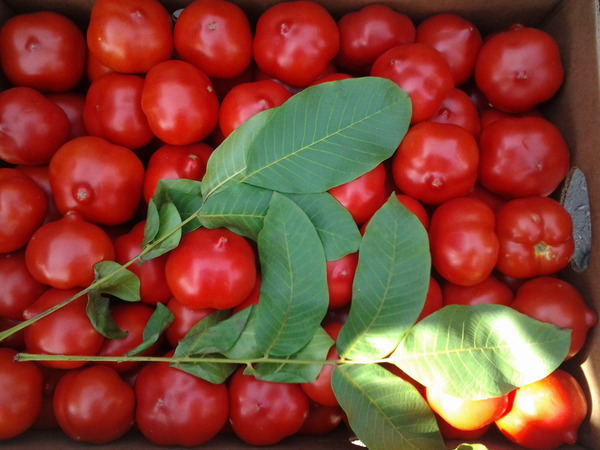
Brown tomatoes are typically harvested, although other vegetables can be used as well. Harvested tomatoes should be spread indoors on straw. Two layers are acceptable. Crates or boxes can also be used for storage. However, such a room should be well-ventilated and have low humidity.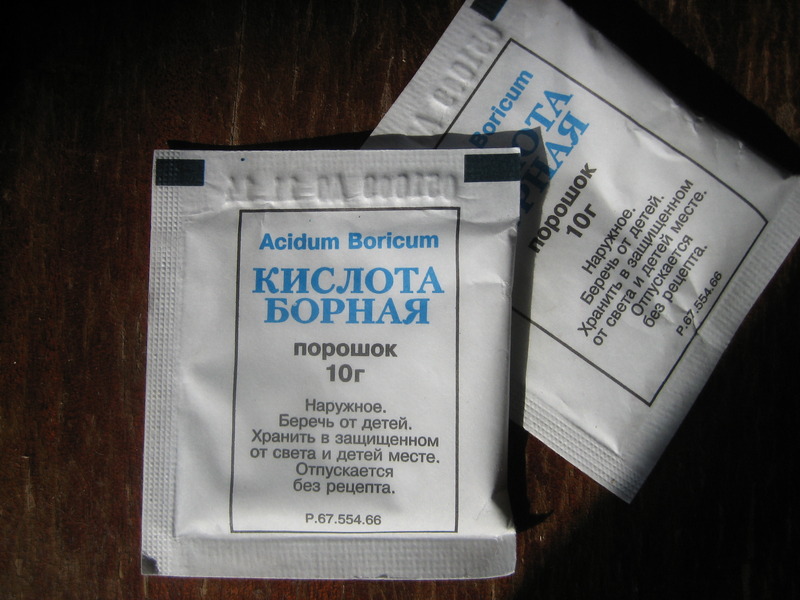
Pre-harvested vegetables can be stored in either the dark or the light. The main thing is to avoid direct sunlight. In the dark, vegetables will ripen slowly but evenly.
Adviсe
When discussing how to speed up the full ripening of tomatoes in a greenhouse, it's worth noting that, in addition to using these methods, it's worth following a number of tips.
If irregularly shaped fruits form on the bush, they should be removed immediately to prevent similarly irregular fruits from appearing in the future. Furthermore, low-growing fruits should be positioned toward the sunny side. Wilted leaves should also be removed.
The mature fruits on the bush can be removed, even if they haven't yet turned red. They will ripen well in a dry place, especially if placed near red fruits.
Air is very important for vegetables indoors. Therefore, regular ventilation is essential for tomatoes. The top of the greenhouse is covered with a special chalky substance or a light-colored sheet.
So, by following all the rules and recommendations, it is not difficult to achieve rapid ripening of tomato fruits.
Video: "How to Speed Up Tomato Ripening"
This video will show you how to speed up the ripening of tomatoes.