
How to water tomatoes in a greenhouse correctly
Content
Features of cultivation
To answer the question, "How often should I water tomatoes in a polycarbonate greenhouse?" you need to know some of the specifics of tomato growing. This vegetable grows best in southern regions, as it thrives in full sun.
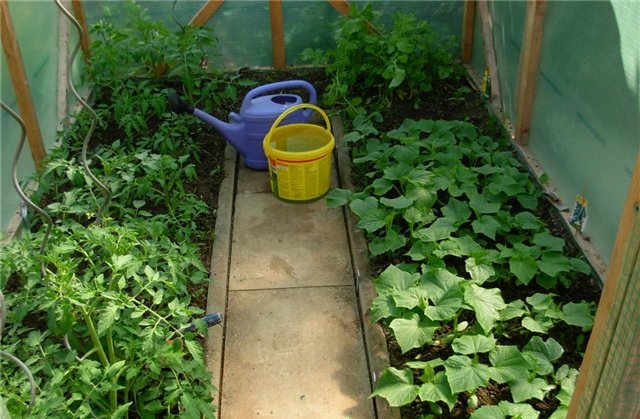
If you're planting tomatoes in temperate or northern climates, polycarbonate greenhouses are best. This will ensure more stable temperatures and humidity during cultivation, protect the seedlings from wind and dew, and prevent excess moisture from entering the soil during rainfall.
Growing tomatoes in a greenhouse will create the right conditions for optimal growth. One of the challenges of growing tomatoes is preparing the planting material. Once the seedlings are planted in the ground, proper care is all that's required to ensure the tomatoes take root more quickly and begin growing more vigorously.
Video: Growing Tomatoes in a Greenhouse
A video about the peculiarities of growing tomatoes in a greenhouse.
Watering
Watering tomatoes in a greenhouse requires considering several factors. This requires watering the seedlings regularly and according to the plant's growth stage. It's also important to determine the most appropriate time for watering, the frequency of watering, and consider the variety of methods available for applying water to the soil.
Watering at different stages of development
It is very important to understand how much water needs to be added to the soil at different stages of tomato growth.
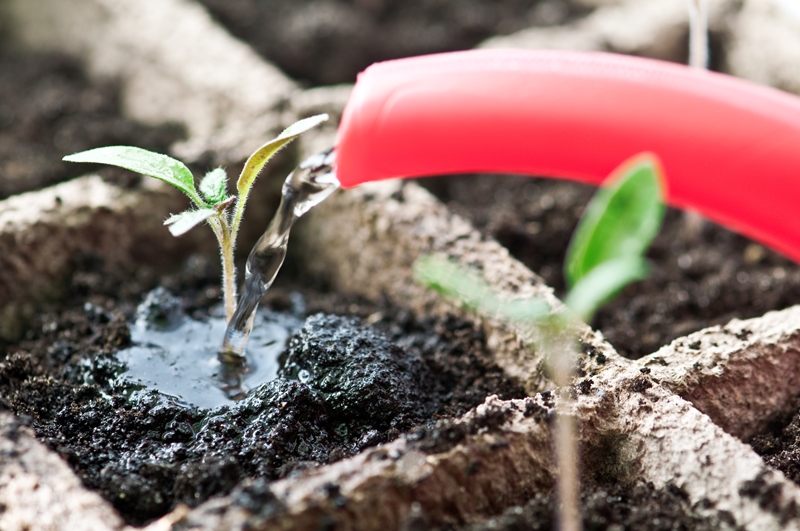
If you don't water the soil after planting tomatoes, there's a high risk that the seedlings won't establish. They will gradually become rootbound, the root system will quickly weaken, and recovery will take a long time. Therefore, it's crucial to provide favorable conditions after planting so the plants can quickly acclimate to the new conditions and begin vigorous growth.
Before planting, it is also advisable to moisten the soil a day before, and apply fertilizer one week before to improve the soil properties.
Tomatoes require the most water during growth, before flowering, when the plant gains more foliage in preparation for fruiting. During fruiting, water requirements will be constant, and much will also depend on the tomato variety. To ensure a good harvest, ensure proper and even watering throughout all stages of growth, as well as constant access to sunlight.
Methods
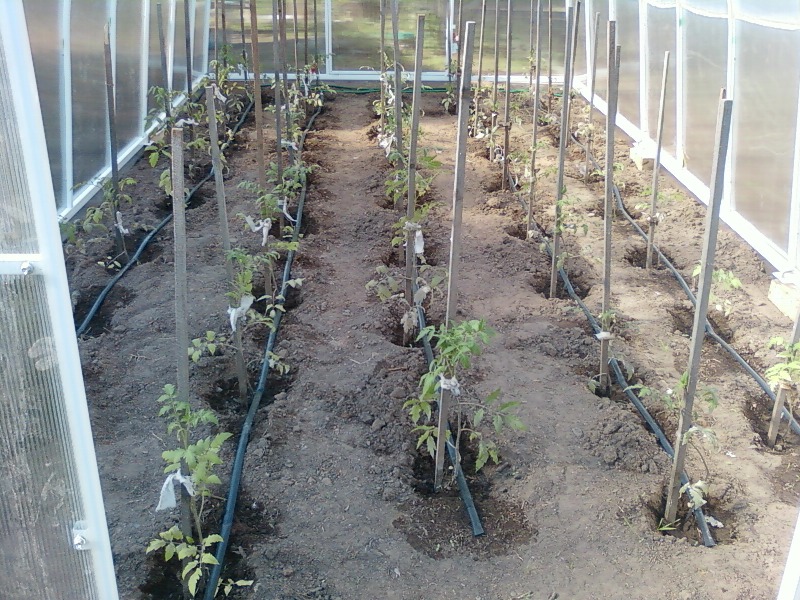
Experienced gardeners know that tomatoes need to be watered at the roots. Avoid allowing moisture to reach the foliage, as this can promote disease. Polycarbonate greenhouses are often equipped with special irrigation systems that prevent cold water from reaching the leaves.
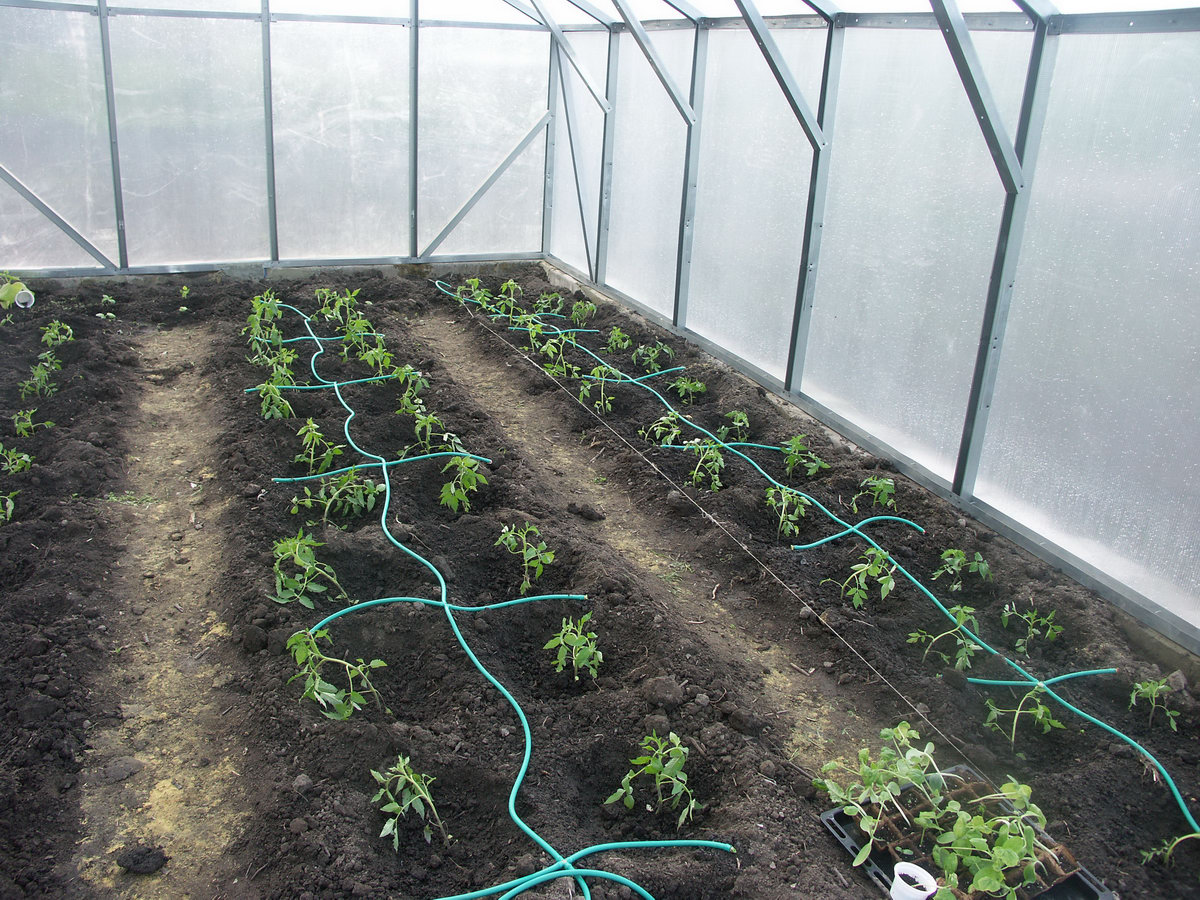
A drip irrigation system is very effective. It allows for a uniform application of cold water closer to the root system. It's also very energy-efficient, as moisture won't fall on bare soil. A drip system also prevents soil compaction during watering, eliminating the need for regular tilling. Experts agree that drip irrigation is the best method. Other systems with similar principles exist.
Mechanical methods are still common. More care is needed when using these methods.
Watering with a hose often produces a strong stream of cold water. This breaks up the soil around the plant, compacting the bottom layer of soil. This will reduce water flow to the roots. A strong stream can also damage the roots, and splashes will splash onto the entire plant. For this reason, be sure to monitor the water pressure. When watering with a hose, it's more difficult to calculate the required volume of water for each tomato plant.
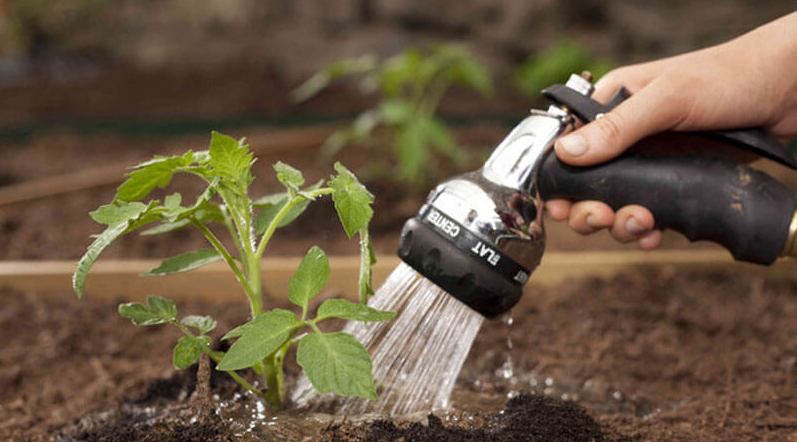
Mechanical irrigation takes significantly more time and requires more energy than others.
When humidity rises in a polycarbonate greenhouse, ventilation is essential. Stale air, which often lingers between tomato rows, directly impacts crop growth.
Periodicity
After planting the seedlings in the ground, water them frequently—on average, 4-5 liters per plant is sufficient. After this, you can wait about 10 days before watering again. During this time, the seedlings should establish themselves and adapt to the new conditions.
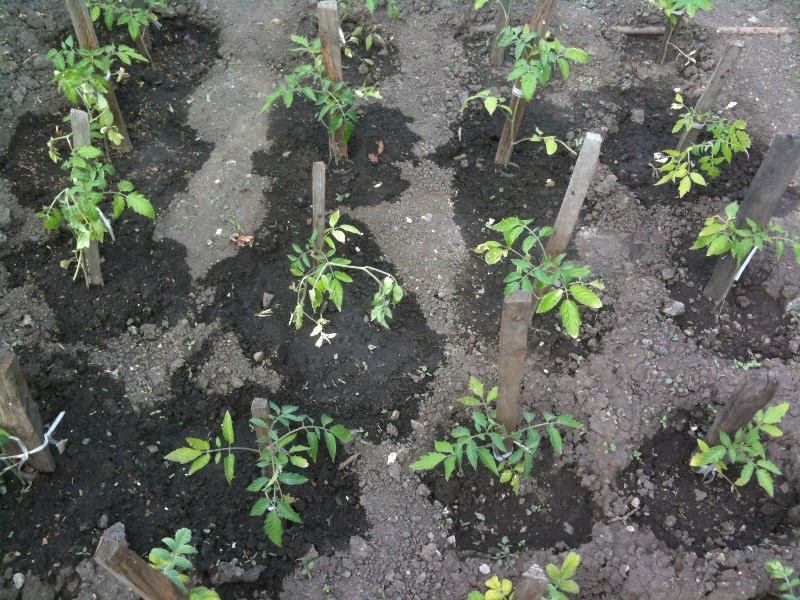
Then, water the seedlings as the top layer of soil dries, loosening it periodically. Typically, you need to water 3-4 liters per plant every 2-3 days. Other factors should be taken into account. In hot weather and low humidity, you can add more water, and it's advisable to increase the frequency. It's important to avoid overwatering, as this can cause the plants to rot.
Once the tomatoes begin to set and ripen gradually, it's enough to limit watering to twice a week. It won't require much water, but it should penetrate the soil to a depth of 20 centimeters. At this point, sunlight is more important to allow the tomatoes to fill out and ripen faster.
With proper watering, you can achieve a good harvest at the end of the season.
The best time for watering
To water properly, it's important to choose the most appropriate time. Early morning or evening at sunset are ideal. This is because the sun won't dry out most of the moisture entering the soil.
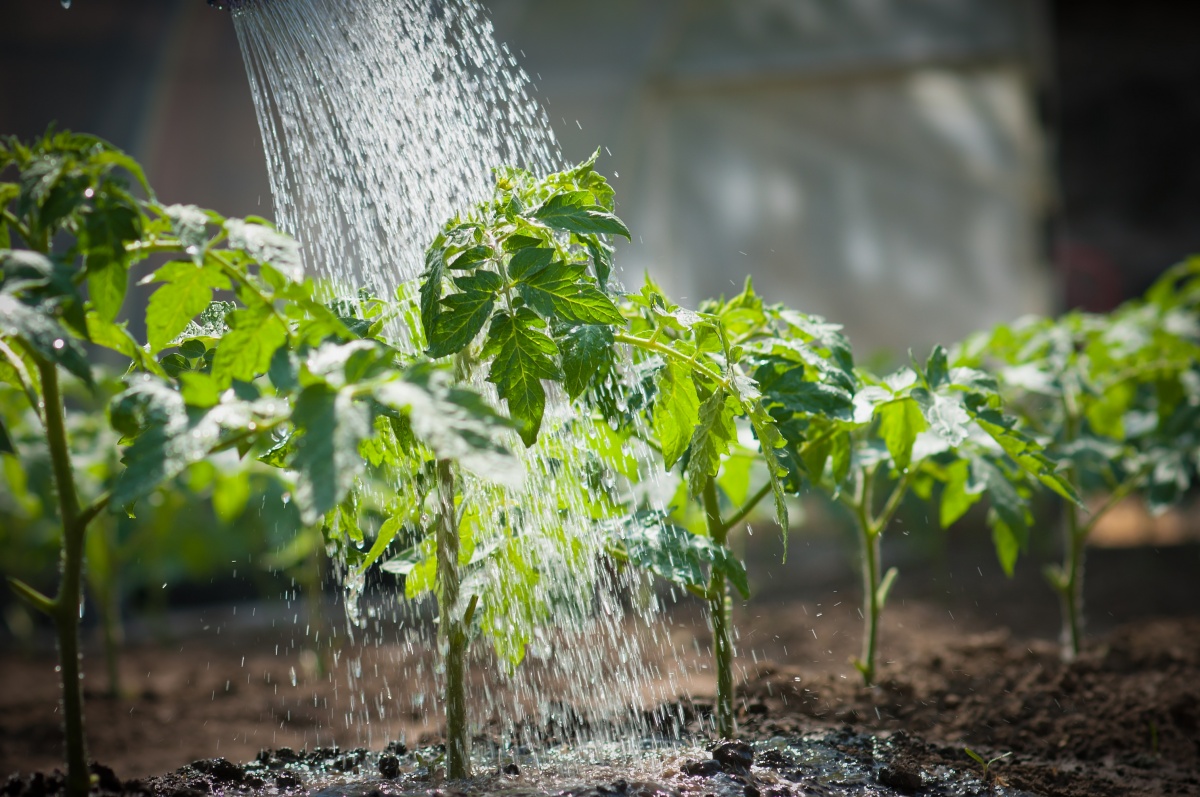
When growing tomatoes in a polycarbonate greenhouse, watering time isn't critical. You can determine this immediately after planting the seedlings in the ground to ensure proper and timely watering in the future.
Lack or excess of moisture
Tomatoes are moisture-loving plants, but they tolerate drought, which is very common in summer. Beginning gardeners should know that young seedlings need to be watered more frequently and more generously than during ripening. You can tell whether the soil is well-watered by the seedlings' appearance.
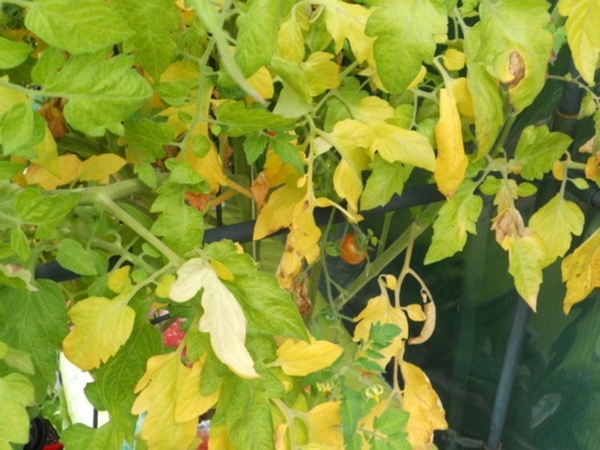
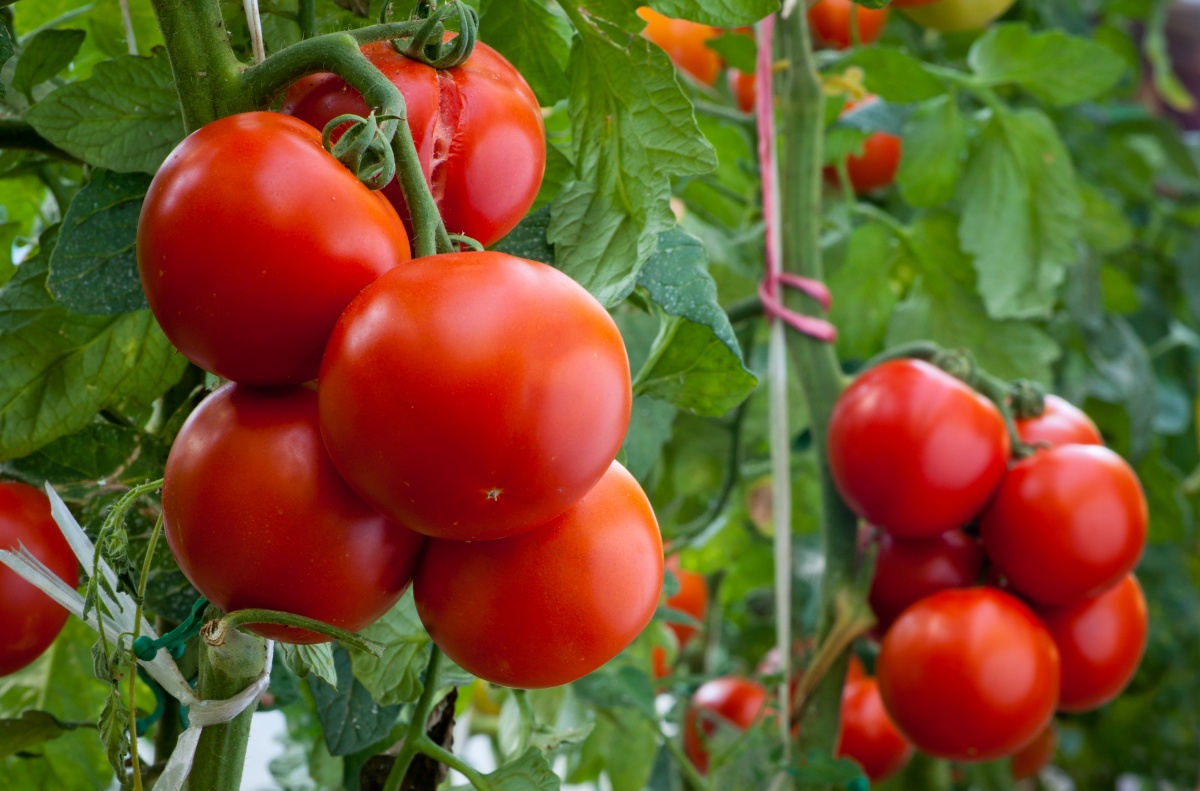
If the tips of the upper leaves on the bushes begin to dry out and curl, this means that there is not enough moisture. Therefore, urgent watering is necessary, and additional fertilizer may be added to the soil. If signs of rot appear on the lower part of the stem or foliage, stop watering or reduce its intensity. When tomatoes begin to ripen, if there is too much moisture in the soil, they will begin to crack.
Also, a large amount of cold water near the root system can lead to the development of late blight on seedlings, which can lead to the death of the entire crop within a week.
Video: Watering Tomatoes in a Greenhouse
A video on how to properly water tomatoes in a greenhouse.