
How to tie up tomatoes in a greenhouse: the best methods
Content
Why do tomatoes need to be tied up?
Anyone wanting to grow tomatoes should first understand how to tie up tomatoes in a greenhouse. Staking tomatoes is a simple task. It involves securing the stems and branches of the bushes to a support using rope, fabric strips, plastic loops, and other suitable means.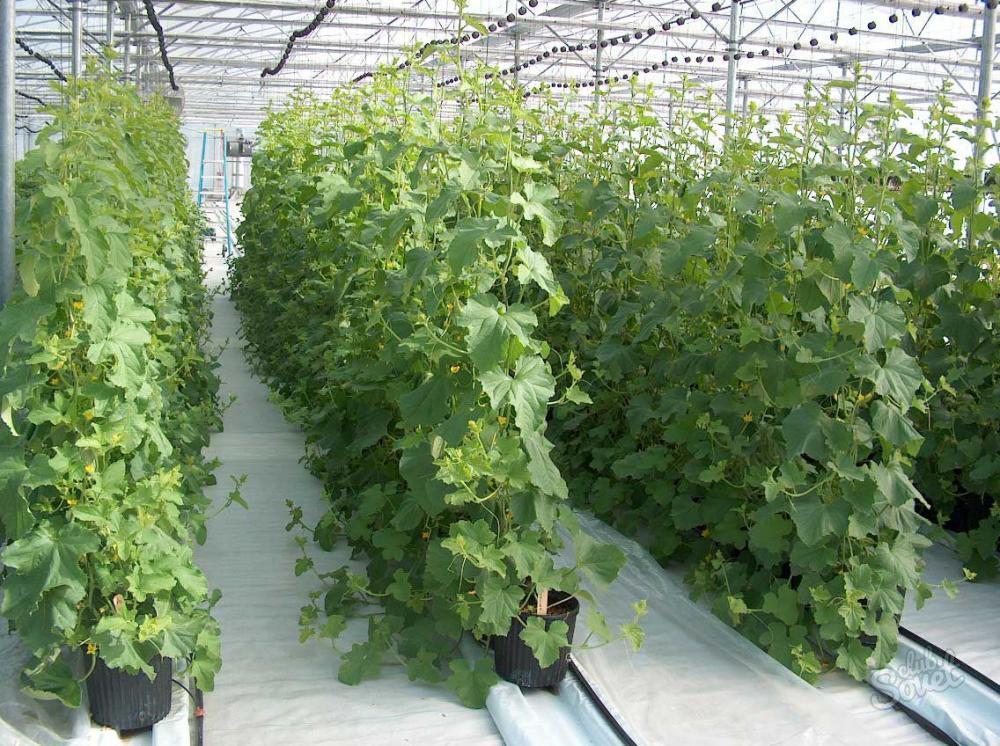
Typically, greenhouse tomato staking is done after pinching out side shoots and fruit set. Once the plants have grown sufficiently, the process should be repeated. Some varieties, naturally low-growing, do not require staking. These vegetables are typically quite compact, so they are often grown in protected soil.
Branches bearing fruit should be tied in a couple of places. Avoid tightening the knots, nor should the plant parts be secured too close to the support. If necessary, the tie can be easily removed and the vegetable bush can be tied in other places.
Video: "Why Stake Tomatoes?"
In this video, experienced gardeners will reveal the secrets of why garters are needed and how to do them correctly.
Methods of tying up tomatoes
What are the different ways to support tomatoes in a greenhouse? Experienced gardeners have come up with a variety. The choice of method depends on the plant's height, its fertility, and the type and structure of the greenhouse. Before transplanting young seedlings, it's important to decide on a scheme. This will make the maintenance process much easier and also prevent damage to the plant's organs.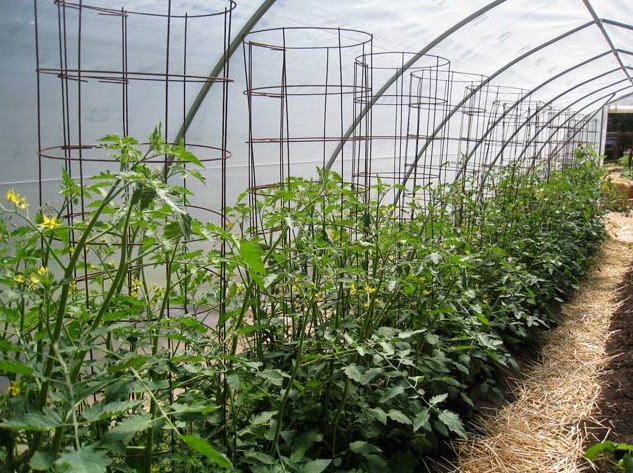
So, you can use a wire frame to tie up tomatoes. However, this method is only suitable for determinate, low-growing varieties whose bushes have only produced a few fruits. A wide tube is created from a large-mesh metal mesh, which is lightly covered with soil and then wrapped around the tomato plant. Both stems and branches with fruiting ovaries can be easily attached to this base. A positive feature of this type of plant is its portability: the structure is easy to move from one place to another. The disadvantage of metal mesh is that it is difficult to pick ripe fruit from.
Vegetable specimens can be either tied or secured to the support with special plastic clips. The plant can also be connected to the support by threading the shoots through the mesh.
Using a trellis is an excellent option for branched bushes. A trellis is a structure made of wood or plastic. A rope trellis can be constructed at home, but it's not very strong. It's also worth noting that the structure must be secured very securely to support the fruit once it's fully formed.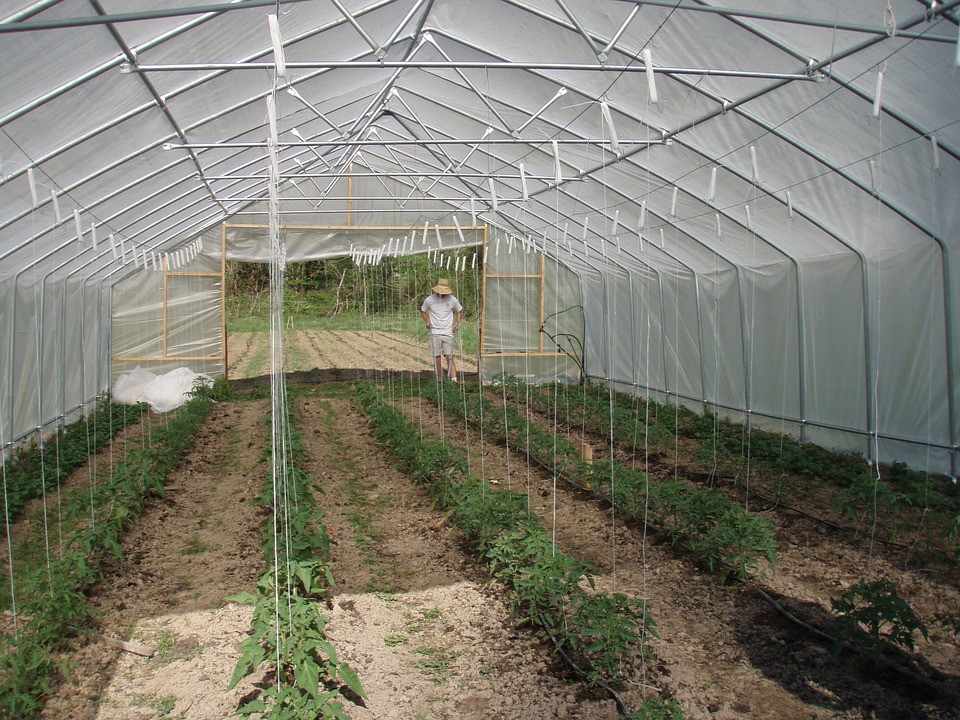
A simple trial and error approach will help you choose the ideal staking method for your specific situation. Pre-fabricated structures are more expensive, but they can be used for several years without additional equipment. Such supports are easy to use for attaching not only tomatoes, but also cucumbers, eggplants, and other tall crops. Portable, non-permanent staking is ideal for trial growing a variety of vegetables in a greenhouse.
What to tie it with
Various materials can be used to support crops and tie them up: wooden stakes or long metal rods, wire, strong twine, hooks, and tying fabric that will touch the plants. The fabric should be extremely strong and reasonably wide.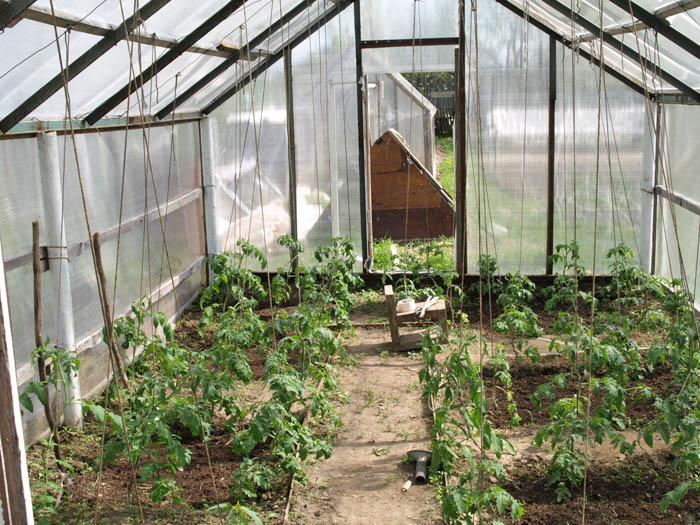
Thin wire, fishing line, or twine should never be used for this procedure. They will dig into the plant's flesh and tighten the string, ultimately leading to its death.
The best option is fabric cut into strips up to centimeters wide. Bedsheets or old bedding work well as raw material in this case. Many people use nylon tights or stockings for this purpose. A significant advantage is their reusability.
However, before using last year's staking material, it must be treated with boiling water or washed with laundry soap. This will help kill pathogens that cause tomato diseases. Otherwise, there is a significant risk of losing the entire harvest.
While you can certainly make your own supports, buying ready-made ones is much easier and quicker. Reusable plastic supports are now available that provide excellent support for fruit clusters. These devices are affordable and will last for years.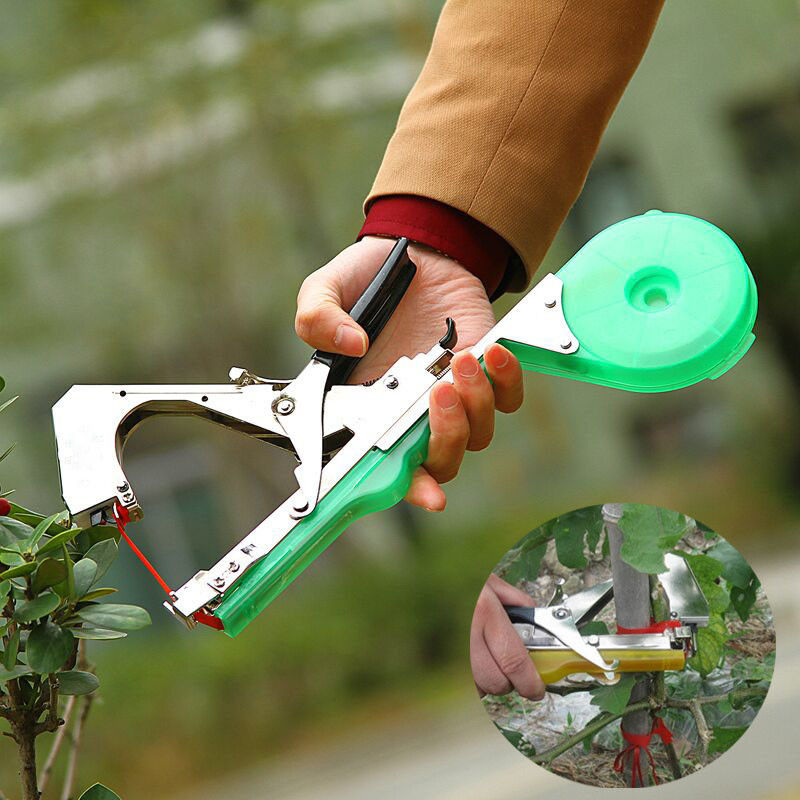
If you grow tomatoes for sale, meaning you have a lot of them in your greenhouse, you can purchase a special device called a tie. It works like a stapler, encircling the support and the greenhouse vegetable with a ribbon. This device is most often used by grape growers.
How to tie up
How to properly tie up tomatoes in a greenhouse? This is a question many people ask. After all, properly done, the procedure is beneficial for the vegetable. Tomatoes don't react well to water getting on their stems and leaves. A tied-up tomato, however, doesn't have to worry about this, as the plant stands upright, so you can water it at the roots.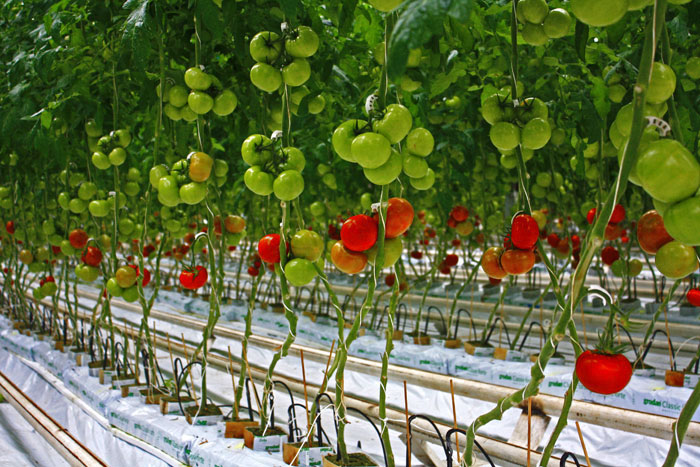
This procedure will not encourage rot or disease. Furthermore, properly supported plants facilitate fruit set, and the "suspended" vegetables are easy to harvest. Plants attached to supports are less susceptible to late blight and are also resistant to slugs. Branches, even with large numbers of fruits, do not break. Supported plants receive ample light, which stimulates ripening of the vegetables. This also significantly simplifies crop care.
Tying the plant to a support using individual stakes is the simplest and most accessible method. Metal rods, pieces of rebar, or regular wooden slats are typically used as supports. The stakes should be 0.25 to 0.3 meters longer than the height of the bush. The stakes are usually driven into the ground to this depth.
Next, the plant stem is wrapped in slinging fabric, and the ends are crossed or twisted and tied to the support. The same procedure is performed for the fruit clusters.
It's worth noting that this option is only suitable for medium-sized vegetable varieties. A disadvantage of this method is the need to repeat the procedure throughout the plant's growth period.
A more complex but more reliable method of tying plants involves using trellises. Long stakes are driven into the soil along the bed at regular intervals. Wire or twine 0.35–0.4 meters long is stretched between the supports.
The plant's stems and branches are secured to wire on both sides using a weaving pattern. Heavy clusters and fruit ovaries are usually attached with hooks.
The advantage of this method is that the bush doesn't necessarily need to be trained into a single stem. Several shoots can be developed at once, which will increase the yield. This advantage is especially useful in protected soil conditions, where the temperature regime allows the vegetable to grow even after the onset of cold weather.
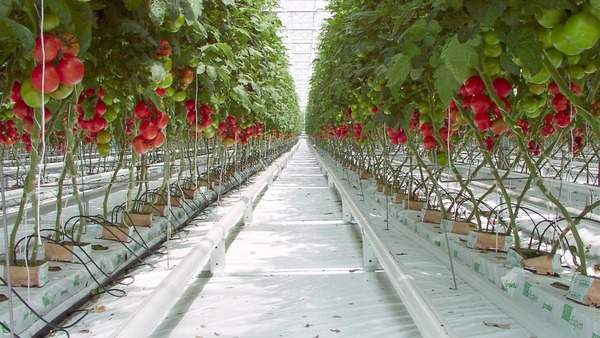
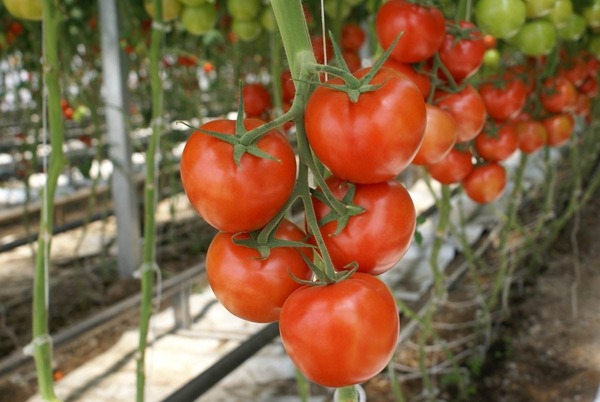
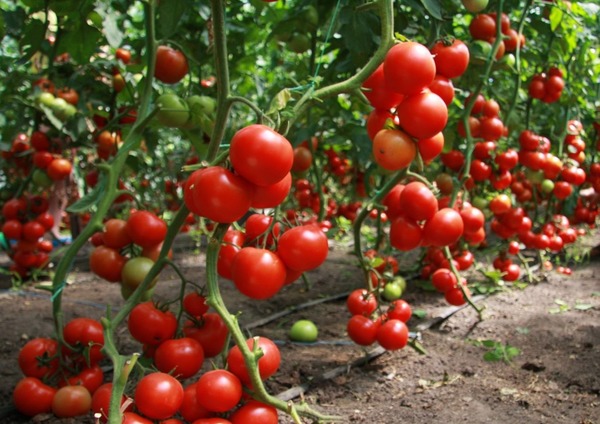
So, what should you do to grow and harvest a superb tomato crop? The answer is simple: grow seedlings, transplant them into the ground, and provide them with proper care, an important component of which is staking the plants.
Video: How to Properly Stake Tomatoes
In this video, experienced farmers will explain how to tie tomatoes in a greenhouse without harming the plant.