
How to tie up tomatoes in a polycarbonate greenhouse: the best options
Content
Why tie it up?
The key to performing any action correctly is understanding why it's being done. Therefore, before you begin staking tomato plants, you need to understand why you're doing it in the first place. Staking tomatoes in a greenhouse is done to prevent them from falling to the ground. They often crack when they hit the ground. Such tomatoes are no longer suitable for cooking or canning.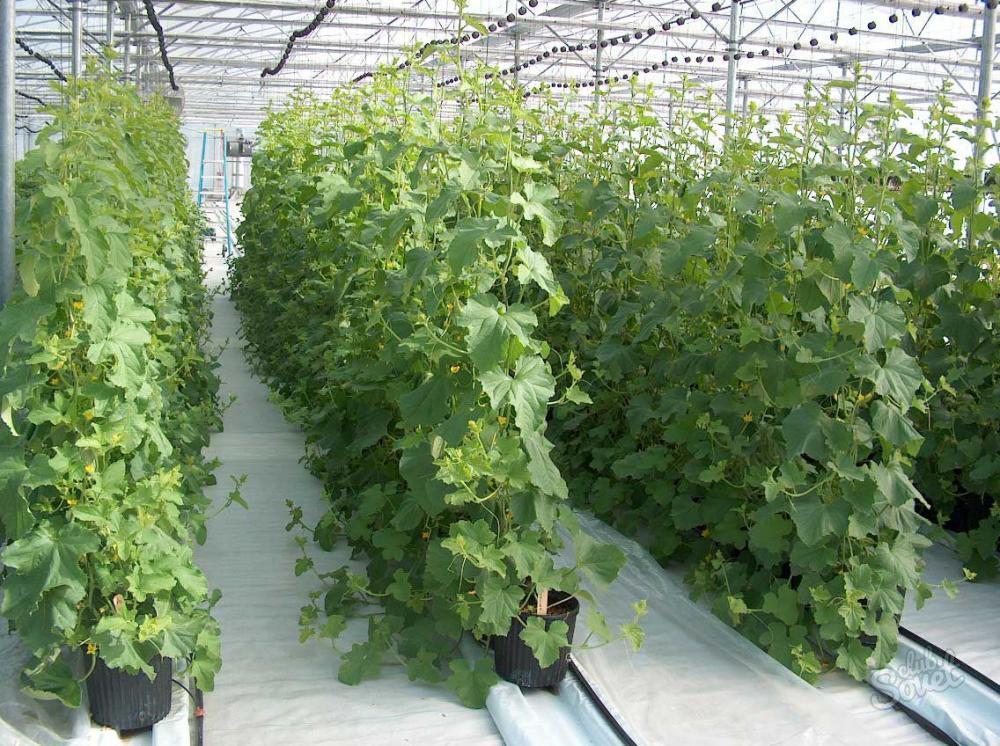
It's important to understand that not all varieties of this crop require staking. This procedure is not necessary for low-growing varieties. They have a strong, short main stem, the shoots of which are capable of supporting the weight of the harvest. When growing tall tomato varieties, staking is the key to abundant and high-quality fruiting.
Tomatoes are staking in a greenhouse to prevent damage to the main stem under the weight of the developing fruit. This is accomplished by using a support to which the plant itself is tied.
Additionally, staking reduces the risk of tomato damage from pests, which can occur if the vegetables remain on the ground for a while. It's worth noting that staking simplifies both planting and harvesting.
Video: "Staking and removing side shoots from tomatoes"
This video will tell you why you need to tie up and pinch out tomatoes.
What materials are used?
When tying up tomatoes grown in greenhouse soil, experts recommend using natural and organic materials. For example, natural twine is an excellent choice. Avoid skimping on synthetic materials, which, unlike natural ones, can be reused multiple times. Synthetics will negatively impact fruiting and plant development.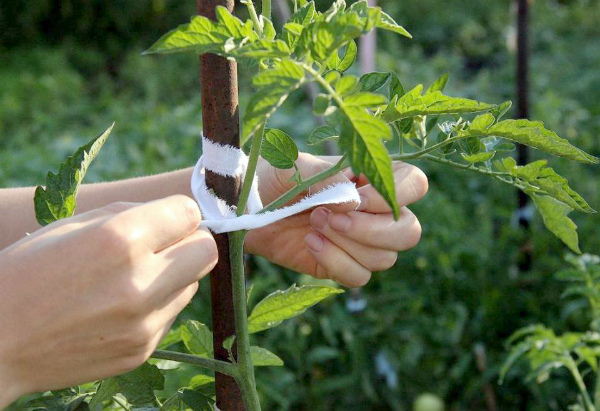
To quickly and effectively tie up plants, you need to prepare the following materials:
- Metal rods. Wooden beams with a dense structure can be used instead;
- Long pieces of fabric, twine, nylon tights, and bandages are all suitable. Other natural materials can also be used. For example, old sheets can be torn into ribbons. The optimal width for ribbons is 4-5 cm.
Avoid using synthetic fishing line or thin ropes. They will press down on the stem as the bush grows, resulting in reduced fruiting.
If the rope is reused (not recommended), it must be sanitized. The straps can be boiled or soaked in a disinfectant solution.
Methods of tying
Many novice gardeners don't know how to tie up tomatoes in polycarbonate greenhouses. Here's how to do it:
- First, the bushes are pinched out;
- Next, prepare the materials. The selection of materials depends on the chosen tying method;
- supports are being installed;
- The garter is applied directly, after which the plants are watered.
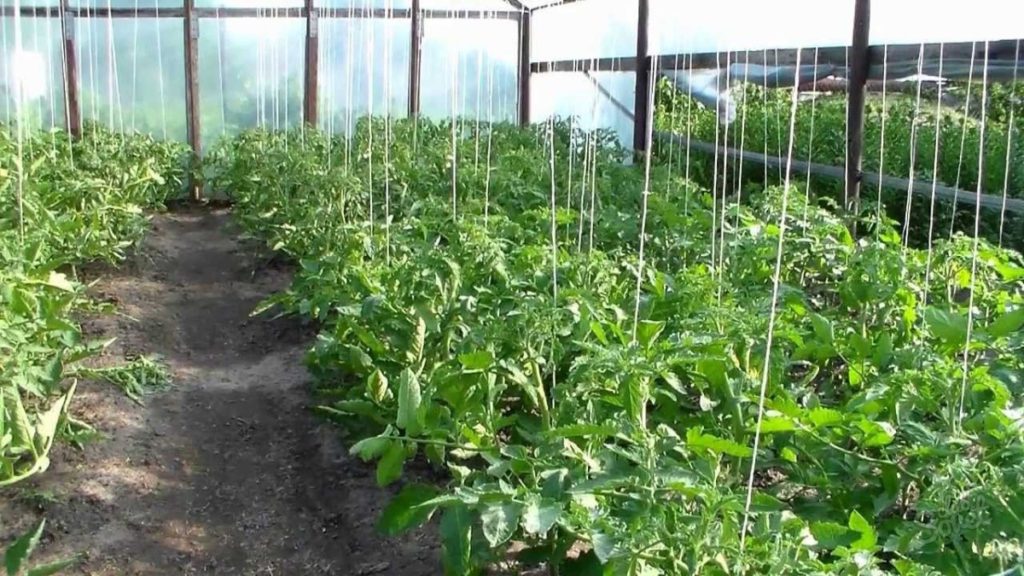
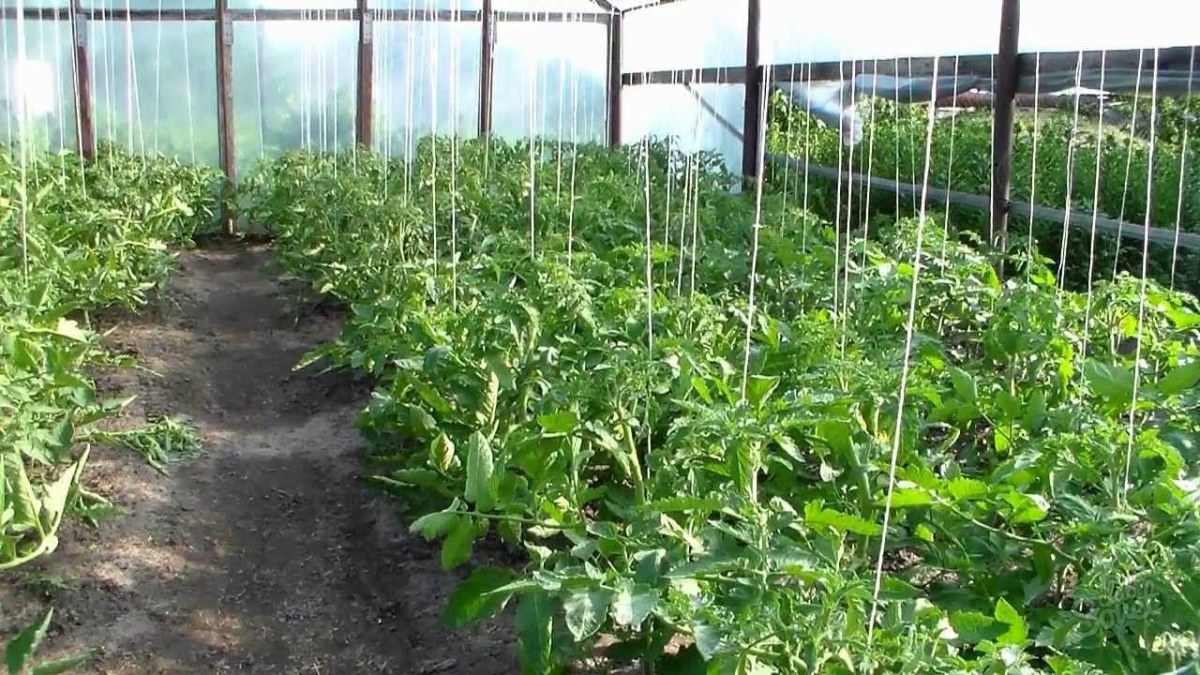
The procedure is identical whether it's performed in a greenhouse or outdoors. Tomato staking can be accomplished in the following ways:
- Using stakes. The optimal height for the stake is 1 meter. A fabric ribbon or rope should be used. The stem is secured at the very top. To do this, simply wrap the rope around it a few times. The ribbon should be tied in a tight knot.
- Linear method. Here, two wooden beams are used as a support system. The beams are chosen to be more than 5 cm wide. The beams are connected at the ends with metal wire. A rope running from the tomato plants is tied to this wire. The twine should be wrapped around the stem several times, after which it is secured with a relatively loose knot. This method eliminates the need to re-tie the plants as they grow.
- The trellis method. This is the most difficult to implement. Special structures (trellises) must be installed along the entire bed. They are made of wooden or metal rods. Wire or twine should be stretched between the rods, spaced 30 cm apart. The structure should be the same height as the bushes. This method allows the plants to retain several side shoots.
-
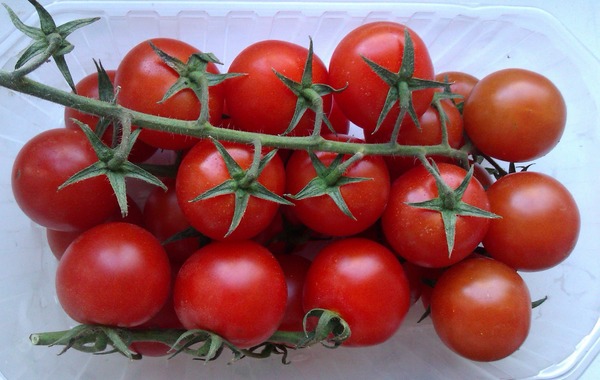
Each gardener decides for himself which garter method to choose.
Adviсe
To ensure successful tying of tomatoes in a polycarbonate greenhouse, follow these tips from experienced vegetable growers:
- You should begin tying up the bushes when the main shoot begins to bend in the ground. Avoid allowing the bushes to become severely deformed;
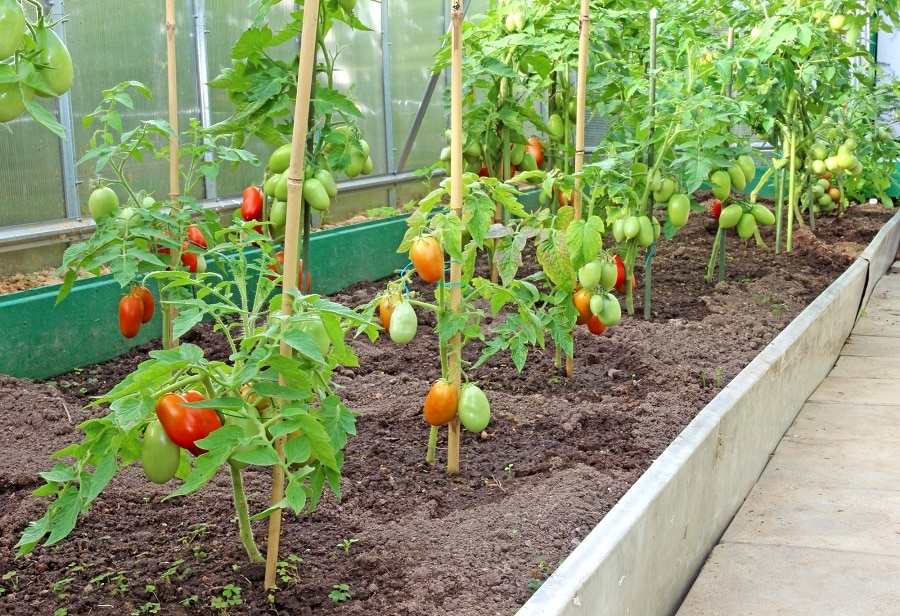
- Avoid tying plants to a support system using a figure-eight pattern. Otherwise, you may miscalculate the force and over-tighten the stem.
- It's important to tie up not only the base but also the fruiting clusters. This minimizes the risk of fruit damage.
- Stake supports should only be used if the shoots are no more than 50-80 cm tall. If tall varieties are grown, trellises should be constructed. In this case, the effort will be rewarded with abundant and delicious fruit.
After the above steps, tomatoes should not touch the ground. Otherwise, there is a risk of infection with pathogenic microflora.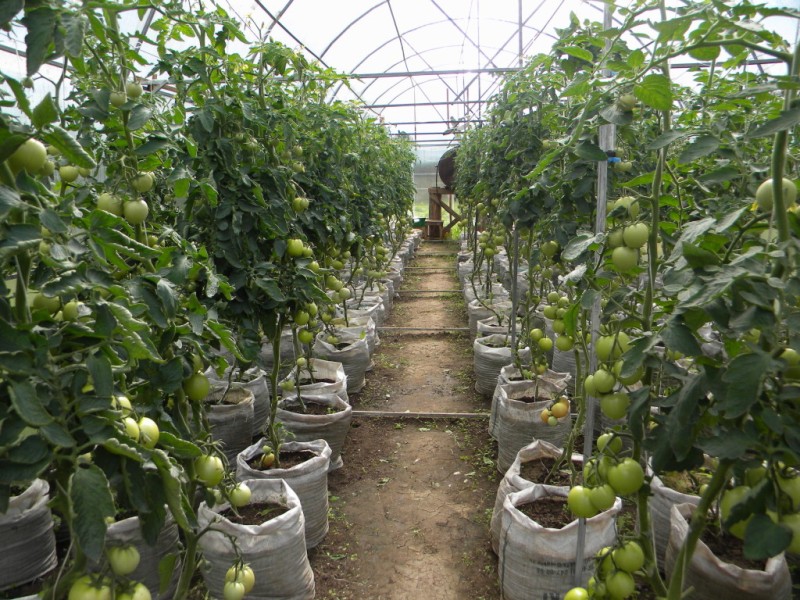
As we can see, staking tomatoes in a greenhouse is an important part of plant care. It can significantly improve the quality and quantity of the harvest. But to achieve this, all necessary steps must be performed correctly.
Video: "How to tie up tomatoes"
This video will show you how to tie up tomatoes in a greenhouse.