
A promising hybrid variety, Verlioka: description and characteristics of the tomato
Content
Description of the variety
The Verlioka Plus hybrid is a more advanced version of the well-known "Verlioka" variety. Both tomatoes share common varietal characteristics. They differ in only three key areas:
- Verlioka plus, unlike its indeterminate two-meter “relative”, is a semi-determinate (medium-sized) tomato, reaching a height of no more than 1.5 m;
- the new hybrid ripens a little earlier, in 105-110 days, but in good greenhouses the first harvest can be collected after 95 days;
- The fruits of the improved hybrid are larger than those of the main variety, their average weight is 130 g, while the fruits of "Verlioka" weigh 60-100 g.
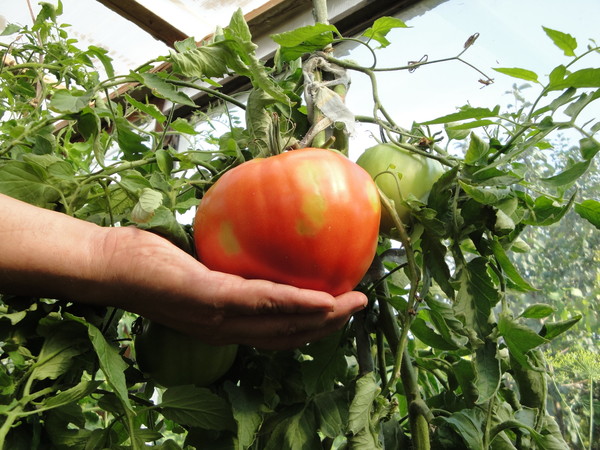
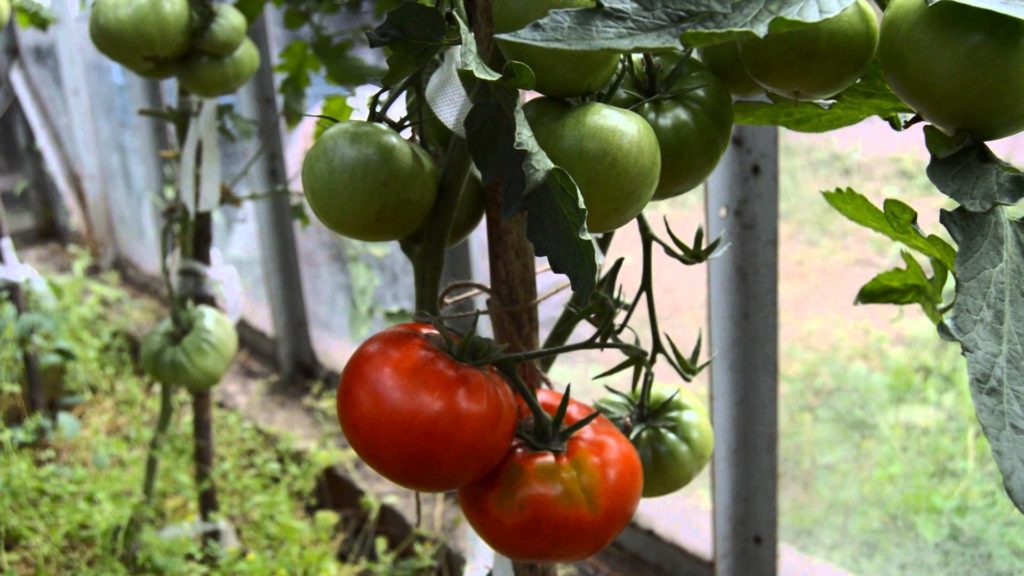
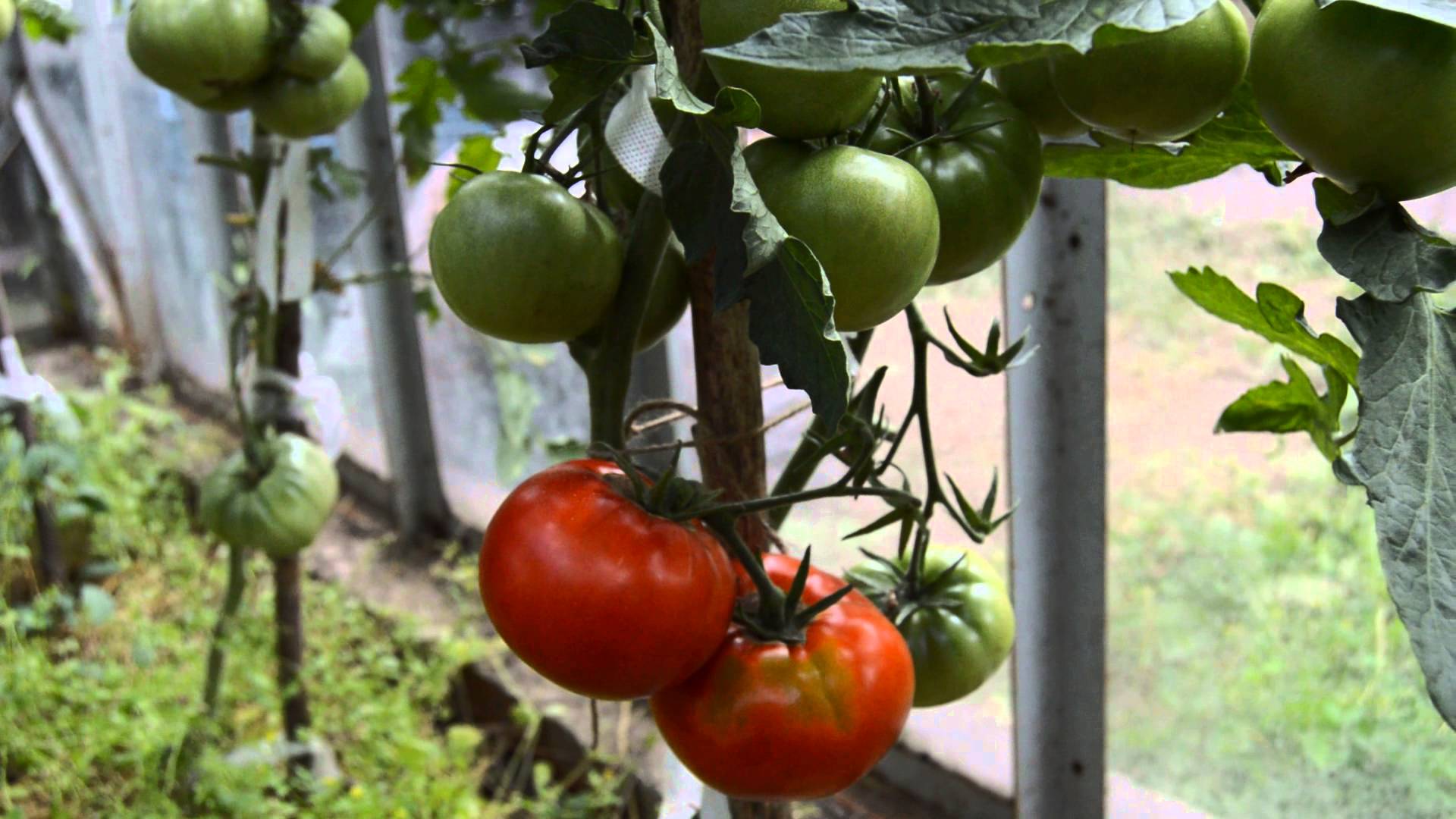
The Verlioka Plus hybrid has compact bushes, is characterized by slow growth and moderate vegetative mass formation. The leaves are large and a rich, dark green. Fruit clusters, with 6-10 ovaries each, are densely located on the stems - during the ripening period, the bushes are literally hung with bright, uniformly sized tomatoes.
The fruits are medium to large (100-150 g), flattened and round, with slight ribbing near the stem. The skin is thin but very dense, allowing them to be stored and transported well and to resist cracking during cooking. The tomatoes have a rich, slightly sweet flavor. The flesh is firm, quite sugary when fully ripe, making it suitable for dietary and baby food. The fruits ripen uniformly, simultaneously. The yield is high – up to 20 kg per 1 m² of area, or 4.5-5 kg per bush.
Video "Review of High-Yielding Varieties"
From the video you will learn about interesting tomato varieties.
Origin and application
The Verlioka Plus hybrid is a domestic product developed by Russian breeders based on the proven Verlioka F1 variety. This tomato is intended for greenhouse conditions, but many gardeners achieve an equivalent yield when planted outdoors under plastic cover.
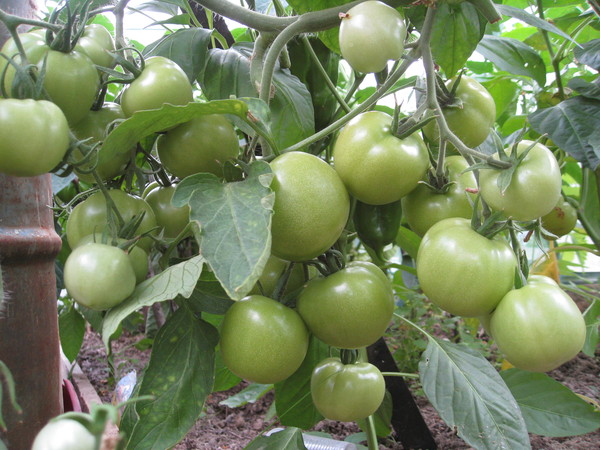
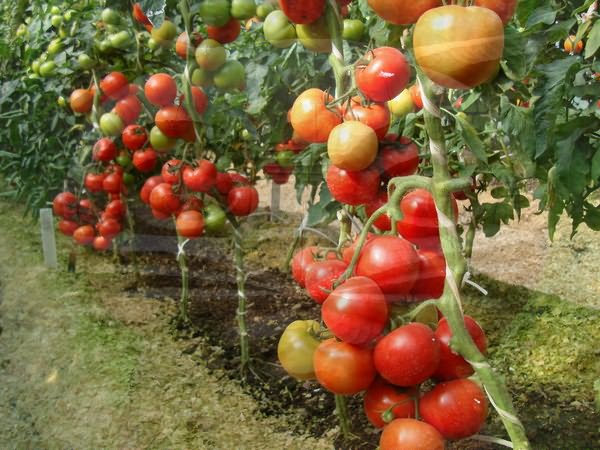
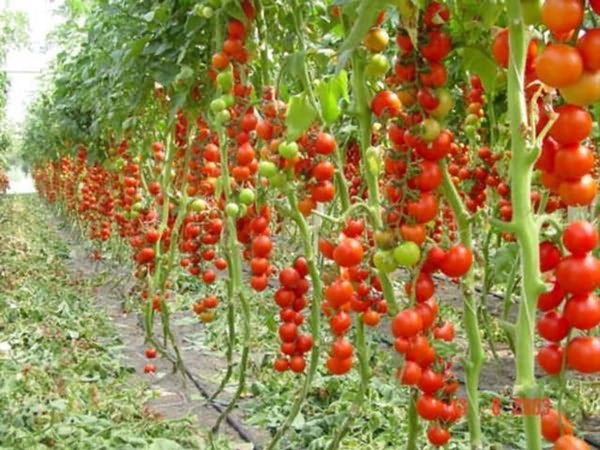
The fruits store well. They can be picked from the bush when they reach technical maturity, after which they ripen successfully at home. Tomatoes of this variety are versatile—suitable for absolutely any occasion: a variety of salads, appetizers, hot dishes, canning, pickling, and stuffing. They make excellent sauces, juices, pastes, ketchups, and other healthy preserves.
Advantages and disadvantages
The variety's positive characteristics are created by its multiple advantages:
- good taste of tomatoes at the stage of full maturity;
- early fruiting;
- simultaneous ripening and 100% yield;
- high productivity of the variety;
- excellent presentation of tomatoes (uniform size, even shape, bright, uniform color, shiny skin);
- possibility of early cultivation for commercial purposes;
- good preservation and transportability of fruits;
- resistance to temperature changes, temporary drought and the main diseases common to nightshade crops;
- versatility of fruit use.
The variety has no significant drawbacks, if you do not take into account the need for shaping, which slightly complicates the care of tomatoes, and the dependence of taste on the presence of nutrients in the soil.
Features of cultivation
Tomatoes of this variety are grown from seedlings. For planting, it is recommended to use good 1- or 2-year-old seeds, soaking them in a growth stimulant for 12 hours before planting. The best time to sow the seeds is from the second half of March to mid-April. The seedlings are transplanted into the garden when they are two months old.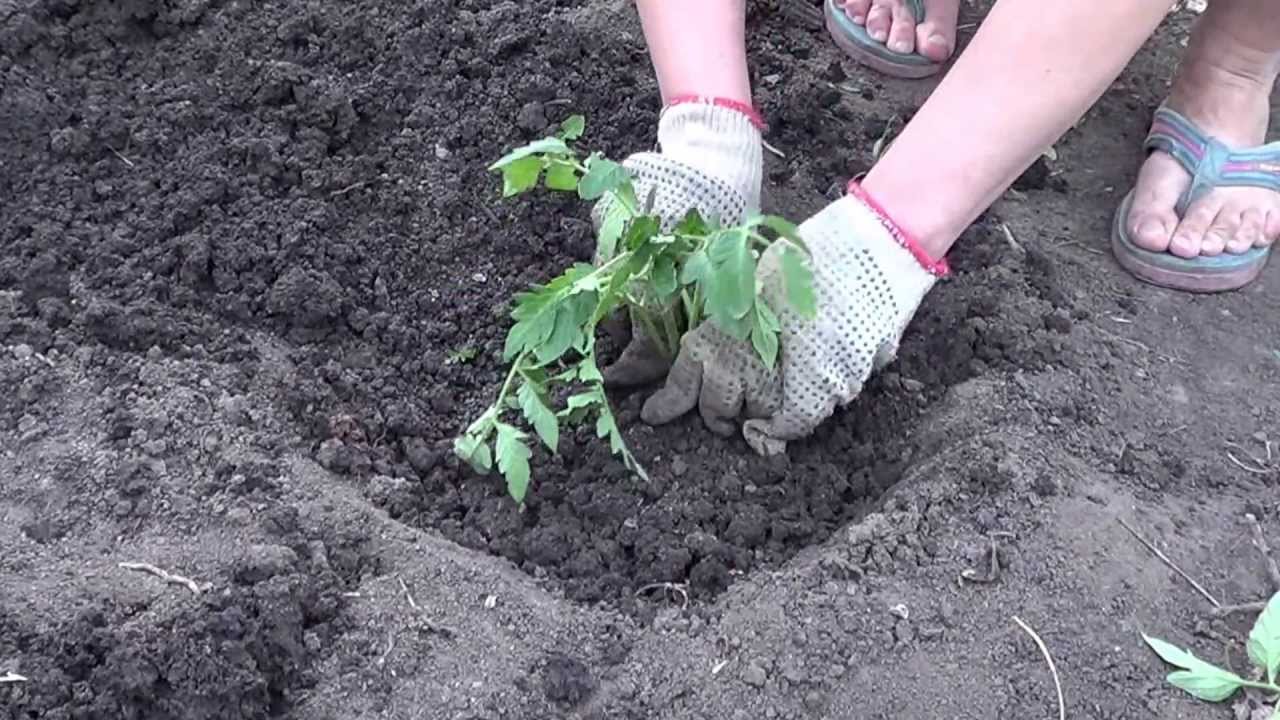
Tomatoes thrive in fertile soil. A mixture of equal parts garden soil, humus, and peat is suitable as a seedling substrate. Just before planting, you can add a little ash or superphosphate. The greenhouse soil into which the seedlings will be transplanted should be more fertile. It should be dug deeply, and supplemented with humus or compost (0.5 buckets per 1 m²) and wood shavings. Very acidic soil (pH 7 or higher) should be leveled with lime.
Seedlings are planted in greenhouses according to a pattern: 45-50 cm apart and approximately 0.8-1 m between rows. When growing in a greenhouse, special attention should be paid to air and soil humidity. Tomatoes require regular watering for good development, but overwatering immediately negatively impacts plant health, leading to the development of fungal diseases and intensive growth of foliage at the expense of fruit cluster development.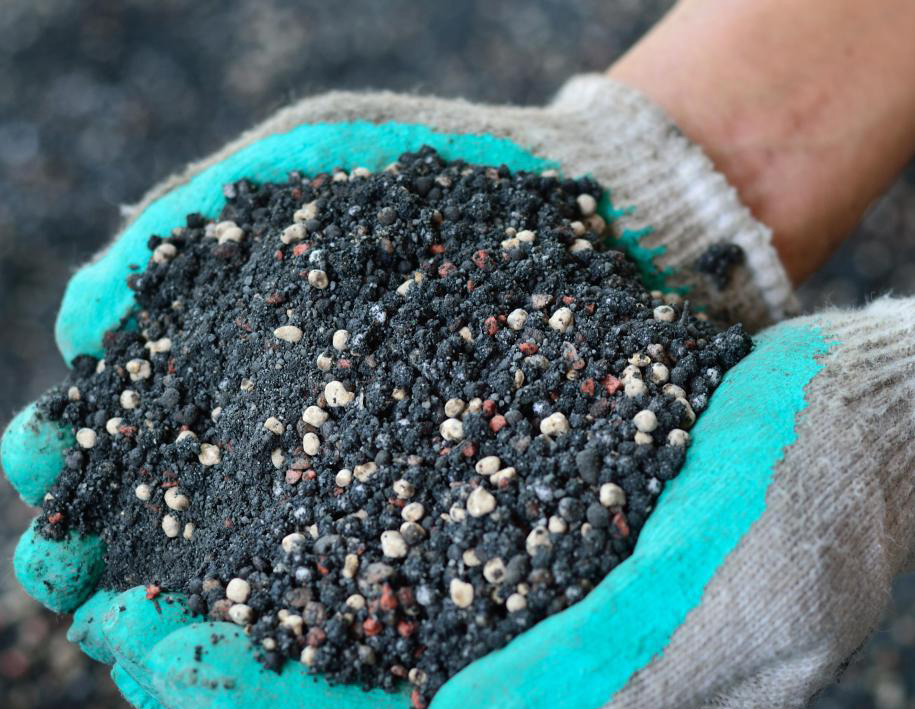
To avoid this, water frequently but in small amounts, using warm, settled water, and ventilate the greenhouse daily. Fertilize tomatoes 3-4 times per season, alternating mineral fertilizers (superphosphate, potassium salt) and organic fertilizers (liquid manure, mullein). Another important procedure is bush formation. Initially, the bush is formed into a single stem, but after the fourth cluster has formed, the stem is pinched and a single upper shoot is allowed to develop – this formation allows for maximum yield.
Diseases and pests
This variety has good immunity to many fungal and viral diseases, including fusarium, cladosporiosis, and tobacco mosaic. However, young plants and seedlings are sometimes affected by blackleg. Saving diseased plants is extremely difficult, so efforts must be made to prevent the disease from occurring. The best preventative measure is wood ash, which should be applied to the soil before planting.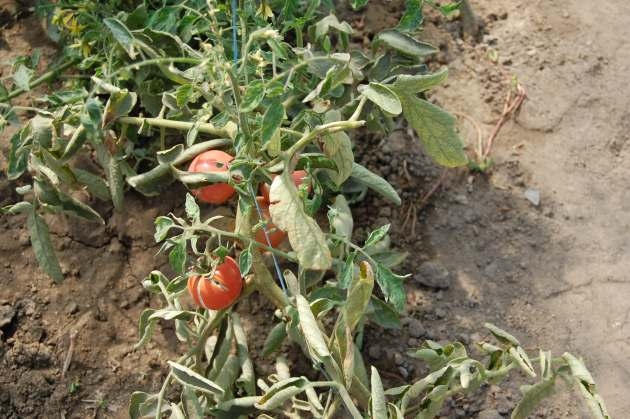
Dusting the bushes with ash will help prevent another disease common to greenhouse tomatoes: blossom-end rot. This variety of tomato is rarely affected by late blight, but if it does occur, the plants should be sprayed with a copper-containing fungicide (copper sulfate, Hom, or Bordeaux mixture). To prevent fungal diseases, regularly ventilate the greenhouse and adjust watering.
In greenhouses, tomatoes can be threatened by slugs and thrips, while in open garden beds, they can be attacked by aphids and Colorado potato beetles. Flying insects can be controlled with insecticides or natural solutions such as wormwood, tobacco, and garlic. Aphids can be controlled by spraying with a soapy solution. If aphid colonies are present, large leaves should be washed with warm, soapy water.
Remember that many diseases and pests can be avoided by disinfecting the soil before planting.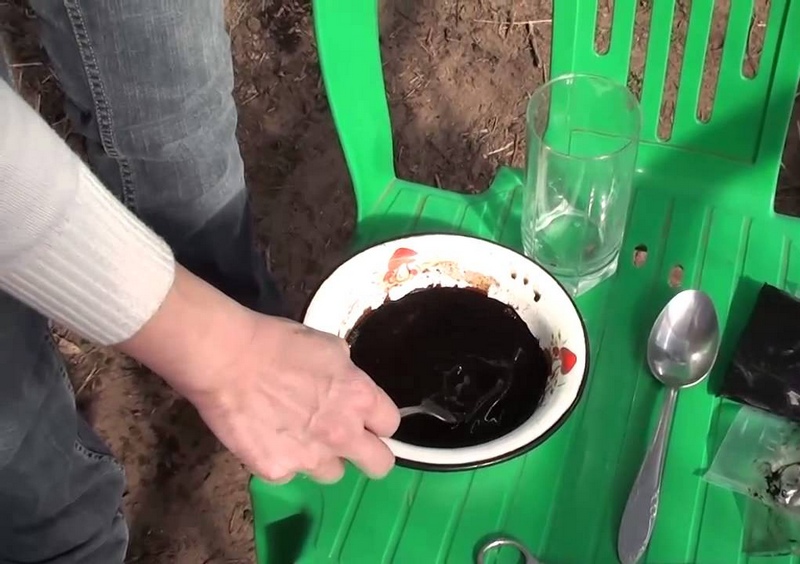 To disinfect the soil, use solutions of potassium permanganate (2-3 g/10 l of water), boiling water (80 °C), Fitosporin (15 ml/10 l of water) - this preparation improves the soil microflora and increases plant immunity to diseases.
Video "Tomato Diseases"
This video will tell you about tomato diseases and how to combat them.