
The best and most productive tomato varieties for greenhouses
Content
Classification of varieties
When purchasing various tomato seeds, gardeners always expect to reap a bountiful harvest at the end of the season after their hard work. However, it's important not only to choose the right variety that will produce good results in a given location but also to ensure proper care. Since yields are higher when planted in a greenhouse, this factor is crucial to consider early on.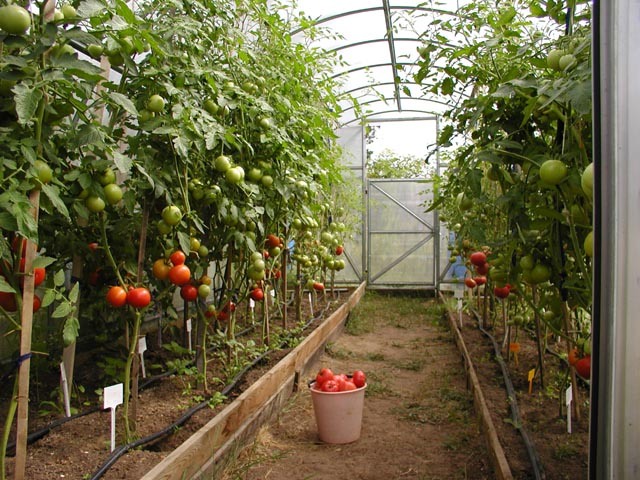
To select the right tomato varieties for a gardener, it's important to consider their classification. Some people prefer tomatoes for fresh cooking, while others prefer them for canning. Based on the characteristics of the vegetable crop, a decision was made to classify the varieties:
- suitable for the corresponding territorial climate;
- culinary significance;
- susceptible to diseases;
- by the volume of yield per season;
- by ripening time.
Each feature can significantly affect the growing process, as well as the resulting result.
Tomato varieties used for culinary purposes are divided according to their final purpose.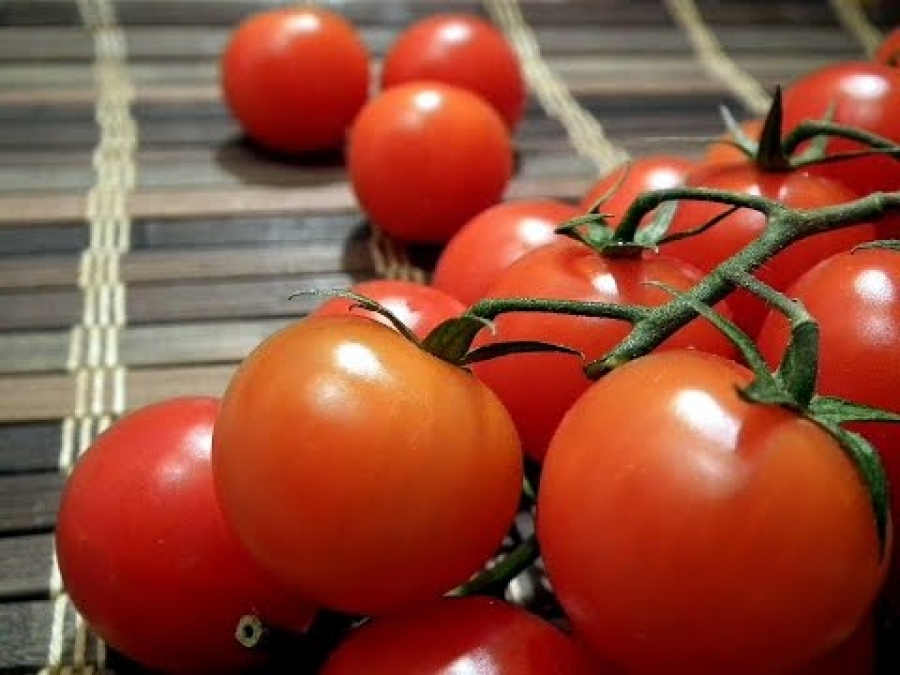
First of all, it's worth mentioning the varieties used for fresh salads. These are the most delicious tomatoes of all. They vary in flavor, size, and color. However, they all share several common characteristics: they are fleshy, juicy, and rich in natural sugars.
Varieties for canning and preserving. They are usually medium or small in size to fit more easily into jars. They are typically firm and have a strong skin, which is crucial for long-term storage. When eaten fresh, the flavor may be completely ordinary or even nonexistent, but after canning, new flavors are revealed.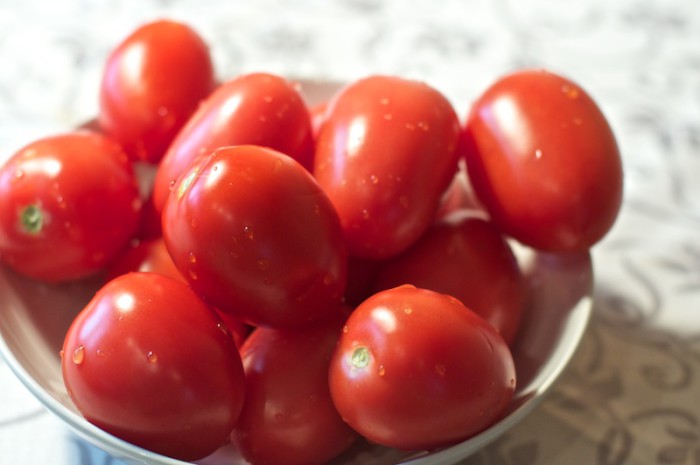
For pickling. Some types of tomatoes are excellent for pickling and marinating. They are typically firm and have a distinctive, memorable flavor, which becomes more pronounced after being brined.
Another classification worth noting is based on ripening time. Plants can be early-ripening, early-ripening, mid-season, or late-ripening. Vegetable crops can also be differentiated by the shape and size of the fruiting bush—determinate or indeterminate.
Determinate varieties are tall, wide, and long. For this reason, they require periodic staking and pinching. Indeterminate varieties are characterized by short stature.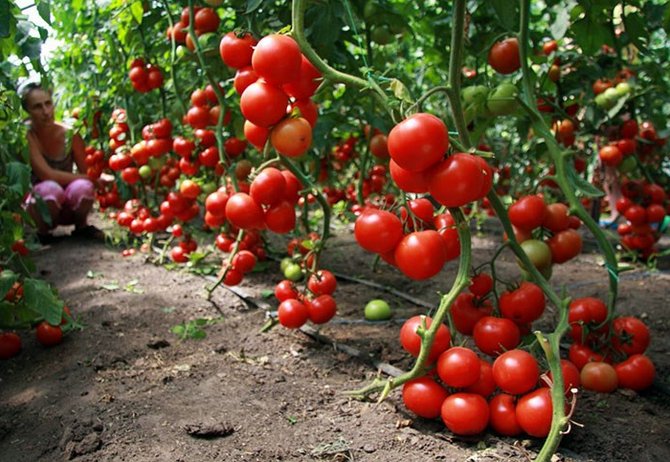
Varieties for your region
We strongly advise against planting tomato seeds intended for temperate climates if you live in the Urals or Siberia. This factor always significantly impacts not only the growth of the vegetable but also the harvest volume you expect at the end of the season. If the climate is unsuitable, you may not be able to achieve the volume of vegetables you originally expected.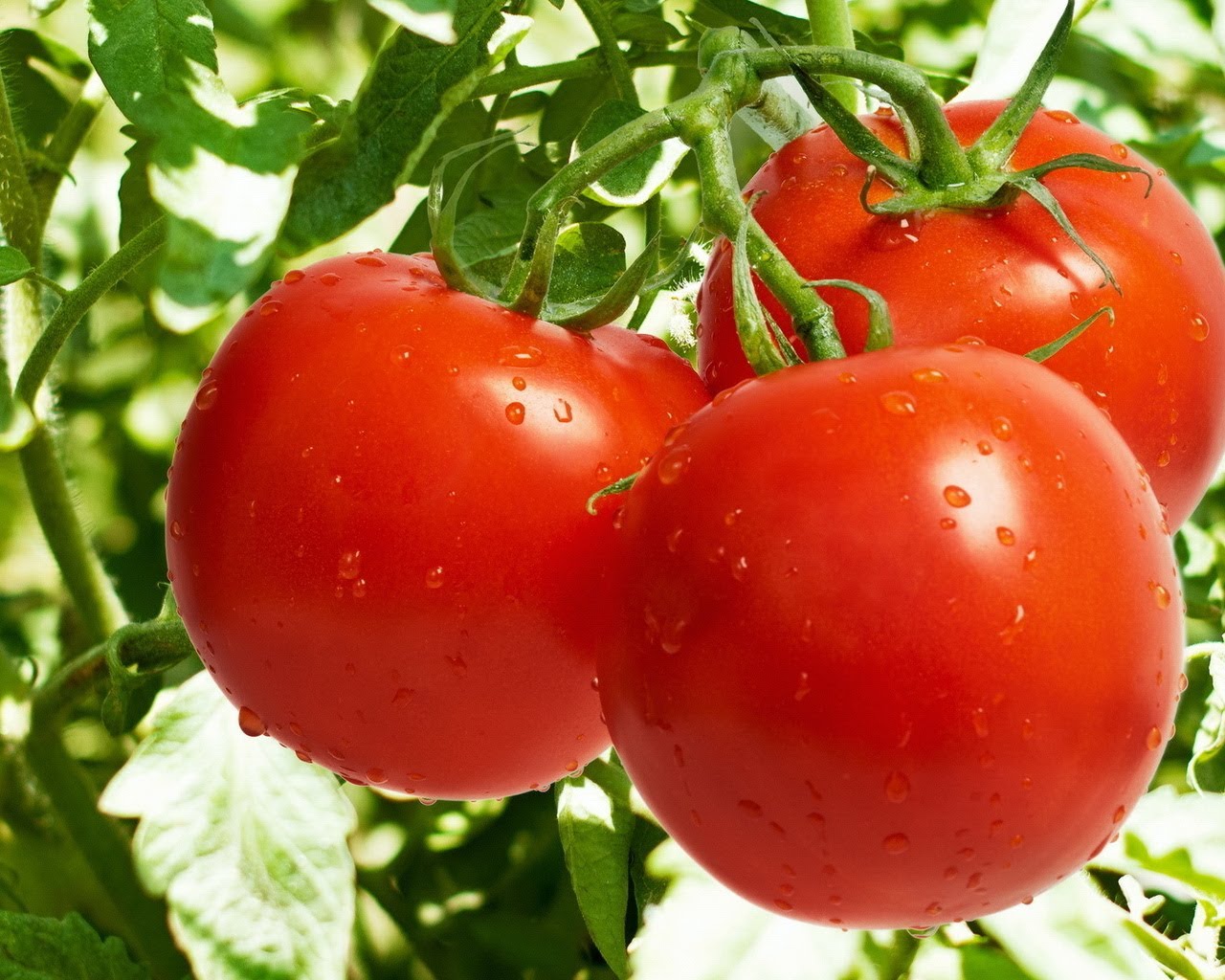
This factor must be taken into account even if you plan to grow vegetables in a greenhouse. Also, don't be too concerned about the seed packaging's claims of a variety's high resistance to temperature fluctuations, drought, and other factors. Always choose varieties that are suited to growing in climate conditions similar to your region. This will make caring for the seedlings easier and give you better control over the vegetable crop's growth process. It will also help avoid a number of unforeseen situations.
Video: "The Best Tomato Varieties for Greenhouses"
This video contains reviews of the best tomato varieties for greenhouses.
How to identify productive varieties
Tomato yields in a greenhouse are always higher than with any other method of growing vegetables outdoors. However, it's also crucial to consider the yield potential of the respective varieties. If gardeners plant the same tomato variety each year, they can rely on the average yield it will produce at the end of the season.
When growing new varieties, their yield will always remain a secret until autumn. You can control the volume of ripened vegetables by growing several tomato varieties simultaneously.
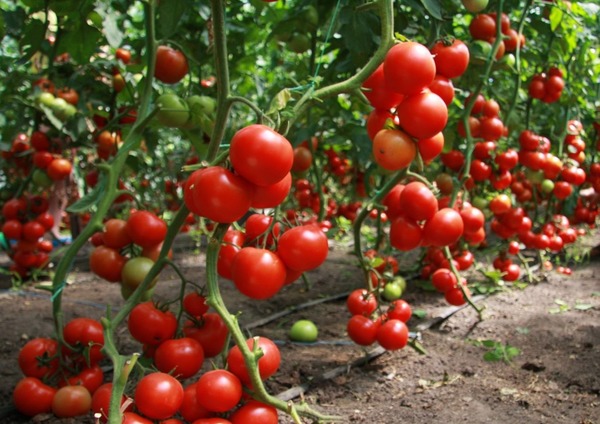
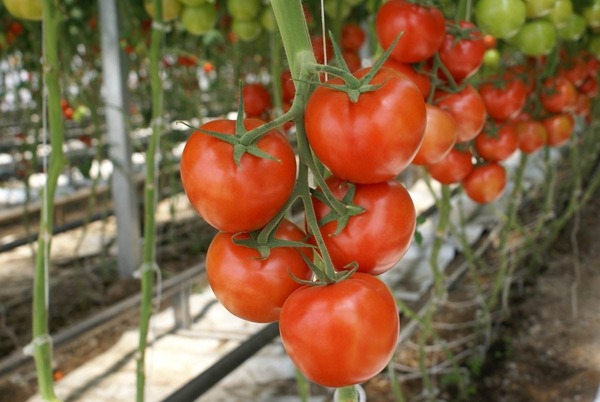
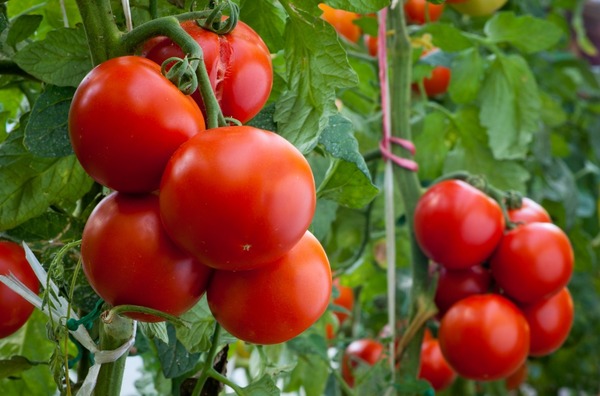
Hybrids are generally chosen to maintain vegetable productivity. Hybrids are better able to withstand external factors that can significantly reduce yields. They are frost and drought-resistant, have good resistance to the most common diseases and pests, and are also easier to care for.
For entrepreneurial farmers who depend on the annual harvest on their plots, hybrids are the most suitable. They are more reliable and stable, allowing for better predictability of results.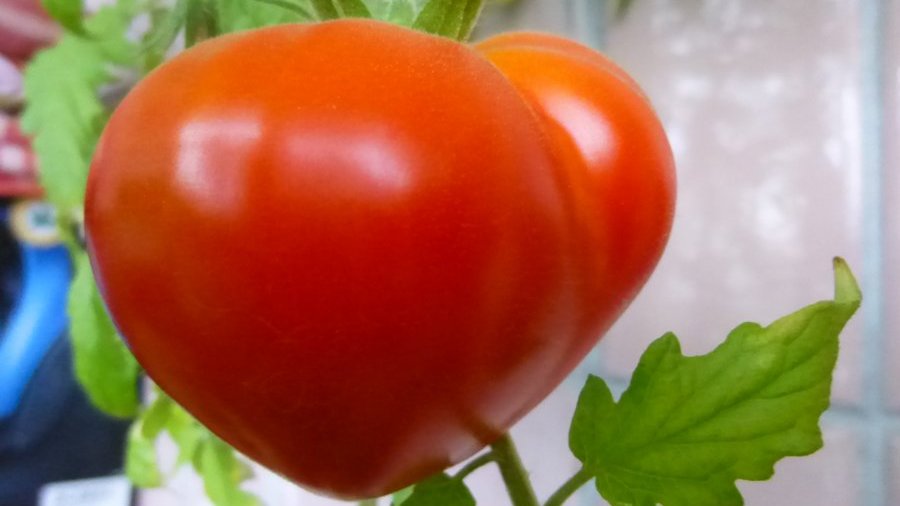
With proper care, any type of tomato can achieve the best results, but eliminating all negative factors can sometimes be quite problematic.
New varieties
Today, some of the best tomato varieties that have recently appeared on the market include the following.
Alliance F1. An early-ripening variety designed for greenhouse cultivation. Semi-determinate with a high yield. It differs from other varieties in that it ripens early. The fruit is slightly flattened, and up to 5-6 ovaries can form on a single cluster. The tomatoes are juicy, fleshy, and have a sweet taste.
Fantasio F1. This is an indeterminate variety for greenhouse cultivation with a mid-season ripening period. A single cluster typically produces up to eight fruits. Their color is light raspberry. The tomatoes are round, firm, and very tasty, with a distinctly sweet flavor. A distinctive feature of Fantasio F1 is its excellent resistance to late blight.
Loreli F1. Another good late-ripening hybrid variety, this indeterminate variety is ideal for greenhouse cultivation. The fruits are slightly rounded and flattened, bright red. These tomatoes have a long shelf life and are highly resistant to diseases and pests that appear during the ripening process.
Pietro F1. An early-ripening determinate tomato variety. It produces pink fruits with a fairly thick skin. These tomatoes are very tasty and juicy, and they transport and store well.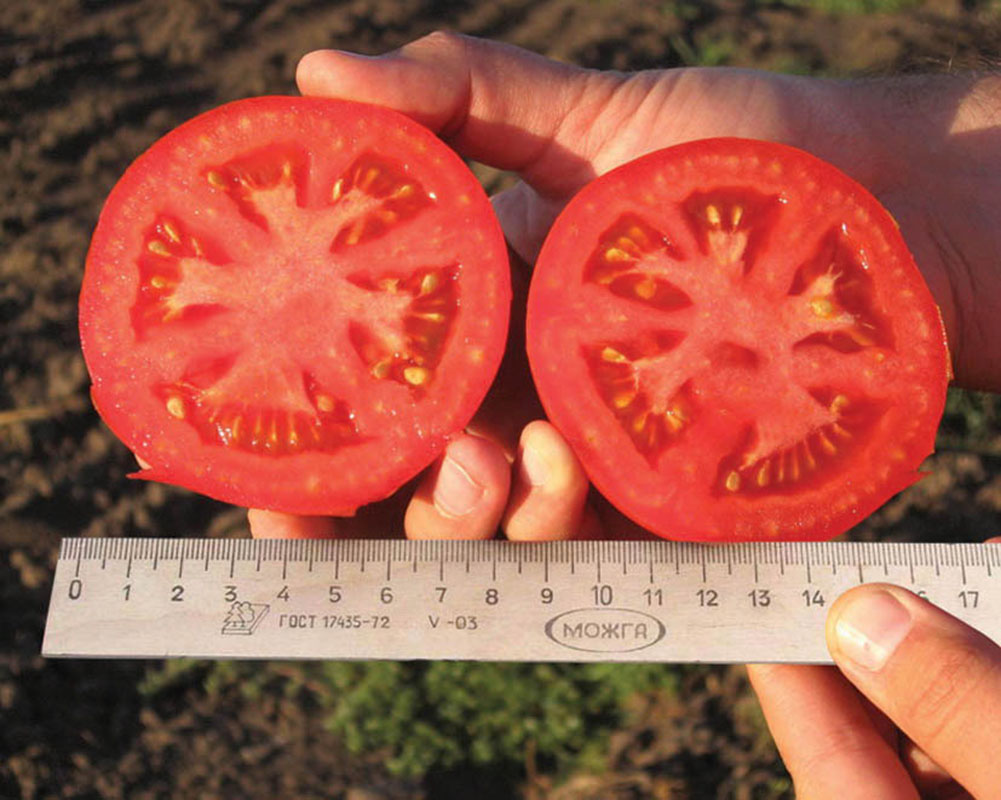
Junior F1. The earliest of all hybrids. A good harvest can only be grown in a greenhouse, as stable conditions are required. The bush itself averages 60 centimeters in height and produces little foliage. The fruits are red. Junior F1 has an interesting shape—the fruits are ribbed. A single bush yields a good 2-2.5 kilograms.
Fenda F1. A tall, early-ripening tomato variety. It's easy to grow, as it's easy to maintain. The fruits are pink, firm, and rarely crack when ripe. A large harvest can be harvested late in the season. It's prized for its excellent flavor and juiciness.
Snow Fairy Tale. Like Junior F1, it's one of the earliest ripening tomato varieties. To achieve a high yield, seedlings should be planted in a greenhouse. A single bush can yield over 25 tomatoes, each weighing an average of 200 grams. A characteristic feature is that the tomatoes may still be white when ripening, and only later do they begin to turn red, orange, and red.
Sevruga. A determinate, mid-season, large-fruited tomato variety for greenhouses. With proper care, fruits can reach up to one and a half kilograms in weight.
Siberian Trumpet. This large-fruited variety can be grown both in greenhouses and outdoors. Its delicious, sweet fruits weigh up to 700 grams and have a crimson-red color.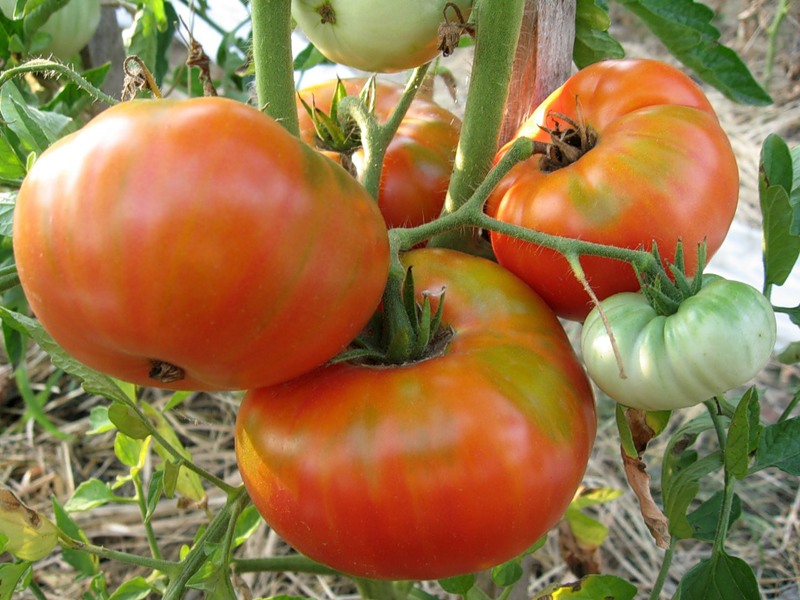
Alsu. Another new greenhouse tomato variety. Plants grow up to 80 cm in height. Fruit weighs 500 to 800 grams. Delicious, beautiful red fruits, they are excellent for transportation.
Your best guide when choosing seeds for greenhouses is your experience. Don't limit yourself to the well-used tomato varieties; try new hybrids, and then tomatoes with new, unusual qualities will appear in your garden.
Which variety to choose?
When choosing a variety, always consider the tomato's preferred climate. We strongly recommend purchasing seeds from specialist stores. Exotic varieties will be difficult to grow without the right climate.
When it's time to plant tomatoes, try to plant several different varieties. They may differ in shape, size, and ripening stage. However, this will ensure a good harvest, even if some varieties don't take root well.
Regardless of the type of tomato you choose, you'll need to carefully monitor their growth—watering, fertilizing the soil, treating the seedlings for pests and diseases, and so on. This is the only way to achieve the desired results.
Video: "Tomato Varieties for Greenhouses"
In this video, an experienced gardener talks about the specifics of growing different varieties of tomatoes.