
The best disease-resistant tomato varieties
Content
Causes of diseases
As sad as it is to admit, the desire to save money can often backfire. When buying tomato seeds from unknown sellers, you can end up with infected seeds. No amount of subsequent care will correct this error. If the seeds are fine and the seedlings grow healthy, but then problems arise, it's quite possible that the root cause of the disease is improper care. Imbalances in nutrient levels caused by overfertilization can lead to unpleasant consequences. Inexperienced gardeners often overfeed their plants and are then surprised by the lack of a harvest.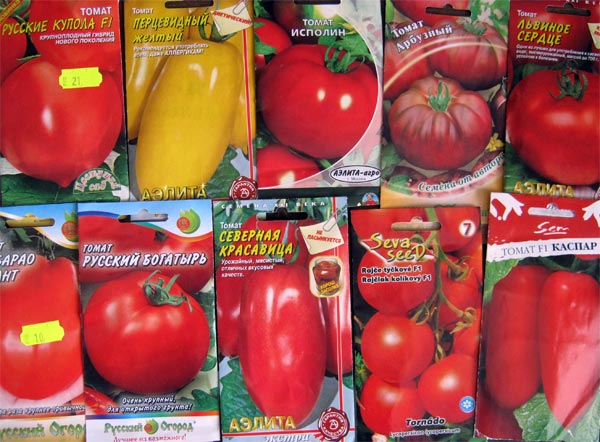
Disease-causing bacteria, viruses, and fungal spores can directly cause diseases, especially if they enter greenhouses. However, healthy plants grown in good conditions are not always susceptible to infection. The trigger for disease is unfavorable conditions, such as abnormal humidity or temperature. Exposing unprepared seedlings to intense sunlight can cause stress and strain. Overly frequent watering and cool weather, such as that which can occur during prolonged rains, greatly weaken plant immunity. Dense plantings, creating constant shade, humidity, and a lack of fresh air and sunlight, create a favorable environment for fungal diseases.
Spores of various fungi are found in abundance around plants, accumulating on weeds, fallen leaves, and in the top layer of soil. When a plant is weakened, it does not have the strength to resist pathogens. This is why it is necessary to follow all sanitary standards for plant care, maintain adequate humidity levels in greenhouses, and change or at least dig and loosen the soil more frequently.
Video "Best Varieties"
From the video you will learn about the best varieties of tomatoes.
Varieties resistant to viral diseases
Tobacco mosaic virus, leafroll virus, and tomato stem necrosis are the main pathogens that cause very unpleasant viral diseases. It's not always possible to detect them before the plant can be saved.
For example, stem necrosis is noticed when dark green cracks appear on seemingly strong plant stems during the formation of fruit clusters. The bush must be destroyed.
Tomato mosaic virus, which acts in concert with tobacco necrosis virus, causes chlorotic leaf curl in tomatoes. Affected plants (yellowish color, stunted growth, and curled tops) are removed. Breeders are constantly working to develop varieties resistant to the virus, and several hybrids have already gained recognition among gardeners.
Charisma F1
A mid-season greenhouse hybrid with a high yield. Average fruit weight is 170 g, and a single plant can yield at least 7 kg of round, red tomatoes. This variety demonstrates resistance to viral infections (specifically, mosaic), fusarium wilt, and cladosporiosis, and is even cold-tolerant.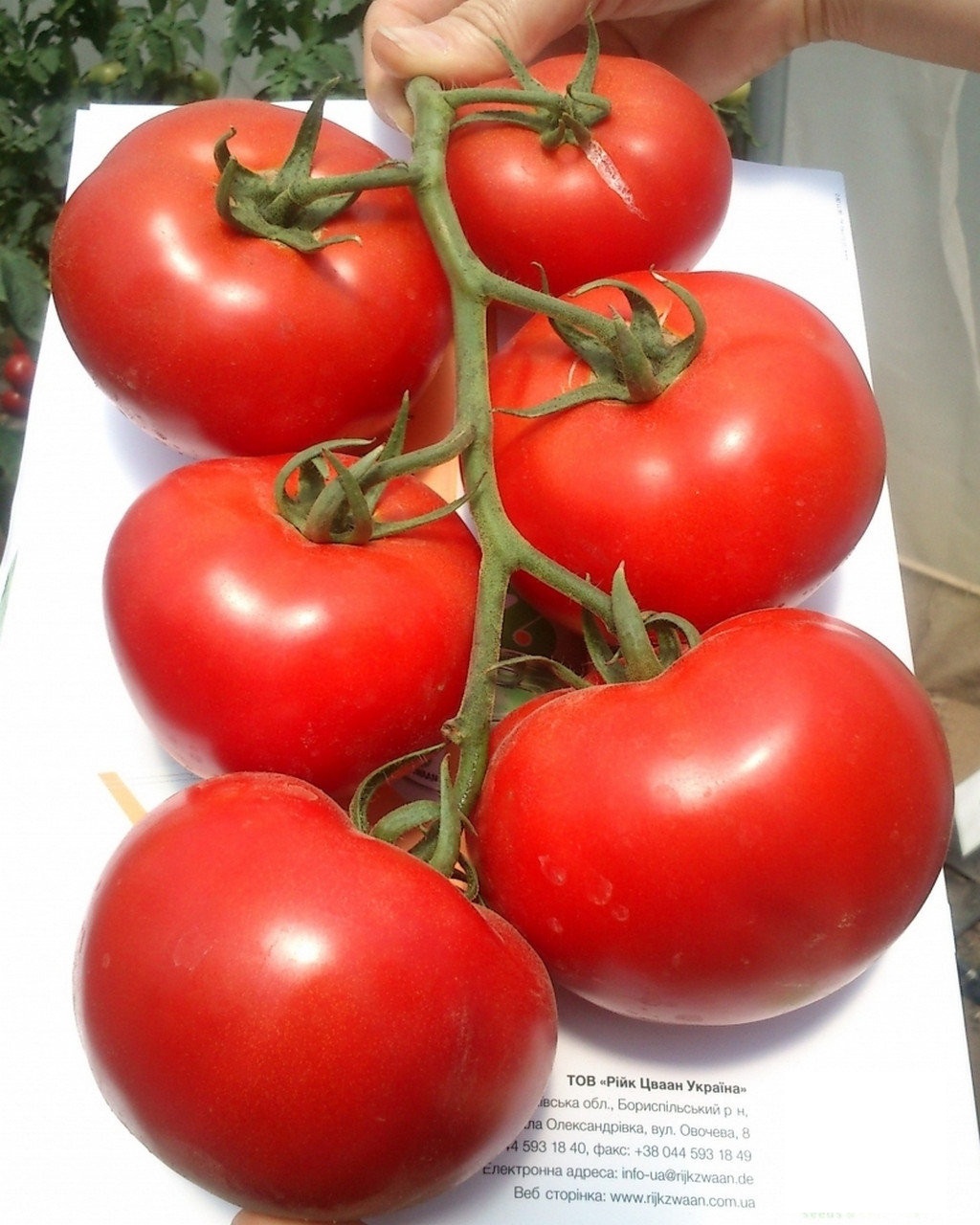
Vologda F1
A mid-early greenhouse hybrid. It can grow to 5 kg of fruit per bush in 115 days. The red, smooth, round fruits are borne on clusters, each weighing approximately 100 g. It exhibits excellent resistance to mosaic, fusarium, and cladosporiosis.
Ural F1
A mid-season greenhouse variety, the harvest ripens in approximately 120 days. One large, red, round tomato can weigh up to 350 g; a single-stemmed plant produces up to 8 kg. This hybrid is resistant to tobacco mosaic, fusarium, and cladosporiosis, and is cold-tolerant.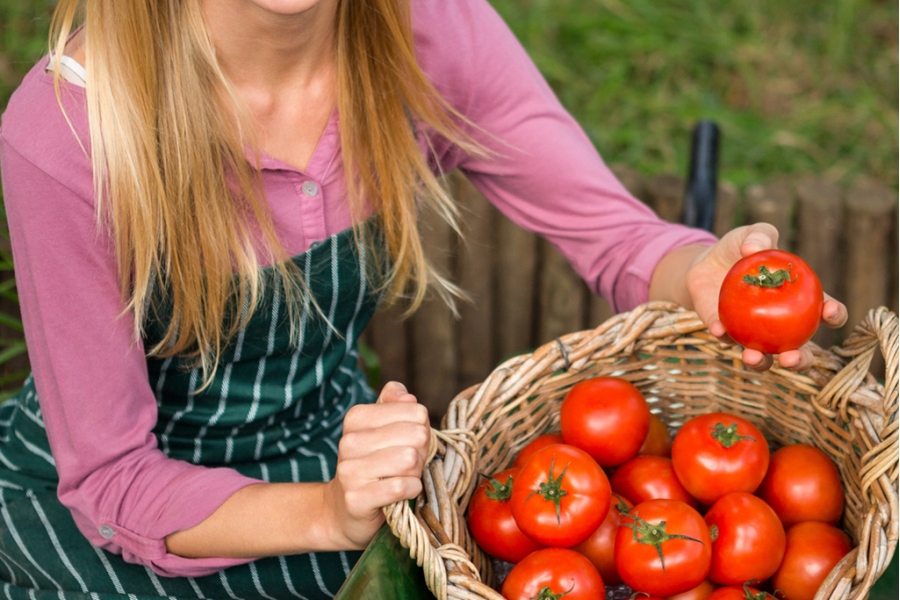
Alaska F1
An early-ripening variety, it begins to yield fruit after 90-95 days of growth. It can be grown in a greenhouse, in a vegetable garden, or even on a balcony or windowsill. The low-growing bush, reaching no more than 70 cm, is quite decorative with its medium-sized light green leaves and round, smooth, bright red fruits. No pruning is required. The tomatoes are small, weighing 80-95 g each. A bush yields 2 kg of delicious fruit, which are used in salads. This hybrid copes well with adverse conditions, exhibits remarkable resistance to viral diseases (especially tobacco mosaic virus), and is resistant to fusarium and cladosporiosis.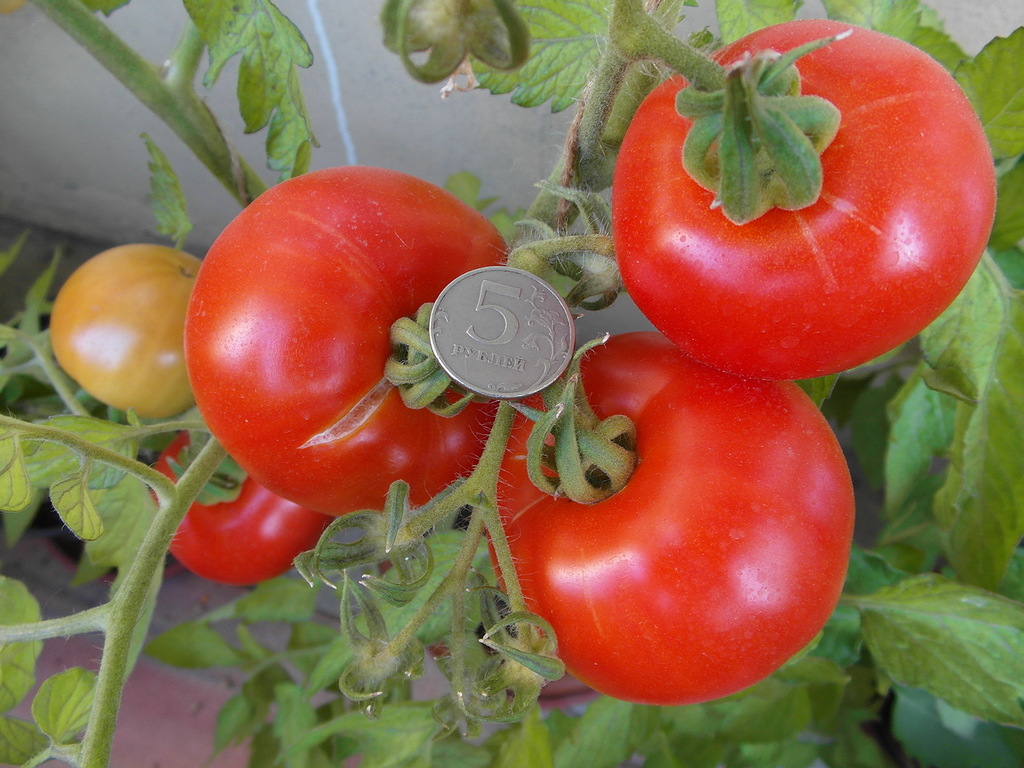
Firebird F1
An early salad variety, ideal for greenhouses and open ground. The determinate bush grows to 70-90 cm and requires staking and pinching. The main shoot produces 5 clusters with 5-7 fruits. The orange fruits, averaging 130-150 g, are flattened and round. They are distinguished by a high content of beta-carotene. This hybrid variety is resistant to mosaic virus, Alternaria blight, cold, and adverse conditions, producing excellent fruit even in cloudy, cool weather.
Varieties resistant to adverse conditions
Even if the seeds were healthy, the plant can become ill, responding to pathogens if it is weakened by unfavorable conditions. Tomatoes originated in warm climates, preferring consistent, warm weather and plenty of sunlight. Our harsh climate often subjects them to stress, which affects their resistance to attacks. Thanks to the tireless work of breeders, we can now identify varieties that successfully withstand these adverse conditions.
Low temperatures
Hybrids and varieties such as "Adonis," "Alaska F1," "Big Beef," "Boomerang F1," "Gulliver," "Lady Fingers," "Erofeich," "Firebird," "Juggler," "Irina," "Milashka," "Odyssey," "Polbig F1," "Rally F1," "Northern Queen," "Northern Beauty," "Northern Miracle," and "Jaguar" demonstrate excellent cold tolerance. They continue to bear fruit at temperatures down to 15 degrees Celsius.
High temperatures
The following varieties and hybrids are considered heat-resistant: "Vorobushek", "Hector F1", "Gulliver", "Ladyfingers", "Jerash", "Diabolik", "Donald", "Juggler F1", "Kalroma F1", "Konigsberg", "Conquistador", "Krasotka", "Kubanets", "Kudesnik", "Life", "Manatee", "Longf", "Marianna F1", "Honey Savior", "Orange", "Boy", "Otranto", "Orfi", "Gift", "Prima Lux", "Pink", "Andromeda", "Svetlana F1", "Semko 18", "Semko 2000", "Siberian Troika", "Snowman", "Superprize", "Torquey", "ChiblyF1", "Sharada", "Extreme". They form ovaries at a temperature of +30 degrees. 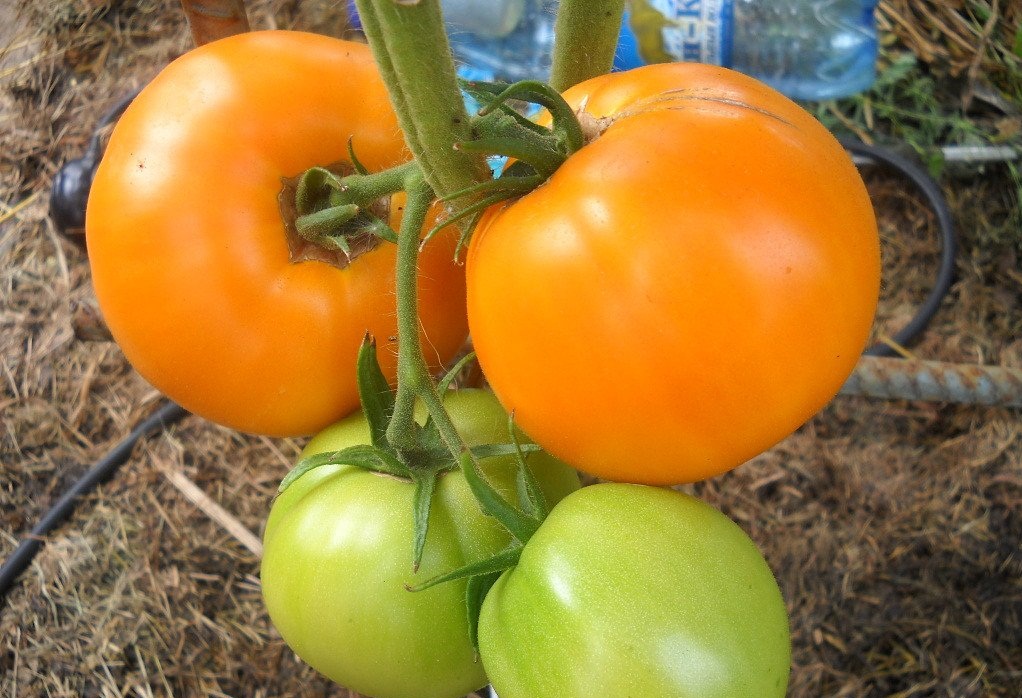
Sharp temperature fluctuations
Varieties: 'Atlant', 'Akhtanak', 'Bayadere', 'Fighter', 'Boyarynya', 'Yellow Buyan', 'Bella Rossa F1', 'Currency', 'Vasilievna F1', 'Vereya', 'Explosion', 'Viking', 'Vlad F1', 'Giant', 'Gnome', 'Dedushkin F1', 'Delicatessen', 'Divo F1', 'Evgenia', 'Yellow-fruited', 'Star', 'Kalroma F1', 'Yellow Caramel F1', 'Red Caramel F1', 'Kremlin F1', 'Crown Prince', 'Cupid F1', 'Lelya F1', 'Summer Garden F1', 'Lidiya F1', 'Liza', 'Fox', 'Major F1', 'Monk F1', 'Muna F1', 'Our Masha F1', 'Eagle's Heart' 'Ocharovanie' and 'Podarok Kubani' remain unaffected by sudden temperature fluctuations, which can be detrimental to regular tomatoes. They also tolerate periods of drought well.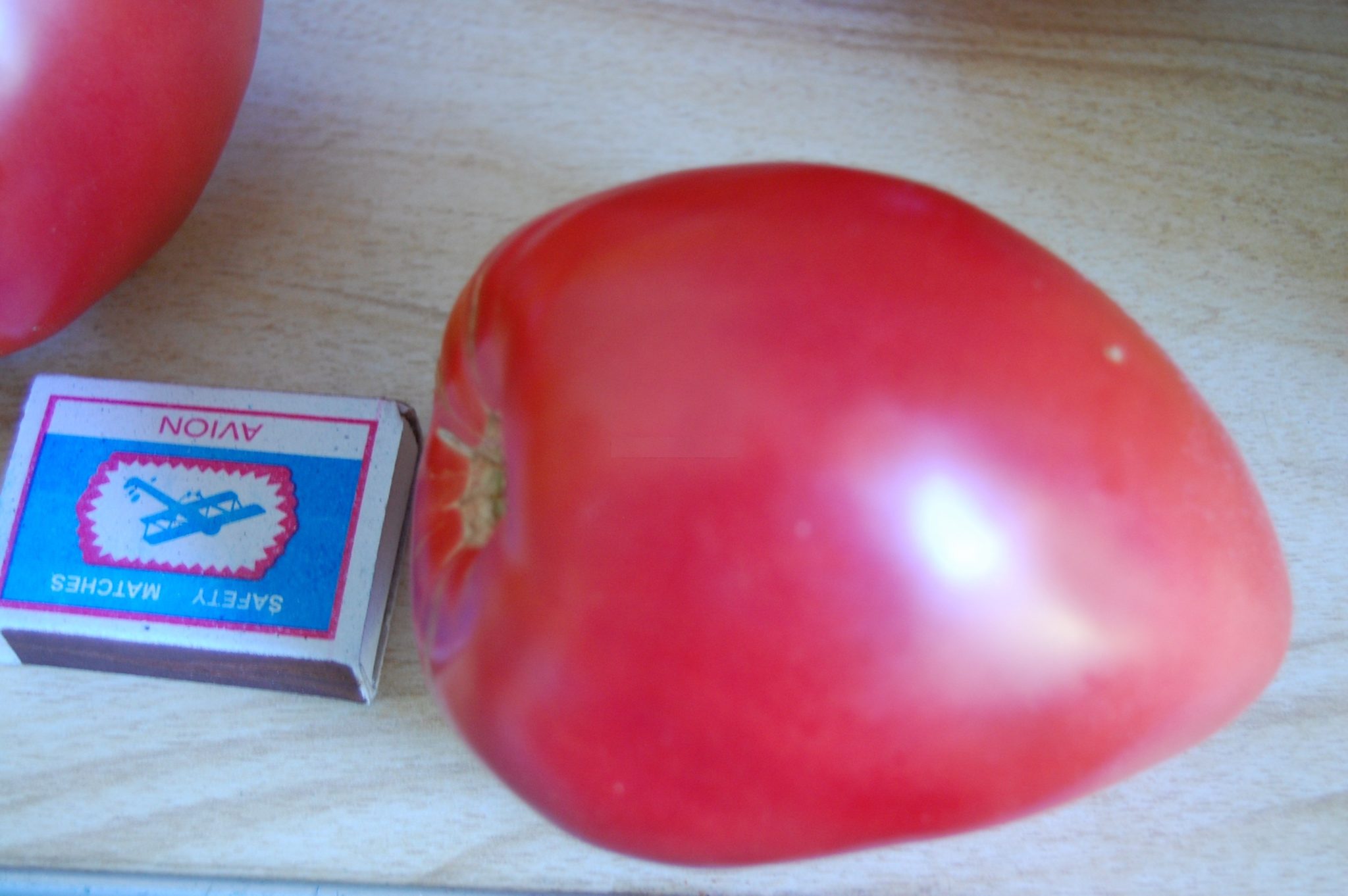
Varieties resistant to late blight
Sudden cold spells, heat waves, temperature fluctuations, excessive moisture, and excess fertilizers negatively impact plant health. Fungal pathogens take advantage of this unfavorable time for tomatoes. Late blight is the most common fungal disease in all tomato-growing regions. Only the correct selection of resistant varieties can help gardeners. The following varieties demonstrate resistance to many diseases: "Little Prince," "Lights of Moscow," "Orange Giant," "Pickling Miracle," "Profitable," "Luch," and "Carrot." Experience shows great success in resisting late blight when growing the following hybrids.
"Bohemia"
A medium-sized hybrid producing up to 6 kg of round red fruit per bush. Each cluster produces five deliciously flavored fruits weighing up to 150 g. This variety is suitable for both protected and open ground cultivation and demonstrates resistance to major diseases, not just late blight.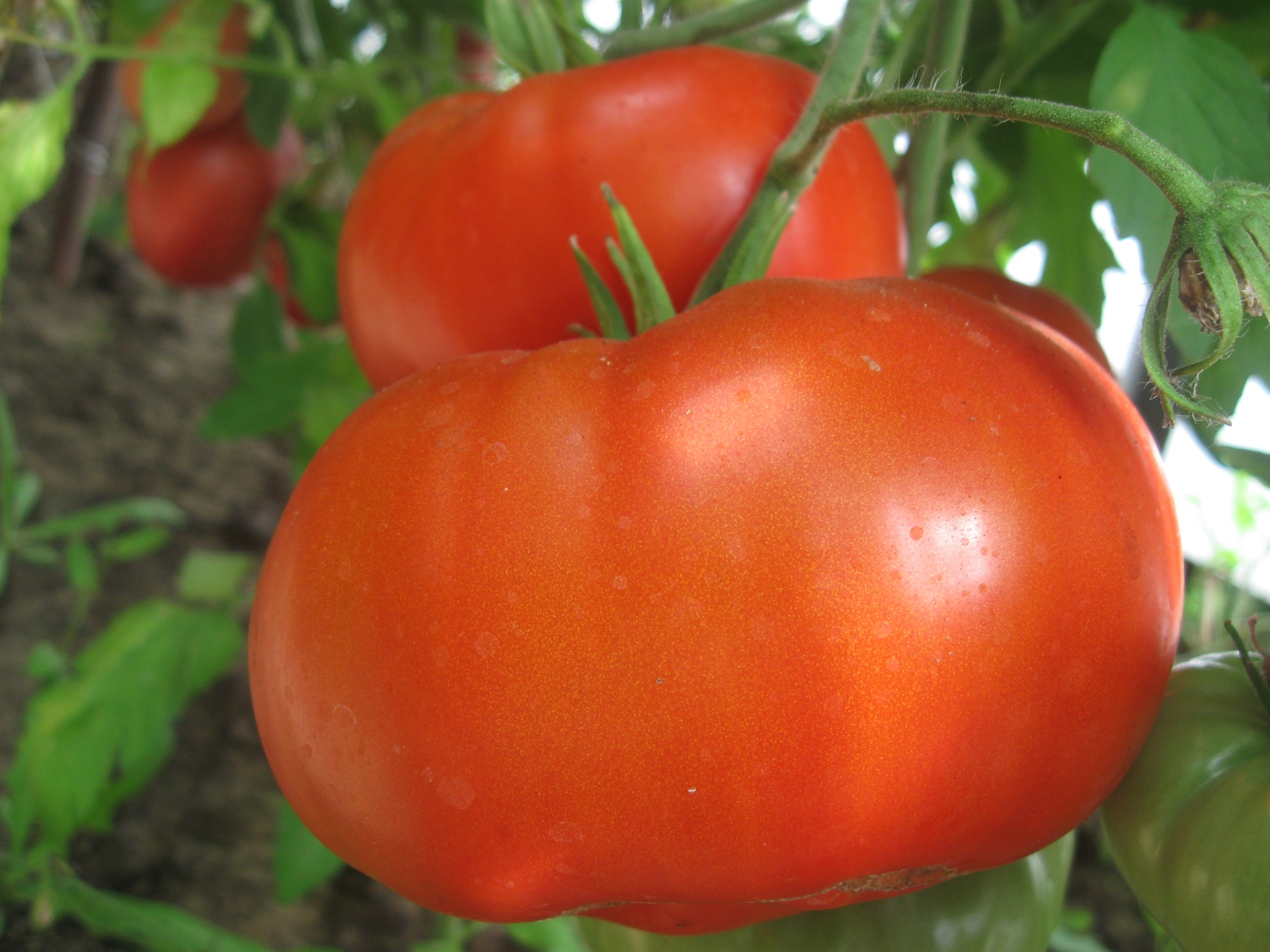
Blitz
A low-growing, early-ripening variety, resistant to fusarium, necrosis, septoria, and tobacco mosaic. Harvesting begins 75–80 days after planting. Fruits grow up to 100 grams. Plants are suitable for greenhouses and open garden beds.
Opera F1
An early-ripening greenhouse hybrid. The bush grows up to 1 meter tall and produces fruit 90 days after planting. In addition to late blight, it is resistant to necrosis, phoma, white spot, and tobacco mosaic.
Spartak F1
An indeterminate greenhouse hybrid with a mid-late ripening season. Its growing season lasts 130 days and produces large, round, red fruits, each weighing approximately 200 g. It exhibits resistance to fusarium, cladosporiosis, blackleg, and mosaic.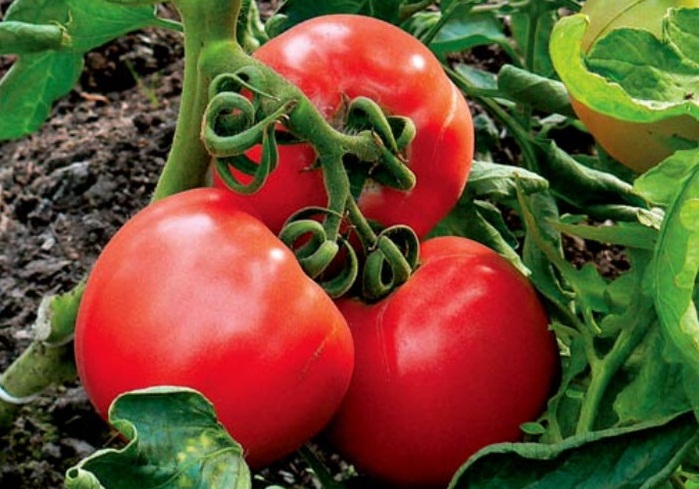
F1 Virtuoso
A low-growing greenhouse hybrid, it exhibits remarkable resilience to temperature fluctuations, changes in lighting, and humidity. It is resistant to fusarium, cladosporiosis, blackleg, root rot, and mosaic. A single bush can yield up to 7 kg of fruit.
Video "Diseases and Their Treatment"
This video will tell you about tomato diseases and their treatment.