
The most productive tomato varieties for open ground in Siberia
Content
Determinate and indeterminate varieties
Today, Siberia boasts a wide variety of varieties bred specifically for this harsh region. However, to choose the right planting material from the vast array of options, you need to know the specifics of each variety.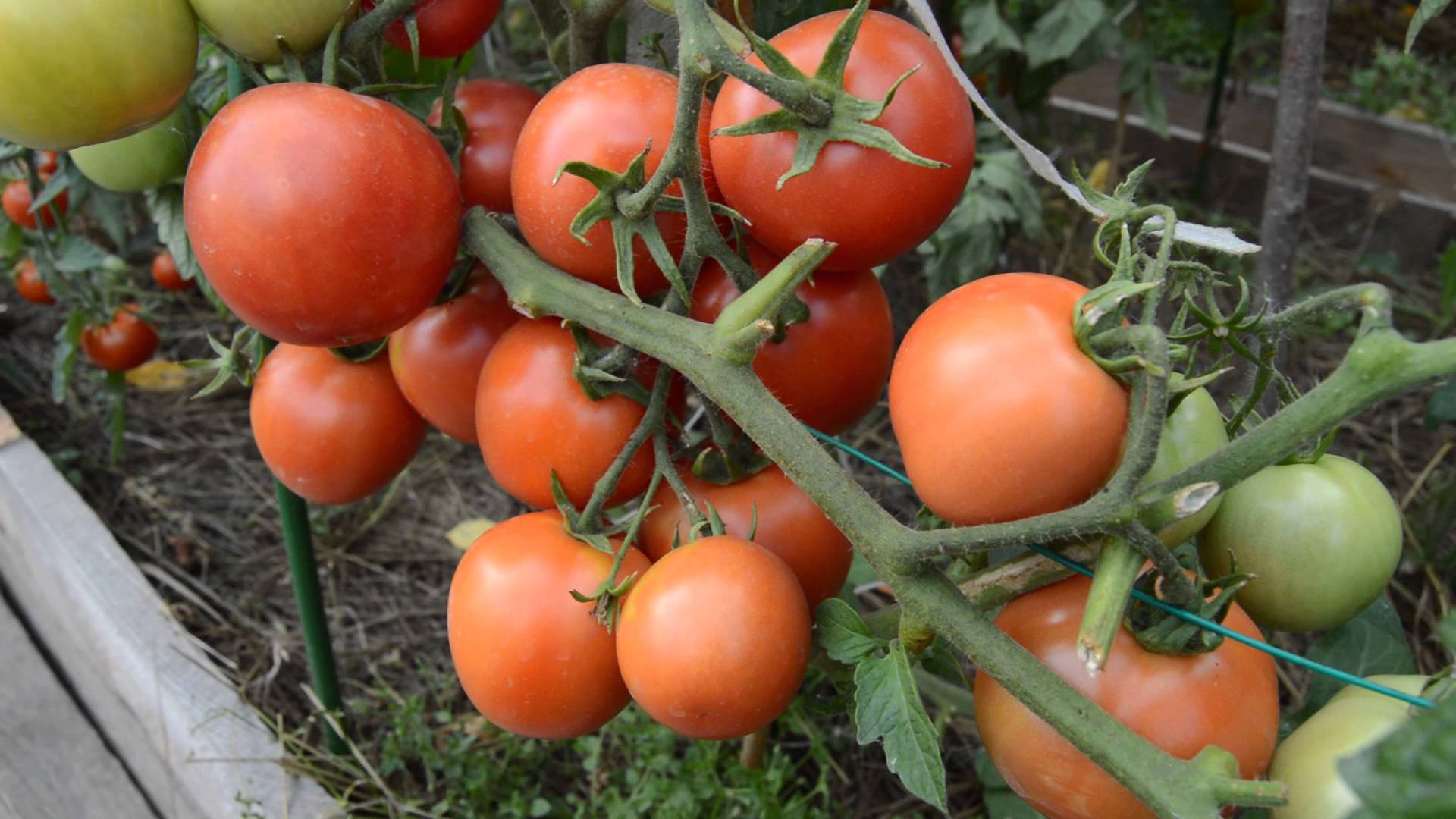
Since tomatoes are a heat-loving crop, the northern climate is not particularly suitable for them. Therefore, breeders have developed varieties that can effectively withstand subzero temperatures and frosts, which are common in this region in both autumn and spring. This characteristic is characteristic of all tomato varieties suitable for growing in the northern regions of the country. However, they differ from each other in the following parameters:
- ripening periods;
- taste characteristics;
- growing place: open ground or greenhouse, etc.
Breeders divide all varieties of tomatoes used for growing in harsh climates into two types:
- Determinate tomato varieties are low-growing plants suitable for both open ground and greenhouse cultivation. Although they can be grown indoors or outdoors, they are most often grown in greenhouses. Their main distinguishing feature is their limited growth. They are also characterized by early maturity and high yields. A disadvantage of determinate tomato varieties is their susceptibility to various diseases that affect this crop.
- Indeterminate tomato varieties are characterized by unlimited growth. Therefore, they can reach heights of up to two meters. Therefore, these plants require staking and appropriate support. It's worth noting that the bushes grow tall while occupying a small width. Compared to determinate varieties, indeterminate tomato varieties have a longer fruiting period. The fruits themselves also ripen later.
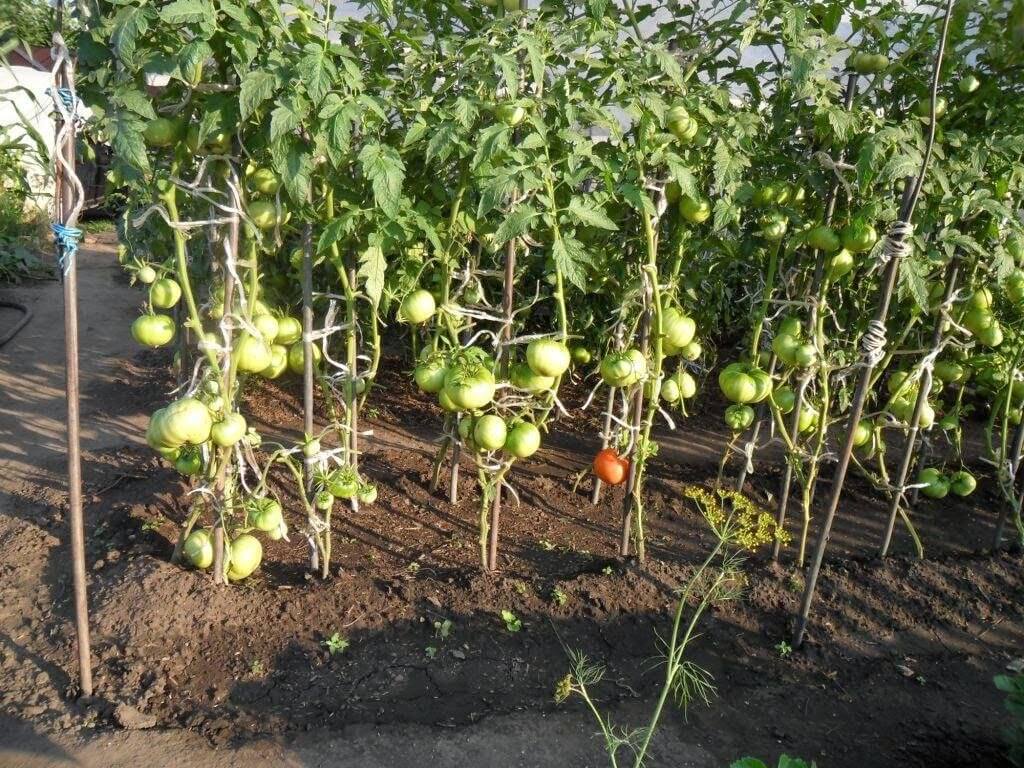
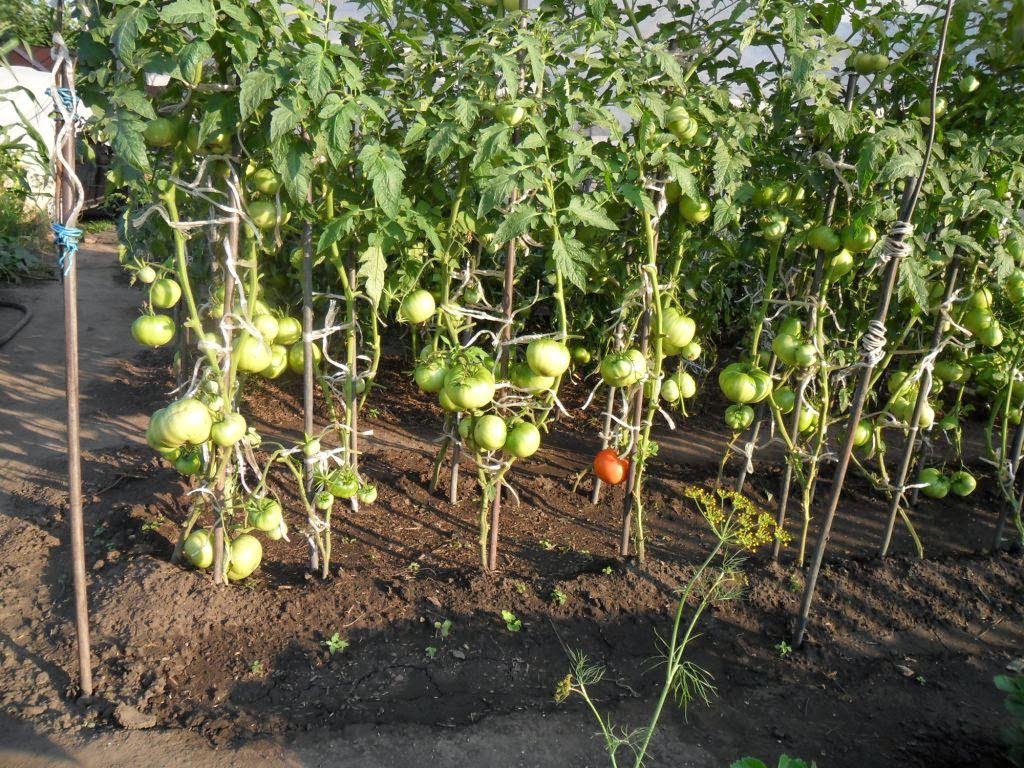
As we can see, each variety has its own advantages. Therefore, when choosing a particular variety, it's important to evaluate its description.
Video "Determinate and Indeterminate Varieties"
This video will tell you about tomato varieties and their growing characteristics.
Early varieties
Since the northern climate is quite harsh, it's recommended to grow tomatoes indoors—in hotbeds or greenhouses. To ensure a harvest that won't be damaged by frost, many gardeners plant early-ripening varieties. These varieties typically begin bearing fruit within 90-100 days of sowing. As a result, the first harvest can begin in just a couple of months, which is crucial for Siberia and other northern regions of the country.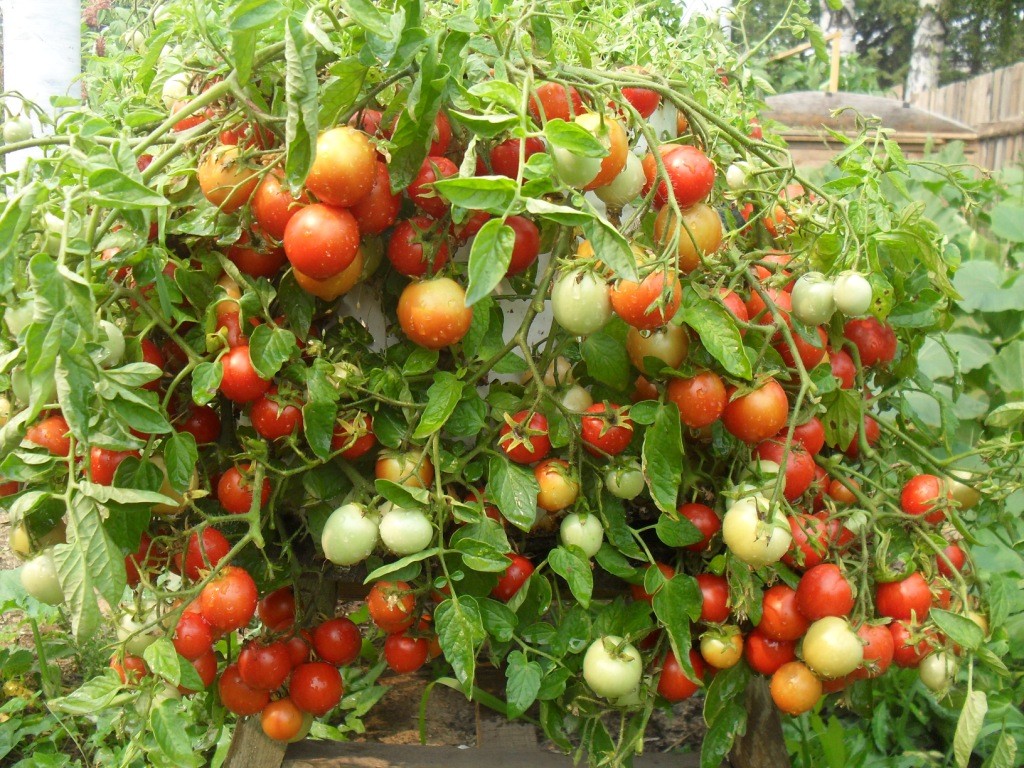
The most common and sought-after tomato varieties that produce an early harvest in northern conditions include:
- Ultra-early ripening. This variety is designed for outdoor cultivation. Ripened fruits can be harvested from the bushes as early as 3 months after the first shoots appear. A single inflorescence can contain approximately 8 tomatoes. The plant is characterized by its resistance to harsh climatic conditions.
- Siberian Heavyweight. This is a determinate variety characterized by a medium growth rate. Ripening occurs in 96-106 days. The fruits are heart-shaped and can weigh up to 600 g. Siberian Heavyweight has excellent tolerance to a wide range of climatic conditions;
- Demidov. Also considered a determinate variety, the tomato plants produce medium-ribbed, round tomatoes. They ripen in 101-109 days. Demidov is often found in open ground;
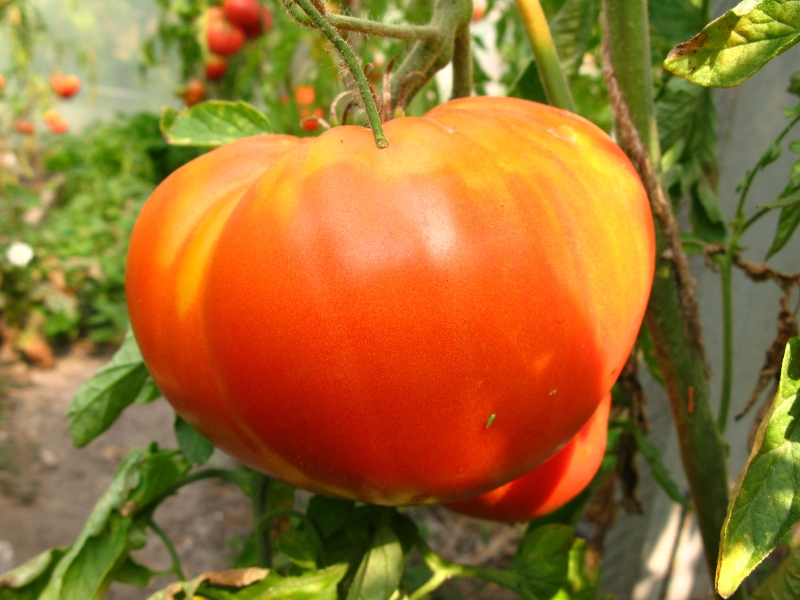
- Abakansky Pink. This is also a determinate variety. Bushes of this variety can grow up to 1.5 meters tall. Therefore, they require staking. The shoots develop gently ribbed, flattened, rounded shoots. Their average weight is about 300 g. Abakansky Pink is a salad variety.
In addition to the tomato varieties described above, early varieties that can be planted in Siberian conditions include:
- Nastenka. This mid-season, determinate variety produces pink fruits with juicy flesh. The maximum tomato weight here is no more than 200 g. This variety is good for canning (especially pickling), as well as salads. The plant has been described as highly adaptable to the harsh northern climate.
- Ballerina. This tomato variety is considered mid-early. The bushes are low-growing, reaching no more than 60 cm in height. Pink fruits ripen on the shoots. They weigh approximately 60-130 g and have juicy flesh;
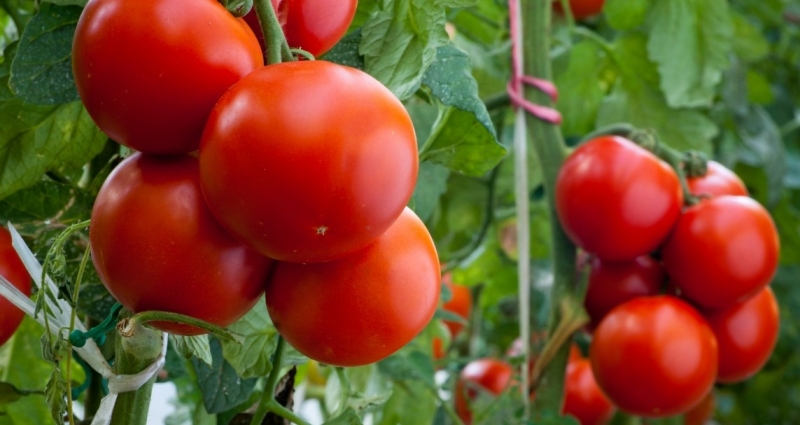
- Moscow Pear. This is a low-growing, mid-early variety. The bushes bear pear-shaped, pink fruits, weighing approximately 100-150 g. The variety's main characteristic is its high yield. At the same time, it is completely low-maintenance. With due diligence, Moscow Pear can be grown in any soil.
- Petrushka Ogorodnik (Petrushka the Gardener) is a determinate, mid-season variety. The bush produces cylindrical tomatoes with a pointed tip. When ripe, they turn crimson.
As we can see, early-ripening tomatoes are ideal for open-ground cultivation in Siberia. Even in such harsh climates and without protection, they can produce excellent yields. However, when choosing a variety, it's important to consider not only its description as a garden crop, but also the intended use of the resulting harvest.
The best varieties for greenhouses
Siberian tomato varieties are distinguished from other varieties by their large fruit size. They are often characterized by excellent resistance to freezing temperatures and a short stature. It's worth noting that hybrid forms are virtually as good as the main varieties. It's important to note that in the North, tomatoes should only be grown using seedlings. Many gardeners note that in such challenging climates, it's best to plant seedlings in a greenhouse rather than risk planting them in the open ground. To increase the success of seedling cultivation, experts recommend treating the planting material with a solution of Epin. Also, to avoid mixing up already planted seedlings, experienced gardeners recommend separating them using plastic bottles and brightly colored stickers.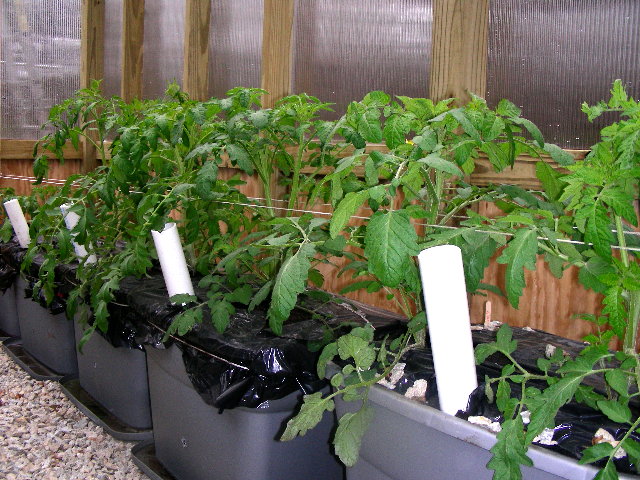
The main advantage of planting garden crops in greenhouses is that harvesting can be done throughout the season. When choosing varieties for planting in Siberia, it's important to understand the specific conditions of the region.
Summers are relatively short here. Therefore, installing greenhouse structures in this region is a good idea. The effort, time, and money spent on building a greenhouse can be more than offset by a bountiful and delicious harvest.
While the above list presents popular tomato varieties for open ground, below are varieties suitable for growing in greenhouses:
- Siberian Early. The bushes are characterized by determinateness and early maturity. The first tomatoes begin to ripen 100-108 days after the shoots emerge above the soil. The tomatoes are round and medium-sized. When ripe, they turn red;
- Alsu. This variety's characteristics are similar to those of the Siberian Early Ripe variety. The shoots produce gently ribbed, slightly flattened, and round tomatoes. Their average weight is around 350 g. It's worth noting that the plants require support and training. With proper care, one square meter can yield up to 7 kg of tomatoes.
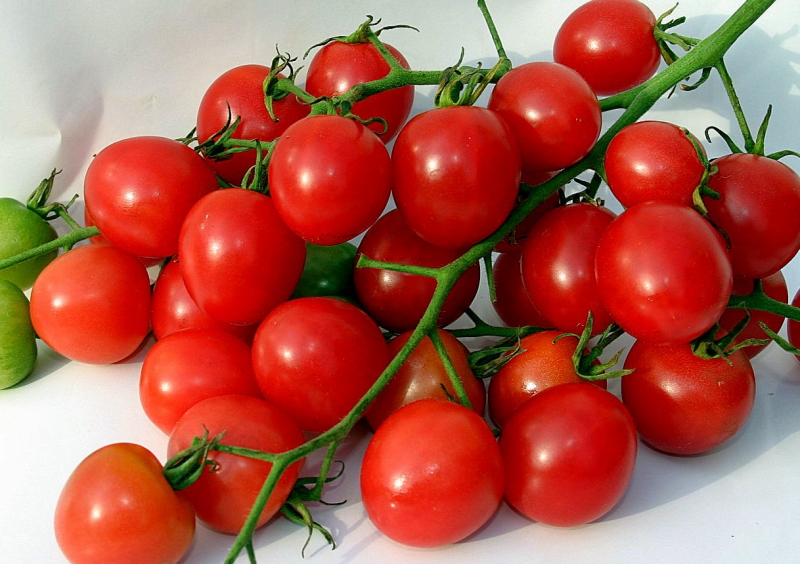
- Scarlet Candles. This indeterminate, mid-season variety produces cylindrical tomatoes weighing no more than 60g. They are suitable for canning and salads.
- Beautiful Lady. This variety is similar in key characteristics to the varieties listed above. Up to seven tomatoes can ripen on a single cluster. They are round and red in color. Their maximum weight does not exceed 150 g. It is characterized by high yields – up to 10 kg per square meter can be harvested.
- Titanic. A hybrid ideal for growing in all types of greenhouses and hotbeds. Tomatoes ripen approximately 100 days after the first leaves emerge above ground level. Titanic produces good yields, and its fruits are distinguished by their excellent taste.
In addition to the above varieties, the following tomato varieties can be grown in greenhouses in Siberia:
- A miracle of the earth. The bushes are characterized by low growth and mid-season maturity. The tomatoes are crimson in color and weigh approximately 380 g. In greenhouse-type structures, up to 14 kg of harvest can be obtained from one square meter;
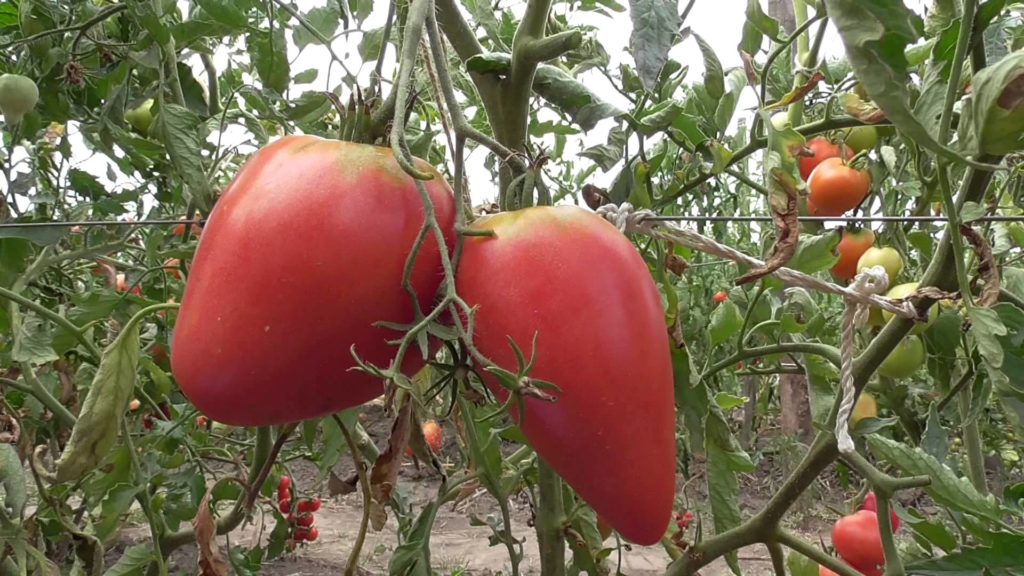
- Grandma's Secret. This variety is characterized by tall bushes. The tomatoes are round and firm. Each fruit weighs approximately 350 g. Grandma's Secret is distinguished by its high yield (up to 16 kg of tomatoes can be harvested from one square meter).
- Pride of Siberia. An early variety. Its bushes typically grow to 1.5 meters. They produce round fruits, weighing approximately 900 g. They have a fleshy and sweet taste;
- Great Warrior. Considered an indeterminate and early-ripening variety, the tomatoes are characterized by a round, ribbed shape. Their flesh is medium-dense. They weigh approximately 250-300 g. The yield per square meter is approximately 9.5 kg.
- Sensei. Suitable for growing in hotbeds and greenhouses, as well as in open ground. It produces medium-sized bushes bearing elongated raspberry-colored fruits, weighing up to 450 g;
- Velmozha. This is a determinate variety. Heart-shaped tomatoes ripen on the vines. They are characterized by slight ribbing. A crimson color indicates ripeness. A single fruit weighs between 130 g and 250 g.
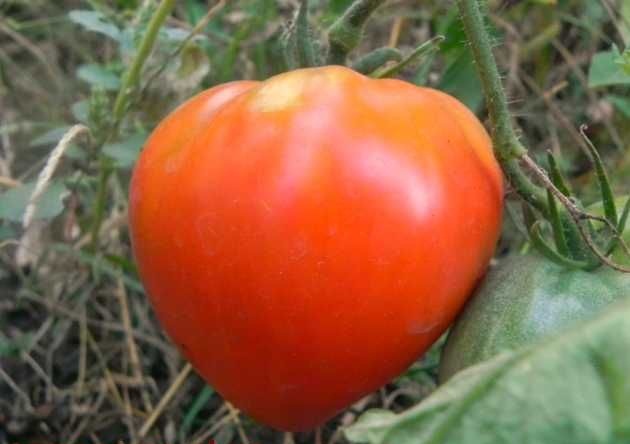
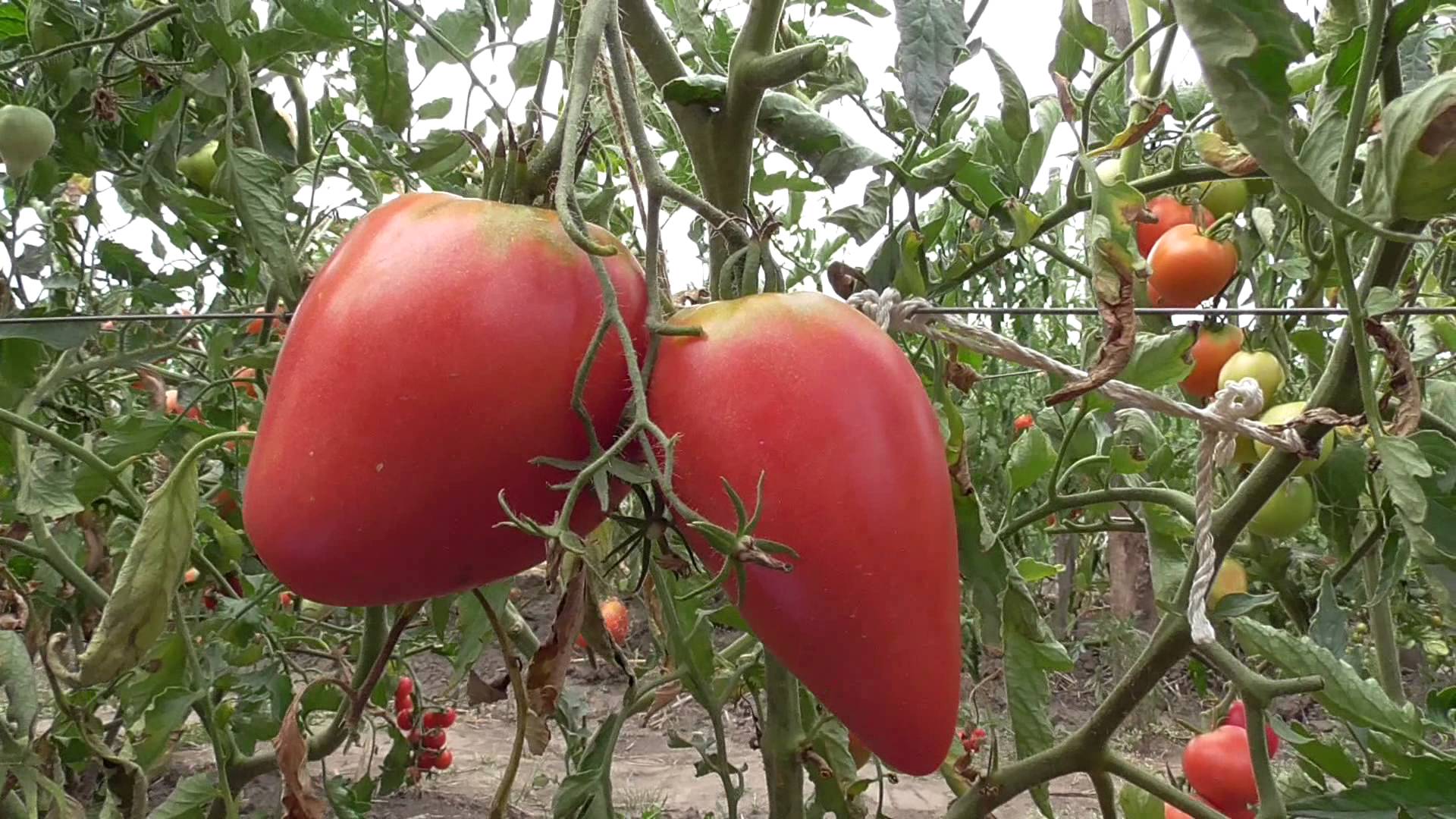
These are the best tomato varieties for indoor cultivation in Siberia. For the eastern regions of this region, the best varieties are considered to be Gina, Siberian Express F1, King of Siberia, and others.
All the varieties described above are distinguished by excellent resistance to sub-zero temperatures, good taste characteristics, and high yields.
Large-fruited varieties
Every year, Siberian breeders develop new tomato varieties. The most popular of these are the large-fruited varieties, including:
- Eagle's Beak. This indeterminate, tall plant produces heart-shaped, raspberry-colored fruits. Plants require staking and training. The average tomato weight is 300 g, and with proper care, up to 600 g.
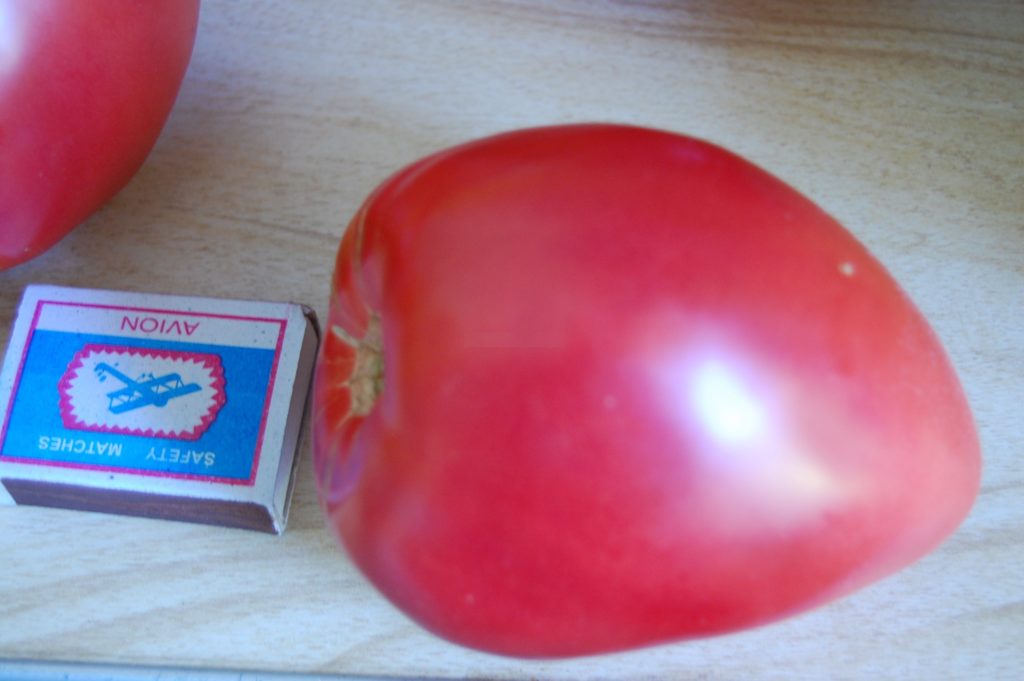
- King of Giants. Characterized by indeterminacy and mid-season maturity, the vines produce round, red tomatoes with quite meaty flesh. Each fruit weighs 450-600 g.
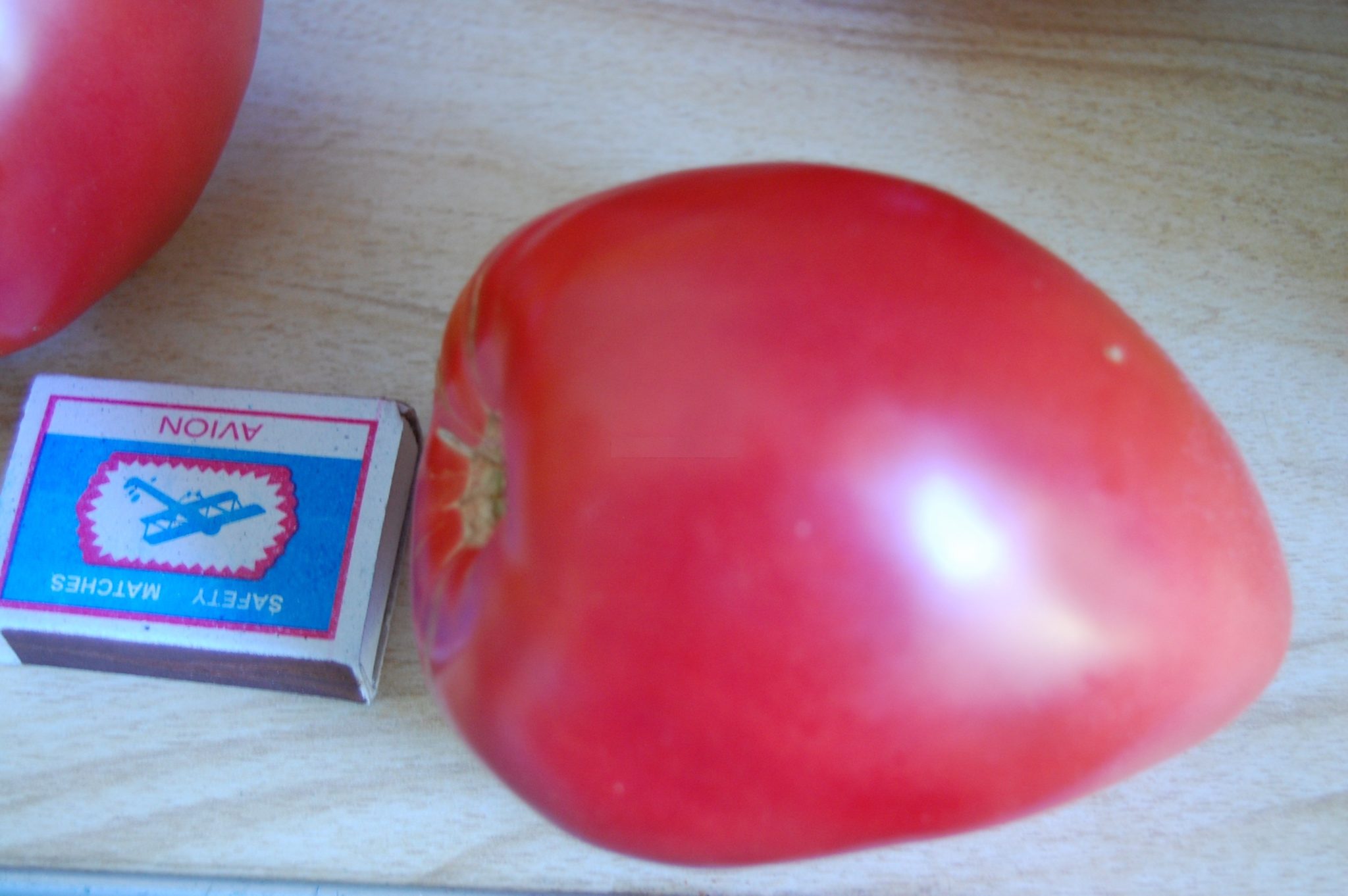
- Buffalo Heart. The plant can grow up to 1.8 meters in height. The fruits are heart-shaped and smooth. Their skin is pink. The flesh itself is very fleshy and sweet. Bushes can be planted outdoors;
- Bull's forehead. The plant is characterized by determinacy. The tomatoes are cube-shaped, fleshy, and bright red. They weigh about 500 g;
- Siberian Troika. Often grown outside of greenhouses. The bushes don't grow taller than 60 cm. Tomatoes weigh about 350 g. The yield is 5 kg per bush. The main advantage of this variety is that the bushes don't need pinching.
- Severyuga. The most productive variety. It produces excellent fruit in all weather conditions in the region. The bushes grow up to one meter in height. With proper care, tomatoes can weigh up to one kilogram;
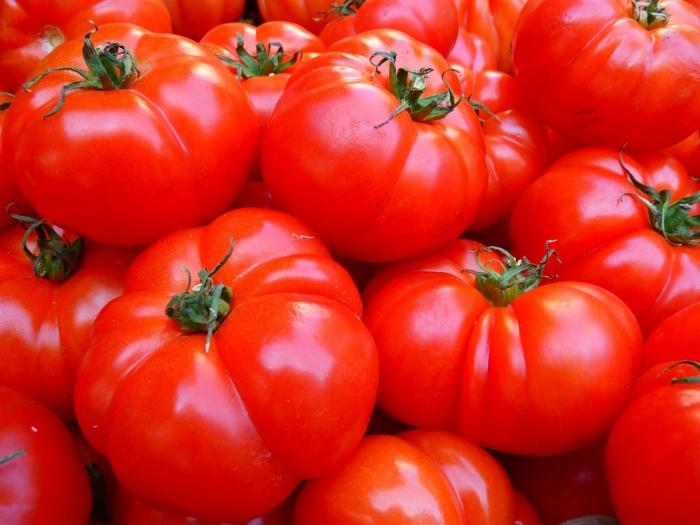
- King of Giants. A tall, mid-season plant. Bushes can grow up to 1.7 meters in height. Fruits weigh approximately 600 g;
- A favorite holiday. Characterized by early fruiting. Tomatoes ripening on the vine are heart-shaped and weigh around 350 g.
To grow tomatoes of any variety and type in Siberian conditions, it is necessary to know the specifics of their agricultural technology.
Growing tomatoes in the northern regions
To obtain an excellent harvest of garden crops in Siberia, careful selection of planting material is essential. The success of the entire subsequent harvest depends on the correct selection.
Due to the short daylight hours in this region, plants don't have time to grow strong and sturdy. Therefore, all tomato varieties must be early-ripening to successfully grow in this region.
Regardless of where you grow tomatoes (in a greenhouse or outside), to achieve the desired result, you must strictly adhere to the following agricultural practices for growing plants:
- Warming the soil. Instead of waiting for the soil to warm up naturally, you can use hot water pipes or electric heating cables. However, these are expensive technologies, and not every home gardener can afford them. Instead of warming the soil, you can properly prepare the beds. To do this, the soil should be disinfected, loosened, and fertilized. Then, form a mound approximately 15 cm high.
- Before planting, seeds must be thoroughly prepared: soaked in water, disinfected in potassium permanganate (weak solution) and treated with special solutions that accelerate their germination;
- Next, they are sown in a box with at least 2.5 cm of soil. The planting material is then covered with a 1 cm layer of dry soil. If everything was done correctly, the first shoots will appear in 4-7 days;
- when 2-3 true leaves appear, the plants are picked;

- After this, the sprouts are planted in separate containers and placed on the windowsill. During this period, proper lighting conditions are important;
- a week before planting, it is recommended to start taking the seedlings out into the fresh air;
- Seedlings should be planted in pre-prepared mounds. The optimal time for this is May (for a greenhouse);
- Holes are made in the beds. They should be spaced 40-50 cm apart. Before planting, biostimulants or complex preparations are added to the holes.
After planting seedlings, it's not recommended to water them immediately. Allow at least three days for them to dry out. Otherwise, they may be susceptible to bacterial rot. Proper care is required afterward.
Caring for Northern Tomatoes
Achieving an excellent tomato harvest in Siberia depends on proper care. Watering, loosening the soil (every 10 or 12 days), and hilling are essential. Depending on the variety, staking and shaping may be necessary.
The first feeding of tomato plants is done a week after planting them in a greenhouse or open ground. Another week later, the next feeding is applied.
By choosing the right tomato varieties and following the simple care guidelines outlined above, even in northern conditions you can grow healthy tomato plants and reap a bountiful harvest.
Video "Greenhouse Varieties"
This video will tell you about the best tomato varieties for greenhouses.