
Tomato varieties for the Leningrad region: greenhouse cultivation features
Content
Adapted varieties
The term "adapted" or "zoned varieties" didn't just appear out of nowhere. Each region has its own climate, which affects plant development differently. Furthermore, the crops themselves require specific growing conditions, determined by their varietal characteristics.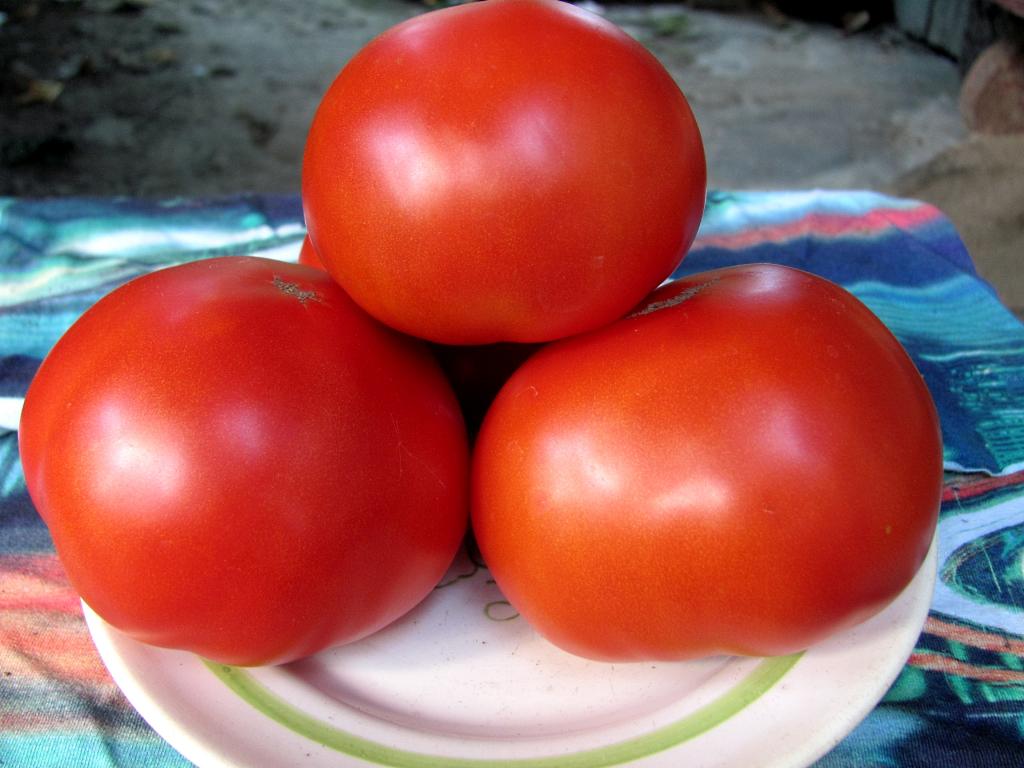
If we consider the zoning using the Leningrad Region as an example, we can say that the climate of this territory is moderately mild and changeable; within a single day, the weather can change dramatically, from extreme heat to sudden torrential rain.Add to this the constant gusts of wind, high humidity, short and cool summers, prolonged springs, and few sunny days per year, and it immediately becomes clear that growing tomatoes in open ground in this area is practically impossible.
To solve the problem, individual resistant varieties were developed, adapted to this climate and possessing the following qualities:
- tolerance to low light levels;
- high immunity to diseases common to tomatoes, especially fungal ones;
- short growing season (early fruiting);
- the ability to form ovaries in the absence of pollinators and low temperatures;
- the ability to accumulate sugars in conditions of insufficient sun.
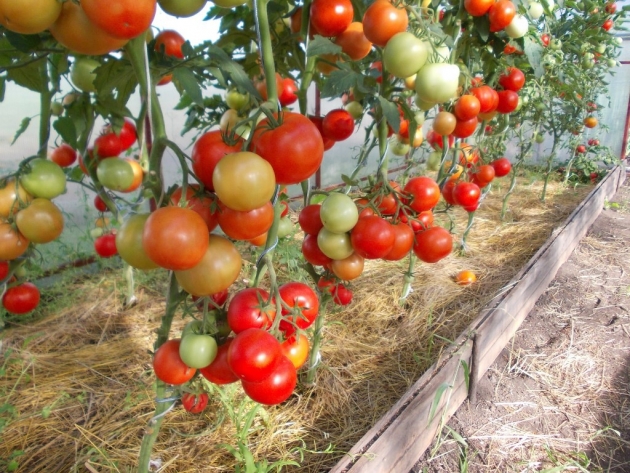
Currently, approximately 30 varieties zoned specifically for the Leningrad Region and possessing all of the above-mentioned qualities have been entered into the State Register of Breeding Achievements. As can be seen, a tremendous amount of breeding work has been done, and a separate variety, "Leningradsky," has even been developed, which has several hybrid forms: Skorospel'ny, Pozdniy, Osenniy, and Kholodok. Other adapted varieties are also worth mentioning:
- Northern Beauty. A versatile variety for growing in garden beds and under cover. The pear-shaped fruits are large (up to 120 g), with an excellent sweet flavor, and are ideal for salads.
- Dwarf 1185. A low-growing, mid-season hybrid (110-15 days). The bush is standard and compact. The fruits are small (50-60 g), oval, and red. Ripens in mid-August.
- Chanterelle. A determinate variety for general growing. The fruits are bright orange, oblong, and have a wonderful sweet flavor. They ripen uniformly in late July.
- Pharaoh F1. A mid-season hybrid tomato of the indeterminate variety. The bushes are tall, vigorous, and require shaping. The fruits are quite large (up to 150 g), clustered in clusters of 5-6, and are very tasty and bright red. They are very productive—approximately 26 kg/m2.
- Apple tree. A determinate, mid-season hybrid for general cultivation. The fruits are uniform, firm, of medium weight and size (up to 100 g), ideal for canning and preserving. The plants are virtually immune to fungal attacks and can thrive in high humidity conditions.
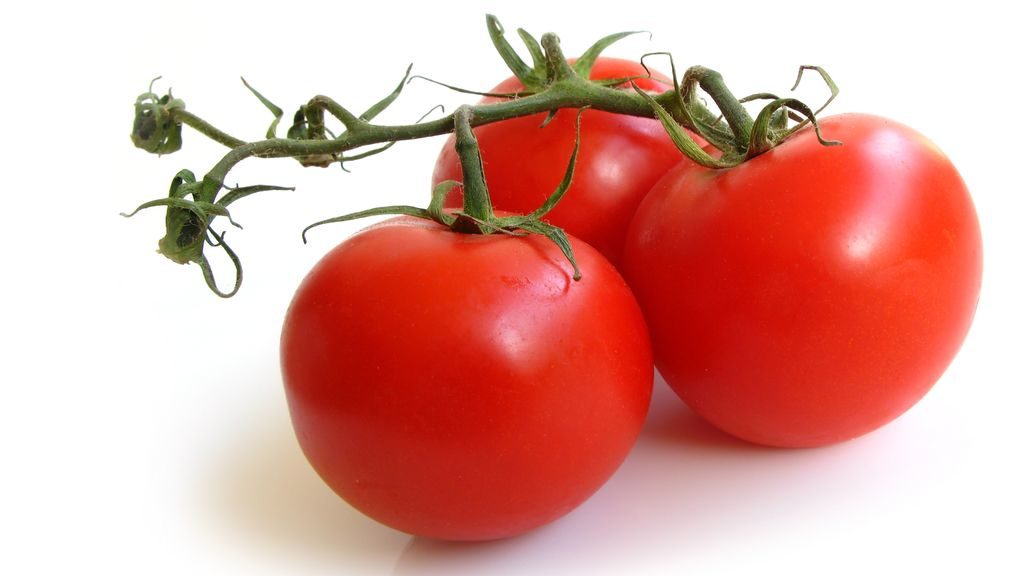
Video: "The Best Varieties for Greenhouses"
From the video you will learn which varieties are best suited for growing in greenhouses.
For growing in greenhouses
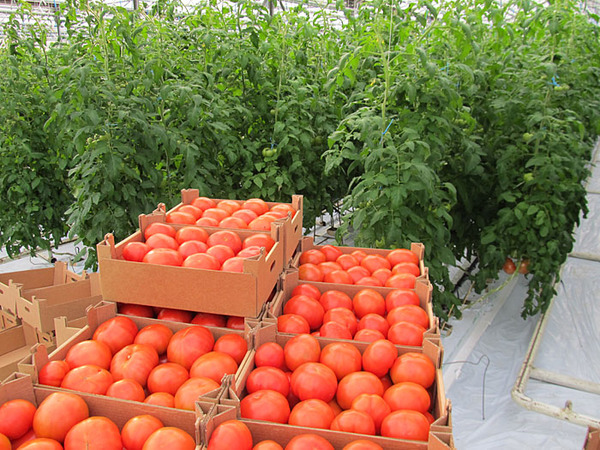
Greenhouses are the only option for growing early vegetables in this region. It's worth noting that in this climate, supplemental lighting is recommended for greenhouse structures, as regular daylight hours will be insufficient for plants, especially seedlings.
Indeterminate tomato varieties are more suitable for growing in greenhouses. They are more productive, resistant to diseases caused by high humidity, and have low light requirements.
By growing along a trellis, one bush is capable of bearing fruit throughout the year, but for this to happen, the plants must be provided with the necessary conditions and proper care.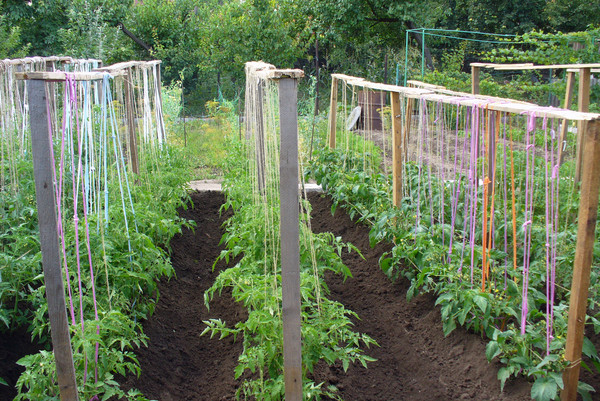
The following varieties grow and bear fruit successfully in the greenhouses of the Leningrad Region:
- Ural Multifruited. A tall, mid-season variety. The fruits are small (up to 60 g), flat-round, intensely scarlet, firm, and of excellent flavor. Highly resistant to fungal infections. Suitable for autumn-winter cultivation.
- Leningradsky Osenniy (Leningrad Autumn). An indeterminate mid-late variety, bred specifically for greenhouse cultivation. It requires little light, is cold-hardy, and can be grown in winter. The fruits are flat-round, slightly ribbed, orange-red in color, juicy, and slightly sweet.
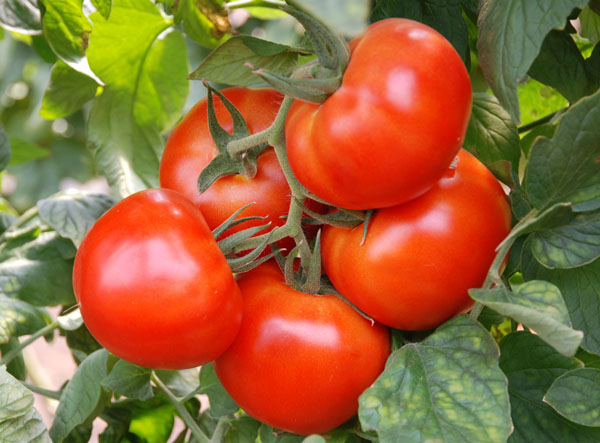
- Kostroma F1. The best greenhouse hybrid for cold climates. Resistant to diseases, it produces fruit even in the absence of adequate light. The fruits are red, uniformly round, and grow in clusters on the bush.
- Titanic. A cold-hardy greenhouse hybrid with mid-season maturity. The tomatoes are large, attractively pinkish-red, and quite sweet (over 6% sugar). Resistant to fungal infections, ripening is gradual.
Varieties for film
In the Leningrad Region, tomatoes should be planted exclusively under plastic film in open ground. Typically, dwarf varieties are chosen for planting under cover. They are more cold-resistant, don't require shaping, and produce tomatoes that are not only tasty but also very decorative. The following varieties can be planted under plastic film:
- Nevsky. A low-growing (up to 50 cm) hybrid tomato for growing in the ground and under plastic cover. The fruits are small (45-55 g), flattened, red, with a slightly tart flavor, and are suitable for all-purpose use.
- Gribovsky Ground. An early-ripening determinate variety with good cold tolerance. In high humidity, it can be susceptible to fungal diseases. The bushes are squat (up to 55 cm), the fruits are red, round, slightly flattened, and slightly ribbed, averaging 100 g. Recommended for fresh consumption.
- Baltic. Compact, determinate bushes with dense foliage. Fruits are red, round, slightly flattened, and large (120-170 g). The flesh of ripe tomatoes is firm, with an excellent sweet flavor, ideal for salads. Yield: 4-4.5 kg/m2.
- Flash. A low-growing, early-ripening variety with high resistance to sudden temperature fluctuations and late blight. The fruits are medium-sized (up to 80 g), firm, with a pleasant sweet flavor, suitable for salads and processing, transport well, and have a long shelf life.
Ultra-early greenhouse varieties
These varieties are characterized by accelerated germination and very early fruiting. They boast maximum yields, but for successful greenhouse cultivation, only varieties that are resistant to temperature fluctuations and increased humidity should be selected:
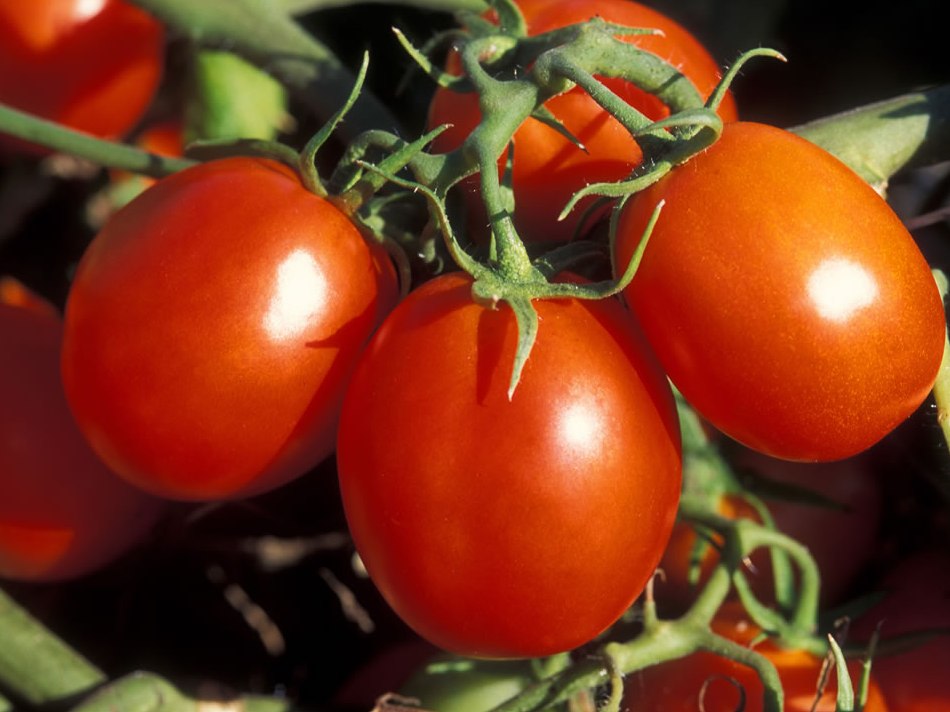
- Leningradsky Skorospel'ny. In this region's climate, ripening begins in the second half of July, and by mid-August, the harvest is complete. The bushes are low, standard, and require no pruning. The fruits are round, small (up to 60 g), and a rich scarlet color. These fruits are suitable for all purposes.
- Leningradsky Kholodok. A surprisingly cold-hardy variety, it can be grown in greenhouses during the winter. The bushes are compact, forming 3-4 clusters with 7-8 fruits each. Mass ripening of tomatoes begins in early July, and by the first ten days of August, all the clusters are ready. In greenhouses, harvesting occurs 1.5-2 weeks earlier. Yields are up to three kg per bush.
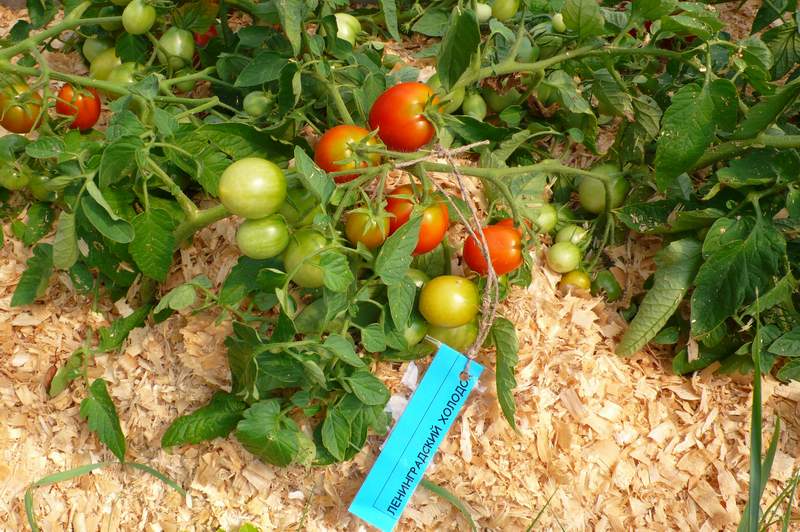
- Buyan. A high-yielding determinate salad variety. The fruits are cylindrical, medium-sized (80-120 g), yellow when fully ripe, sweet, and exceptionally tasty. Ripening begins in the first half of July.
- Amber. A high-yielding variety (4-5 kg/m2) suitable for all-purpose use. The fruits are small (40-50 g), spherical, bright yellow, and have a pleasant sweet taste. The plants are highly resistant to cold and fungal diseases.
- Pink Souvenir. A determinate variety with good cold and humidity tolerance. The bushes are compact (up to 60 cm), with flat-round, pink-colored fruits with a mild, sweet flavor. The growing season lasts 75-80 days. It boasts good yields – up to 8 kg/m2.
In conclusion, despite the climate and weather conditions in this region, modern gardeners are quite successful in growing not only tomatoes but also many other heat-loving vegetables. The key is choosing the right variety. When purchasing seeds, pay attention to the requirements and varietal characteristics of the tomato, its resistance to cold and fungal diseases, as these factors have the most adverse effects on tomato growth and yield.
Video "Growing"
This video will show you how to properly grow tomatoes in a greenhouse.