
Tomato "Yablonka Rossii" - characteristics and cultivation
Content
Characteristics of the variety
The "Yablonka Rossii" tomato delights with its early-ripening fruit, which grows well both indoors and in the garden. This variety is a determinate variety with medium characteristics, meaning the bush doesn't grow very tall, the number of leaves is moderate, the fruit isn't hidden beneath them, and the leaflets are also medium-sized. The name eloquently describes the bush: the red, round fruits, when ripe, stand out beautifully among the dark green leaves, reminiscent of apples.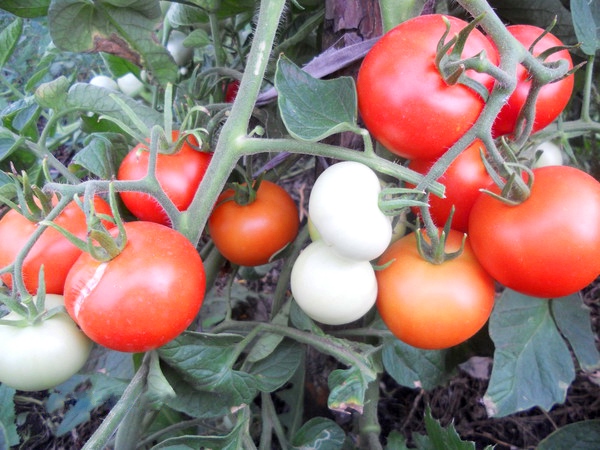
This standard bush doesn't require staking; its sturdy stems, reminiscent of potato stems, hold the numerous fruit-bearing vines securely. No side shoots are needed either. The average height of the bush is 60-80 cm, but it can reach up to one meter. The "Yablonka Rossii" tomato thrives in fertile loam soil, is resistant to many diseases, and even tolerates extreme weather conditions. Short periods of drought or overwatering do not reduce yield, and the fruit does not crack due to uneven moisture supply. From germination to the first harvest, 100-115 days pass. This variety is typically grown from seedlings, but in the south, the seeds can be sown directly into the garden bed, covered with plastic if necessary.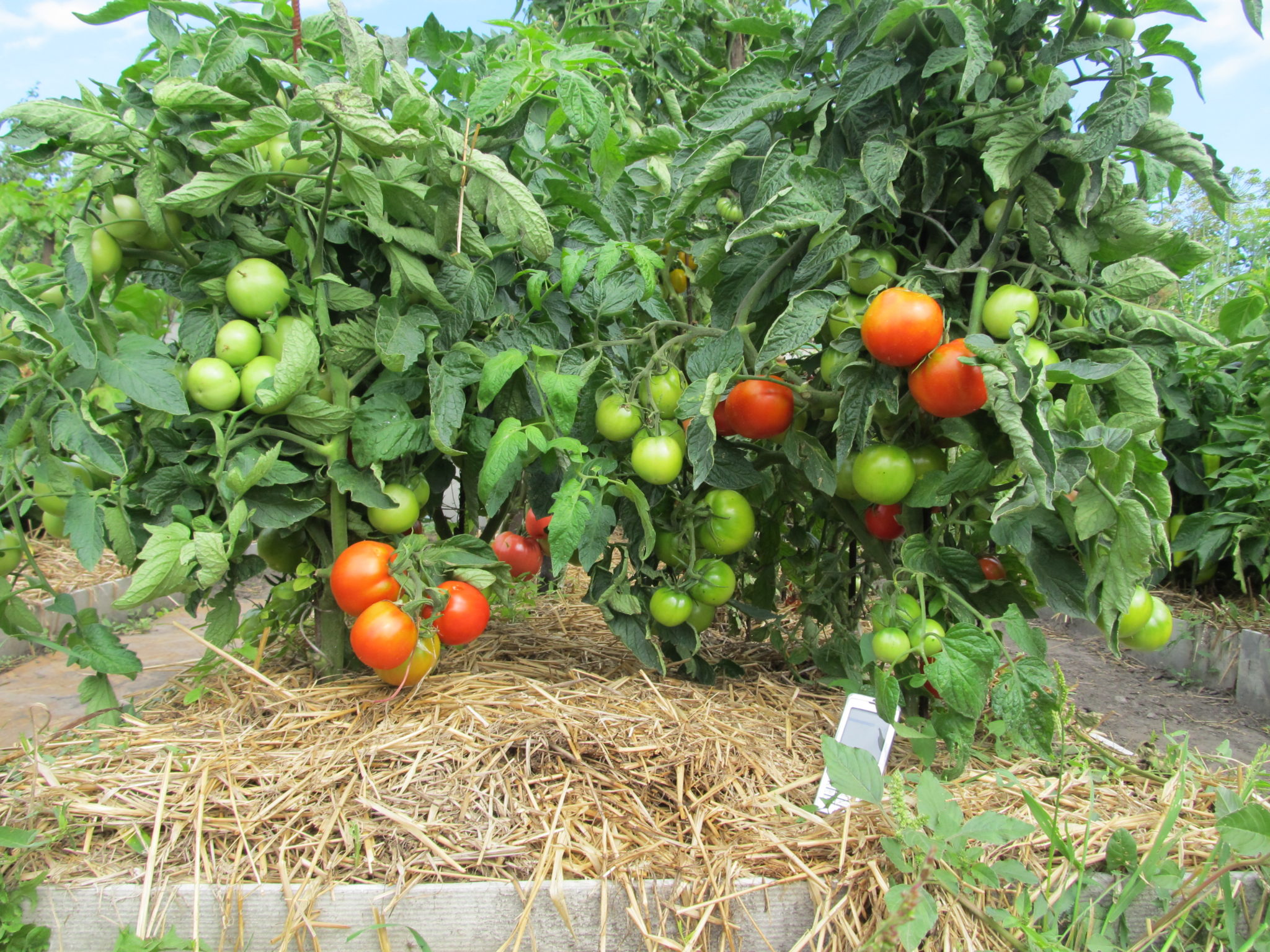
The first ovary forms above the 7th to 9th leaf, and a bush can produce up to 100 tomatoes at a time. With normal care, each bush can produce three to five kilograms of fruit. Round, bright red tomatoes with thick skin average 80 grams in weight and are delicious, sweet with a subtle tartness, firm, and fleshy. They are easy to transport and keep for a long time at temperatures up to 10 degrees Celsius. They are eaten fresh, salted, pickled, canned, and used to make juices, purees, adjika, and sauces.
Video "Description"
From this video you will learn a lot about the tomato variety "Yablonka Rossii".
Planting methods and times
Both tomato seeds and seedlings should be planted in the garden once warm weather has set in, which is likely why most vegetable growers prefer to grow early varieties from seedlings. The "Yablonka Rossii" tomato variety can be grown year-round in greenhouses, provided the plants are provided with the right temperature and light. However, it is planted in the garden in late May or even early June, depending on the region. Seedlings grow for approximately two months, so sowing them should be done based on the expected planting date.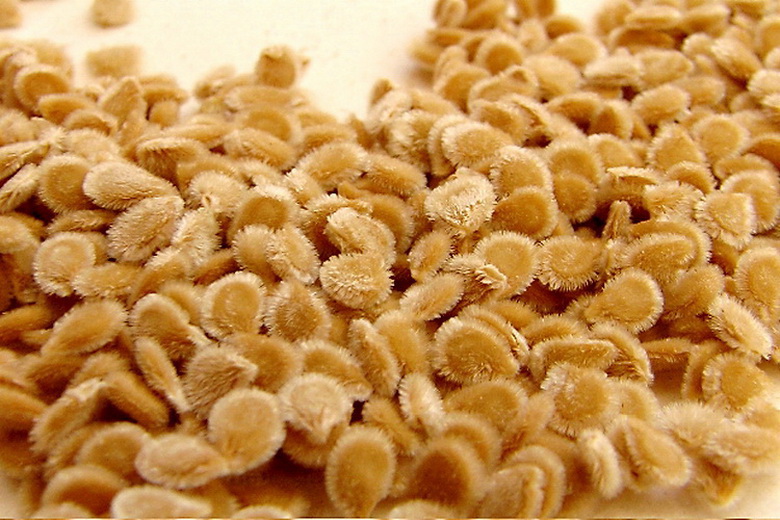
Typically, March is the time to begin preparing seeds for germination. It's best to soak them in warm water for a few hours (this will also remove any unsuitable ones), disinfect them with a potassium permanganate solution, and then plant them in special seedling containers, most commonly boxes. You can buy soil specifically formulated for tomatoes, but gardeners often use regular garden soil, mix it with humus or compost, and leave it there in the fall so that in the spring, the soil is ready for use, not frozen.
Prepared seeds are planted in moistened soil, in 2-cm-deep holes, covered with soil, covered with plastic wrap, and kept for several days at a temperature of 24 to 26 degrees Celsius until germination. Once sprouts emerge, expose them to light and remove the plastic wrap. When a few leaves appear, transplant the seedlings into individual pots.
There's another very effective method for germinating seeds. You'll need polyethylene strips 20 cm wide and 1-2 m long. Place three-ply toilet paper on top of the polyethylene. Dissolve a few drops of root growth stimulant in a jar, then moisten the toilet paper with this solution using a rubber bulb. Place the prepared seeds on the strip along one edge (1 cm apart), spaced 5-7 cm apart, starting about 10 cm apart rather than from the very beginning of the strip. Gradually moisten the paper and place the seeds on it, then roll the strip (loosely) into a roll. Then, place a rubber band on the rolled roll to secure it. Experienced vegetable growers place a label with the variety's name under the rubber band. Several of these rolls are placed in a box or other convenient container, covered with a plastic bag, and stored in a warm place.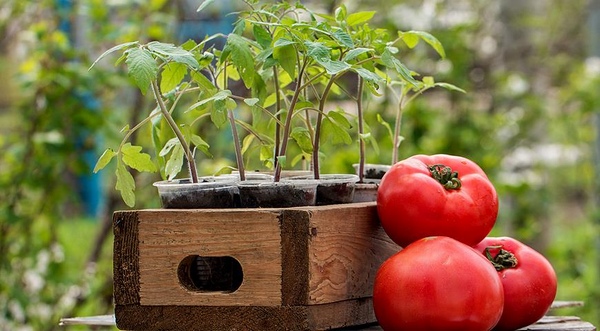
After a few days, sprouts will emerge from the seeds. Then, take each roll, carefully unroll it, and simultaneously cover the entire roll with the seeds and toilet paper with a 1-1.5 cm layer of soil. This will create the same rolls, but with soil. They are placed in the same manner as before on a tray, in a box or crate lined with sawdust. A generous sprinkle of soil is then added to the top of each roll, ensuring that each sprout receives sufficient soil. Cover the rolls again with a bag and store them in a warm place. They should be moistened periodically; after watering, the sawdust will reveal its role: it will absorb excess moisture and then release it to the plants. When the sprouts rise above the roll, remove the bag, and bring the box containing the rolls into the light. Once a few leaves appear, transplant the plants into separate containers.
Seedlings need warmth and light, and two weeks before planting, they begin hardening off by placing them outdoors. Some gardeners sow seeds in late March and then move the emerging sprouts into a greenhouse, even covering them with plastic. Creating greenhouse conditions stimulates accelerated seedling growth.
Growing
Tomatoes should be planted in a bright, draft-free spot, receiving maximum sunlight for their development. "Yablonka Rossii" grows best in loamy soil after cabbage, legumes, dill, and garlic. Avoid planting tomatoes after potatoes, eggplants, and peppers, as the soil has accumulated pathogens harmful to tomatoes, and pests have laid their eggs, posing a risk to our vegetables.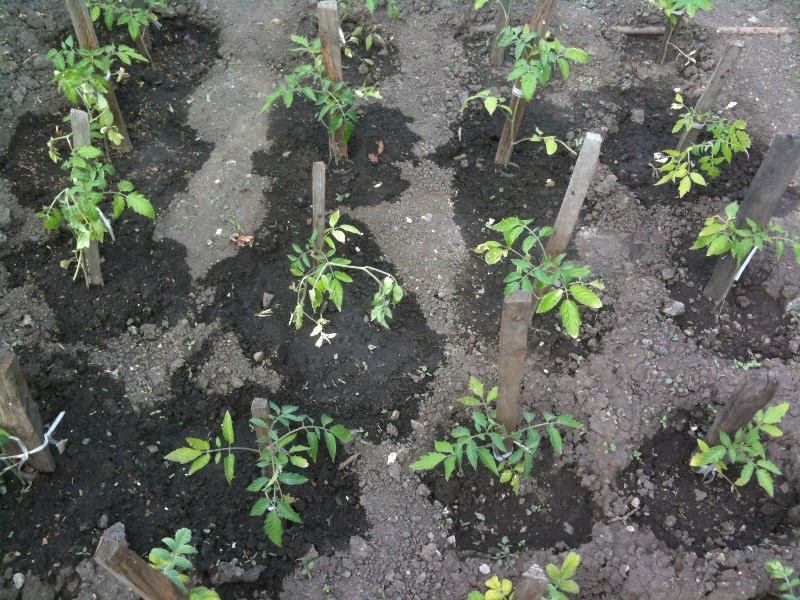
In the garden, tomatoes are planted in prepared holes, dug 50-60 cm apart, filled with compost or manure, watered, covered with soil, and placed on top of the soil ball containing the plant. Some gardeners shield the tender plants from the sun, gradually acclimating them to it. If frost returns, they are covered with lutrasil or plastic film at night. After two weeks, the first feeding is done. For this, you can use a vegetable mash or an infusion of mullein (bird droppings). Both infusions are diluted very generously with water (tenfold or more) to avoid burning the roots. Watering and liquid feeding are applied at the roots; tomatoes do not like their leaves and stems to be wet, as this can provoke diseases.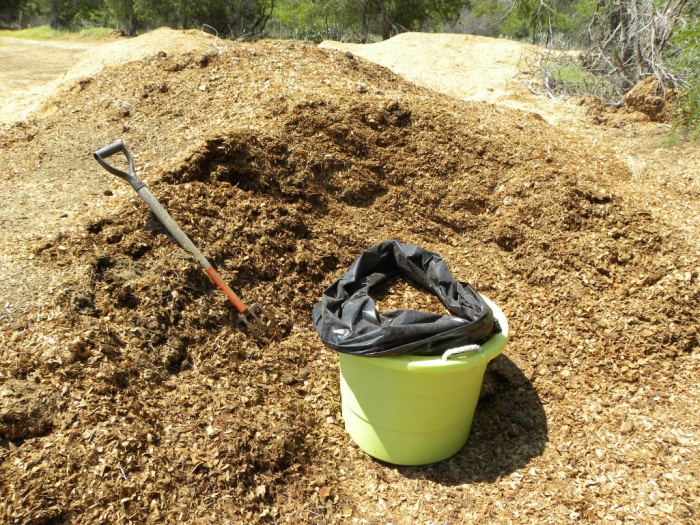
All care for the "Yablonka Rossii" consists of regular watering, weeding, loosening the soil, hilling the bushes, and fertilizing. No staking or pinching of the bushes is required, which is why this variety is called "for the lazy." Watering should be adequate; overwatering is not recommended, nor is leaving the plant without water until the soil dries out. However, if this happens, the plant quickly recovers from interrupted watering, and the fruit does not crack. After watering, rain, or liquid fertilizer, loosen the soil to ensure fresh air constantly reaches the roots. Weeding is essential to prevent weeds from overgrowing the bed. To reduce weeding, mulch the soil around the bushes with hay, sawdust, or the same weeds, but chop them up first. Hilling the bushes stimulates the formation of additional roots, thereby strengthening and strengthening the plant. This can be done several times per season. Fertilize with mineral fertilizers (superphosphate, potassium chloride, ammonium nitrate) 3-4 times. The condition of the soil determines the frequency of fertilizing, and the plant itself will tell you if it needs fertilizer.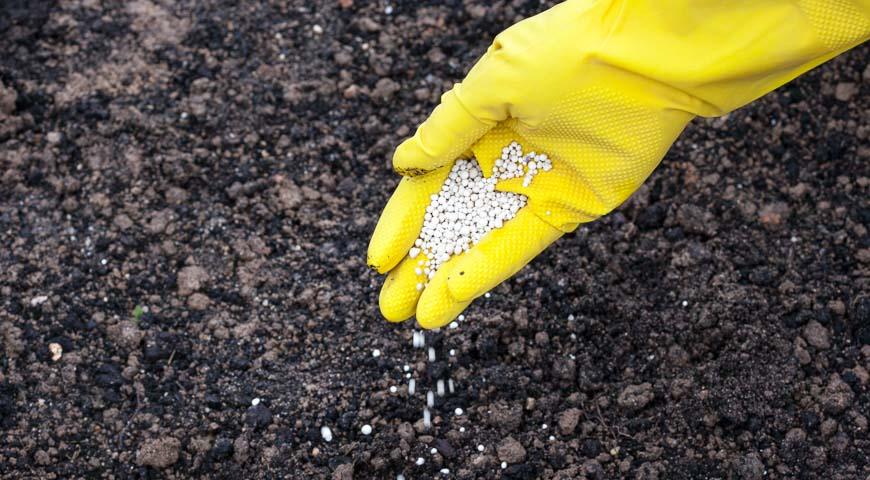
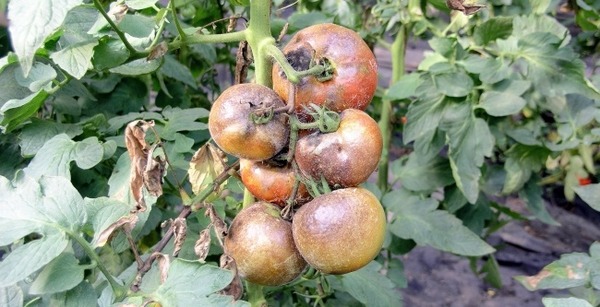
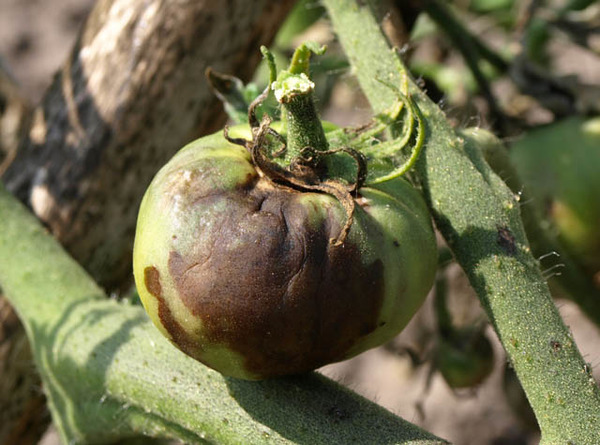
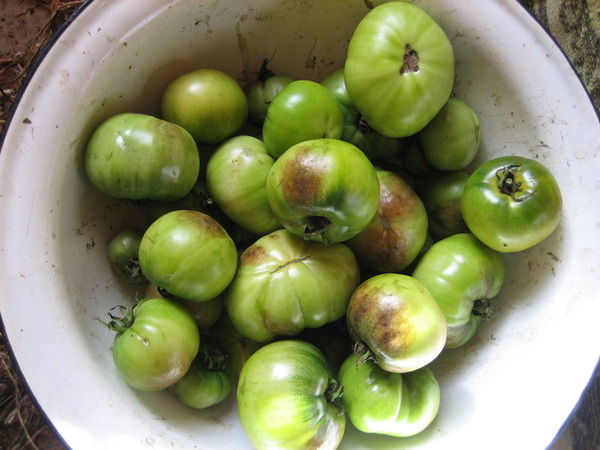
The variety is resistant to most diseases and pests. However, it is not completely immune to these problems; late blight sometimes occurs. To prevent this, avoid planting too close together, avoiding shade, and avoiding weed overgrowth. Some vegetable growers perform preventative spraying with a fermented milk product solution, simply diluting the whey with water (five times) and applying it to the plants. If the plant does become infected, the affected parts (or the entire plant) will need to be removed, and the remaining parts and surrounding soil treated with special preparations.
Among the pests that can plague the Yablochka tree are aphids and whiteflies. These can be controlled with tobacco dust and infusions of nettle, dandelion, and wormwood.
Advantages and disadvantages
The "Yablonka Rossii" variety has undeniable advantages over other tomatoes. It requires no side shoots or staking, and is easy to care for. It is resistant to most diseases, even in adverse conditions.
The tasty, healthy fruits are resistant to cracking, versatile in use, and have a long shelf life. This early variety is successfully grown not only in greenhouses but also in open ground; it's easy to care for, and the results are simply superb.
A potential drawback is the risk of late blight or pest attacks. However, compared to other varieties, this risk is very low. This variety is becoming increasingly popular and sought after among gardeners.
Video "Pests and Diseases"
This video will teach you how to control tomato pests and diseases.