
Tomato Volgogradsky is an early ripening variety.
Content
Features of the variety
How difficult it can be to wait for the first tomatoes to appear! It was for such impatient gardeners that the early-ripening tomato variety Volgogradsky was bred. This tomato is perfect for those who don't have the time to devote too much attention to their garden beds: it is determinate (a low-growing bush that doesn't require additional support). These tomatoes grow successfully without special care and are capable of bearing fruit by the end of June: the ripening period for this variety is 105 days. The main characteristic of this variety is its high yield: each bunch produces up to ten round, flattened fruits weighing about 100 grams. The variety has moderate disease resistance, and the fruits are suitable for fresh and canned consumption.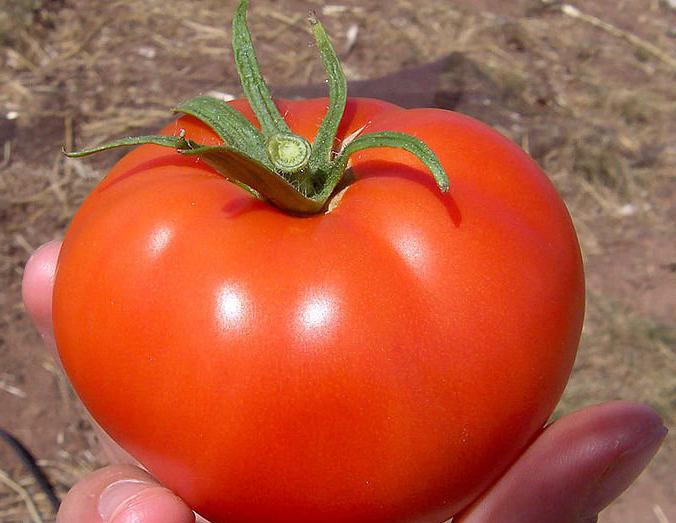
One of the most popular varieties is the early-ripening, proven heirloom tomato variety Volgogradsky 323. Developed in the 1970s, the 323 variety remains popular today. Each plant reaches 45 centimeters, producing red-orange fruits with consistent fruiting. The 323 variety is distinguished by its large number of leaves and branches on the bush, with a flower stalk above each leaf, starting with the fifth true leaf. Another important detail distinguishing the Volgogradsky 323 variety is the uniform size of all the fruits on the branch.
The Volgogradsky tomato is very tasty, has excellent transport qualities, and is an unpretentious plant that can be grown even by novice gardeners.
Another equally noteworthy variety is the Volgogradsky 5/95 tomato. This tomato isn't particularly early: it takes about 115 days from germination to fruiting, but what fruits! Each tomato reaches 150 grams, and the bushes don't require staking or additional feeding. Volgogradsky 5/95 tomatoes combine two distinctive features: excellent taste and versatility. This means the tomato's flavor remains undiminished whether canned, cooked, or especially fresh.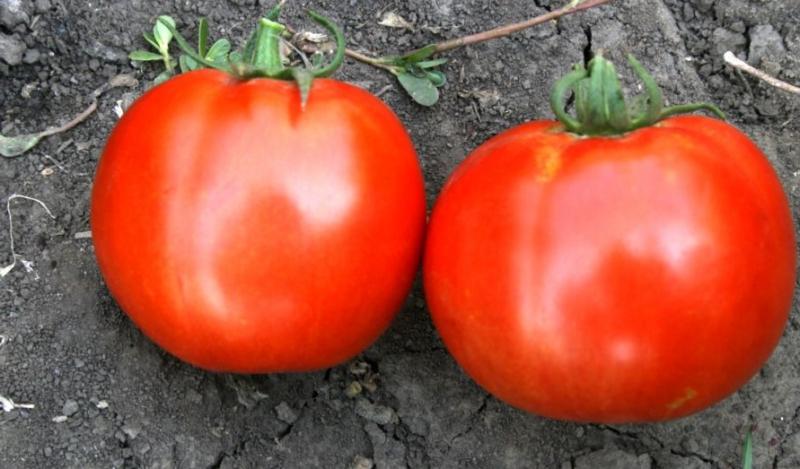
Planting and care
The timing of sowing seeds for seedlings will depend on the conditions you plan to plant them in: if you plan to grow them in protected or heated greenhouses, this should be done as early as February. If you plan to plant them in a plastic greenhouse, the seedlings should be ready by May, and the seeds should be sown in the second half of March.
Like all tomatoes, the Volgogradsky variety, including 323, requires transplanting. The process is as follows: when a pair of true leaves appears, each seedling is transplanted into a separate pot to strengthen the root system. At the end of May, the strengthened seedlings can be planted under plastic, and in open ground in early June. The holes for the seedlings should be made deep enough, and they are planted before the first pair of true leaves appear. The Volgogradsky tomato does not like excessive watering; it should not be done more than once every two weeks.
Video: How to Plant Tomatoes
In this video, an experienced gardener explains all the intricacies of planting tomatoes.
Fertilizer
Despite the low-growing nature of this variety, plants do produce side shoots. Naturally, these should be removed to ensure the plant forms a single bush. Avoid breaking off the shoots at the stem—they will quickly regrow. An excellent use for these removed side shoots is to make a harmless fertilizer for seedlings.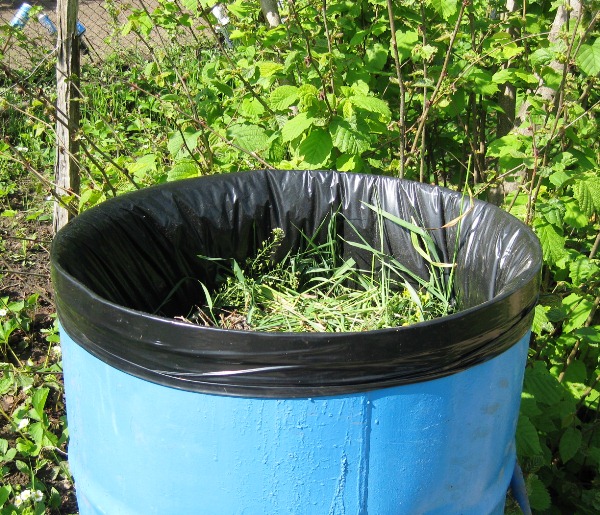
The process is described in several stages: the collected side shoots are collected in a container and covered with water, leaving it to ferment for several weeks. After this, the infusion is strained and diluted with water at a ratio of 1 part fertilizer to 10 parts clean water. This fertilizer is a type of nitrogen fertilizer; it is applied to tomato plants before flowering. However, the best results can be achieved by feeding tomato plants with traditional organic fertilizers such as manure or compost.
Harvesting
The early-ripening Volgogradskiy tomato, variety 323, delights with its first harvest as early as June. Many gardeners resort to a trick to speed up the ripening process. Here's a brief description of how: as soon as the fruits turn brown, they are picked from the branches and left in a sunny spot to ripen.
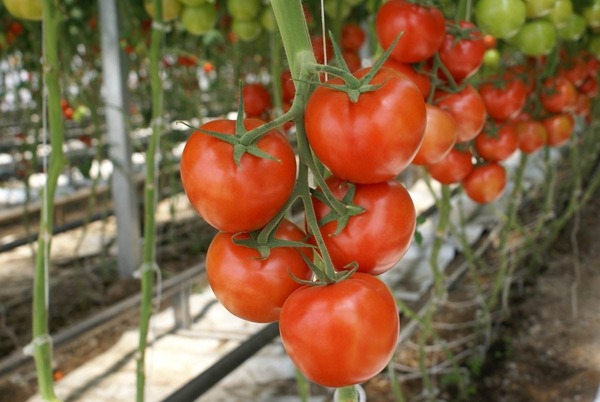
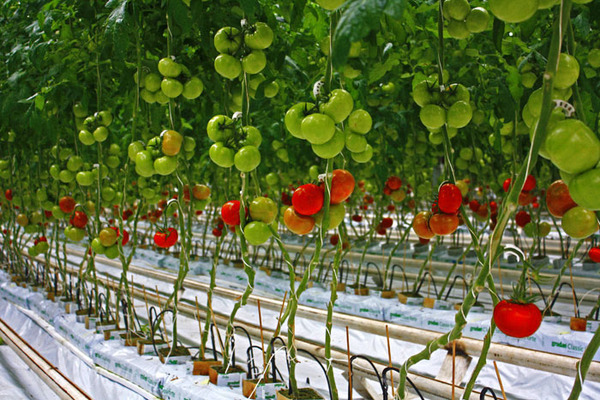
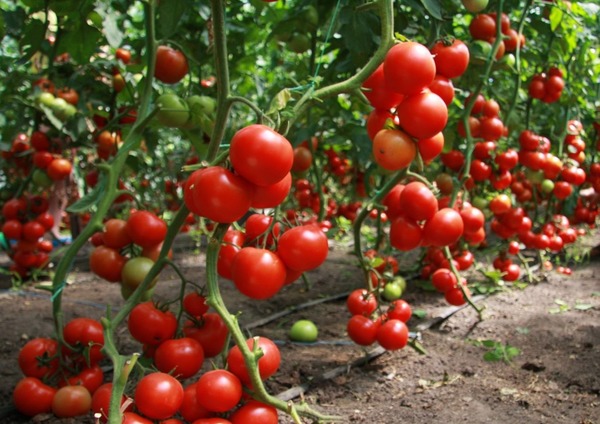
After a few days, each tomato will be ripe and delicious. However, this should only be done with tomatoes that have already turned brown: if you pick a green tomato, even if you wait for it to turn red, its flavor will be poor. The early-ripening Volgogradsky variety has proven itself excellent in a variety of applications, from salads to pickling and canning.
Pest and disease control
To ensure your Volgogradsky tomato variety produces a good harvest, it's important to protect the plants from potential plant diseases and pests. To prevent attacks by insects such as whiteflies and tomato mites, treat the plants with an insecticide solution promptly—approximately a month before the tomatoes begin to bear fruit. If tomato plants are grown in greenhouses, insect control measures also include regular ventilation. The biological product Boverin is sometimes used.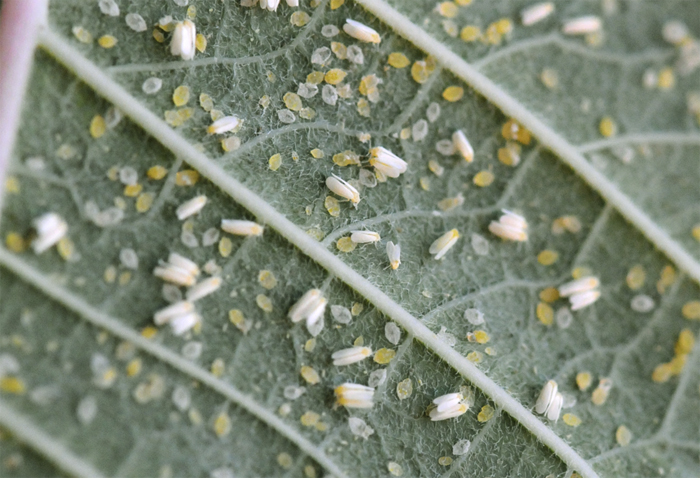
Another scourge of gardeners, affecting the early-ripening Volgogradsky tomato variety, is blossom-end rot. The disease manifests itself while the fruit is still green, affecting the tops, and is caused by a calcium deficiency. To effectively combat the disease, green fruits are sprayed with a calcium nitrate solution.
Early-ripening Volgogradsky tomato varieties can be susceptible to another problem: gray mold. This fungal disease, which is more prevalent in greenhouses and hothouses, develops primarily in rainy and cool weather. Symptoms include the appearance of dark, grayish spots all over the plant, including the fruit and flowers. Treatment involves removing the affected leaves. Symptoms resolve spontaneously once the air temperature rises.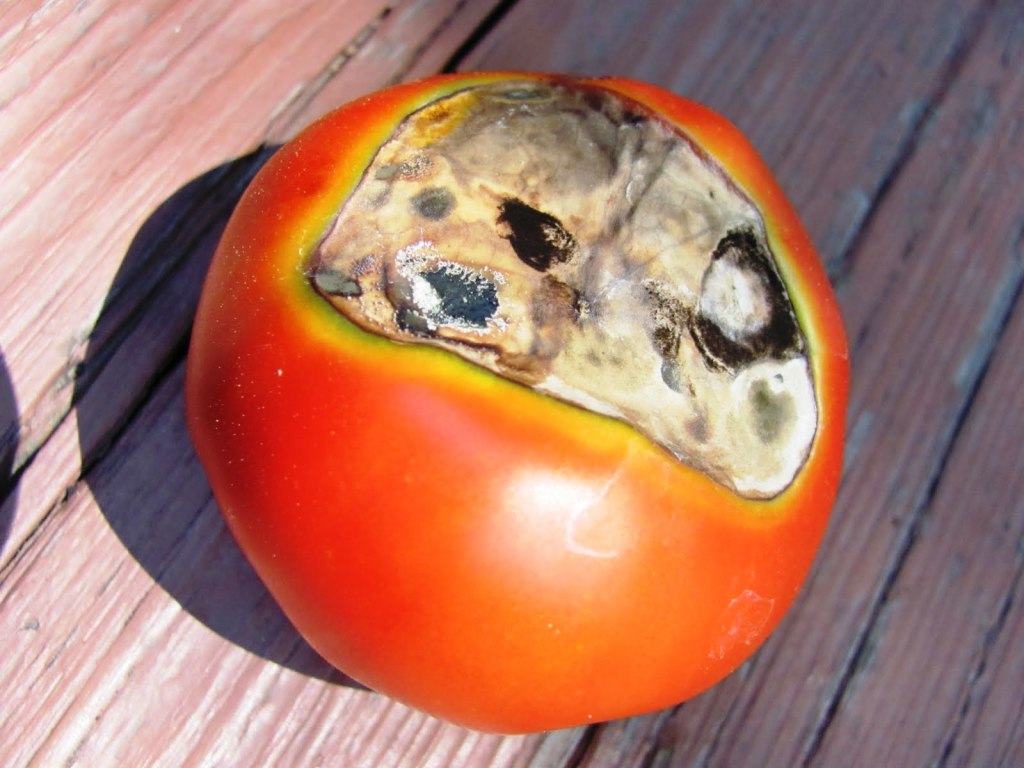
Spider mites are equally dangerous for tomatoes like the Volgograd variety. This pest primarily infests greenhouses. Damaged plants turn yellowish and become covered with small spots. Controlling the pest is easy—simply remove the greenhouse plastic or treat the plants with Actofit.
The Volgogradsky tomato variety, while not new, has long won the hearts of gardeners with its unpretentiousness and high yield, not to mention the excellent taste of its fruits.
If you're not yet familiar with this variety, be sure to try growing it in your garden – we assure you, you won't regret it!
Video "Tomato Diseases"
In this video, farmers share their experiences in combating tomato pests.