
Tasty tomato variety Moskvich
Content
Characteristics and description of the variety
Moskvich is a high-yielding variety. It was developed by the Gorki Leninskiye scientific base and was released in the mid-1970s.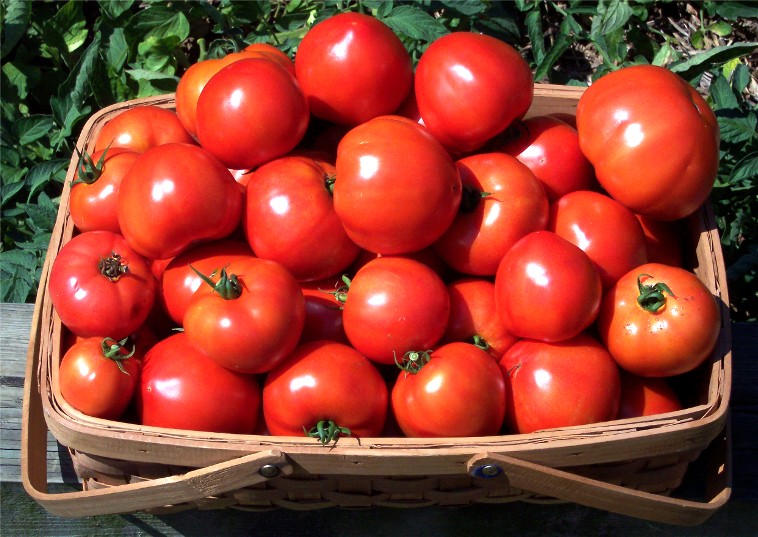
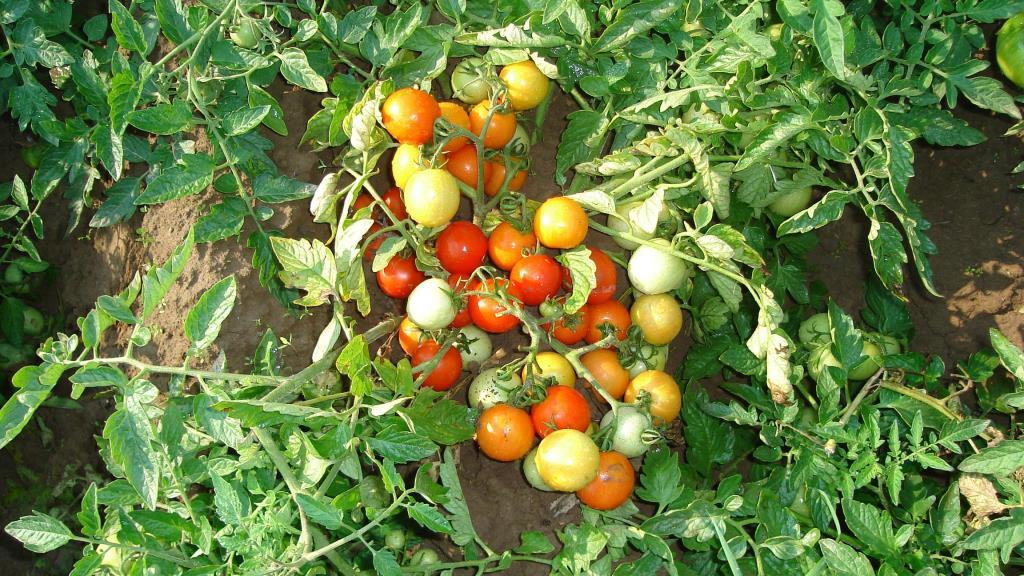
Looking at the variety's characteristics, you'll notice that the bush is determinate, compact (about 40-50 mm tall), standard-type, and has a medium foliage. The leaves are small and corrugated. The fruits ripen in clusters of 5-7. The yield is very high. The main stem bears about 7 inflorescences. The first inflorescence appears above the 8th leaf, with subsequent inflorescences appearing 2-3 leaves apart.
Advantages:
- Tasty, even and beautiful fruits.
- Productivity.
- Versatility of fruit use.
- Cold resistance.
- Unpretentiousness.
Description of fruits:
- The tomatoes are medium-sized, weighing about 70 g, round in shape with slight ribbing at the stem.
- The color of the unripe fruit is green with a dark spot near the stalk.
- Ripe tomatoes are bright red and weigh an average of about 80 grams.
- Soft skin, not tough, juicy, fleshy pulp. Lots of seeds.
- The taste is rich and sweet.
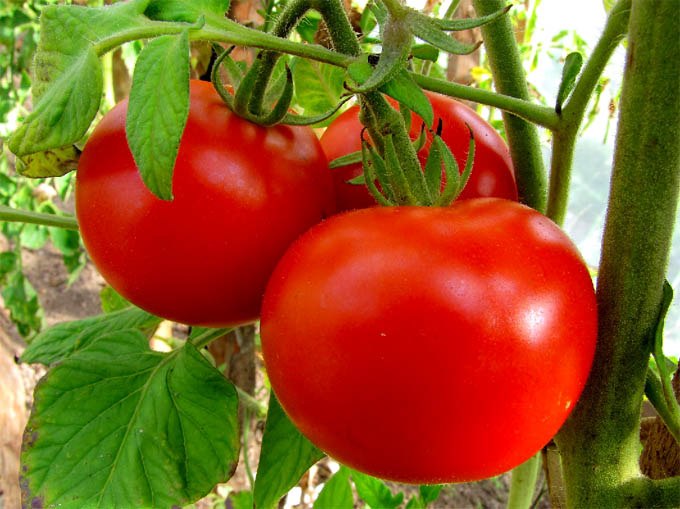
These tomatoes are perfect for salads, hot dishes, various soups, borscht, sauces, and juices. They can also be pickled and included in vegetable platters. Yields range from 150 to 460 centners per hectare, with a quarter of the crop ripening in the first two weeks. These are quite good characteristics for a northern vegetable.
Video "10 Mistakes in Growing Tomatoes"
The author of the video talks about mistakes made when growing tomatoes.
Features of cultivation
The Moskvich tomato, despite its name, is best suited for growing in Siberia, the Volga region, and the northwestern and central regions. And this climate description is worth believing, as these varieties were developed by our people for our climate. They don't require pinching, which greatly simplifies care.
They can be grown both in open ground and under plastic. The fruits store well and are suitable for transport. Tomatoes picked green ripen easily at home.
They are easiest to grow using seedlings. The soil is prepared from wood soil and humus in a 2:1 ratio; a mixture of peat, humus, and turf soil can also be used. The latter fertilizer even has slightly better properties. Before planting, the seeds are soaked in a root stimulant, which will speed up growth. They are planted 1.5-2 cm deep and 4-6 cm apart on average, then covered with peat and sprayed with water. Avoid sowing the seeds too close together, otherwise the seedlings will easily smother each other. Growth requires a temperature of 22-25 degrees Celsius. After the seedlings emerge, the temperature is lowered and the containers are placed in light. Follow these instructions, and you will have the most resilient seedlings. Young tomatoes require long days and moderate watering. When the first leaves appear on the seedlings, they are pricked out and then fed with a complex fertilizer.
Pricking out this variety is very easy. It should be done when the plants have two leaves. Transfer the strong plants to larger pots, and remove the weak ones. It's easiest to transfer them to paper cups filled with the same soil they were in. To avoid damaging the young roots, water the soil before transplanting. Take several tomatoes at a time, complete with soil, then separate them and plant them in cups. Place them in their new location so that the roots don't break or bend. After pricking out, place the plants on the balcony.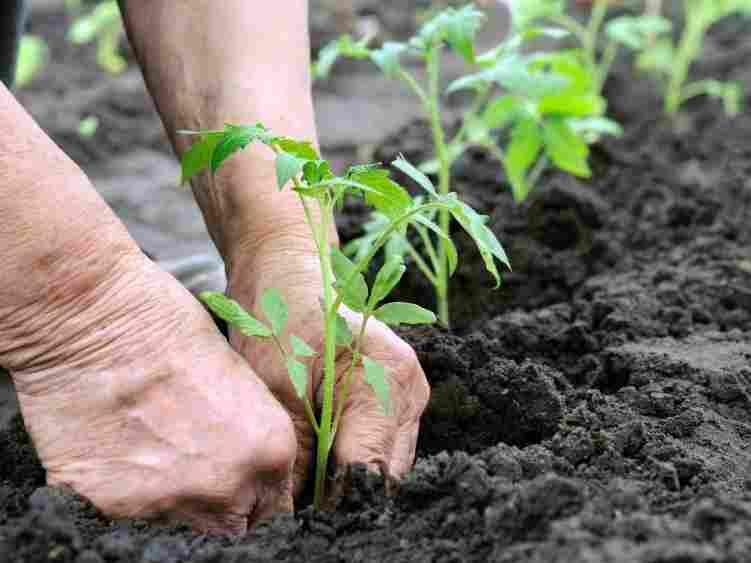
Transplanting into the ground is done in late spring or early summer. The soil should be warm; you can initially cover the tomatoes with plastic film. Read the instructions to ensure it's neither too thick nor too thin. The film can be removed around May 20th, once stable, warm temperatures have set in. Before planting, dig the soil to a depth of approximately 35 cm and add fertilizer.
Then, just before planting, apply 60 grams of superphosphate, 16-17 grams of dry bleach, and 25 grams of ammonium nitrate per meter. Read the fertilizer labels carefully! Don't mix them up.
Plant the bushes approximately 35 cm apart, with a distance of 60-70 cm between rows. Water the tomatoes generously before and after planting, as this is the only way for all the plants to take root. They don't need to be tied up; remove the lower leaves to ensure adequate sunlight. Water generously, but not frequently, using only warm water. Fertilize them with a complete fertilizer every 15 days. A description of how to do this can be found above. Water these tomatoes every other day, as they thrive on moisture. On rainy days, you don't need to water the plants. Tomatoes stop producing fruit at the end of August.
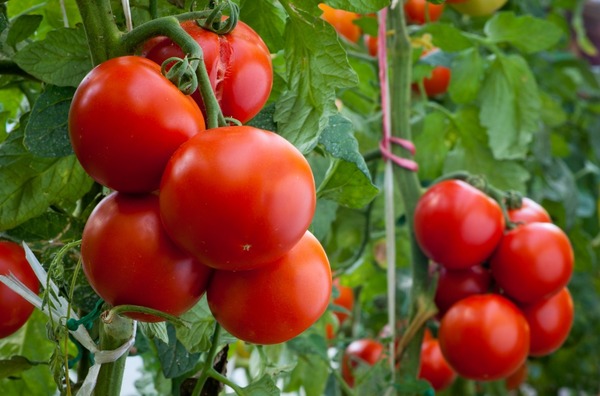
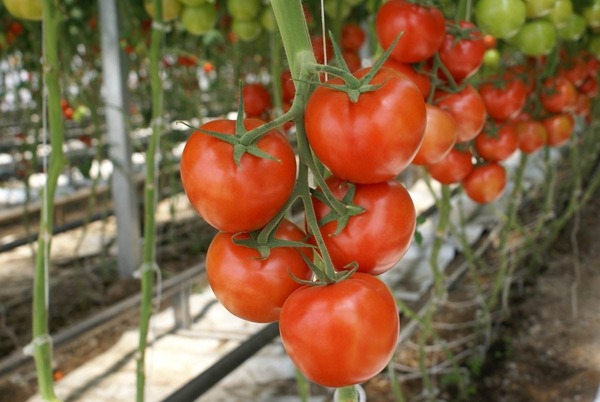
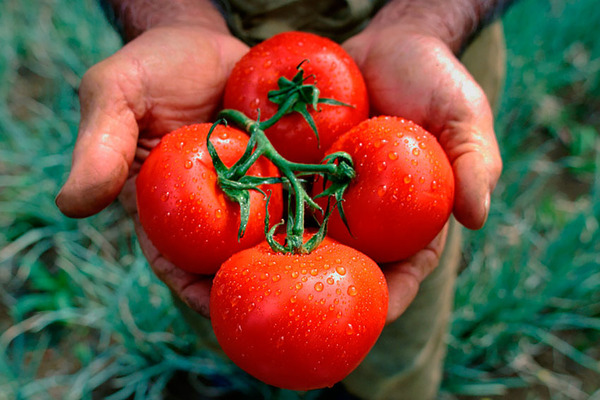
This tomato is a favorite among many gardeners. Among its advantages are its resistance to frost and disease, and its ability to produce large yields even in the most challenging conditions. Some people without a garden grow this variety directly on their balconies. It is also favored by those with small gardens due to its compact size. Experienced farmers recommend learning to grow tomatoes starting with the Moskvich variety, as its characteristics are particularly conducive to this.
Pest and disease control
This variety is disease-resistant, like all early-ripening tomatoes. It's resistant to mosaic, fusarium, and verticillium wilt. To prevent late blight, plants can be sprayed with honey-containing products. Bordeaux mixture or garlic infusion can also be used. It's even resistant to late blight (the most serious tomato disease).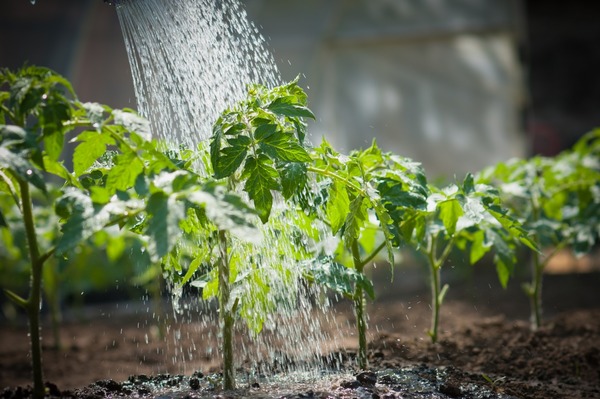
To prevent root rot or gray mold, loosen the soil frequently and remove weeds. Peat can also be added to the soil. Biopreparations prevent fungal diseases. Insecticides (read the instructions before use to avoid damaging the produce) and folk remedies can help control pests. These tomatoes thrive in open ground; they are virtually disease-free and forgiving of minor care mistakes. You can enjoy the first fruits as early as early summer.
Video "Tomato Diseases"
In this video, an experienced gardener shares methods for combating tomato diseases.