
Tomato "Maryina Roshcha": description and characteristics of the variety
Content
Description of the variety
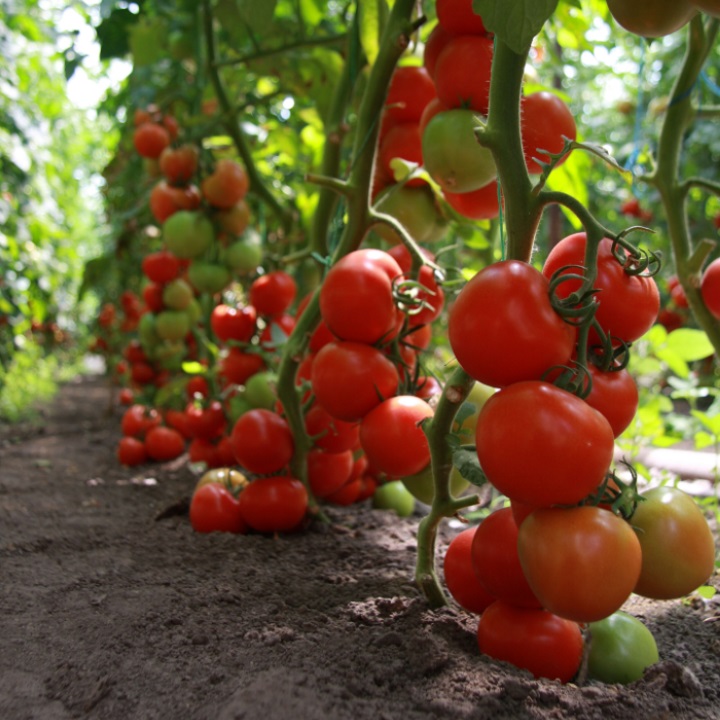
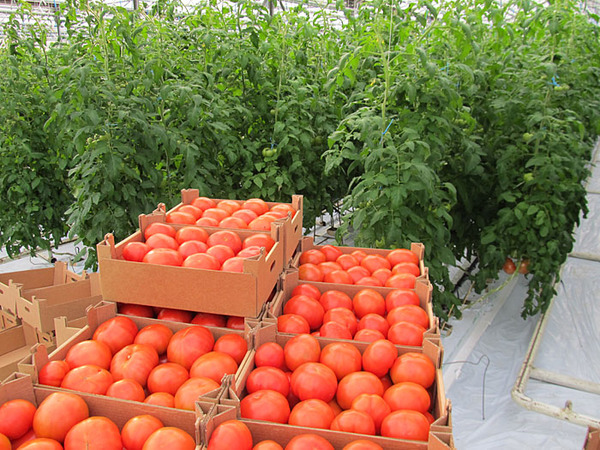
"Maryina Roshcha" is an early-ripening hybrid tomato of the indeterminate variety. It is primarily intended for greenhouse cultivation, but in southern climates, provided the temperature regime is maintained, it can be planted outdoors. The bush is tall (up to 170 cm) and very vigorous, with extensive branching, requiring regular pinching and tying to a support. Maximum yield is achieved by training the bush with 1-2 stems. This method results in the plant forming multiple fruit clusters, each with 7-9 ovaries.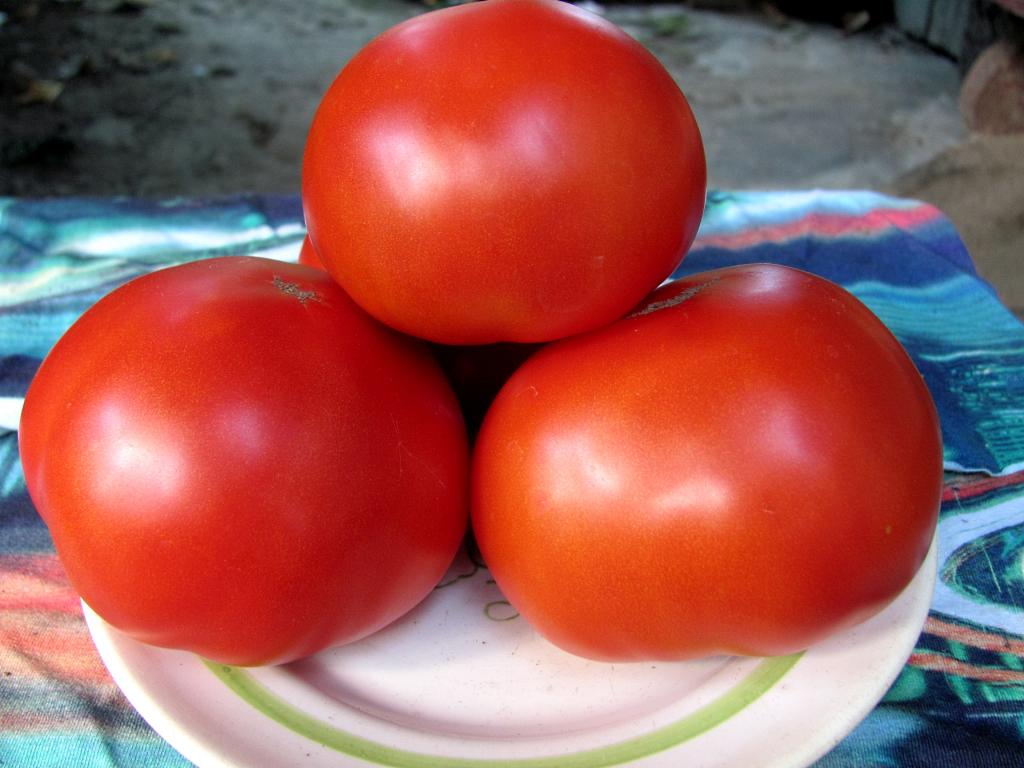
With the correct planting density (2.5-3 plants per 1 m²), it produces incredible yields – up to 17 kg/1 m². Proper care and temperature control promote prolonged and abundant fruiting – for several months in a greenhouse, you can admire the beauty of the plump clusters cascading from the bush and savor the taste. The plants tolerate temperature fluctuations and low light conditions, so this tomato variety can be grown throughout the fall and winter.
Video: Greenhouse Growing
This video will show you how to properly grow tomatoes in a greenhouse.
Advantages and disadvantages
When creating the hybrid, breeders sought to address all the challenges typically encountered when growing greenhouse tomatoes. As a result, they created a completely new, high-quality product distinguished by its ease of cultivation and a number of advantages:
- high resistance to stressful situations: low light, temperature changes, high humidity;
- good immunity to viral and fungal diseases (mosaic, cladosporiosis, fusarium, late blight);
- early ripening and the ability to bear fruit in the off-season;
- friendly and abundant ripening of fruits;
- high (maximum in this case) yield;
- versatility of fruit use;
- rich tomato flavor of the fruit (which is rare for greenhouse tomatoes);
- excellent presentation, durability and transportability of fruits.
There are only two minor disadvantages of this variety:
- impossibility of growing without a greenhouse;
- troublesome care (shaping, removing side shoots, tying up).
Fruit characteristics
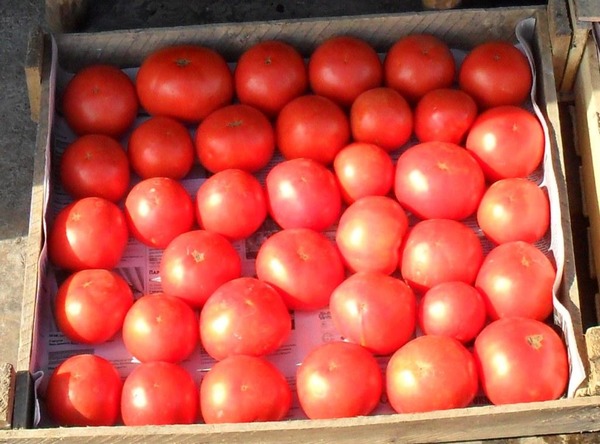
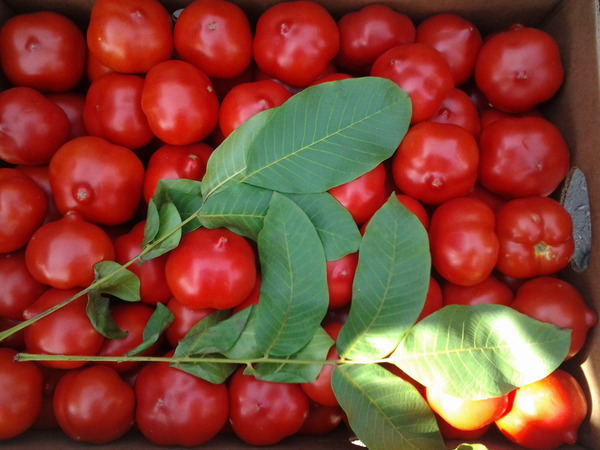
Maryina Roshcha tomatoes are very attractive. They grow in dense, beautiful clusters of uniformly sized fruits. The average weight of a single tomato is 140-170 g, but can reach 200 g in exceptional cases. They are round in shape, and larger tomatoes can be slightly flattened. Unripe tomatoes are green, turning brown and then bright red as they ripen.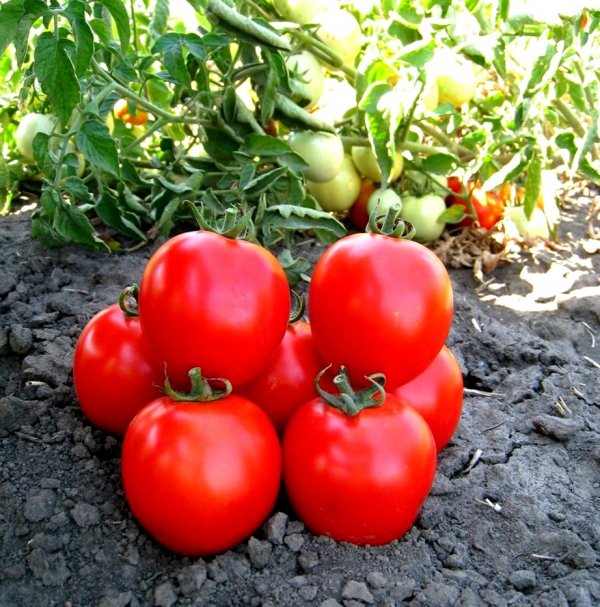
Fully ripe tomatoes have a dense, shiny, completely smooth and even skin of an intense red color, which gives them an excellent commercial appearance. The flesh is firm and slightly tart. This tartness makes the fruit ideal for canning, pickling, and processing into juices and sauces. After any processing, the tomatoes remain intact, making them an ideal variety for preserves.
Features of cultivation
Maryina Roshcha tomatoes are grown exclusively from seedlings and in protected ground. The timing of transplanting seedlings into greenhouses depends on climate and weather conditions. In permanent heated structures with supplemental lighting, tomatoes of this variety can be grown year-round. The best time for planting seedlings is late April. By this time, the seedlings should be strong and 55-60 days old, so seeds for seedlings should be sown as early as late February.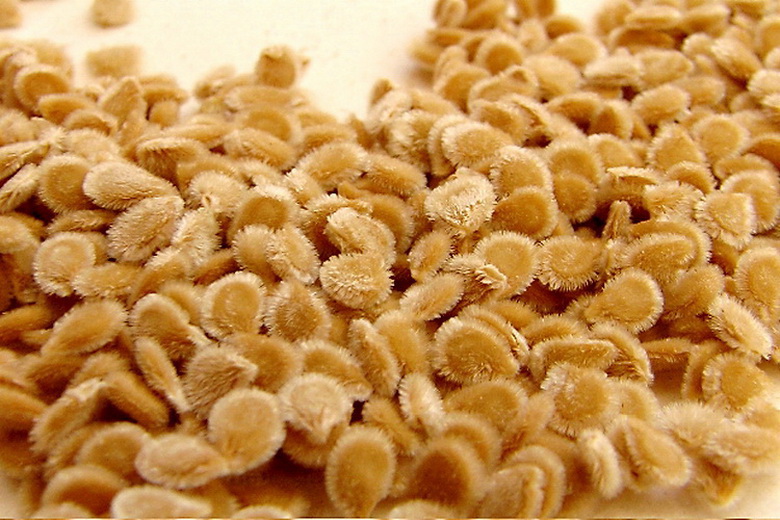
Tomatoes require loose, mineral-rich and organic soil for a good harvest. Since greenhouse tomatoes are typically planted in the same spot year after year, the soil should be fertilized with humus, superphosphate, or another complex fertilizer before planting. The plants thrive in fertile loamy soil. Sandy or peaty soil is not suitable for greenhouses, as it cools quickly in winter and becomes too hot in summer. A similar substrate is required for growing seedlings in pots. Soil acidity is not particularly important for this variety.
Seedlings are very demanding. Seed germination begins when soil temperatures reach at least 15°C, and normal sprout development is only possible at 22-26°C during the day and at least 18°C at night.
Mature seedlings need to be pricked out and hardened off. They are transplanted into the greenhouse when they are already grown, along with the soil they were growing in in the pot. Greenhouse tomato care involves regular watering, temperature control, fertilizing, and shaping the plants.
Indeterminate tomato plants should begin side-shooting when the plant has 7-8 leaves, as side shoots on these varieties begin to grow even before the fruit clusters appear. Because these varieties are characterized by constant, vigorous growth, shaping the bush should be continued until the end of the growing season (pinching, removing side shoots, and lower leaves). Tomato shoots should be tied to a trellis, and later, when the fruit begins to ripen, the clusters of ripening tomatoes should also be tied up.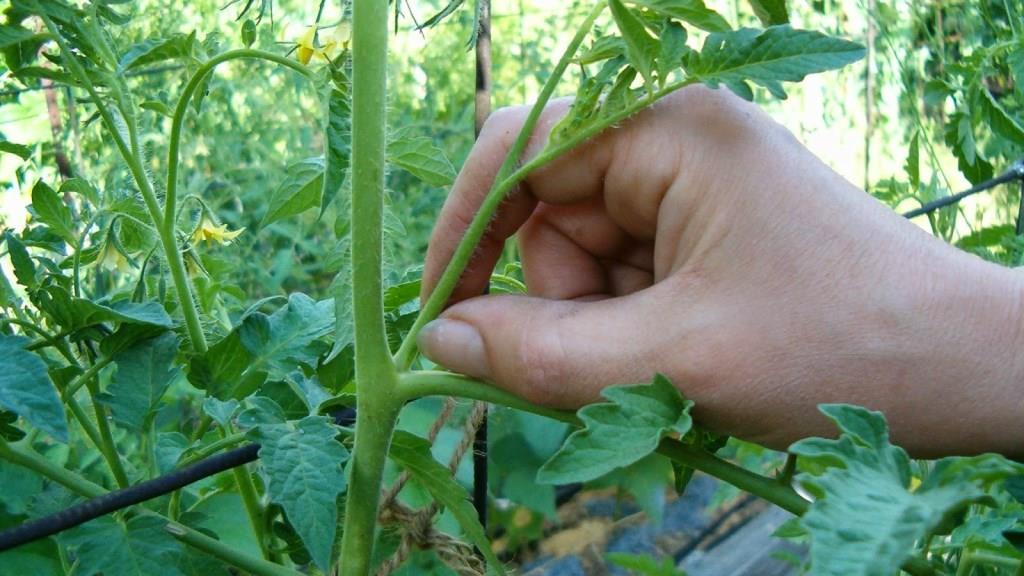
Water the plants with settled, slightly warmed water on average 1-2 times per week. The soil in the greenhouse should always be slightly moist, but not wet. Fertilize greenhouse tomatoes 3-4 times during the growing season. It is recommended to combine liquid fertilizers with watering. Nutrient solutions that can be used include: azophoska (1 tablespoon per 10 liters of water), superphosphate, and ash (1 tablespoon superphosphate, 2 tablespoons ash per 10 liters of water).
Diseases and pests
As mentioned above, Maryina Roshcha tomatoes are extremely resistant to diseases common to greenhouse tomatoes. They are not affected by fungi and are resistant to viruses, so growing them rarely causes problems. As for pests, their presence is only possible in the spring and summer. These are primarily slugs, which thrive in greenhouses with high humidity than in the hot weather outside. To repel these unwanted guests, the greenhouse should be ventilated more frequently. Overall, nothing generally interferes with the high fruiting and record yields of this tomato.
Video: "The Best Varieties for Greenhouses"
This video will show you which tomato varieties are best suited for greenhouses.