
Tomato "Lyana": characteristics and description of the variety
Content
Description
The low-growing, early tomato variety "Lyana" delivers a large, evenly ripening harvest. The plant grows small, only 40-50 cm tall, with numerous medium-sized, dark green leaves. It doesn't need staking; in the garden, it's not even side-sonned, and in the greenhouse, it's trained into a single, or rarely, two, stem. In eastern Ukraine and in Molodovo, it's sown directly into the garden, but early varieties are usually chosen to ensure the earliest possible harvest, so "Lyana" is often grown from seedlings.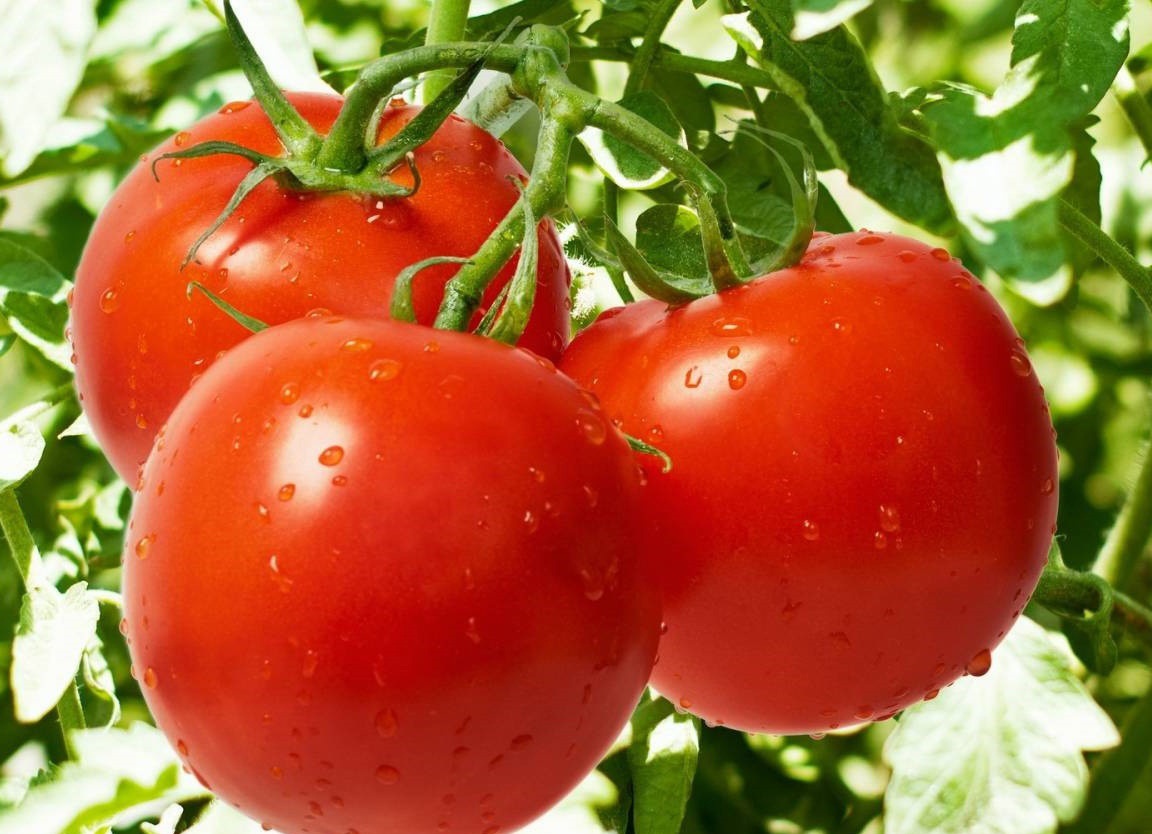
The first fruits appear after the sixth leaf, and then after one or two leaves. A compact bush can form five or more vines, each bearing four to five fruits almost simultaneously. Ripening occurs 85 to 100 days after emergence. The red, round tomatoes, weighing 50 to 80 grams, have tender flesh and a pleasant flavor. "Lyana" tomatoes, whose descriptions always emphasize their rich nutritional content, are versatile.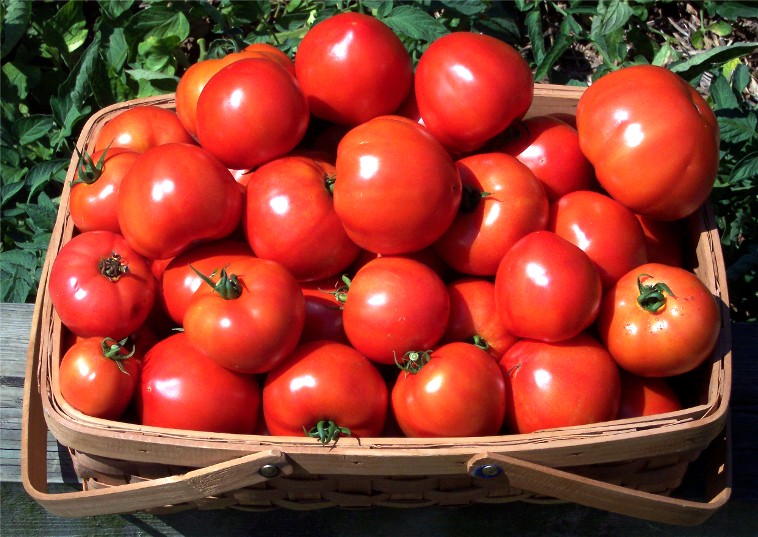
Plants of this variety show amazing resistance to bad weather conditions and many diseases. In low light conditions, they are susceptible to tobacco mosaic virus. A single plant can yield 2-3 kg, but in Siberia, many growers can get up to 4.5 kg, although the ripening period is somewhat longer—up to 115 days. The "Lyana Rozovaya" tomato, a hybrid of "Kaspar F1," was developed from this variety.
Video "Description"
This video describes the characteristics of the "Lyana" tomato variety.
Directions for use
The bright, small fruits, covered with a fairly thick, smooth skin, contain organic acids, sugars, and vitamins. Every 100 grams of tomatoes contains up to 12 mg of ascorbic acid. Tomatoes are rich in carotene, but this decreases during storage. They are often used in baby food.
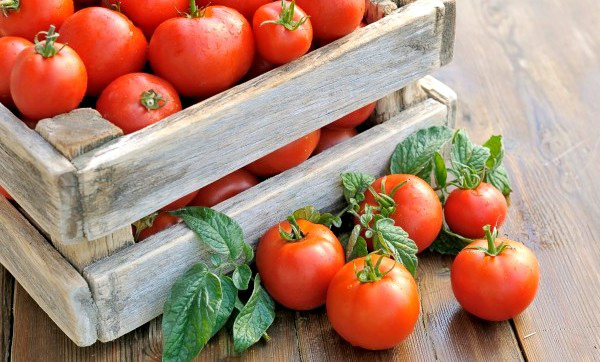
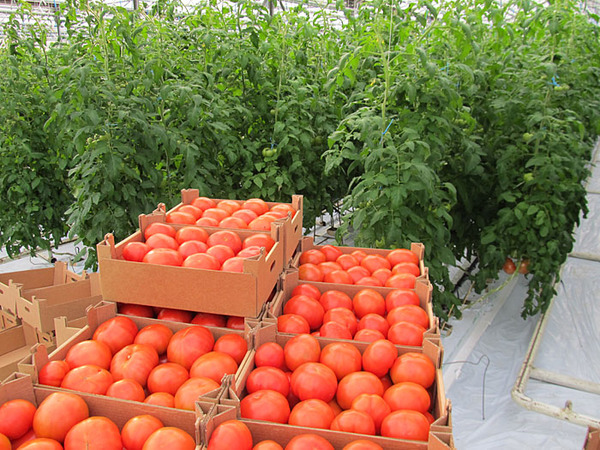
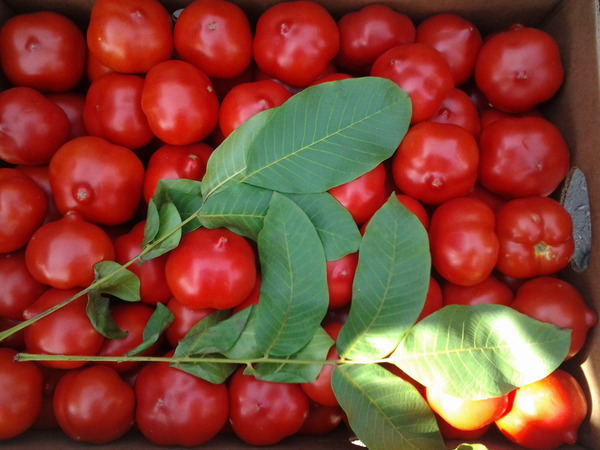
Tomatoes are a great choice for fresh eating, pickling, marinating, canning, and making juices, purees, sauces, and adjika. They can be processed at any stage of ripeness. Ripe fruits are easy to transport and can be stored for up to three months at temperatures between 8 and 10°C with 85% humidity.
Advantages and disadvantages
The "Lyana" variety is versatile in both cultivation and use. It is suitable for both open and protected ground conditions, grown using both seedlings and direct-seeding methods, and is equally successful in both the south and north. Early, uniform ripening of the fruit is also an undeniable advantage. Furthermore, it is very easy to care for; no staking is required, and even side-shooting is unnecessary. The variety is resistant to most diseases that commonly affect tomatoes, even in challenging weather conditions. Seedlings can be planted in the garden at a stable temperature of 12 degrees Celsius, which is surprising for this crop.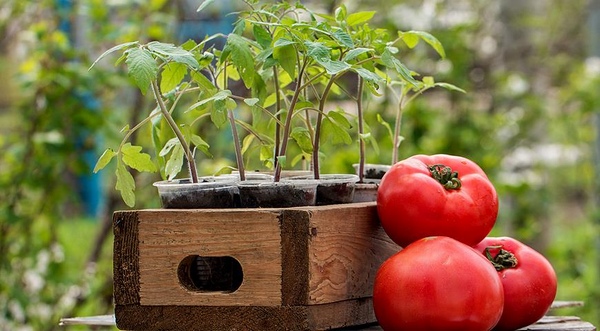
Add to this the small, almost uniform-sized, tasty fruits, which can be eaten immediately, receiving maximum nutrition, or stored for up to 3 months or processed in any way, and the demand for this variety among gardeners across the country becomes clear.
The few disadvantages include the possibility of being affected by tobacco mosaic, and the rarer, but still possible, possibility of being affected by late blight.
Some vegetable growers consider the compactness of the bushes a disadvantage – a small bush produces a small harvest, which is especially unprofitable for using the greenhouse space for commercial purposes.
Growing
Liana is often sown directly into the garden bed, but seedlings allow for an earlier harvest. After sowing the seeds, the seedlings can be transplanted to their permanent growing site approximately 50-60 days later. Knowing the onset of spring in your region helps you calculate the sowing time for seedlings. Typically, in February-March, the seeds are prepared and placed in boxes or small pots using special tomato soil. It's best to buy them from specialty stores to ensure you get the specified variety and high-quality seedlings. Seeds of similar size germinate at the same time and develop at the same rate, making them easy to care for and plant in the garden.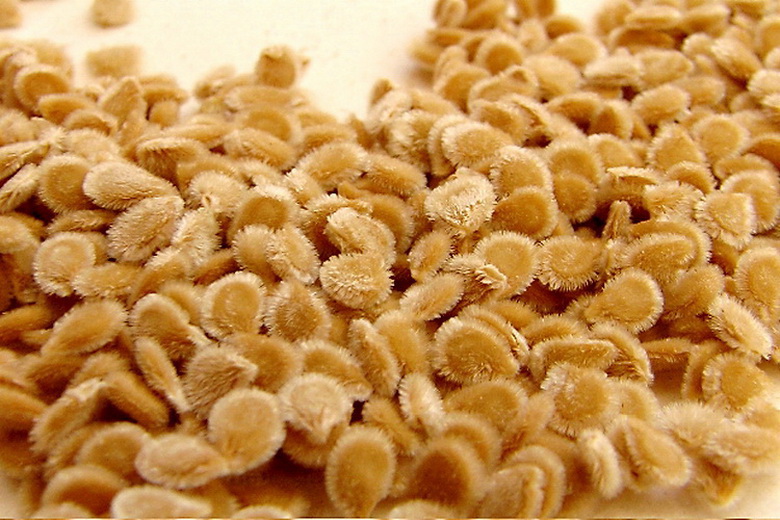
Before sowing, soak the seeds in a weak solution of potassium permanganate for 30 minutes to disinfect them, then soak them in warm water for 8 hours. After this, the seeds are ready to sow. Place three seeds at the bottom of 5-centimeter holes. The holes are dug in moist soil at least 3 cm apart, cover the seeds with soil, and place them in a bright spot. In winter, you will need to supplement the seedlings with a fluorescent lamp to extend the daylight hours. For comfortable growth, it is recommended to maintain an air temperature of at least 24 degrees Celsius, and water as needed to prevent the soil from drying out. However, overwatering should also be avoided.
It's also advisable to treat the plants with a boric acid solution a few days before planting to reduce the risk of tobacco mosaic. Plant the seedlings in a bright, open spot, ensuring the tomatoes receive maximum sunlight. This should be done when the weather has warmed up; if necessary, you can cover the plants with plastic wrap. Lyana grows well after cabbage or legumes. The least desirable precursors are tomatoes, beets, eggplants, and peppers.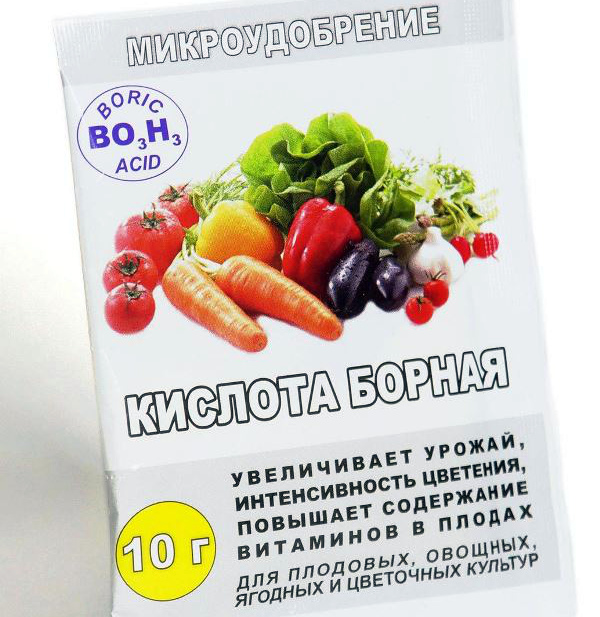
These tomatoes grow well in light, loose soil, with 3-4 plants per square meter. When grown in a garden bed, the bushes are not pruned, but in a greenhouse, the bush is usually trained to one or two, or less commonly, three, stems. The number of fruits and their ripening time depend on the bush's training. If you want an early harvest, be sure to remove the side shoots, leaving one or two (maximum) main stems. If you want a large harvest, don't pruning at all.
As with all tomato plants, Liana requires weeding, loosening the soil around the bushes, watering, feeding with mineral fertilizers, and protecting them from pests. Watering too frequently is not necessary; moisten the soil only when it dries out. Tomatoes respond well to foliar feeding.
Diseases and pests
This tomato variety demonstrates remarkable resilience to adverse conditions, continuing to produce fruit even in cloudy, damp weather. It is resistant to common diseases such as blossom-end rot, leaf curl, macrosporiosis, and bacterial spot. Early, uniform ripening of fruit with firm, dense skins helps it avoid late blight.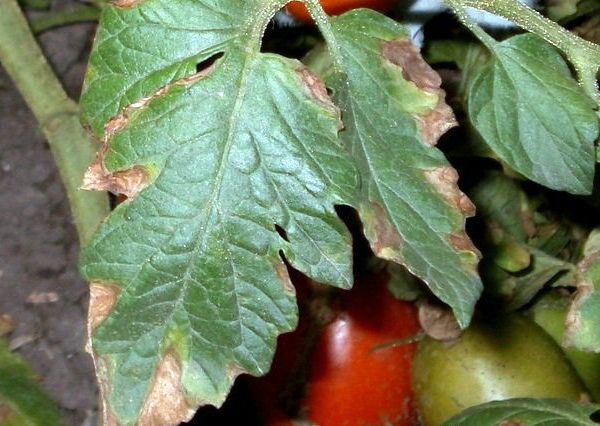
The most serious problem can be caused by infection with the tobacco mosaic virus. When mottled spots appear on the leaves, immediate action is required, or the plant should be removed if the disease has already affected most of the plant. Plants with injuries and open wounds (for example, from pinching), are susceptible to infection; lack of sunlight creates favorable conditions for the disease. The virus is spread by sucking parasites (aphids, mites) and infected tools. Effective prevention can include treating seedlings with a boric acid solution, keeping the greenhouse and all tools clean, and frequent disinfection. Avoid scattering plant debris between plants; use only clean (uninfected) seed. There are vaccinations available that can reduce this very dangerous disease to a mere nuisance.
Video "Diseases and Pests"
This video will tell you what diseases and pests tomatoes are susceptible to.