
Tomato "Red Guard": description of the variety
Content
Description
Red Guard is a hybrid plant obtained through first-generation crossbreeding. This variety was developed in Russia by Ural breeders. It was registered in 2012. Red Guard is suitable for cultivation in the northern regions of Siberia, the Urals, the central part of the country, and the Non-Black Earth Region.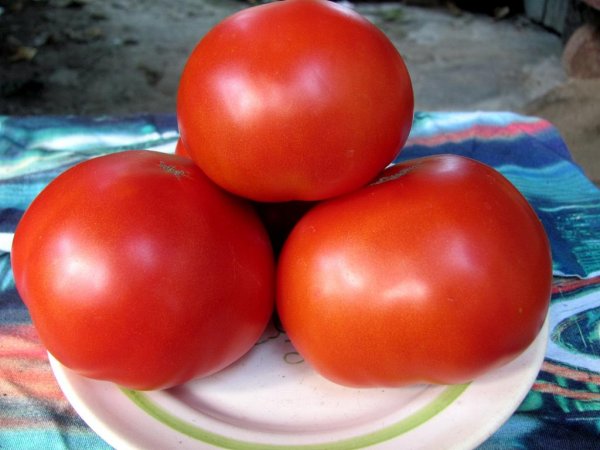
The bushes are low, growing no more than 80 cm tall. However, they produce fruit vigorously, with a single cluster producing seven to nine tomatoes.
This is a superdeterminate tomato variety. It differs from other varieties in:
- excellent resistance to various diseases;
- complete absence of stepsons;
- resistance to cold.
The plant produces fruit very early. Fruit formation occurs within 65 days from sowing. Red Guard is ideal for growing in plastic greenhouses.
Tomatoes that form on the bushes have the following characteristics:
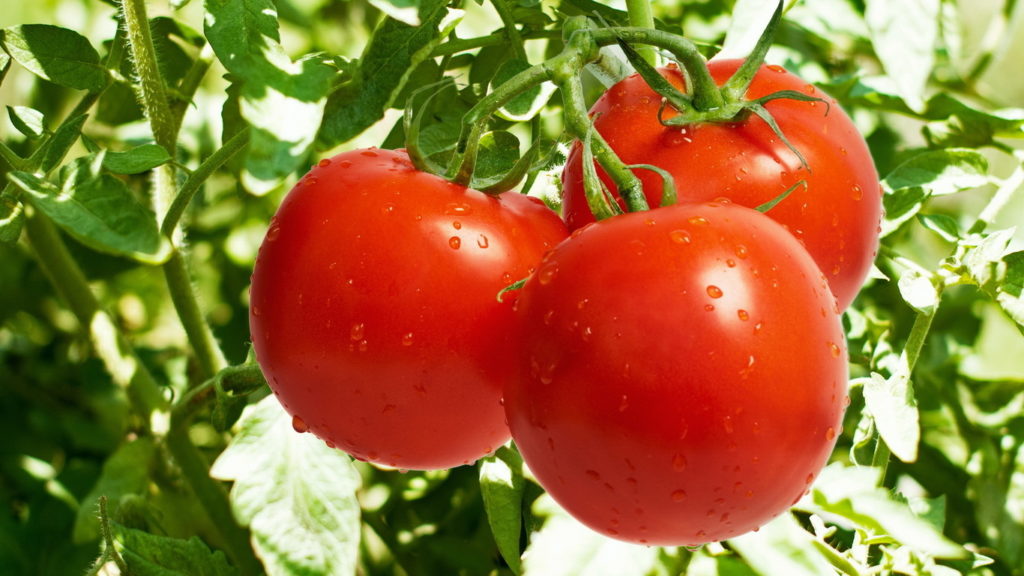
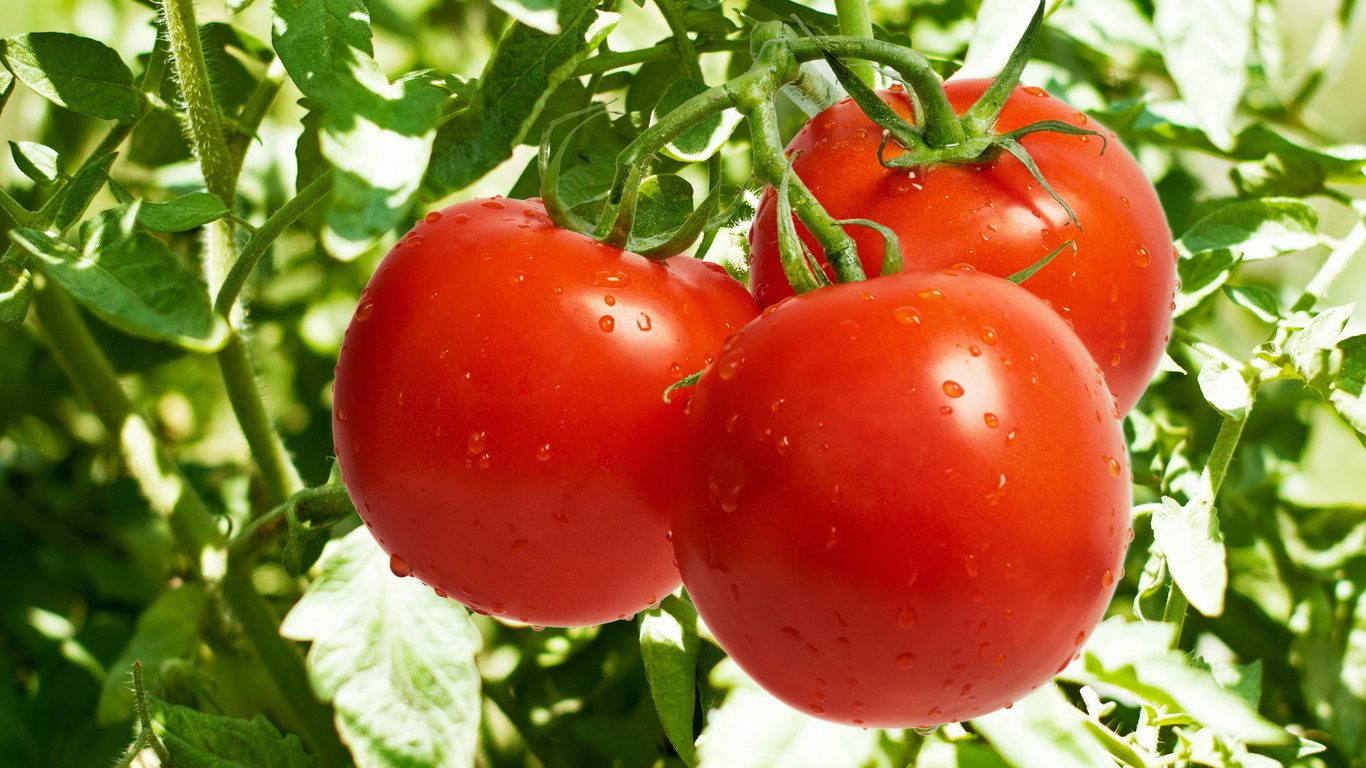
- have a bright red color;
- each fruit contains no more than six seed chambers;
- one tomato weighs approximately 230 grams;
- tomatoes are quite large;
- The pulp is sugary, red, and lacks light veins. It has a meaty texture.
The harvest from the bushes stores well in a cool place and is also easy to transport. They do not crack. The fruits are very attractive, characterized by slight ribbing, which is most pronounced near the stalk.
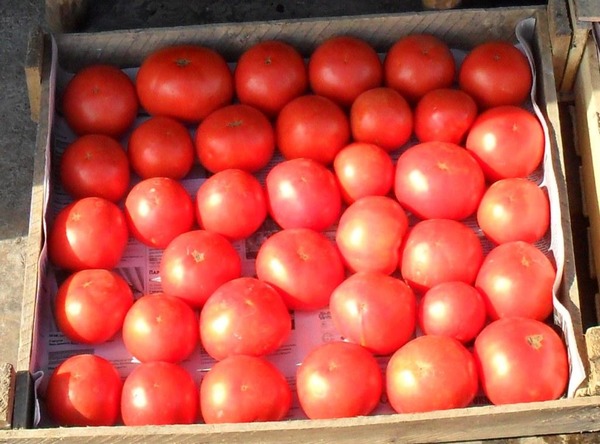
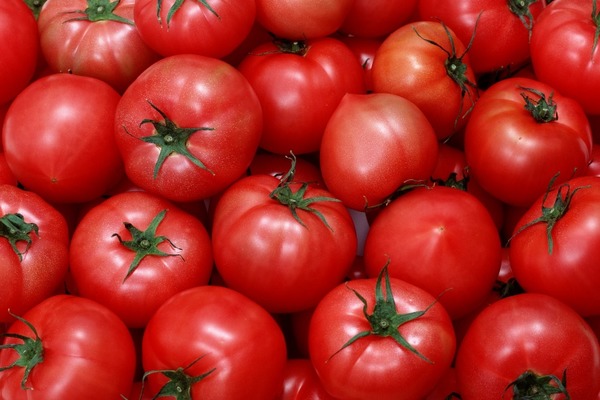
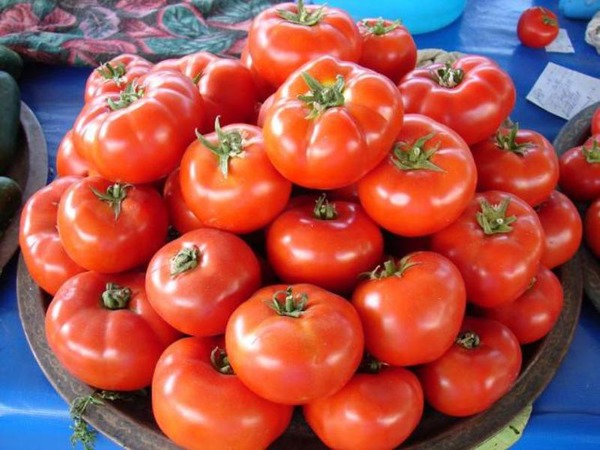
Red Guard tomatoes have a pleasant flavor. Ripe fruits can remain on the plant for up to a month. During this time, there's no need to worry about them becoming overripe.
This variety is completely undemanding in terms of light conditions and air temperature. Therefore, it can withstand spring frosts. Due to its early fruiting, it has good resistance to fungal infections. Therefore, fungal diseases do not develop on the plants.
Video "Description"
From the video you will learn a description of the best tomato varieties.
Methods of use
Red Guard is a versatile variety. This means that the ripe fruits can be used in the following ways:
- fresh;
- used for preparing salads;
- preservation (pickle, etc.);
- juice preparation.
Productivity
With proper care, the average yield of Red Guard tomatoes per plant is approximately 2.5-3 kg. The first ripe tomatoes can be harvested as early as late June. The final harvest will be in late August.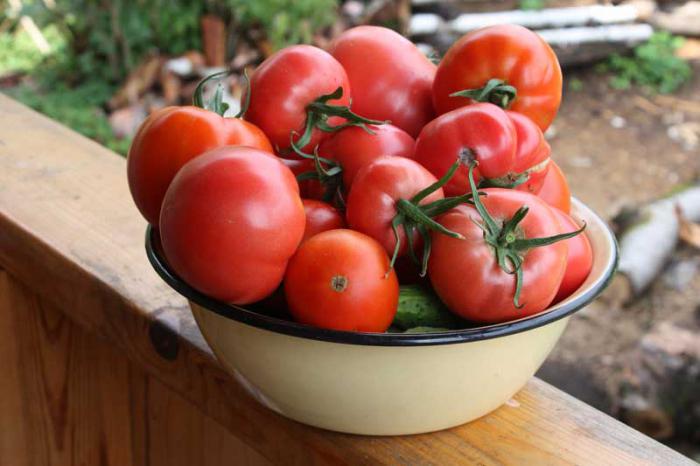
This high-yielding hybrid is capable of producing such a volume of harvest in the northern regions of our country, including in the polar regions.
Advantages and disadvantages of a hybrid
Any crop grown in a garden or orchard has its advantages and disadvantages. It's the combination of these qualities that determines the choice of a particular variety. The Red Guard variety also contains its advantages and disadvantages in its description. Let's examine them in more detail.
The main advantages of this variety include the following:
- rapid crop formation;
- early ripening of tomatoes;
- easy care;
- good taste of fruits;
- high cold resistance;
- high resistance of bushes to fungal infections;
- excellent immunity to various parasites that prefer to infest tomato bushes;
- lack of requirements for heat and light;
- excellent keeping quality of the crop;
- good transportability of tomatoes;
- no tendency to crack.
It's worth noting that, despite the advantages listed above, this variety doesn't have any significant drawbacks. However, the hybrid's downsides include poor germination.
Growing and characteristics of the hybrid
To achieve excellent fruit production from any garden crop, you need to know how to grow it properly. Only proper care and adherence to all agricultural practices will help ensure excellent fruit production and a delicious harvest.
Red Guard is a variety suitable for indoor cultivation. Therefore, the bushes are often planted in hotbeds and greenhouses.
Seedling seeds can be purchased at a specialty store. Seedlings are grown using a standard method. Seeds for seedlings are sown in mid-March. In approximately 45-50 days, the young shoots will be ready for transplanting into a greenhouse or hotbed. This process is usually completed in mid-May.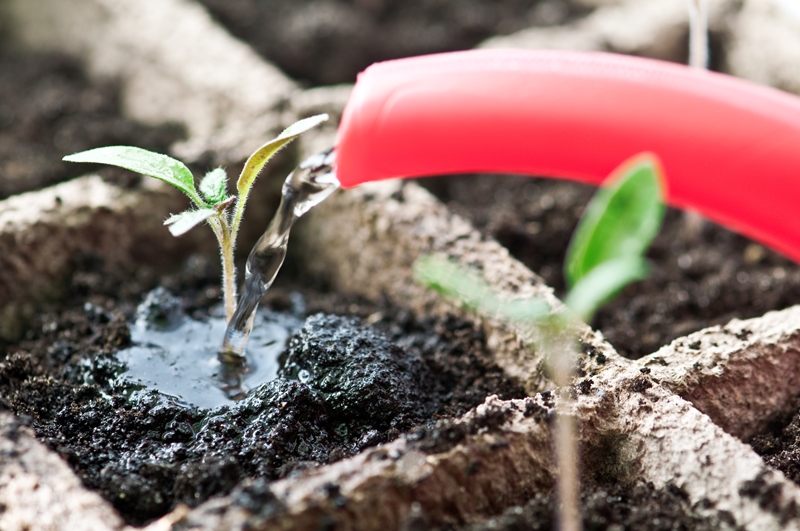
Planting tomato bushes of this variety is carried out according to the following rules:
- there should be about 2-3 bushes per square meter of greenhouse;
- when planting under film shelters, 3-4 bushes should be planted per square meter;
- To obtain a good harvest, the bush should be formed from three stems. If desired, a single shoot is sufficient. This is because the plant is not prone to producing side shoots.
- If the greenhouse is heated, you don't need to grow seedlings. In this case, planting the seeds in open ground is acceptable.
Fertilizing, as a part of care, is not a mandatory agricultural procedure for the Red Guard. However, the plants respond quite well to the addition of organic fertilizers to the soil. To ensure good fruit production, proper soil preparation is sufficient. In the fall, fertilizers are added to the soil, which the plants will subsequently use for growth, development, and harvest. However, during the growing season, the bushes can be fed with organic fertilizers.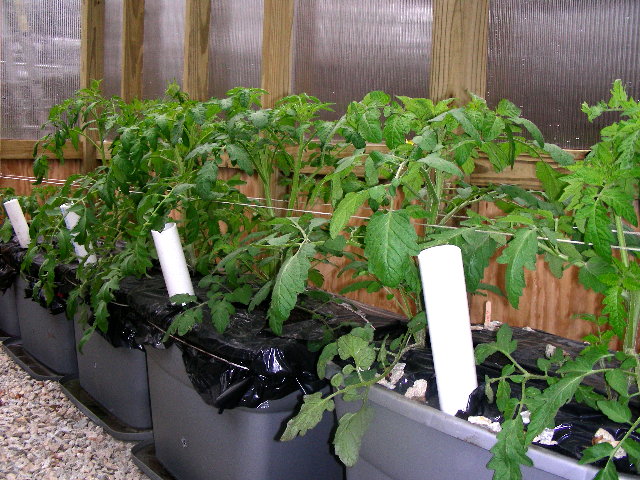
As noted above, this tomato variety is undemanding when it comes to growing conditions. There's no need to adhere to a specific light regime or worry about temperature fluctuations. Moreover, the plants are suitable for greenhouse planting.
Planted plants don't require staking as they grow. This is because the shoots don't grow very tall. At the same time, they don't bend under the weight of the fruit.
Diseases and pests
Growing Red Guard in your garden is relatively easy due to the variety's high resistance to pathogens. The plants are particularly resistant to fungal diseases. The bushes are resistant to common tomato diseases such as fusarium and cladosporiosis.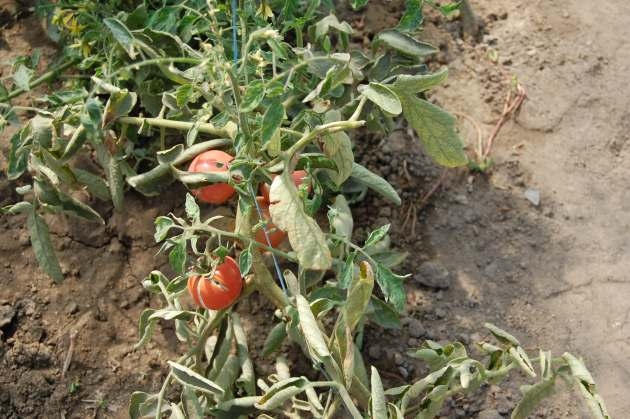
Aside from pathogenic microflora, the bushes are rarely attacked by insect pests. They are highly resistant to root-knot nematodes. However, the only threat to the plantings in this case is small whiteflies. These pests can be identified by the presence of yellow spots on the plants. The lower part of the leaf blade also becomes covered with white dots. After these symptoms appear, the leaves begin to dry out and curl, and soon fall off. This leads to a decrease in photosynthesis and fruit formation.
Therefore, when the first symptoms of plant disease are detected, it is necessary to begin combating these pests immediately. To kill whiteflies in greenhouses, it is recommended to wipe the leaf blades with a soapy solution. This solution is made from laundry soap.
If the pest has just appeared in your garden beds, you can use other folk remedies. For example, you can grate seven cloves of garlic and pour a liter of water over them. Let the solution sit for about 5-6 days before use. Then, dilute 6 grams of the infusion in a liter of water. Only then can you spray the affected bushes with the resulting solution. Smoking is also an effective method of controlling whiteflies.
In situations where crops have suffered severe pest damage, insecticides are best. It's best to spray more than once, as not all insects may be eradicated the first time.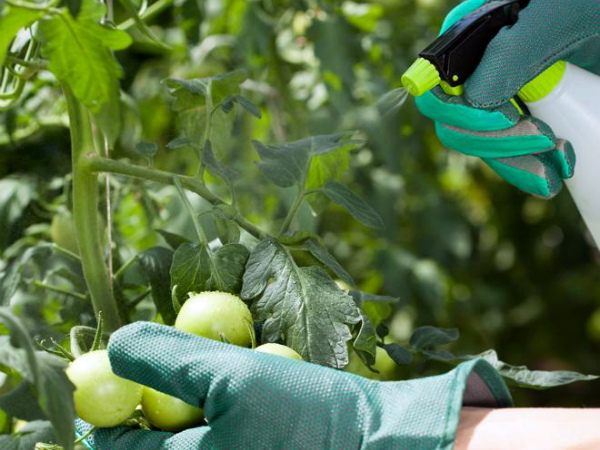
Maintaining the correct temperature regime will help prevent the appearance of parasites on plants.
Red Guard is an excellent variety for growing in the harshest regions of our country. This hybrid boasts virtually identical qualities. Therefore, gardeners plant it more often than other varieties in their plots. Abundant fruiting, excellent immunity, and easy care are the main characteristics of this hybrid.
Video "Growing"
From the video you will learn how to properly grow tomatoes.