
Description and characteristics of the tomato variety Cosmonaut Volkov
Content
Description of the variety
This tomato variety is indeterminate and tall, reaching heights exceeding 2 meters. Therefore, it requires occasional pruning. The Kosmonavt Volkov variety is most often grown in greenhouses, but in the southern regions of the country, it can be grown outdoors. It has a mid-season maturity (125-140 days).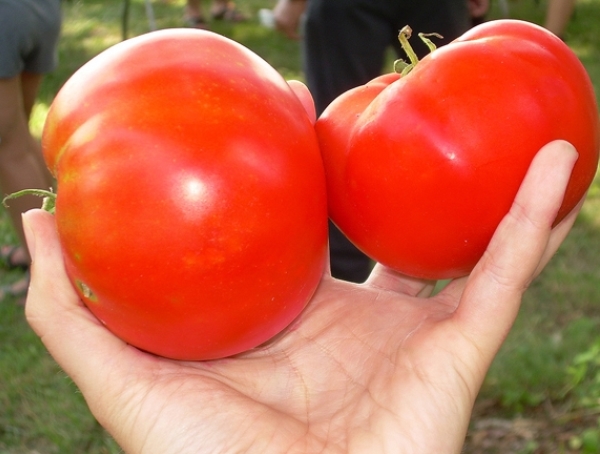
The average yield is about 5 kg of fruit, but the description states that this tomato can produce up to 25 kg per season! The most advantageous planting pattern is 70x70. This variety's inflorescences are compound or semi-compound, with the first inflorescence forming under the tenth leaf, and the remaining inflorescences, on average, every four leaves apart, with each inflorescence bearing up to nine tomatoes. The color depends on the nutrients received and can range from yellow to scarlet. They can be harvested even when they're not yet fully ripe; they'll still ripen at home.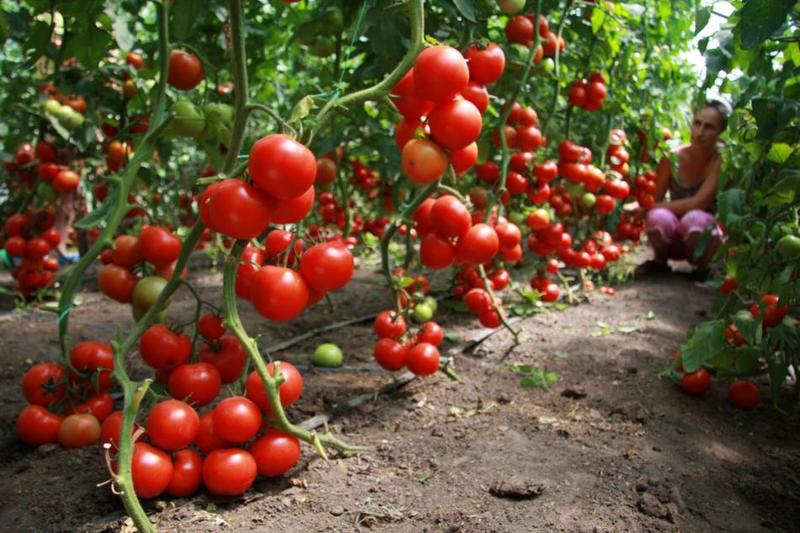
Seedlings are planted at two months of age, with 2-3 plants per meter. Tomatoes require shaping and support, removing excess side shoots, and avoiding overcrowding. Additionally, avoid leaving too many ovaries on the inflorescences; 4-5 is optimal. Fertilize with mineral fertilizer every 10 days; refer to the product description to understand the fertilizer composition. The fruits are harvested at the brown stage of ripeness.
Video: Growing Tomatoes
This video reveals methods for growing tomatoes.
Characteristics of fruits
This variety was considered the most delicious; the fruit is quite large. The description says they are scarlet in color, flat-ribbed, and uneven in size.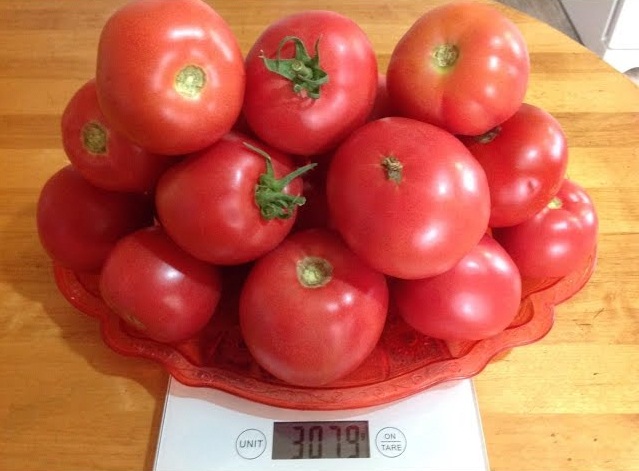
Peculiarities:
- When the fruits become ripe, they turn bright red.
- Rounded-flattened shape.
- The fruits have 6-7 chambers.
- These are very large tomatoes. The description says they average 500-700 grams, but some are larger, weighing almost a kilogram.
- They tolerate transportation well.
Growing recommendations
This tomato variety can be grown both outdoors and in a greenhouse. If sowing in March, it should be done a couple of weeks earlier than other tomato varieties. Most varieties are described as being planted in April, but some special ones, like ours, should be planted earlier. 7-10 days beforehand, harden the seeds and apply fertilizer for protection. Plant them at a depth of 3-4 cm. You can transplant the seedlings individually or transplant them individually. It's a matter of convenience.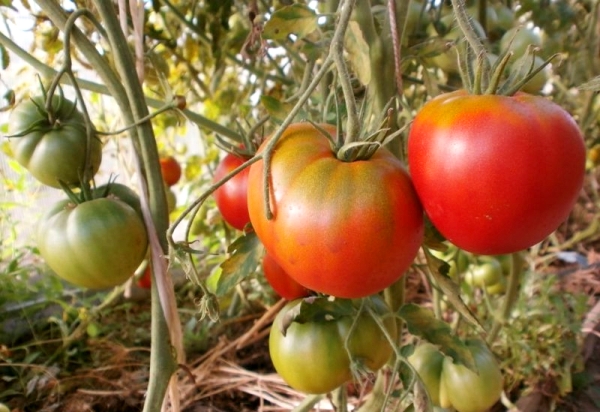
This variety doesn't care for soil, that's just its nature, but it does require fertilizing, which should be applied a couple of times. Trust the instructions, otherwise the tomatoes simply won't survive to fruiting. Fertilize 3-4 times before fruiting begins with a fertilizer package. Doses depend on soil fertility; the better the soil, the less fertilizer you need. Dose instructions can be found on the fertilizer packaging. This variety requires moderate watering, with warm water in the morning or evening. This variety requires the soil to be moist occasionally, but not soggy all the time. Occasional soil loosening is also necessary.
To prevent stems from breaking under their own weight, stretch ropes in the greenhouse and create a trellis. This will help tie up the tomatoes properly. It's essential to protect this variety from diseases. And be careful about the spacing between the plants!
If you're growing this variety in a greenhouse, it also requires ample light, as insufficient light causes the tomato plants to become elongated and thin. However, with plenty of light, the tomato will develop a strong, thick stem and large, dark leaves. An important step is to form a single stem and remove side shoots. Due to their enormous growth, they need to be tied up frequently.
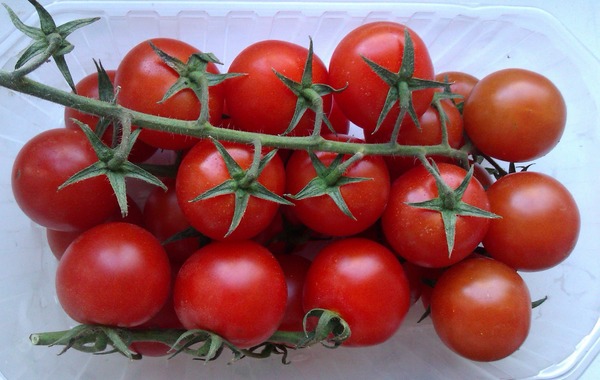
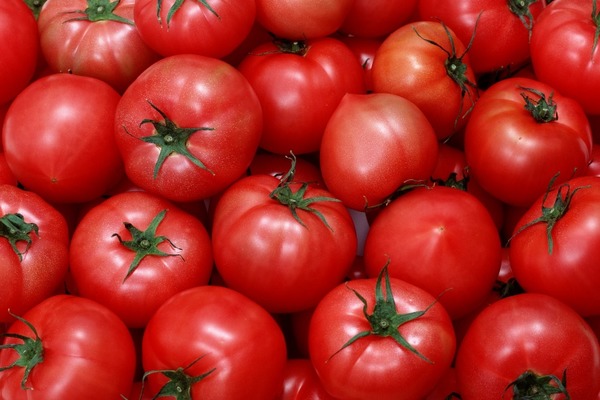
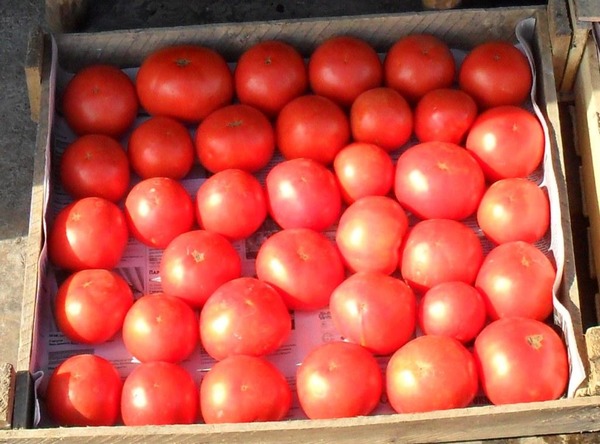
Some gardeners break off the tops of tomatoes to prevent them from growing. It's also possible and even necessary to remove the clusters that haven't had time to form; this can even have a positive effect on the harvest. If you're skeptical about this variety, take a chance and try it. However, don't be afraid – all its characteristics are true and verified by us!
Diseases and pests
This variety is often susceptible to tobacco mosaic and brown spot. If affected, remove the affected branches first, and treat the cut with potassium permanganate. To prevent brown spot, adjust the temperature and watering. If the plant is severely affected, use "Barrier" or "Zaslon" (Barrier). You can find instructions for using them in their descriptions.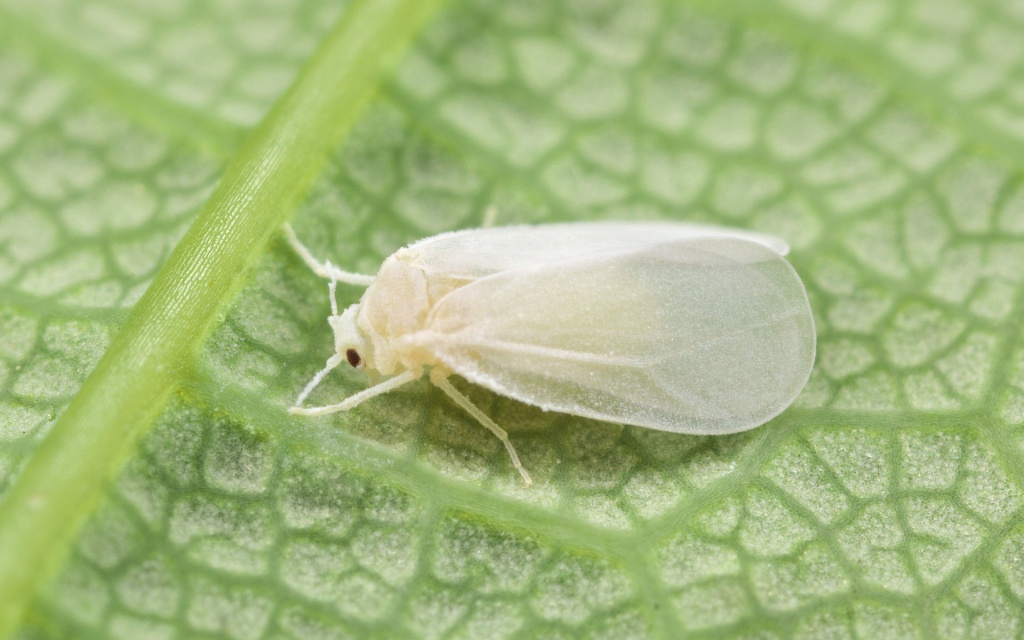
In a greenhouse, this variety is often attacked by whiteflies. Confior can be used to control them. Make a solution of 1 ml per 10 ml of water and spray the plants; this is usually enough for 100 square meters. Outdoors, tomato plants can be attacked by spider mites and slugs. To combat spider mites, use a soapy solution, rinsing the affected areas until the pest is killed. Slugs can be controlled by liming the soil. To consolidate the effect, sprinkle hot pepper over the area. You'll need about a teaspoon per square meter of soil. It's important to remember that Kosmonavt Volkov is a hobby variety, so its minor shortcomings, as described, can easily be overlooked. A single plant of this variety can yield approximately 25 kg of tomatoes! Just imagine that enormous amount!
Video "Tomato Pests"
This video shows methods for controlling tomato pests.