
Tomato "Klusha": characteristics and description of the variety
Content
Characteristics of tomatoes
This variety is early-ripening: you can pick your first tomato approximately 90 days after sowing the seeds for seedlings. The plant forms a compact, standard bush, up to 60 cm tall. Thanks to this size, up to 7 tomatoes can be planted per square meter of garden beds, or successfully grown in protected greenhouses—the height of the plants allows for this without loss and with maximum yield. Sometimes city dwellers even grow this variety on their own balconies; all they need to do is select a container of suitable size.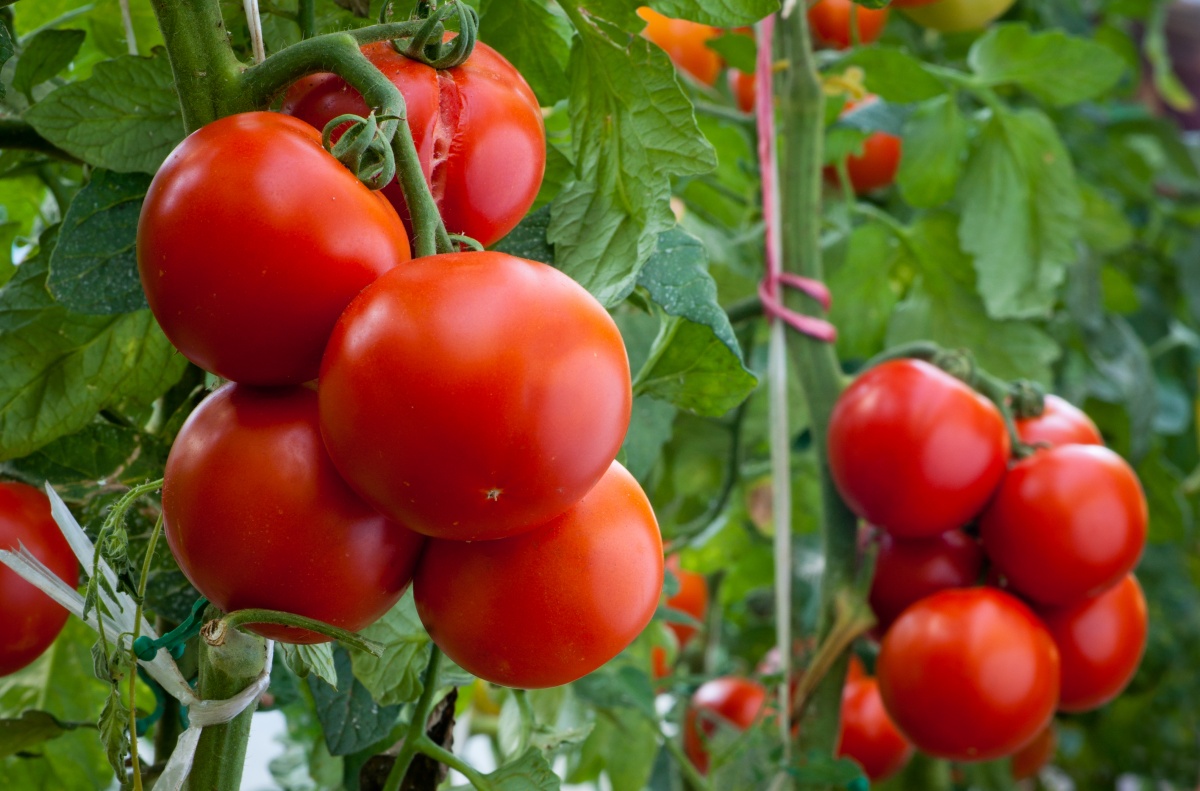
The tomato got its ironic name for the bush's appearance: it resembles a bustling hen with its wings spread wide. Due to this bush's structure, you won't be able to see the fruits at first glance: they're securely covered by large, fleshy leaves. Therefore, farmers recommend removing the outer leaves as the tomatoes ripen. The "Klusha" tomato variety requires no staking whatsoever: the vigorous plant thrives with two or three stems. However, with particularly abundant harvests, it's best to install small supports to prevent the bushes from lodging.
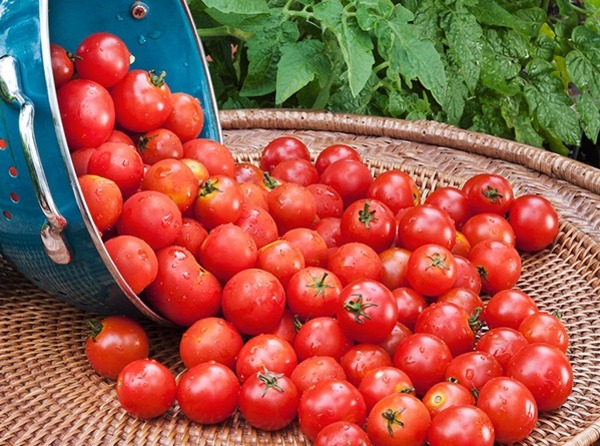
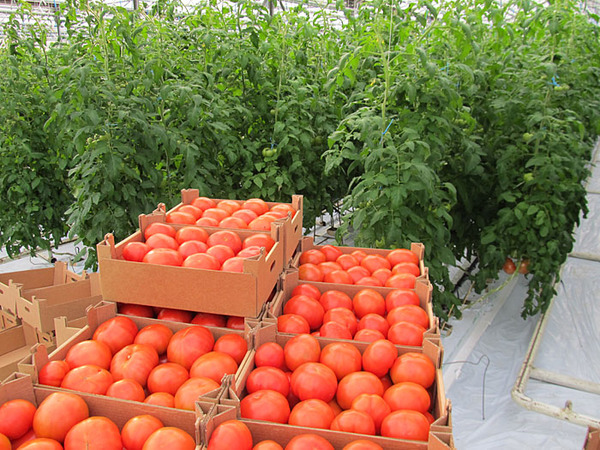
The plants produce fruit uniformly and abundantly, with tomatoes that vary virtually in size. This characteristic makes the "Klusha" variety ideal for home canning. Furthermore, the fruit's commercial qualities are highly prized—they retain their attractive appearance for a long time and withstand short-distance transportation well.
Video "Description"
From the video you will learn many interesting facts about this variety of tomatoes.
Landing
Before sowing these super-tomatoes, both the seeds and the soil must be properly prepared. If you plan to start seedlings in soil from your own garden, disinfect it by watering it with a weak solution of potassium permanganate (1 g of crystalline powder per 2 liters of water). If you choose a ready-made substrate purchased at a garden store, you won't need to do any additional soil treatment.
The seed preparation process involves two main stages: selecting the most viable specimens and germination. To select the highest-quality seeds, they should be placed in a concentrated solution of common salt (1 tablespoon per 250 ml of water).
The seeds that rise to the surface will not germinate and should be discarded without regret. Those that sink to the bottom of the glass should be rinsed and dried—these are the ones we'll be sowing. Place the seeds on damp cheesecloth or cloth for germination. Maintain a consistent moisture level, avoiding overwatering or drying out.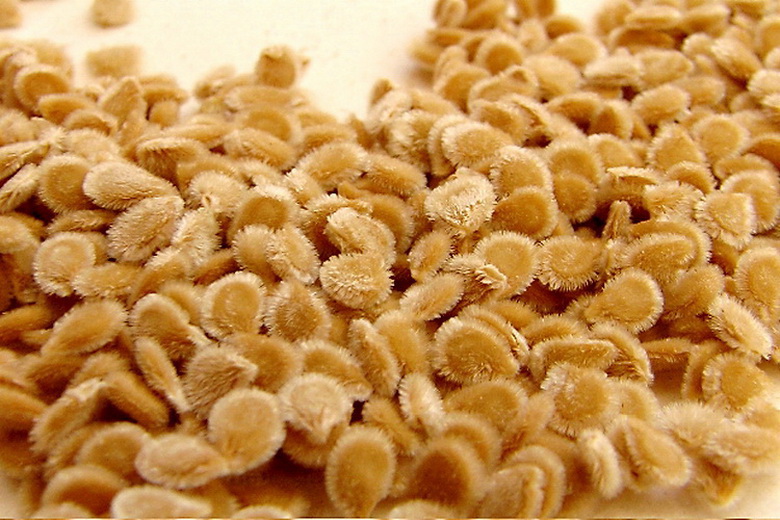
Sprouted seeds are placed in soil to a depth of 1.5 cm, covered with soil, compacted lightly, and watered with room-temperature water. Cover the container with sown tomatoes with plastic wrap or glass and place in a well-lit area until seedlings emerge.
Initial care
As soon as the seedlings emerge, the covering material is removed, and moisture is maintained with regular watering. When the young plants reach the stage of four true leaves, the seedlings should be pricked out. The seedlings are transplanted by transshipment, along with the root ball. 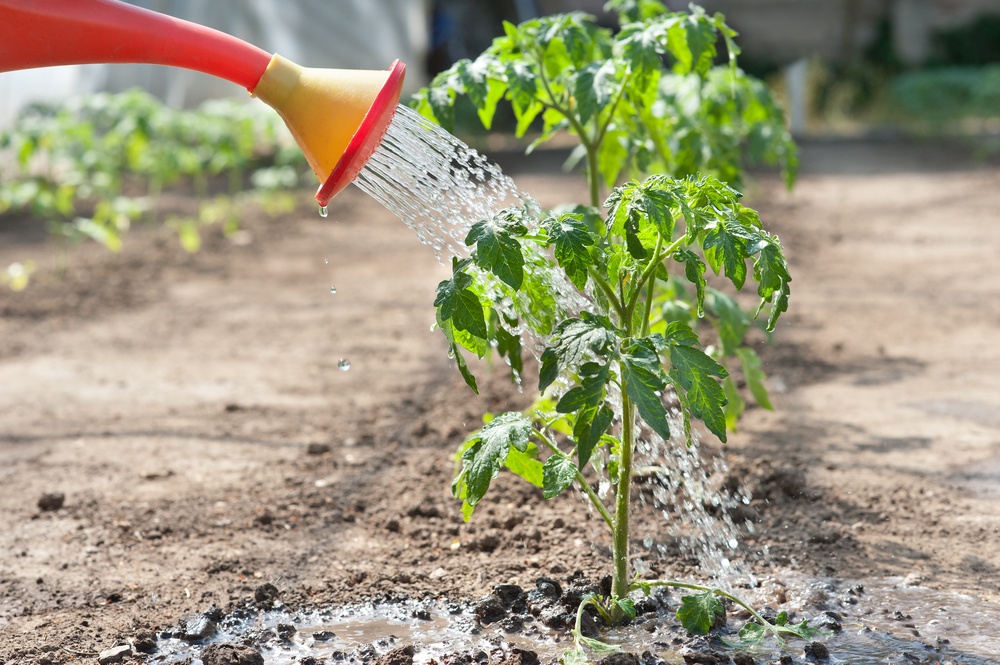
After the procedure, be sure to shade the plants and leave them alone for a few days. Once the seedlings have established sufficient roots, move them to a bright location for active growth and development. You'll know they're ready for planting by the thickness of the stems (which should be at least 8 mm) and the height of the bushes (the tomatoes should reach a height of 20 cm when ready for planting).
Choosing a landing site
To ensure your future harvest doesn't disappoint, carefully select the best planting site. Fertilize the soil generously with humus, wood ash, or rotted sawdust, and dig the beds. Once the holes are prepared, water each one generously, at a rate of at least 0.5 buckets per hole.
Beginning of planting seedlings
Given the short stature of tomato plants, they shouldn't be planted too deep. Planting should be done using the traditional method: after sunset or early in the morning, in calm weather.
Caring for mature plants
Young, newly planted plants require regular watering with warm water, loosening the soil, and removing weeds. Watering should be done in the evening to prevent leaf burn. During the growing season, "Klusha" tomatoes require two mineral fertilizers. If you choose the direct-seeding method, your tomatoes will develop such a strong root system that they won't be affected by any drought.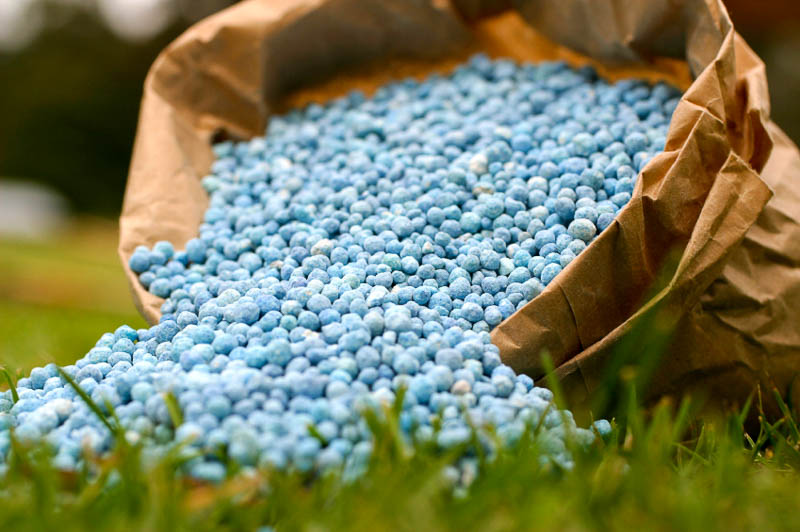
As already mentioned, partial removal of leaves is mandatory from the moment the fruit ovaries are formed.
Problems with growing
This variety was developed by domestic breeders and is suitable for growing in virtually any climate zone. Another important point is that removing side shoots is not necessary; the plant is a standard variety, so it stops growing on its own.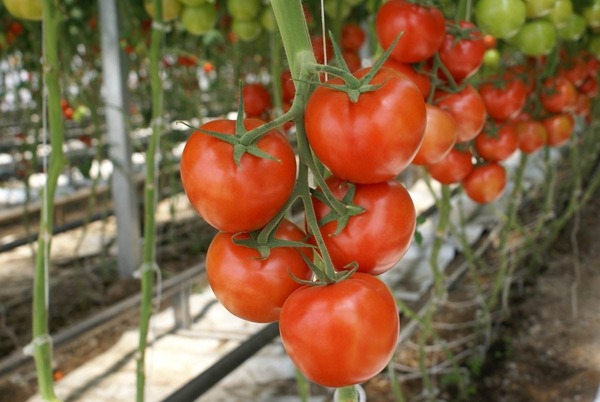
The only problem that gardeners face is the abundance of leaves, because of which young fruits do not receive enough sunlight. But this problem is easily solved, just remove the excess leaves.
Diseases and pests
"Klusha" has a high resistance to the main diseases that commonly affect tomatoes. To keep your beds healthy and productive, simply follow basic gardening practices: prevent the soil from drying out or becoming waterlogged, remove weeds promptly, and loosen the soil.
Pests, such as the ubiquitous Colorado potato beetle, are a bit more problematic. Like other plants in the nightshade family, tomatoes are a favorite of this voracious beetle. At the first sign of insect infestation in your tomato beds, be sure to treat them with one of the traditional methods.
If you haven't yet grown the Klusha tomato, be sure to try growing it. You'll see for yourself that even a few bushes planted in your garden will provide you with plenty of tasty and healthy tomatoes for a long time, without requiring much maintenance.
Video "Diseases and Pests"
This video will tell you about the problems that can affect tomatoes.