
Ultra-early tomato variety Katya
Content
Description and characteristics of the variety
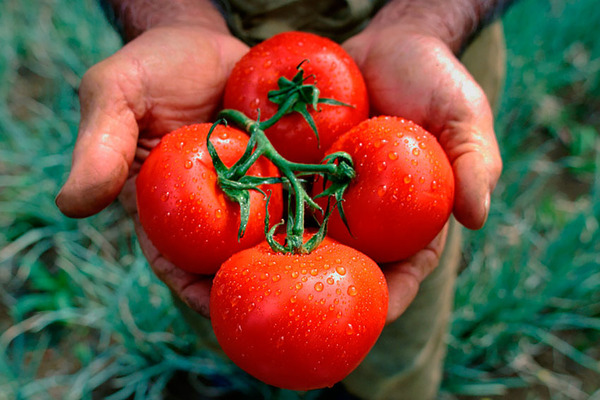
A hybrid variety bred in Russia, it begins bearing fruit just eighty days after germination. The plant produces single-stemmed inflorescences, each capable of bearing up to ten fruits. The first inflorescence appears above the fifth true leaf. The main characteristic of this tomato variety is its resistance to blossom-end rot, late blight, and tomato mosaic virus. This early-ripening tomato variety thrives in both greenhouses and open fields.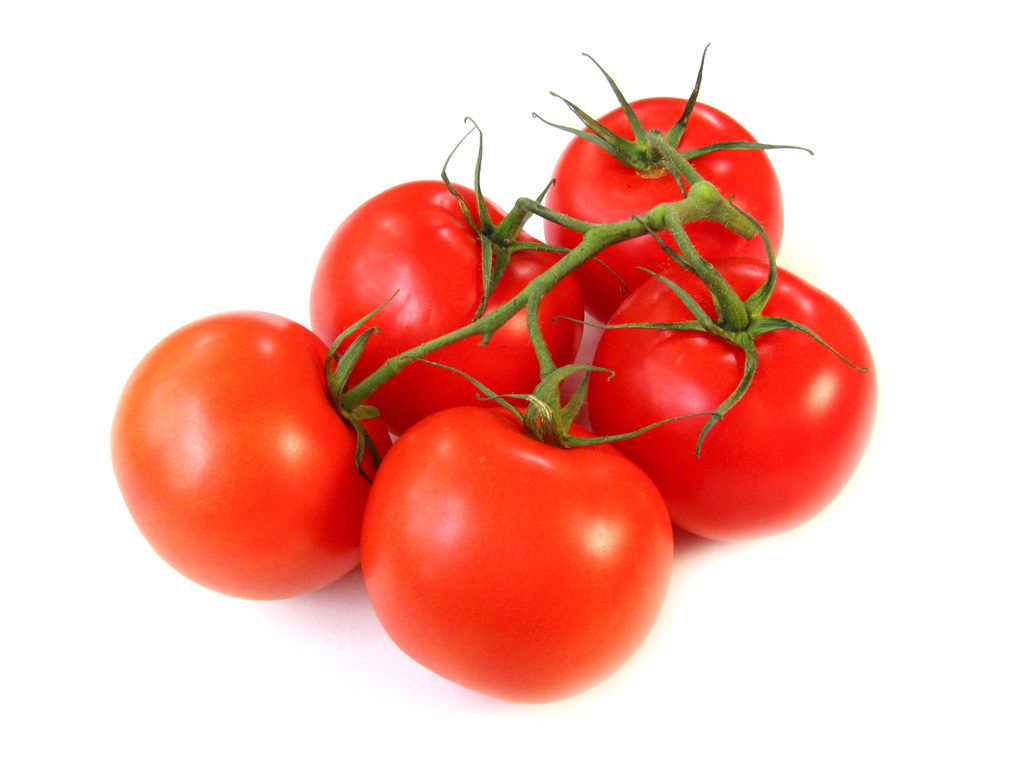
For several years now, this variety has been the undisputed leader in popularity among all early tomatoes.
It tolerates adverse conditions well, such as extreme drought or, conversely, periods of rain. With simple care, even novice gardeners can easily harvest a good crop of early tomatoes.
Advantages and disadvantages
The description of this hybrid indicates its high yield, so the plant requires additional support. Branch brittleness is an unfortunate characteristic of Katya F1 tomatoes.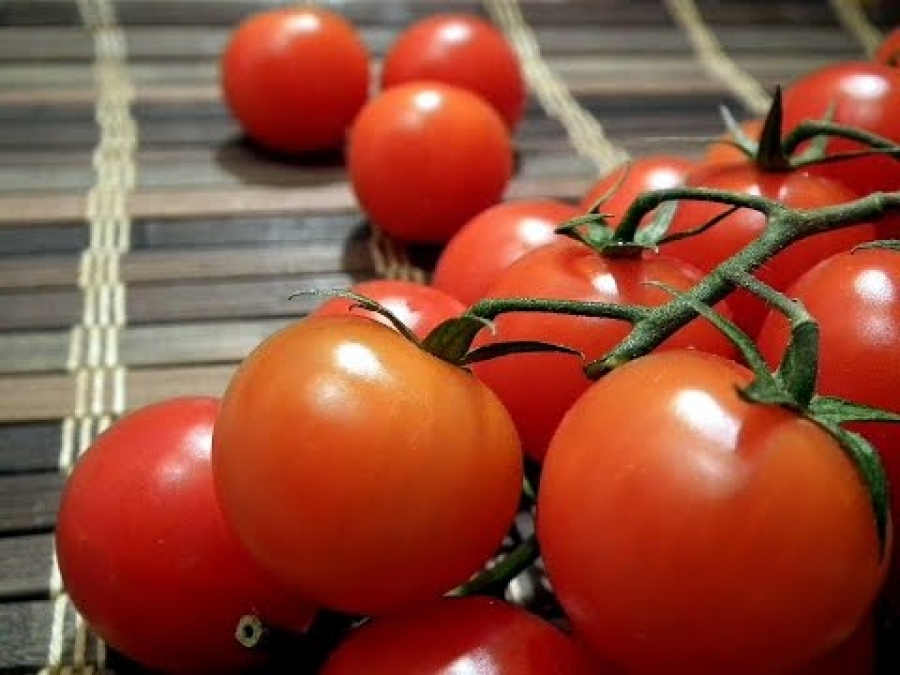
Along with rare cases of tomato mosaic and phoma, this probably covers all the shortcomings this variety has. However, its advantages are incomparably greater:
- Katya F1 is distinguished by its amazing precocity;
- not prone to cracking of fruits;
- During the ripening process, tomatoes do not form a green, unripe spot near the stalk;
- Eating Katya F1 tomatoes has a beneficial effect on maintaining optimal acid-base balance in the body;
- Katya tomatoes are ideal for long-term storage and transportation;
- This plant variety is not sensitive to changes in air temperature;
- has excellent taste qualities.
-
Even if an annoying blight infestation does occur, don't despair. Disease control methods include promptly removing affected tomatoes. They should also be treated with a special preparation called Hom. Additional measures include reducing watering and reducing fertilizer use. If the Katya F1 tomato is grown in a greenhouse, ventilate it more frequently.
Video: Growing Tomatoes
The video demonstrates how to create optimal conditions for growing tomatoes, as well as how to manage diseases and produce juicy fruits.
Features of cultivation
The Katya F1 tomato variety is grown using seedlings. The seeding instructions for seedlings are traditional: in early March, sow into boxes with nutritious soil, and transplant the young plants after the cotyledons have fully developed.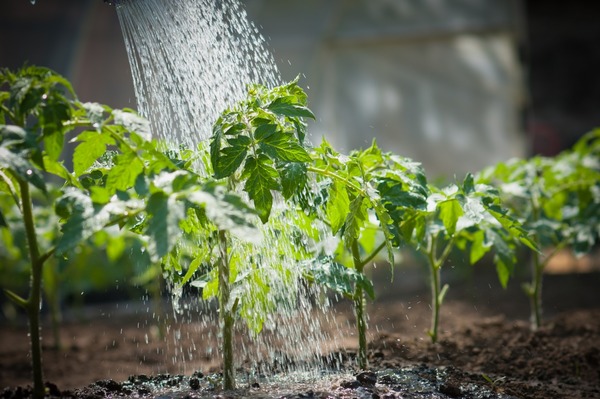
Another characteristic of this variety is that young plants should be planted in the ground after hardening off the shoots, once the threat of night frost has passed. By the time of planting, tomatoes of this variety should reach 20 cm in height. Care for the plants includes regular fertilizing with potassium fertilizer, watering, and systematic loosening of the soil. Growing Katya tomatoes must be pinched out and provided with additional support.
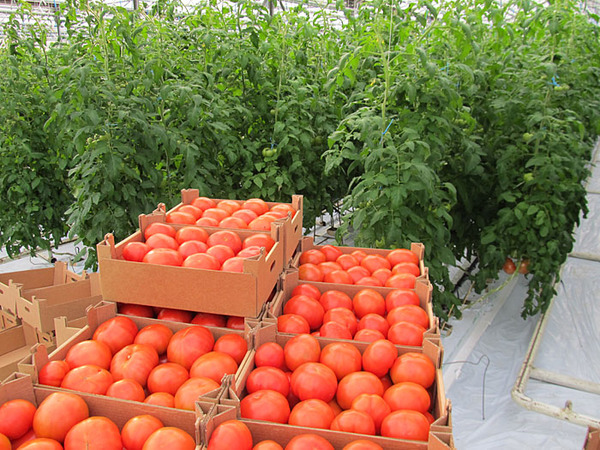
The Katya F1 variety is distinguished by its high yield: with proper care, farmers can easily obtain up to 10 kg of fruit per square meter in open ground, while in greenhouses this figure increases to fifteen kilograms.
Diseases and pests
Although resistant to various diseases, the Katya F1 tomato variety is still susceptible to pest attacks, just like other garden crops. Insects capable of causing significant damage to future harvests are classified into two main types:
- pests affecting the root system;
- attacking the above-ground parts of plants.
The main scourge of all gardeners, which destroys the roots of crops, is the cockchafer larva. The main characteristic of this pest is its extraordinary voracity. It gnaws at the roots of tomatoes, slowing the plant's development, and if there are enough larvae, they can completely destroy the garden beds. The main method of pest control is mechanical collection of the larvae, but you can also resort to specialized products such as Anti-Khrushch.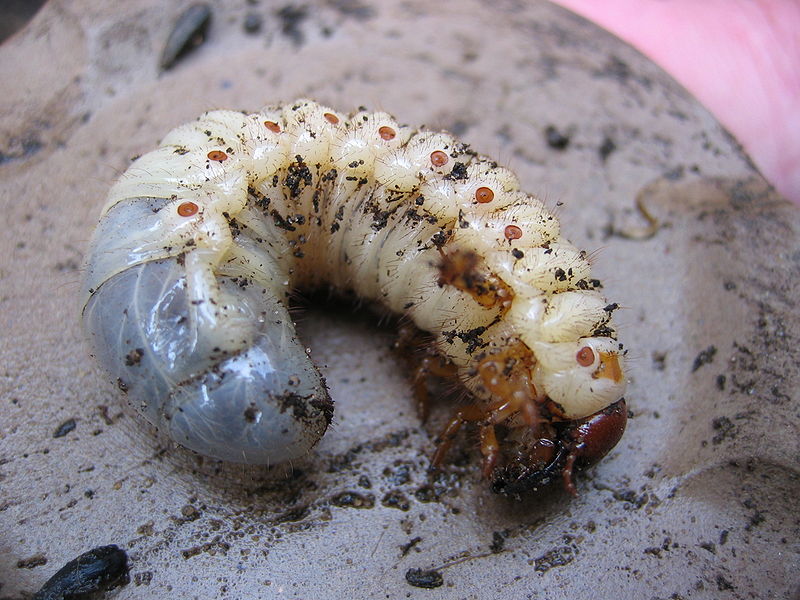
The Katya variety is susceptible to another enemy: wireworm. This worm attacks the root system of plants, eventually killing the tomatoes. Control is similar to that for cockchafer larvae.
Another dangerous pest is the voracious mole cricket. Any tomato variety is threatened by both its larvae (which gnaw at the lower part of the root system) and adults (which feed on the upper parts of the roots, actively digging up the soil with their limbs). The most effective method of controlling them involves the use of granular products that directly target the pest. A crucial step is to bury the granules to prevent poisoning of pets and to facilitate access by the mole cricket.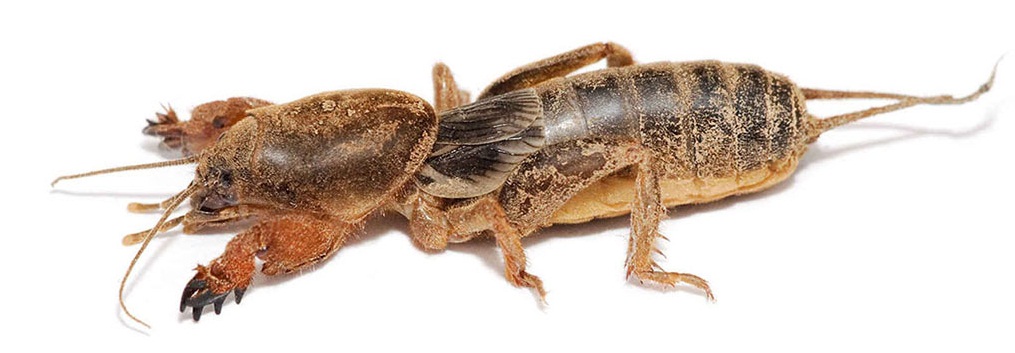
Pests that attack the Katya variety's above-ground parts include the traditional aphids, whiteflies, and cutworms. Aphids, which infest tomatoes along the entire length of the plant, feed on its sap and gradually lead to its death. This pest is particularly dangerous because the insects form numerous colonies, capable of destroying large areas of garden crops in a short time. Methods for controlling aphids include treating tomatoes with an insecticide solution, such as Ratibor or Tomato Rescuer.
Whiteflies pose an equally dangerous threat to the Katya variety. These small butterflies, which primarily infest greenhouses, nest on the undersides of leaves and feed on plant sap, much like aphids. Therefore, control of this pest is similar to the first method.
Another enemy that attacks the Katya F1 tomato variety is the cutworm. It can eat not only the leaves but also penetrate the fruit, causing fungal infections. To combat this pest, insecticide solutions are applied to the dry leaves of the tomatoes at temperatures above 20 degrees Celsius.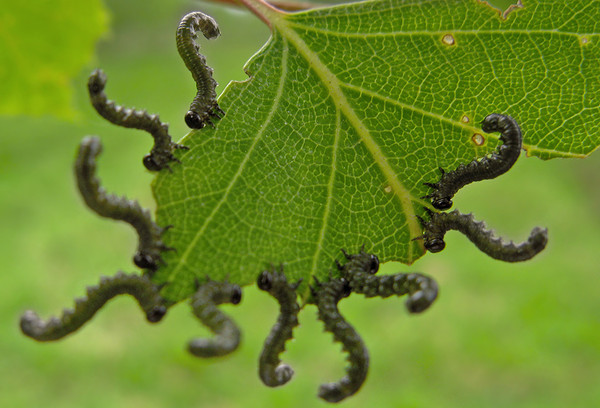
Video "10 Mistakes in Growing Tomatoes"
This video discusses the 10 most common mistakes made when growing tomatoes. Knowing these mistakes will help you avoid them and grow a great harvest of delicious tomatoes.