
Miracle tomato variety Persimmon
Content
Description and characteristics of the variety
The Khurma tomato was developed through frequent experimentation by Russian amateur gardeners, who strive to bring something new to the gardening industry. The result was a remarkable tomato variety, which was registered in 2009 after achieving a consistent yield.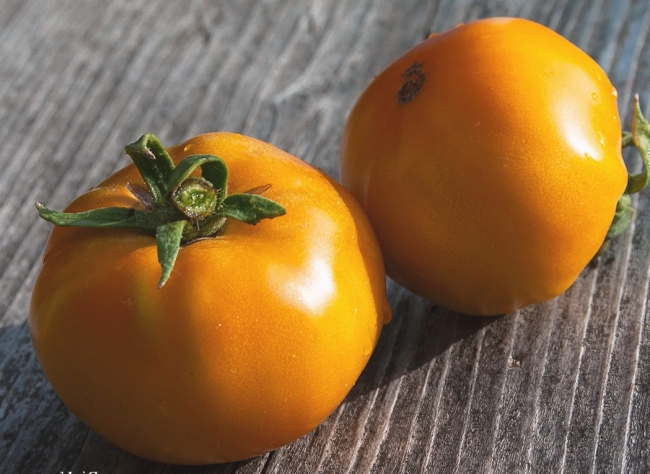
The following characteristics should be included in the description. The Khurma tomato is a mid-season variety. The tomato bush typically reaches 80-90 centimeters in height. When grown in a greenhouse, it can reach heights of 130 centimeters or more. Therefore, the bush will require periodic staking to prevent the main stem from breaking under the weight when a large number of ovaries appear.
After planting, it can take 3 to 3.5 months for the seeds to reach full maturity. The ripening time can depend on a variety of external factors, including air temperature, soil quality, watering frequency, and the absence of diseases and pests.
Persimmons are best grown in a greenhouse, as they yield a larger harvest. However, this variety is also easy to grow outdoors. So, gardeners won't have any trouble deciding where to plant it.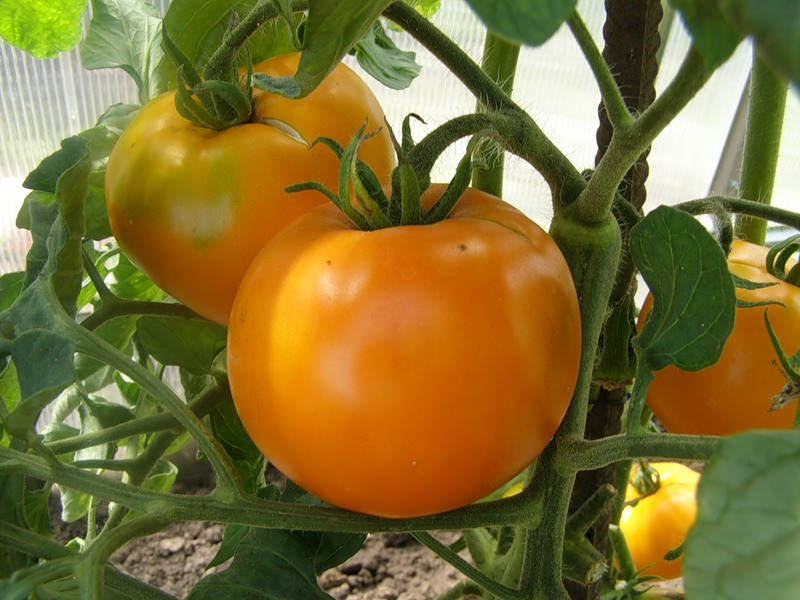
The Persimmon tomato bush belongs to the determinate types of standard plants.
Gardeners should be aware that this variety is not very resistant to diseases and pests, so it will be necessary to treat the plants promptly to protect them from the harsh environment. This is, of course, much easier to do in greenhouses. With proper gardening skills, this characteristic will not be a major problem, as such issues can be avoided in advance.
The Khurma tomato has a good yield, which is very important for entrepreneurial farmers.
With proper care for the seedlings, a single plant can yield over 4 kilograms of vegetables by the end of the season. This is a remarkable result, even though the spacing between plantings must be strictly maintained. No more than 8-9 tomato plants of a given variety should be planted per square meter. This will result in an excellent harvest, enough to provide your family with tomatoes for the entire fall and winter.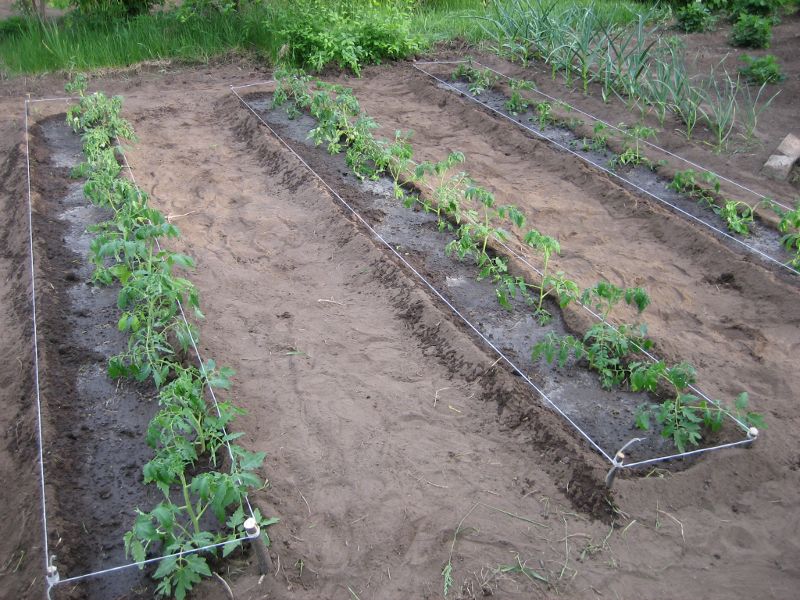
The only drawback is poor resistance to parasites and diseases. However, the advantages far outweigh the disadvantages.
First of all, it's worth noting that the Khurma variety produces very high yields, combined with excellent taste—the fruits are juicy and sweet (hence the name). These tomatoes can be used for a wide variety of purposes, from fresh salads to canning and pickling. It's also worth noting that these tomatoes have excellent shelf life.
Therefore, they can be stored for a long time in dark places without fear of them spoiling.
The characteristics of the fruits of the Persimmon variety include the following:
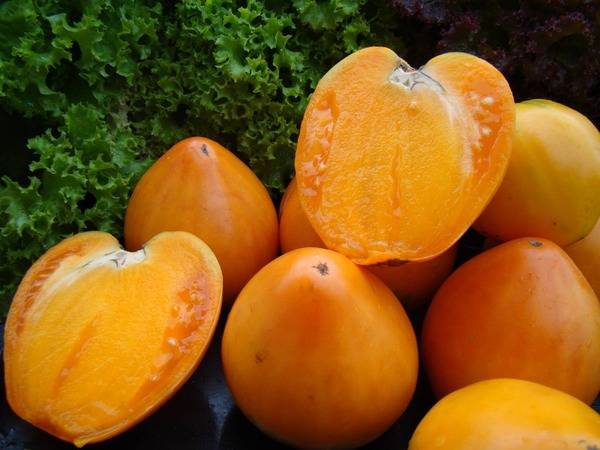
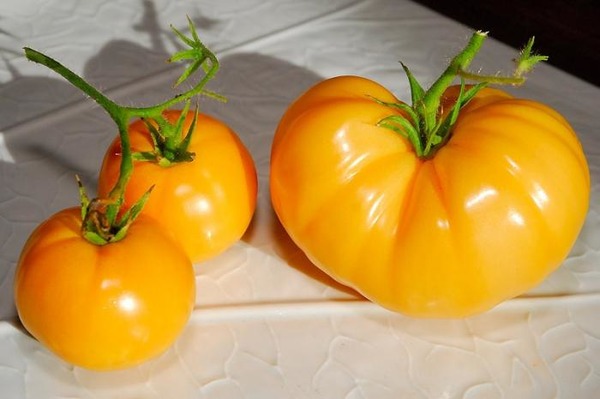
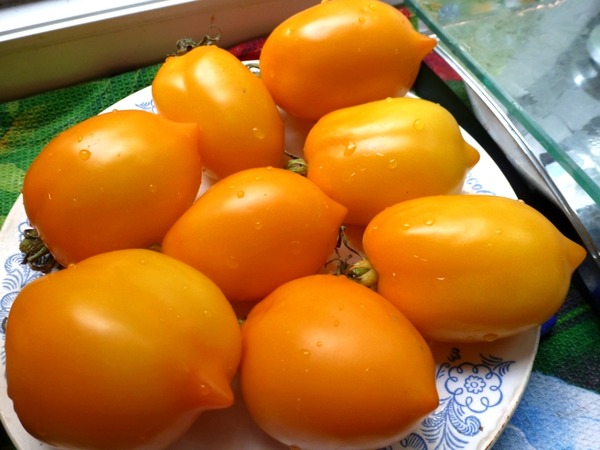
- Once fully ripe, tomatoes turn a bright yellow color, with brighter orange shades possible;
- the shape is round, slightly flattened at the top and bottom (from the name of the variety you can understand that it looks like a fruit);
- the average weight of one tomato can be about 500 grams;
- the number of sections of the fruit where seeds are formed is 6-8;
- the dry matter content is up to 7% of the total fruit weight;
- When ripe, they have a sweet taste, but when overripe, they develop a sour taste.
The persimmon variety contains a large number of vitamins and microelements. Therefore, its juice is very beneficial for health.
Video "Proven Tomato Variety"
In this video, an experienced gardener will share tips on growing and caring for this tomato variety.
Growing using seedlings
To grow the Persimmon variety from seedlings, it's important to consider all the necessary agricultural practices. Seeds can be sown in late March, so the seedlings are ready for planting within a month.
The method is very simple. To obtain planting material, use high-quality, fertilized soil. You will also need to add a weak solution of Fundazol.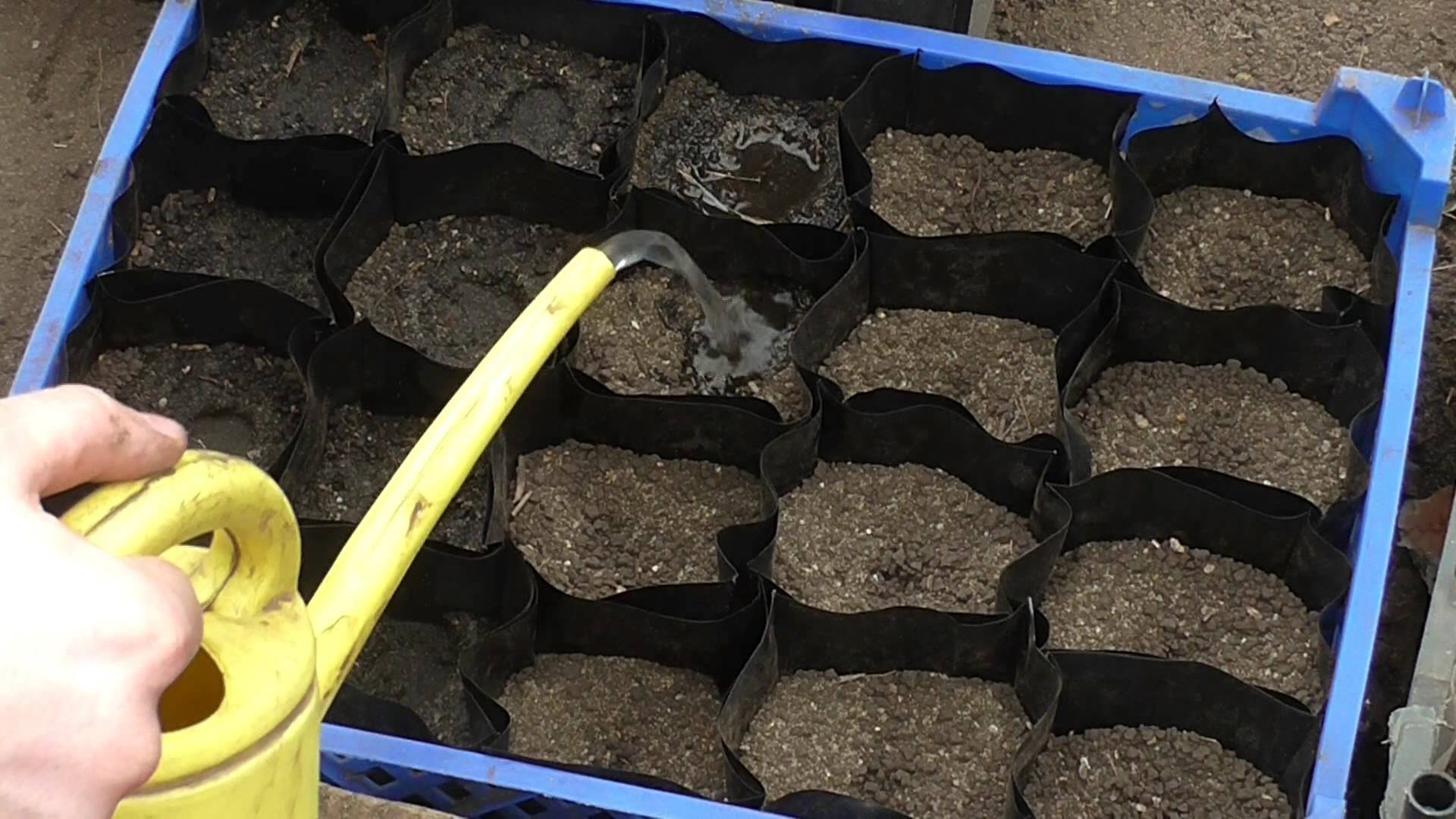
Next, the soil should be moistened, thoroughly loosened, and made into small furrows. After this, the furrows should be lightly compacted to ensure better contact with the seeds. On average, persimmon seeds have a germination rate of over 90%, which is a very good rate among tomatoes. After planting, the soil can be covered with glass or plastic film. Subsequently, the gardener will only need to maintain a stable air temperature of 23 degrees Celsius (73 degrees Fahrenheit) during planting.
Once the seedlings sprout, move the seedling trays outside to a location with constant sunlight. The subsequent instructions for growing this vegetable crop are also very simple. When a couple of leaves appear on the stems, you can begin transplanting the seedlings into individual containers. You can begin planting the seedlings outdoors after the last frost has passed (depending on your region)—late April or May. By this time, the plants should have several leaves and be about 15 centimeters tall.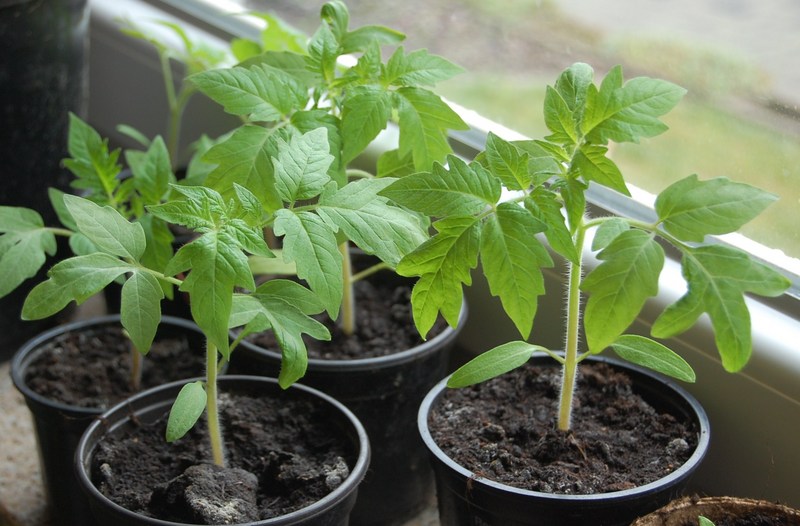
Since the tomato description mentions a high germination rate, this means the plant draws a large amount of nutrients from the soil. Based on this description, you should plant no more than four plants per square meter.
If you don't want to prepare your seedlings for planting yourself, you can go to the market in the spring and buy ready-made seedlings. This way, you can make the process easier for yourself and immediately select the best plants for planting in the ground.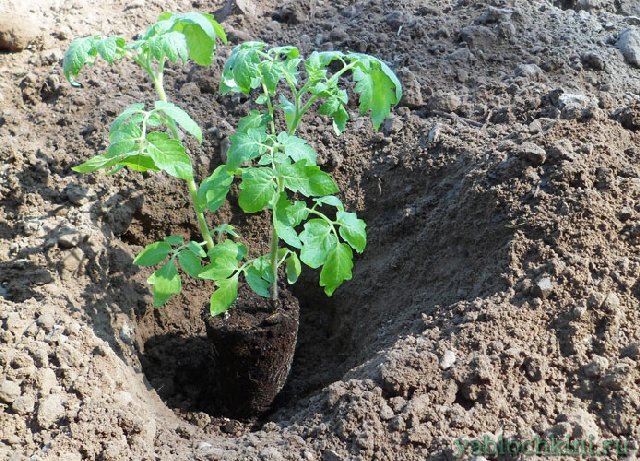
Diseases and pests
Given the specific description of the Khurma tomato variety, it's important to remember that it's susceptible to many diseases. Since the description doesn't include resistance to these diseases, it's essential to pre-treat the plants against the most common diseases, which can lead to reduced yields and even death of the seedlings.
Avoid excessive humidity around tomatoes. Regular watering and application of mineral and organic fertilizers are essential.
Late blight is very dangerous for plants. At the first sign of this disease, remove the affected areas immediately to prevent further spread. Regular weeding is essential.
Late blight is usually caused by fungal spores. Dampness and frequent temperature fluctuations favor the disease. Therefore, the Persimmon variety is best grown in a greenhouse, as it's much easier to care for the plant in such conditions.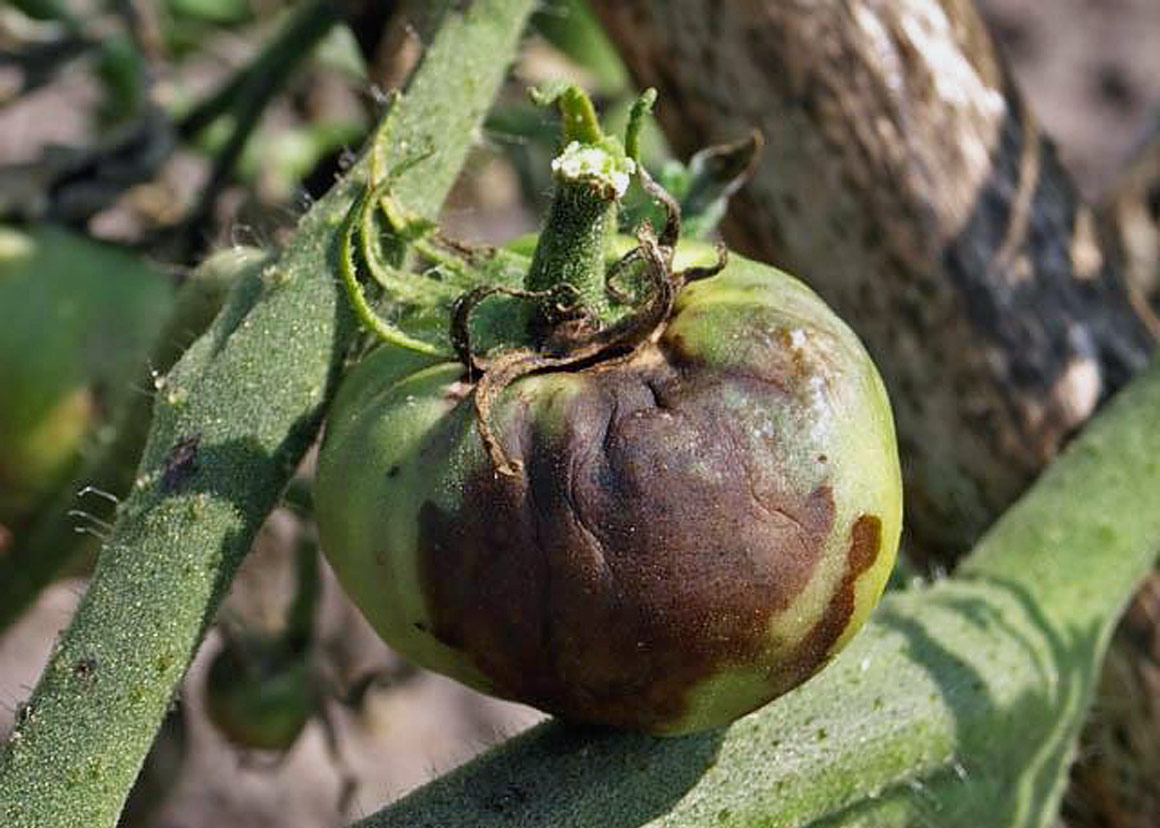
Another disease caused by a fungus is microsporiosis. It develops at temperatures above 23 degrees Celsius. Over time, tomato leaves and stems begin to die, and the fruit rots. With microsporiosis, the green parts of the seedlings dry out rapidly. To eliminate the disease, the bush must be treated with a solution containing copper.
The persimmon variety is susceptible to a viral disease. Necrosis, in this case, is a very dangerous disease. It can lead to the death of the bush even before fruit appears. To combat this, it is necessary to use Fitolavin, as it is recognized as one of the most effective treatments.
Given the tomato's characteristics, this variety is very popular with insects. Therefore, periodic treatments are necessary to protect the plants from pests. The Khurma variety can be protected not only with special treatments but also with plants. Planting onions, garlic, and other insect-repellent plants nearby will significantly reduce the number of insects. These plants produce enzymes and odors that are unpleasant for pests.
An integrated approach with such measures only increases the effectiveness of pest control.
Video: Growing Tomatoes in the Garden
This video will help novice gardeners and vegetable growers learn a lot about growing salad persimmons.