
Characteristics of the Gina tomato and features of the variety
Content
Features and characteristics
The Gina variety was developed by Dutch breeders relatively recently. However, despite this, it has already gained immense popularity among gardeners in our country. This low-growing plant is characterized by moderate foliage and determinate growth. The tomato bush is not standard, growing to a height of 50-60 cm. It typically consists of three stems that grow from the root.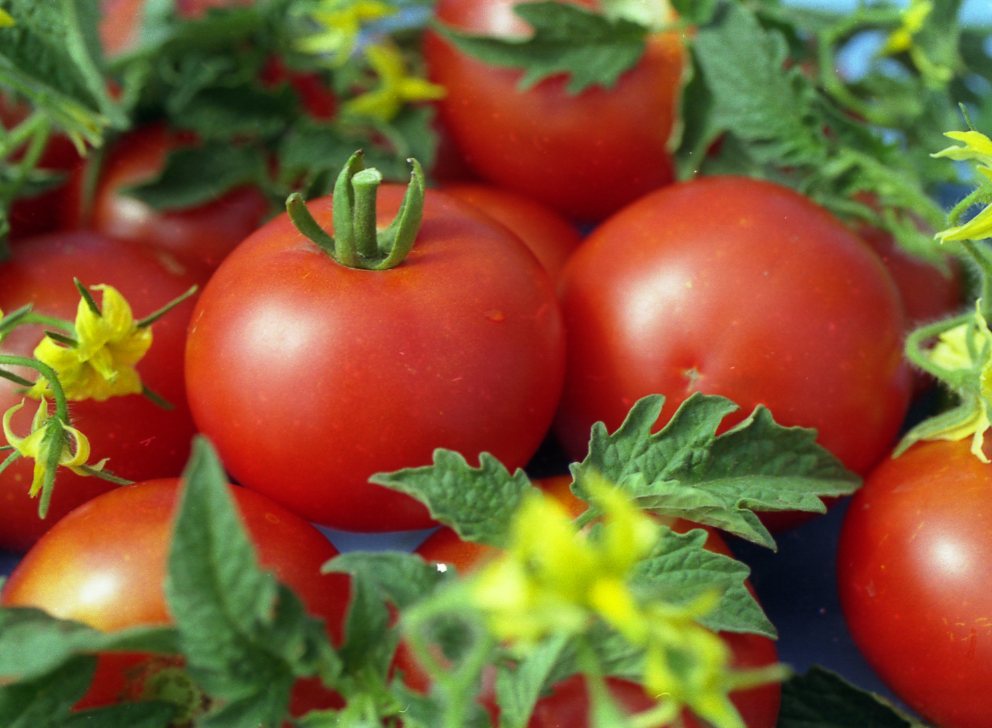
The bush produces round tomatoes with a slightly flattened top. They are bright red. Each fruit contains approximately 6-8 chambers, accounting for up to 5% of the dry matter by weight. The tomatoes are large and slightly ribbed. Their average weight ranges from 200-300 g. The skin is dense and thick. The tomato flesh has a pleasant flavor, slightly sweet and slightly tart. It has a pleasant aroma. The flesh itself is quite juicy.
This variety produces beautiful, uniform tomatoes of excellent quality. They can withstand even long transport. Furthermore, Gina tomatoes store well.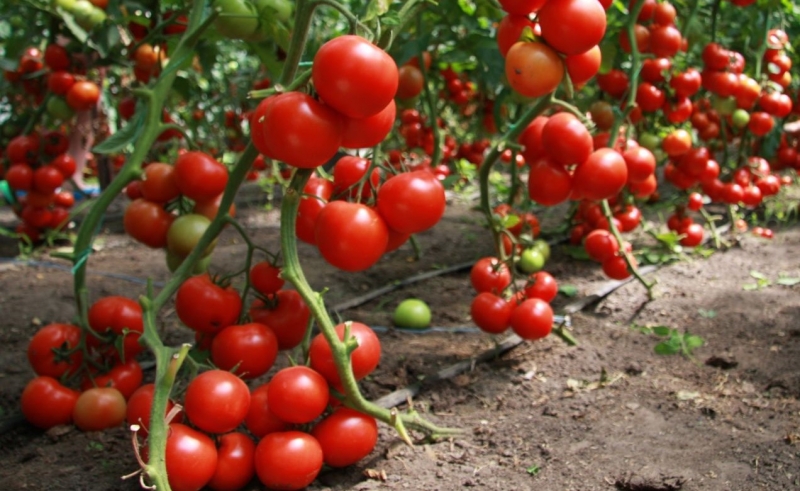
It's worth noting that if placed in a sterile glass container with a tightly sealed lid, the tomatoes will remain fresh for up to three months when placed in a cool, refrigerated environment. Proper storage of this variety of tomatoes will preserve their marketable quality for a considerable period of time.
The characteristics and description of the Gina tomato variety include the following important points:
- does not require garters or bush shaping;
- does not require pinching during the growing process;
- A mid-season, large-fruited variety. It takes about 110-120 days from the first shoots to ripening;
- Characterized by prolonged, spread-out, and uneven fruiting, a single cluster of bushes can produce up to 3-5 fruits;
- can be grown in open and closed ground (in a greenhouse);
- Tomatoes are heat-loving. However, in the southern regions of the country, they can be grown without seedlings;
- The plant is sensitive to temperature fluctuations. Therefore, if planting in open ground, additional protection in the form of temporary shelters is required.
- Tomatoes have good resistance to various diseases: fusarium, verticillium wilt, root rot, late blight and TMV.
It is worth noting that this tomato variety has a hybrid form – the Gina TST variety.
Video: "Characteristics of the Gina tomato variety"
From this video you will learn a lot of new things about this tomato variety.
Gina TST: What are the differences?
This variety was developed by Russian breeders working for the Poisk agrofirm. It is also a determinate plant. However, it can grow up to 65 cm in height. Two to three shoots also emerge from the root. However, the bush itself is characterized by extensive branching. Therefore, experienced gardeners do not recommend planting four or more bushes in a single square meter, as they will begin to crowd each other. This hybrid does not require pinching during cultivation.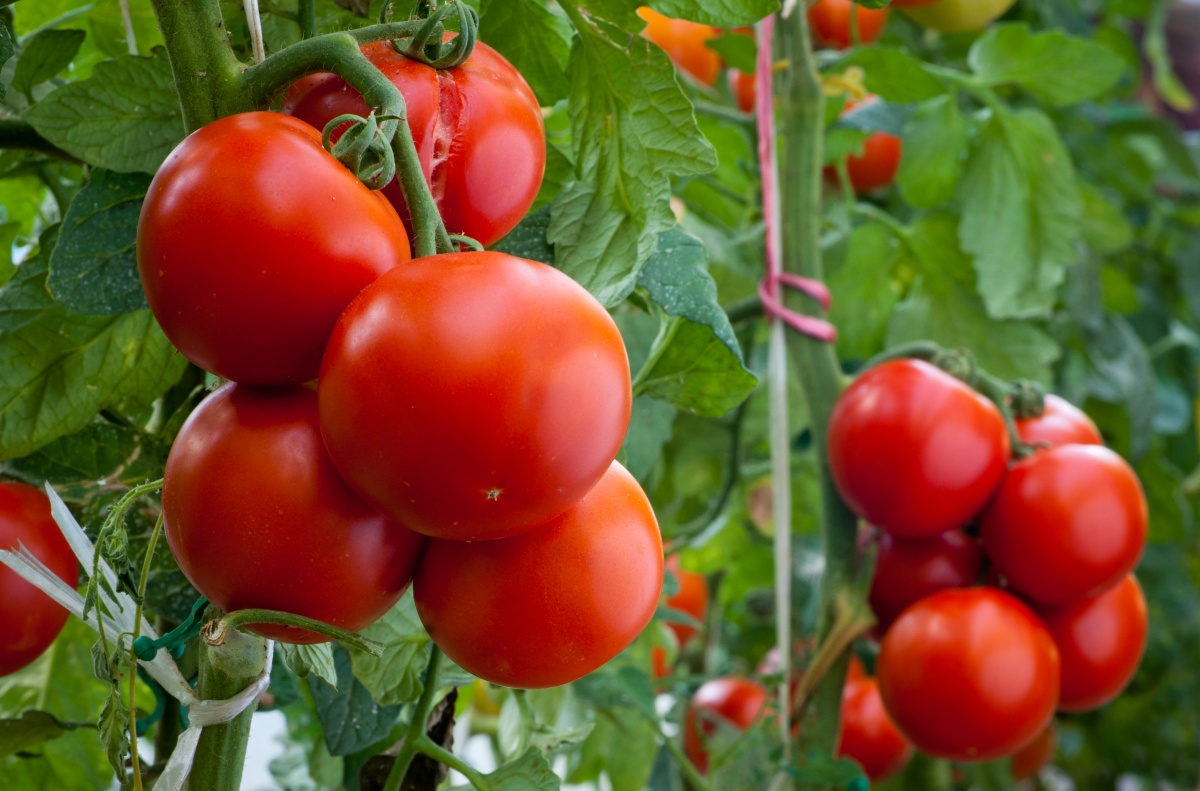
The Gina TST tomato produces round, slightly flattened fruits with a characteristic slight ribbing. Unripe tomatoes are green, while ripe ones are red. They average 230-350 g in weight. When grown under plastic cover, they can reach 400 g. The fruits are used in salads, but their size makes them unsuitable for canning.
This Gina tomato variety is characterized by a medium yield. Up to 10-12 kg can be harvested from one square meter of planting. However, some gardeners claim yields as high as 20-23 kg. These tomatoes have excellent marketability. They transport well and are suitable for long-term storage.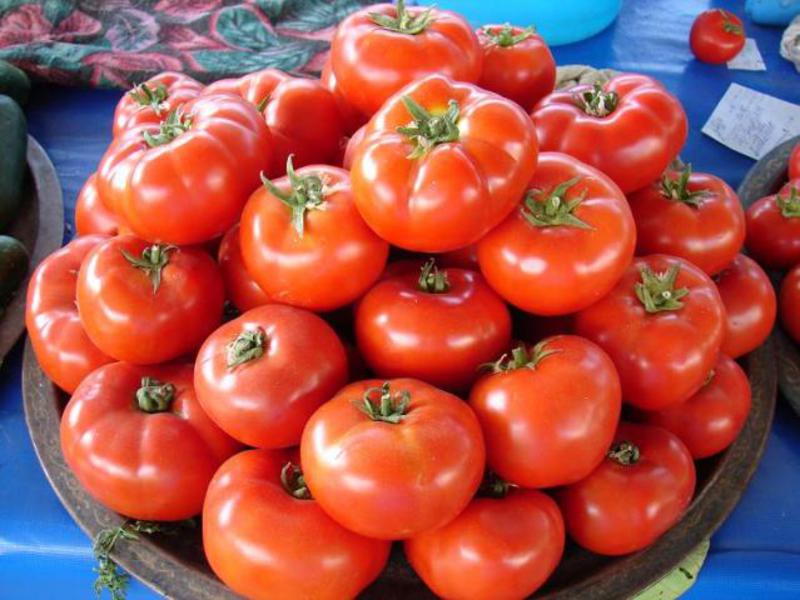
The hybrid Gina TST has clear differences from the original variety, which are as follows:
- Medium ripening. The first tomatoes ripen approximately 103-105 days after planting;
- Despite the originators' assurances that staking isn't necessary, it's still best to tie the bushes to a support. This will help prevent them from falling apart;
- During the growing process, it is also recommended to remove lower leaves from the shoots to ensure more nutrition reaches the tomatoes. For a good harvest, it is necessary to aerate the soil;
- The plant is resistant to verticillium and fusarium.
To ensure the Gina tomato variety produces a good harvest, it is necessary to know the cultivation technology and also to provide proper care for the plants.
Growing technology
These varieties are now widely grown in the southern regions of Russia, Moldova, and Ukraine. Here, they thrive in open ground without the use of plastic covers. However, in harsher climates, greenhouses and plastic covers are essential.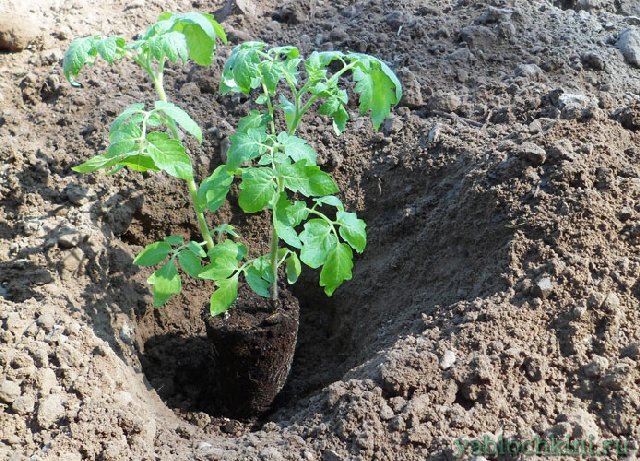
Agricultural practices in this case will be similar to those for other tomato varieties. The cultivation technology here should include the following steps:
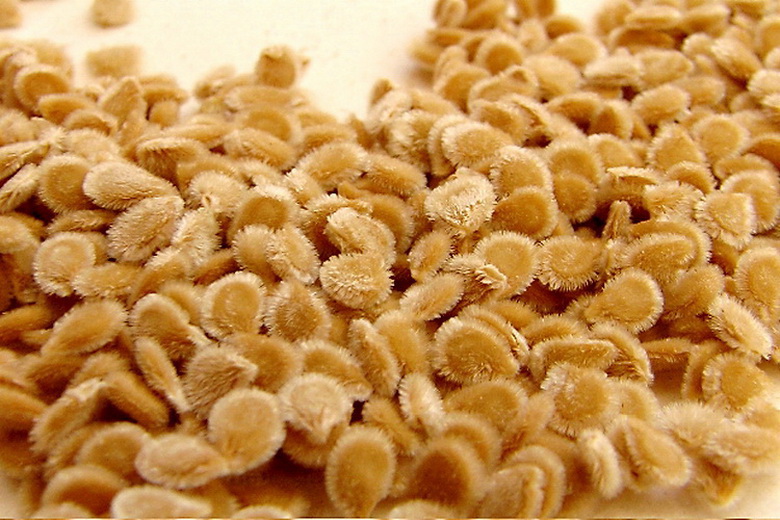
- Preparing the planting material. Gina seeds should be soaked in a light solution of potassium permanganate for 2 hours before planting.
- Planting prepared seeds can be done in two ways: directly or with seedlings. In open ground, seeds are planted directly in holes 40 cm x 50 cm apart. Indoors or greenhouses, the seedling method is used. Seedlings are transplanted to open-ground beds in late May (when two true leaves appear), and seeds are planted in late February or early March. The seedling method is considered more effective.
- Planting seedlings in a permanent growing location should be carried out only after the soil has warmed up evenly, as plants are sensitive to low temperatures;
- To speed up the process of sprouting, you should use mineral fertilizers;
- When the seedlings have formed three true leaves, they are picked.
In addition, when growing Gina tomatoes, you must adhere to the following recommendations:
- Maintain crop rotation. Tomatoes should not be planted after any nightshade crops, including eggplant and peppers. The best predecessors for tomatoes are onions, legumes, carrots, and lettuce.
- To attract pollinating insects to the plantings, the plantings can be thickened with mustard, basil and coriander;
- To increase fruit production, you can resort to artificial pollination. To do this, shake the inflorescences in the morning;
- Before planting seedlings in open ground, it's recommended to sprinkle a small amount of wood ash on the bottom of the holes. This will provide the young plants with essential micronutrients and also protect them from certain diseases.
- Fertilizers should be applied at the stage of ovary and harvest formation.

As we can see, the Gina tomato variety (both hybrid and cultivar) is easy to grow, easily mastered by any gardener. However, to maximize the yield of your tomato plants, proper care is essential.
Care and protection from pests
There are no specific cultivation techniques described for the Gina varieties. Therefore, planting care in this case will consist of standard measures:
- watering;
- loosening;
- weeding;
- garter;
- application of fertilizers.
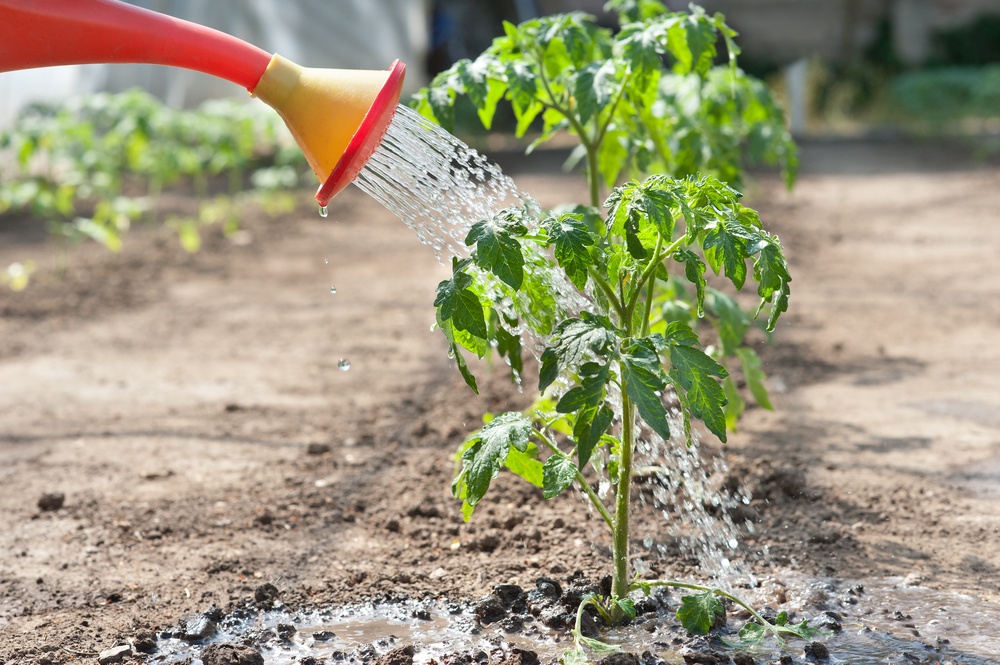
Plants should be watered twice a week. This is especially important during the fruiting period. During this time, water every other day. When temperatures reach 28ºC or higher, watering should be done daily.
After each watering, the soil around the plants should be loosened. This should be done very carefully to avoid damaging the root system. Weeding should also be done periodically to remove weeds. This will allow the tomatoes to utilize all the nutrients in the soil to produce a bountiful and delicious harvest.
Although the variety description states that staking is not necessary, many gardeners still recommend it. However, due to the medium height of the bushes, this procedure is optional. Therefore, hilling is recommended.
It's worth noting that in regions of our country with hot climates, it's best not to tie up this tomato variety. This will cause the bush to "lie down," and the developed, robust leaves will shield the root system from the scorching sun. It's also important to remember not to loosen the soil after watering in this situation.
The process of pinching out side shoots doesn't require special care. This is because this process produces determinate and compact bushes. However, it's crucial to provide the plants with high-quality and timely fertilizer. The first application of fertilizer should be made two weeks after transplanting the seedlings to their permanent location. Repeat the procedure 10 days later. The third application should be made two weeks later. The fourth application should be made 20 days after the third application. Watering should be increased. Tomatoes should be fed with complex mineral fertilizers and herbal infusions. To increase the sugar content of the fruit pulp and protect the bushes from pathogens, water them three times a month with a weak solution of potassium permanganate.
To combat insect pests and diseases, as a preventative measure, plantings should be sprayed with solutions from traditional medicine, as well as chemical preparations.
Remember that proper care, with adherence to all agricultural practices, is the key to strong and healthy bushes, as well as a tasty and abundant harvest.
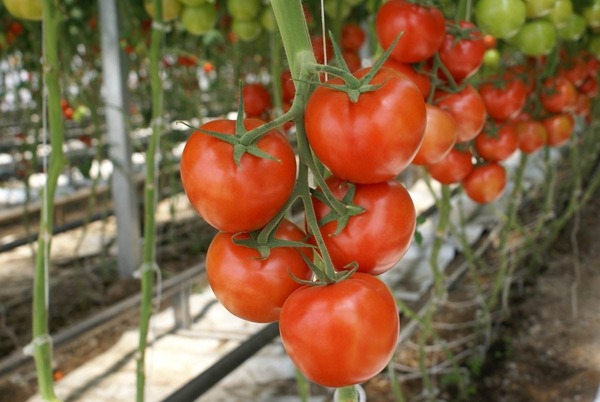
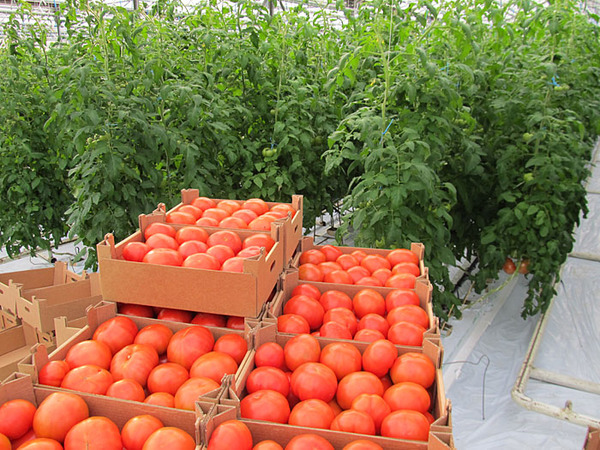
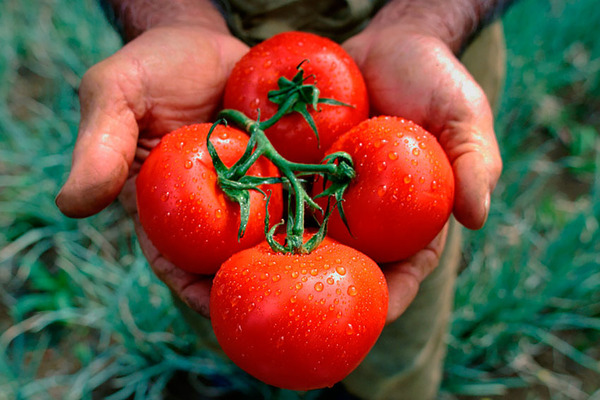
The Gina tomato variety and hybrid is an excellent vegetable crop that is not particularly difficult to grow and always produces a good harvest.
Video: "How to Properly Grow and Care for Tomatoes"
In this video, experienced gardeners and vegetable growers will explain how to properly grow tomatoes to ensure a good harvest.