
Tomato Dubrava: characteristics and description
Content
Description of the variety
Most gardeners and horticulturists today strive to grow tomato varieties that don't require special care, greenhouses, or hotbeds, and don't require staking or pinching. Dubrava tomatoes are just such a variety.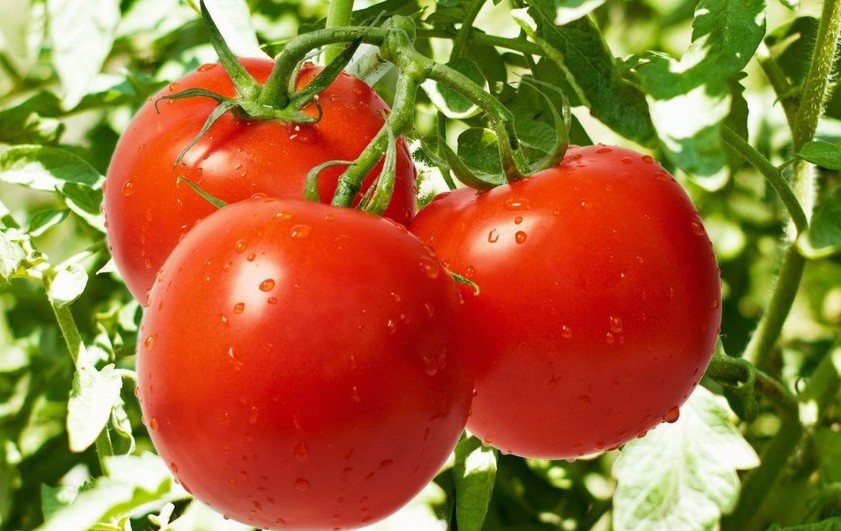
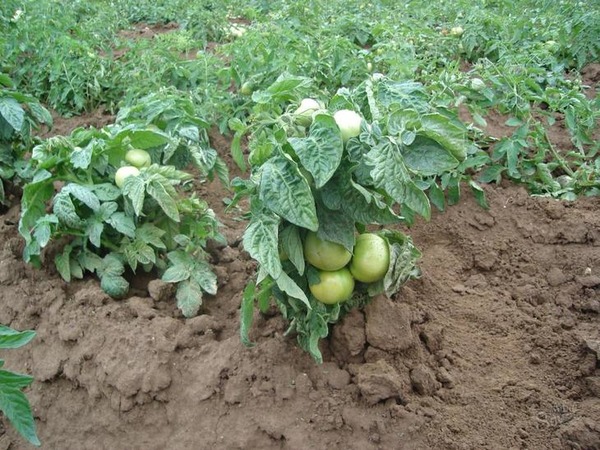
Dubrava's popularity is explained by its description and characteristics. The plant's bush is classified as determinate, meaning it grows to a modest height of only about 0.6 meters. It is characterized by early maturity. It takes only about three months from the emergence of the first shoots to the formation of ripe fruits. The plant's bushes are virtually branchless.
It is worth noting that the variety produces the best harvest when the bush is formed into 3-4 stems.
There are few leaves on the bush, they are small, and have the shape characteristic of all tomatoes.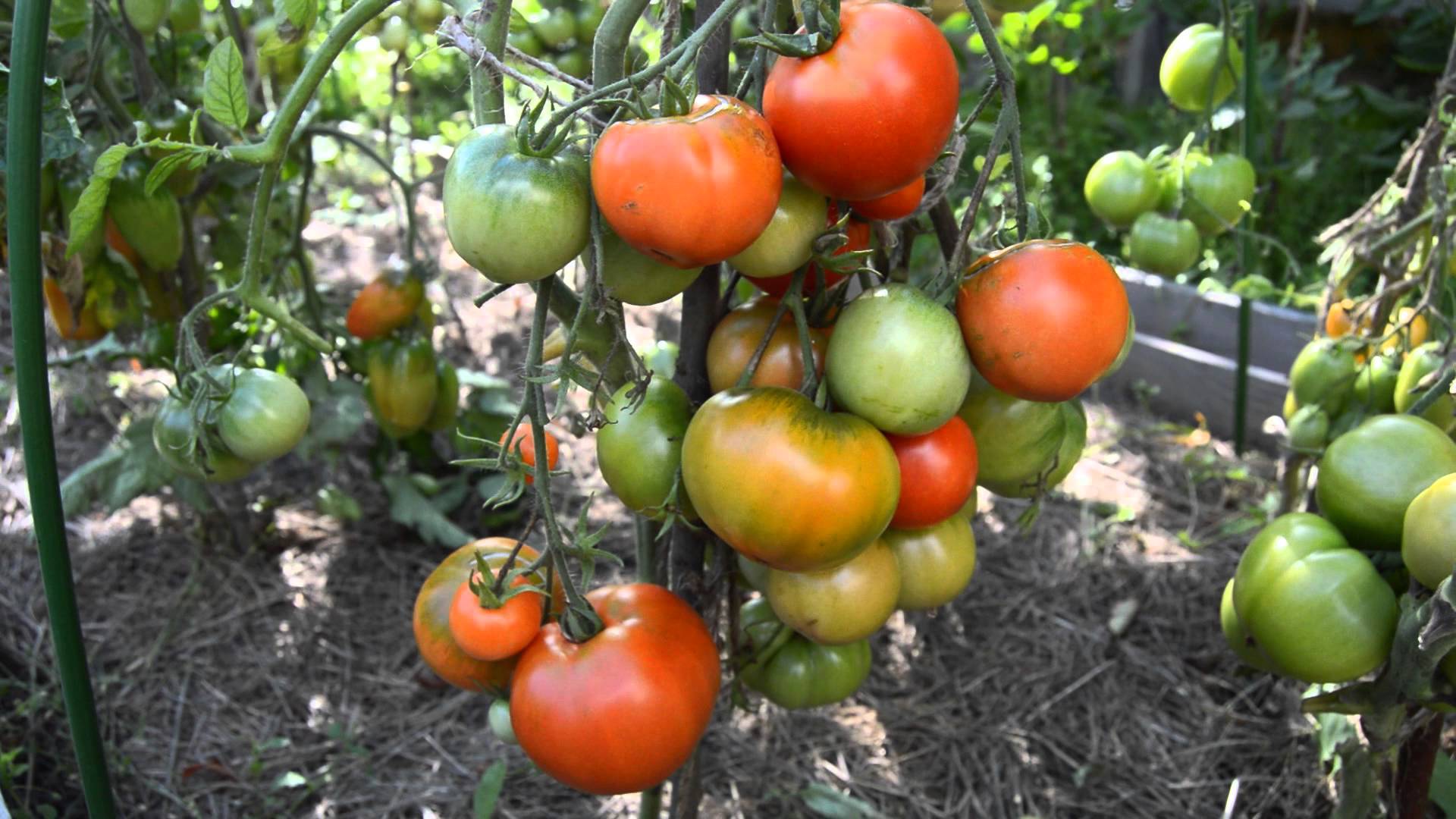
The description describes the plant as a vegetable with light green, virtually unruffled leaves. Its main characteristic is rapid ripening and a simultaneous harvest. Reviews of Dubrava indicate that the vegetable has moderate resistance to late blight. Some gardeners report yellowing of the seedling leaves after transplanting them to their permanent location.
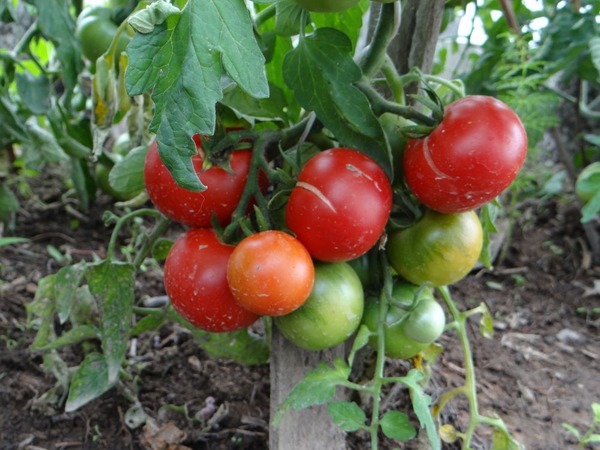
The characteristics of the Dubrava variety's fruit indicate that it originated in Russia. They are round and slightly ribbed. Each fruit weighs no more than 0.1 kilograms. The fruit is bright red. Dubrava's description suggests that if you plant 5-6 seedlings per unit area, you can harvest two kilograms of ripe fruit from each bush.
The fruits are commonly used for a variety of purposes: fresh, pickled, and added to salads. Due to its slightly sour taste, the variety is also used to make ketchup, lecho, and vegetable mixes.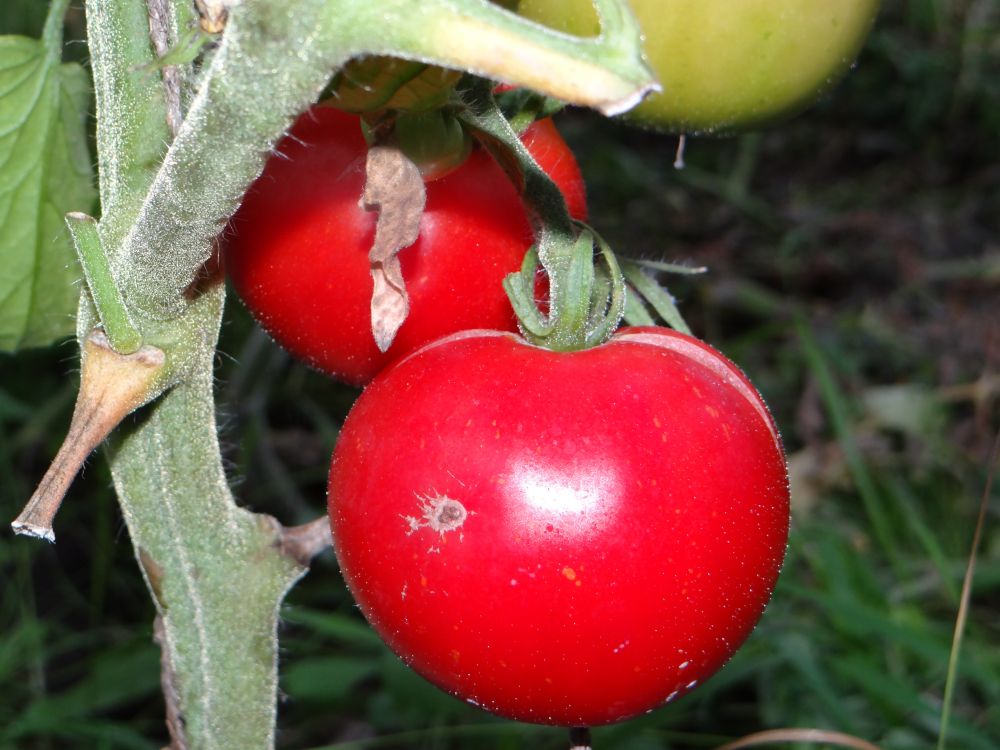
The fruits retain their marketable appearance even during transportation. They can be stored without visible changes for about six weeks.
Video: How to Grow the Dubrava Tomato Variety
In this video, an experienced gardener will explain the specifics of growing this tomato variety.
Advantages and disadvantages
Like any variety, Dubrava has its strengths and weaknesses. The vegetable's characteristics highlight its strengths:
- Fast ripening of fruits;
- Pleasant taste with a slight sourness;
- Versatile use of vegetables;
- Simultaneous harvesting;
- Low susceptibility to late blight;
- Good bush metric indicators.
Reviews from gardeners suggest that the variety has no significant, obvious disadvantages.
Growing seedlings
The timing of sowing seeds for seedlings and subsequent outdoor cultivation depends on the climate and weather conditions in the region. It is recommended to plant Dubrava in late March. It is best to grow seedlings in plastic containers. Before sowing, it is recommended to make holes in the container to ensure good drainage when watering the seedlings.
To sow Dubrava, as the variety description states, use soil where zucchini, dill, and parsley have previously grown. You can also use a ready-made soil mix, which is readily available at a specialty store.
Seeds need to be prepared in advance. To do this, simply soak the seed in potassium permanganate (2%). Treatment with a growth stimulant is also acceptable.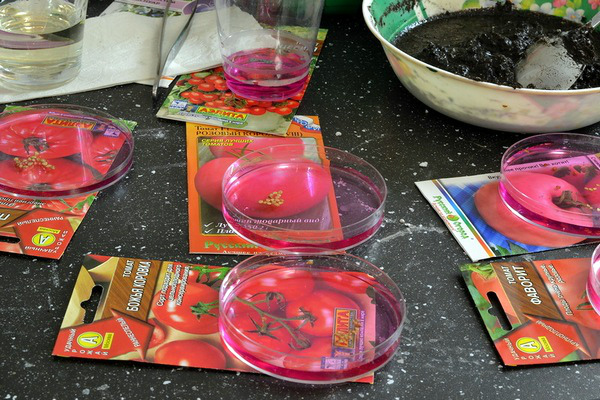
It's worth noting that almost all seeds usually germinate. Young seedlings don't need to be watered at first; it's better to mist them. Once the seedlings are two months old, they need to be hardened off. To do this, ensure a daytime temperature of 17°-18°C and a nighttime temperature of 12°-13°C.
Landing features
When growing Dubrava, as the description notes, proper plant placement plays a significant role. It's best to plant about six tomato plants per unit area. Plants planted too close together will crowd each other out, negatively impacting the variety's yield.
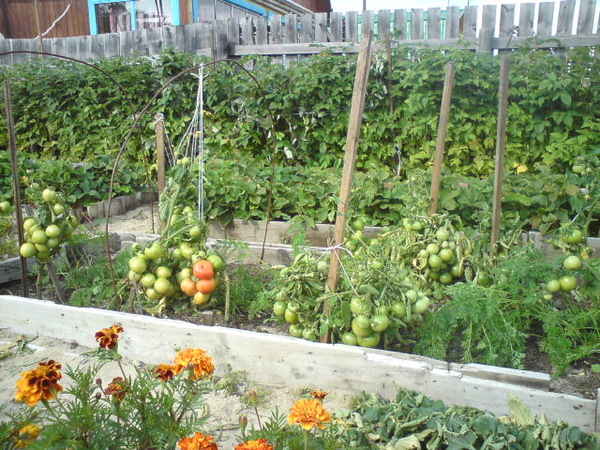
This is the only unique characteristic that distinguishes Dubrava from other tomatoes. Otherwise, care is the same as for other varieties. This includes loosening the soil, fertilizing, weeding, and watering with warm water. As noted earlier, this variety does not require staking or removing side shoots. This makes growing Dubrava significantly easier than that of its relatives.
Pest and disease control
The characteristics of the variety, as well as reviews from gardeners, confirm the low susceptibility of tomatoes to late blight.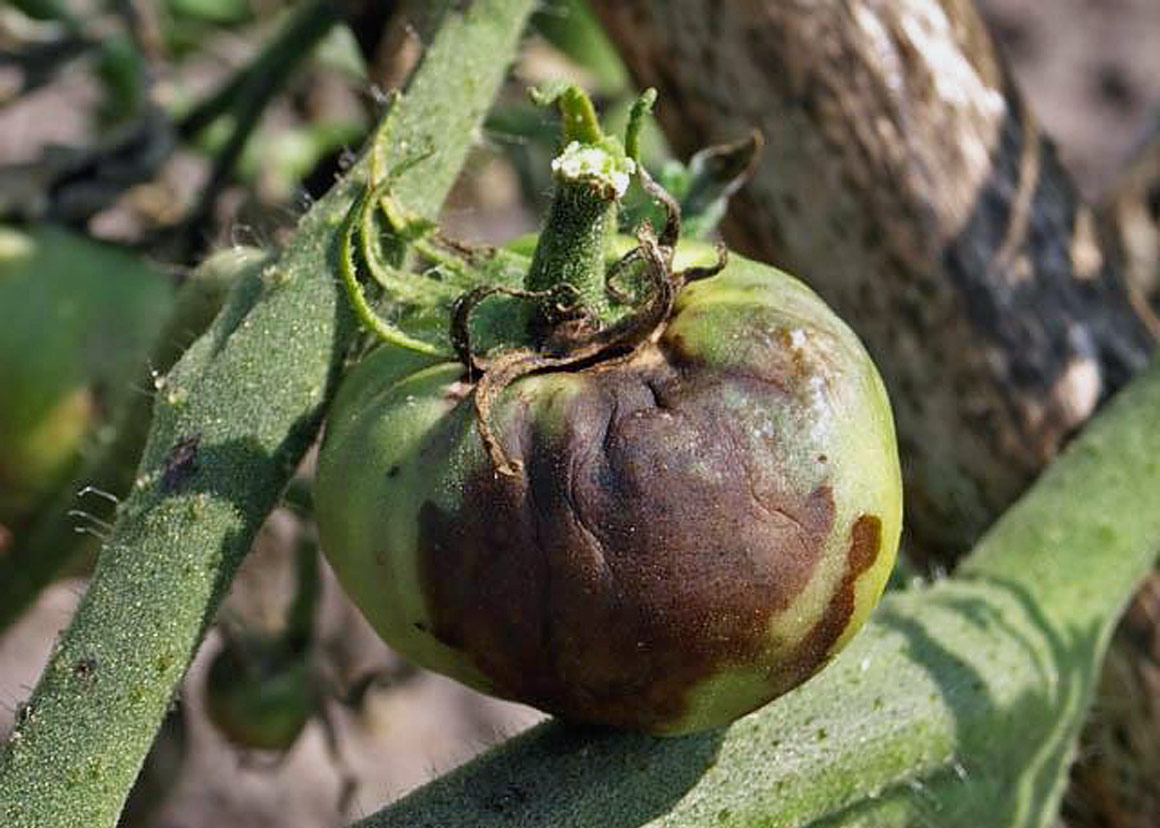
However, gardeners are always worried when seedlings start turning yellow, especially if there's no apparent reason. However, it's not all that bad. You can figure out why the leaves are turning yellow by carefully examining the seedlings. The appearance of the leaves will give you clues as to what fertilizers to feed the tomatoes. So, what should you do if:
- The lower leaves are turning yellow. If red veins are clearly visible on the leaves, this is a sign of nitrogen deficiency. In this case, the situation can be corrected by applying a liquid fertilizer containing nitrogen, such as "Arteko N-15." However, using just one fertilizer, as prescribed by the instructions, is sufficient to help the plant.
- Yellowing, spotty leaves curling upward indicate a zinc deficiency. The solution is simple: simply apply foliar fertilizer with Isagri Zinc.
- Are your leaves turning yellow later turning white? Fertilize your plants with iron, such as Ferropol. The right fertilizer will resolve the problem within 24 hours.
According to experienced gardeners and agronomists, yellowing leaves can be caused by temperature fluctuations. This reaction often occurs after transplanting seedlings into open ground. Plants can usually cope with this yellowing on their own.
Some people grow Dubrava indoors in a pot. In this case, the leaves turn yellow due to insufficient soil in the container. The problem can be solved by simply repotting the plant in a larger pot and adding more soil.
Yellowing may indicate seedling stress, which can occur after pinching the roots during transplantation. To prevent this, simply spray the plant with a weak solution of Epin.
So, the Dubrava variety in your garden is the key to a successful harvest. Those who have planted it before are doing so again and recommending it to everyone they know. Dubrava's success is explained by its description and the excellent characteristics of its seeds.
Video "Tomato Tricks"
In this video, you will learn how to grow a crop - from seed to fruit.