
Chelyabinsk Meteorite Tomatoes: Description and Cultivation
Content
Description
Speaking of the Chelyabinsk hybrid, it's worth noting some of its characteristics. The plant grows low, reaching only 1.2 to 1.5 meters. However, it requires staking. Pinching out the side shoots is also essential. The best option is to train the tomato plant into two or three stems rather than just one.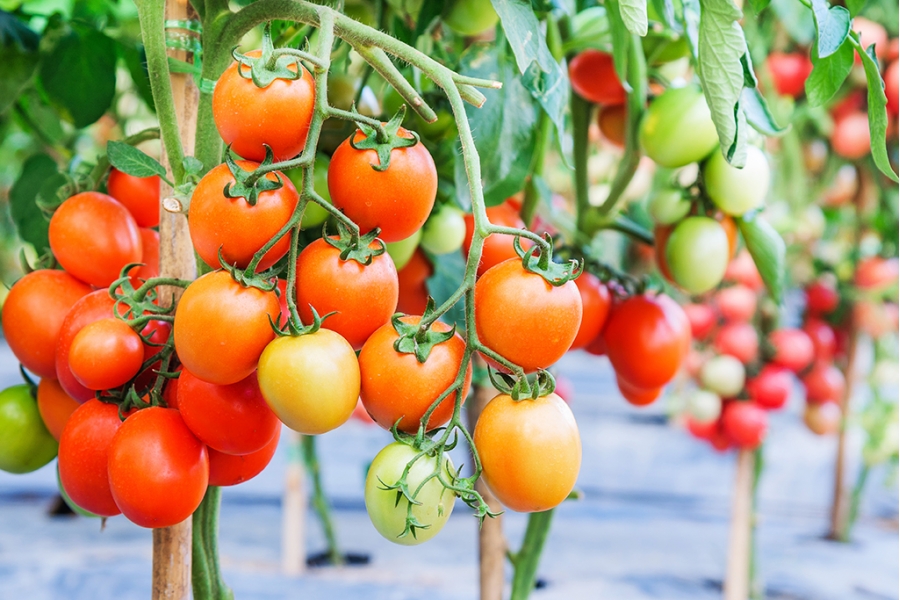
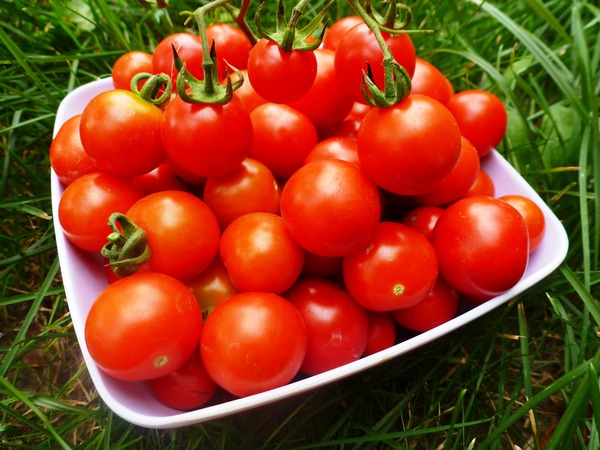
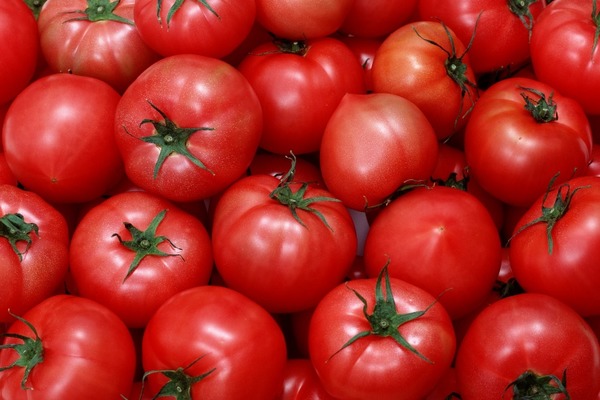
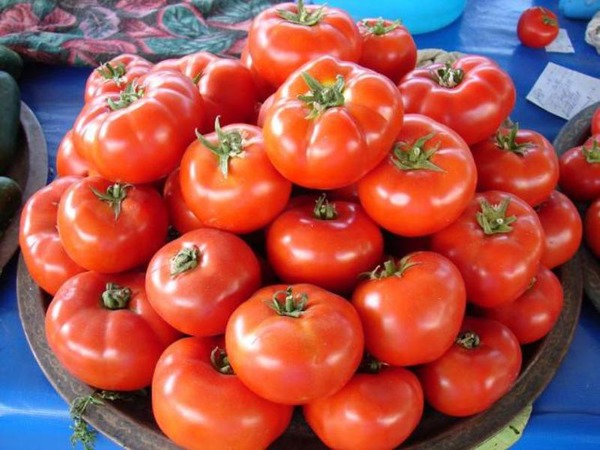
The hybrid fruit is round, even, and smooth to the touch. When ripe, it is red. Each tomato averages 50-90 grams. The tomatoes are sweet and ideal for whole-fruit canning. They also make excellent salads. Chelyabinsk tomatoes are delicious when lightly salted. This hybrid demonstrates high fruit set in all weather conditions and across a variety of climates.
Video "Description"
From the video you will learn many new facts about the Chelyabinsk tomato variety.
Advantages and disadvantages
The Chelyabinsk tomato has a number of advantages.
Firstly, the hybrid has a high level of stress resistance. It easily survives adverse environmental conditions.
Secondly, the vegetable bears fruit consistently and constantly.
Thirdly, the plant is not particularly demanding in terms of care; its unpretentiousness allows it to grow both with a lack of moisture and under direct sunlight.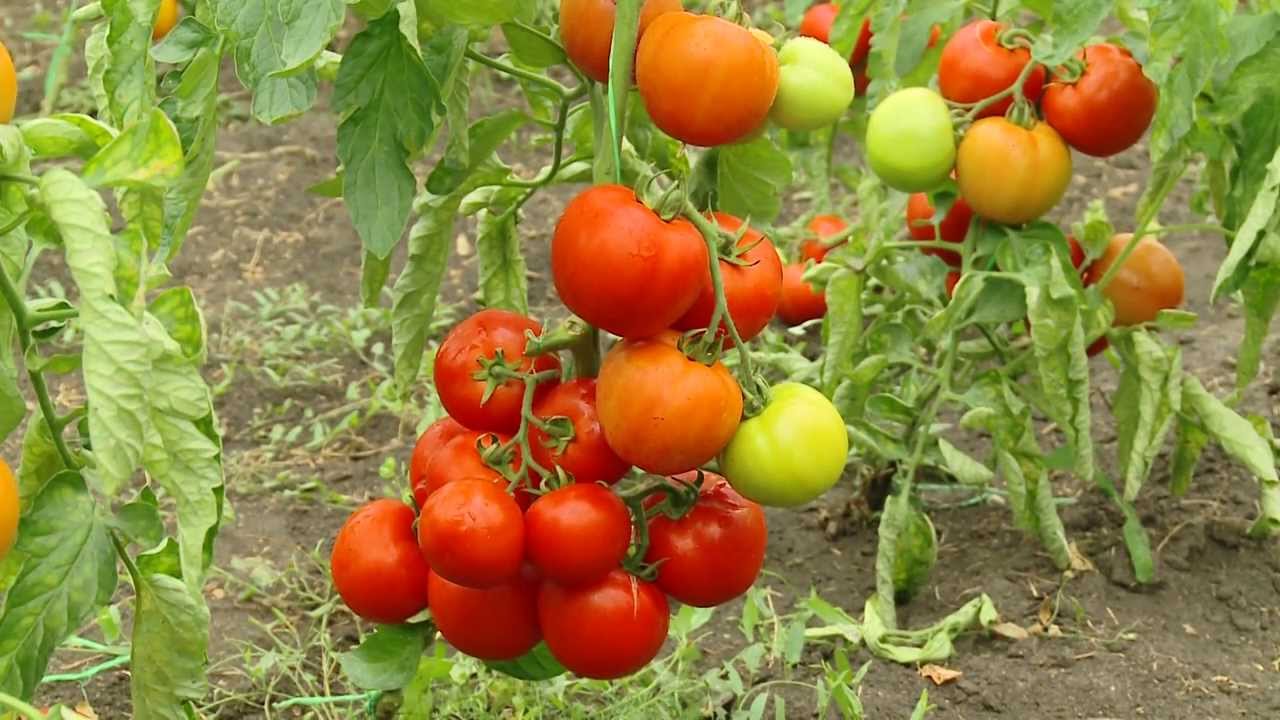
Fourth, the hybrid's bushes are quite compact. Their height reaches 1.2 meters, allowing you to save space in your garden.
As for disadvantages, the tomato, native to Chelyabinsk, has few. The first is the rather pricey seeds. The second is the inability to prepare the seeds yourself. After all, collecting seeds from hybrids means not only waiting for a harvest, but also for the seedlings to emerge.
Growing
Growing a tomato hybrid is no different from standard agricultural practices for any tomato variety.
Sowing for seedlings should be done in the spring: either in March or April. The seeds don't require any special preparation before sowing. Simply soaking them first is sufficient.
The container is filled with soil or a special mixture. The mixture can be purchased at specialized retailers or made at home. Holes or furrows no more than a centimeter deep are made in the soil surface, into which a couple of seeds are placed.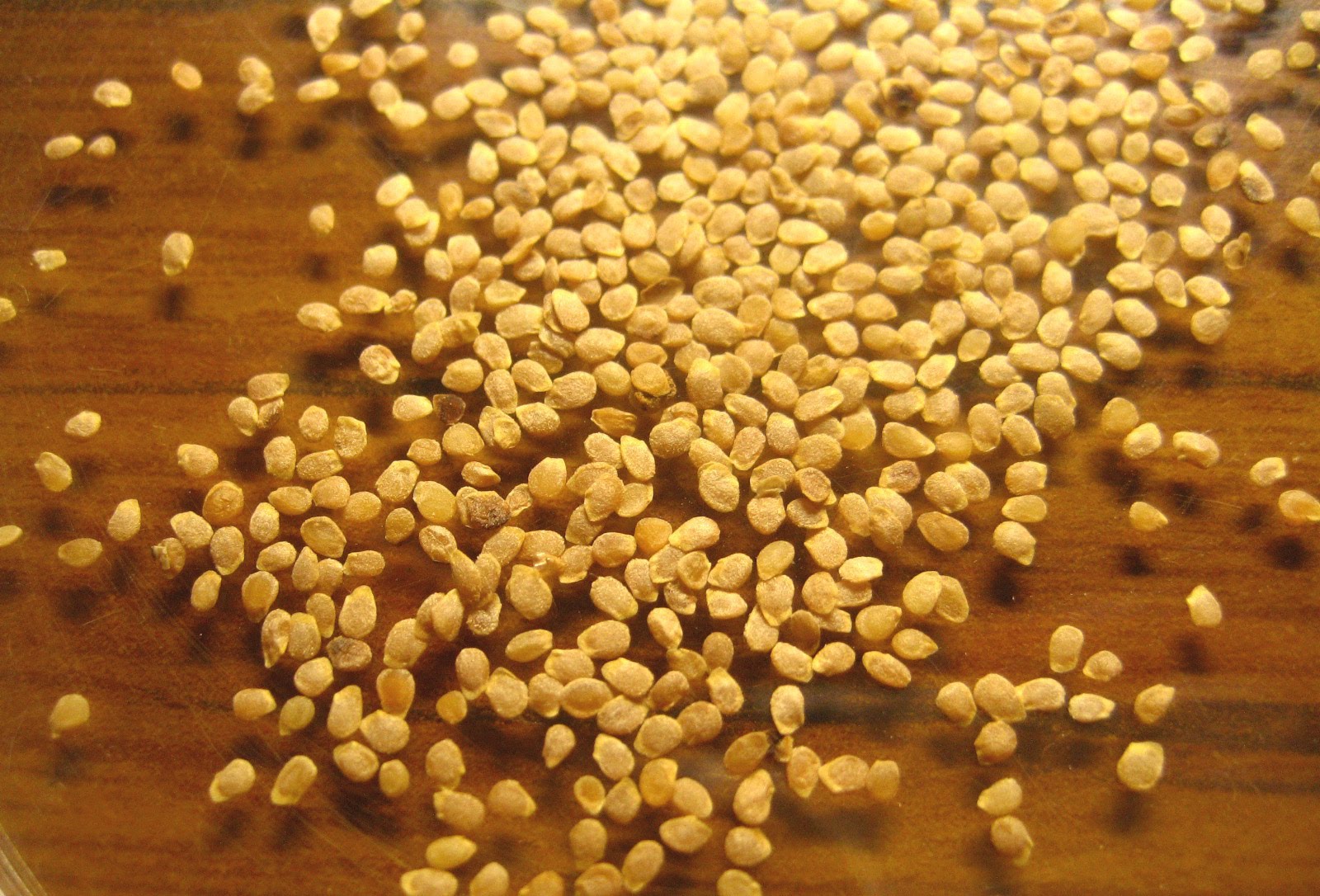
Young plants are transplanted into individual containers after they develop a pair of true leaves. They are transplanted into the greenhouse two months after germination. This period typically spans the second half of April and May. Young plants are moved into open ground in June, immediately after the risk of spring frost has been reduced to zero. By this time, the plants typically have developed seven true leaves or even a flower cluster.
Seedlings are planted in open soil at a spacing of 0.3 meters by 0.5 meters. Watering should be done in the evening, after sunset. The water used should be warm.
Care
As for care, in addition to the aforementioned warm watering, the plant also requires fertilizing. Three times per season, the plant should be fed with a special tomato fertilizer. It's readily available at any gardening store. Once per season, the plant should be fed with superphosphate. This fertilizing is done once per season.
To ensure full growth, the bushes need to be pruned of side shoots as they appear. Only one or two should be left to form a single individual.
Additionally, it's important to periodically loosen the soil around the bushes and remove weeds. It's also worth closely monitoring the health of the seedlings to detect any pest infestations or other diseases.
Diseases and pests
All hybrids are relatively disease-resistant. The Chelyabinsk meteorite vegetable is no exception. Practically the only danger is blackleg, which "likes" to destroy seedlings. In rare cases, the vegetable can be susceptible to late blight.
As for pests, mole crickets, whiteflies, melon aphids, Colorado potato beetles, and spider mites can feed on the hybrid's organs. Treating the plants with chemicals according to the instructions will help get rid of them.
Despite the fact that Chelyabinsk Meteorite is a young hybrid, its merits speak in favor of the tomato.
Video "Diseases and Pests"
This video will tell you what diseases and pests can harm your tomato crop.