
Tomato Budenovka is a favorite variety of gardeners
Content
Description and characteristics
The Budenovka tomato is suitable for both greenhouse and garden cultivation. It will grow well without cover only in the southernmost regions of the country. In temperate climates, this variety is best grown in greenhouses.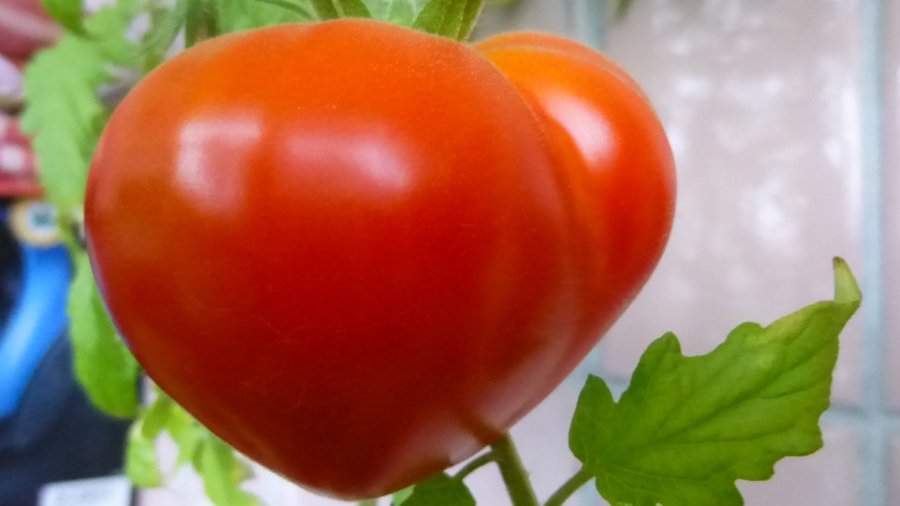
This is a tall tomato variety with a medium-ripening season. In the open field, it reaches a height of one meter, and in greenhouses, 1.5 meters. Some descriptions say it can grow up to two meters, but this is very rare.
The first tomatoes ripen within 3.5 months from sowing. On average, a bush produces 5 to 7 kg of fruit. It is resistant to late blight and fruit cracking. Moreover, this variety boasts a very high yield. Popular descriptions are true here.
Only viable seeds germinate well, as they have the characteristics that allow for rapid growth. Therefore, before planting, they need to be culled. This can be done in two ways:
- Manual. Visual inspection of seeds. Those showing signs of disease or differing in color or size from healthy ones are separated.
- Using table salt. Place the seeds in a 1.5% salt solution and see which ones sink to the bottom and which float. Discard the latter—they're completely unsuitable for sowing. The former are healthy. After selecting, rinse and dry the seeds.
The Budenovka tomato is an indeterminate variety. Some may ask, what does this word mean? An indeterminate variety is one where the plant has no growth points (i.e., the tops need to be pinched).
The plant itself is not standard. Its height ranges from 1 m to 1.5 m. Its rhizome is robust, growing up to half a meter wide. The first inflorescence forms above the 10th leaf, and then every 4 or more leaves. It produces about 7 fruits. It is a mid-early tomato, as ripening begins around 105 days after germination.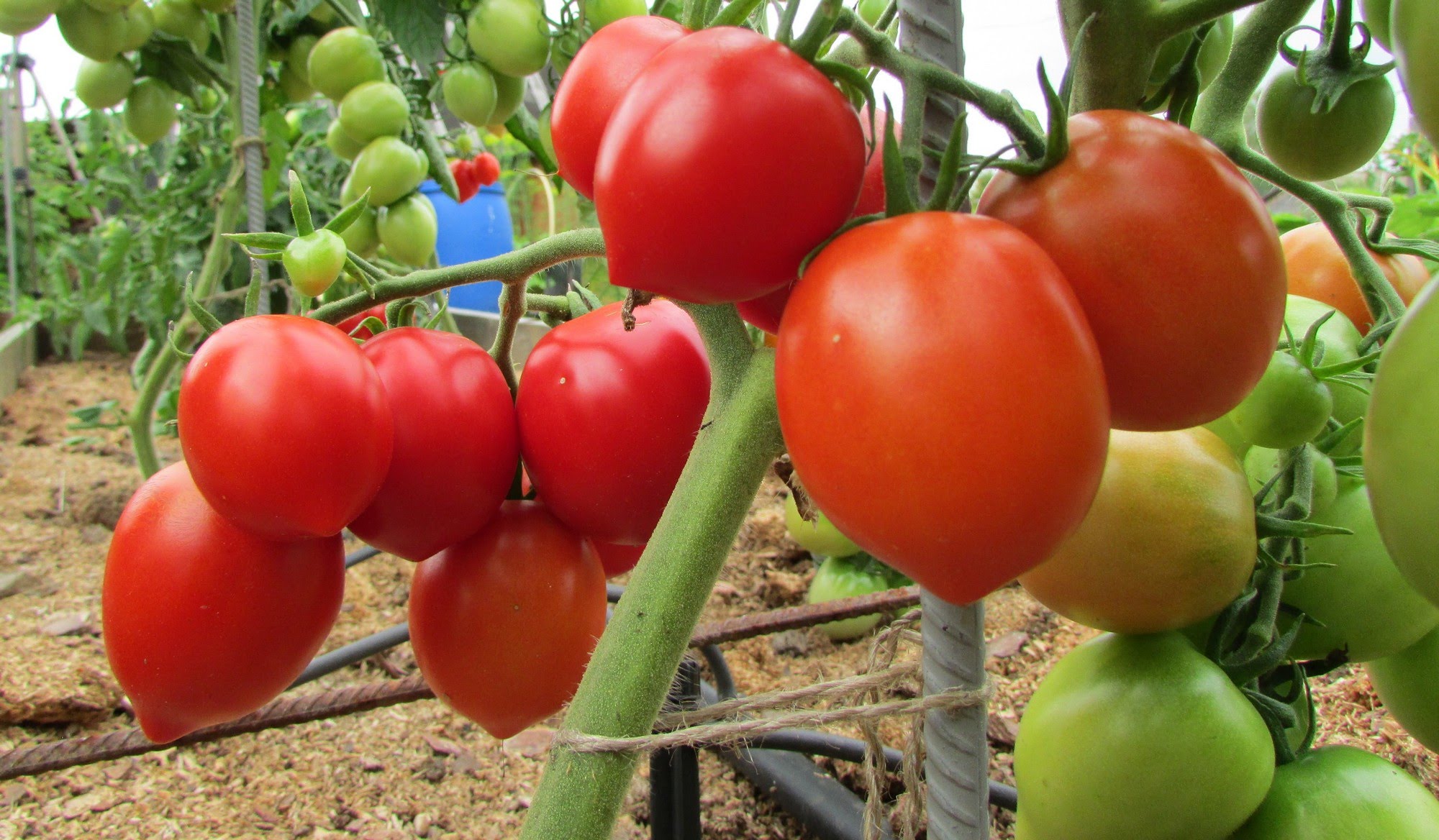
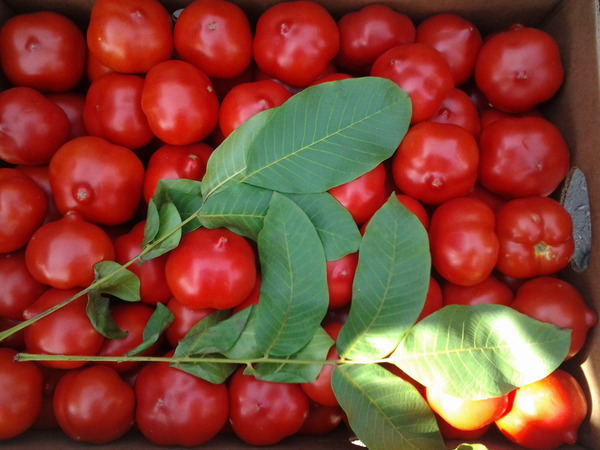
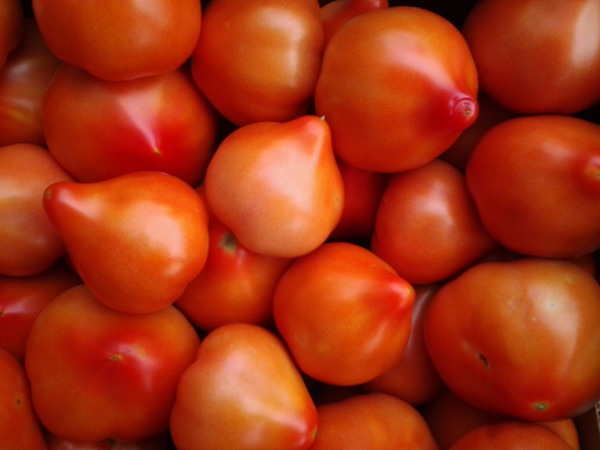
The fruit is heart-shaped with an elongated tip, and the tomatoes are slightly ribbed. Some farmers noticed that the shape resembled the caps of Red Army soldiers, which gave the variety its name. The tomatoes are over 17 cm in size and average 350 g in weight, though some are enormous – over 850 g. The skin is thin, dense, and smooth. The flesh is red, soft, and fleshy. The seeds are numerous and evenly distributed. These tomatoes have a long shelf life and withstand transportation well. They should be stored in a dark, dry place. The variety itself originated in Siberia. It is versatile, meaning it can be used in salads and soups, as well as for canning and stewing. They are often canned chopped, as they are very large. A single plant can yield a large harvest – approximately 8 kg, or about 25 kg per square meter.
Advantages and disadvantages
Thanks to the efforts of breeders, the variety has no drawbacks with good care.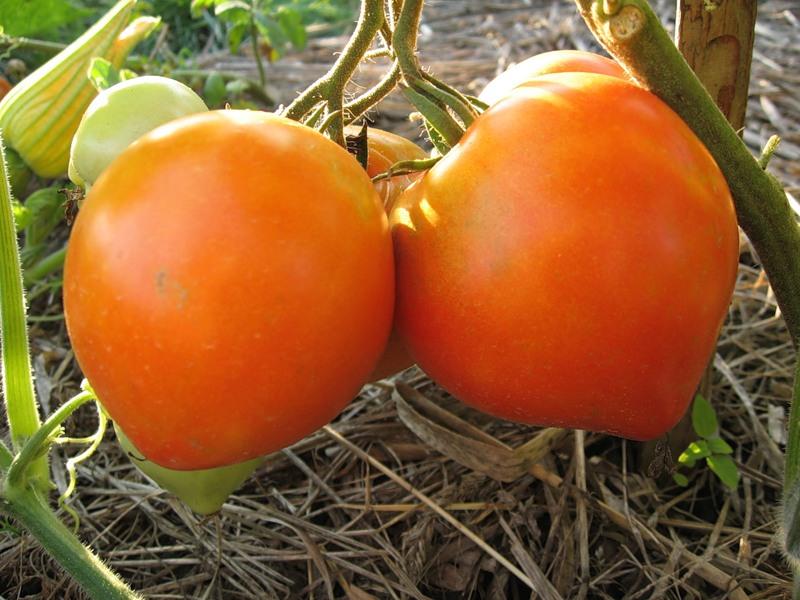
But it has many advantages. Some of them are:
- Large fruits.
- Early maturity.
- Disease resistance.
- Resistance to variable weather conditions.
Video "Budenovka"
In the video, the farmer shares his experience growing this tomato variety.
Features of cultivation
Many people are curious about how to grow the Budenovka tomato. The only drawback of this variety is its rather weak stems, which require support.
Budenovka is designed to prevent tomatoes from cracking. However, despite the description, tomatoes may begin to crack due to changes in humidity and sudden and significant temperature fluctuations. Seedlings are planted in mid-March and then grown in a greenhouse. If you plan to grow tomatoes outdoors, wait a bit longer.
The seeds are disinfected with potassium permanganate and soaked in a growth stimulant. They are then washed and planted in open soil at a depth of 3 cm. The distance between the tomatoes during this period should be about 3 cm.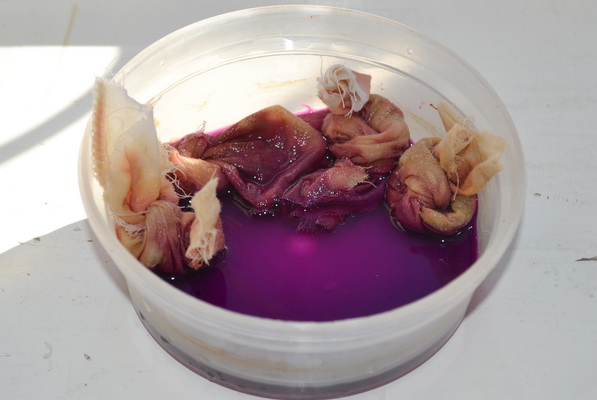
After planting, water them and cover them with plastic wrap until the desired humidity level is reached. Once seedlings emerge, you can remove the plastic wrap. Choose a thinner one; read the description when purchasing to determine the correct thickness. After 3-4 leaves have formed, transplant the tomato plants into containers of approximately 400 ml. This is necessary to promote root development. Paper cups are ideal. The properties of these materials allow you to transplant the tomatoes directly into their permanent locations.
However, it's important to remember that hardening off the seedlings will be necessary 14 days before transplanting, as this variety of tomato will not thrive otherwise. They should be planted in well-lit areas with warm soil. The planting pattern is staggered, with about 60 cm between each tomato. If you don't follow the instructions, you may get a significantly smaller harvest than expected. Staking the tomatoes immediately is essential because their stems are weak. Side shoots should be removed when plants are about 40 cm tall, forming a single-stemmed bush. Water occasionally, at the base. Loosen the soil and weed as needed. Fertilize every 14 days.
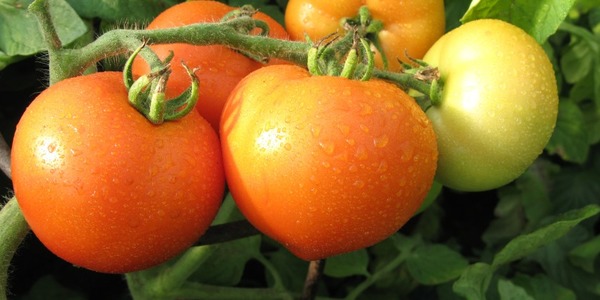
The fruits of this variety begin to ripen in mid-summer and continue to bear fruit until the first frost. They are often considered the best variety for lazy gardeners, as they require little care and produce an excellent harvest under any conditions.
Pest and disease control
It is necessary to occasionally spray tomatoes with general spectrum biological preparations.
This variety is completely unpretentious. To prevent diseases, vegetable growers use "Fitoflavin," "Profit Goldo," and "Kuprolux." And for pest control, all available folk remedies can be used. A description of these can be found below.
- Mole crickets. They are controlled by applying "Thunder" to furrows along the edges of the garden bed, or by dousing their burrows with hot pepper tincture.
- Wireworm. This pest gathers in traps buried in the ground. Pieces of raw carrot, beet, and potato are strung on 20-cm-long twigs and pinned so the ends are above the surface. After 3-4 days, the traps are removed and burned. To completely eradicate the pests, the soil is disinfected with Baduzin and liming.
- Caterpillars and spider mites. You can protect yourself from them with chemicals such as Match, Prokleymi, Akteilk, and Engio. However, these should only be used if crops are heavily damaged.
Video: "Tomato Diseases and Pests"
In this video, an experienced gardener demonstrates methods for combating tomato diseases.