
Tomato Slot F1: Growing and Care
Content
Description of the variety
This is a mid-late variety, with an average ripening time of 3.5-4 months from planting the seedlings to fruit ripening. It's a determinate tomato with an average height of up to 160 cm. It can and should be grown outdoors, but some manage to grow it under plastic and even on balconies! Slot F1 was developed by our Russian specialists. It received state registration in the late 1990s, and has since become popular among gardeners. It is resistant to mosaic, macrosporiosis, and black bacterial spot.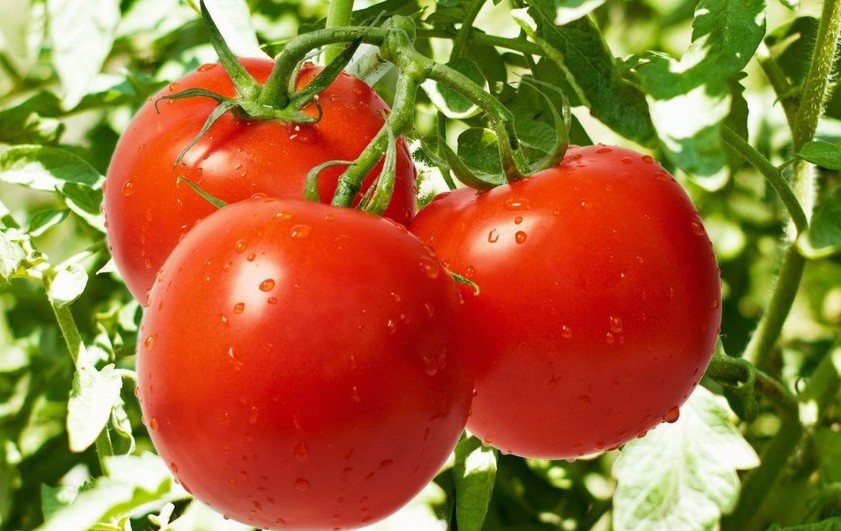
Slot F1 tomatoes are best grown in southern regions such as Crimea, Kuban, and Astrakhan. In temperate regions, they are usually grown under plastic covers. Slot F1 tomatoes are delicious in any form—raw, juiced, or canned.
With proper care, a single bush can yield up to 10 kg of fruit. With the recommended planting of 3-5 bushes per square meter, you can get up to 30 kg per square meter of soil. This is a very good result for such varieties!
Characteristics of fruits
The fruits are bright scarlet, slightly flattened.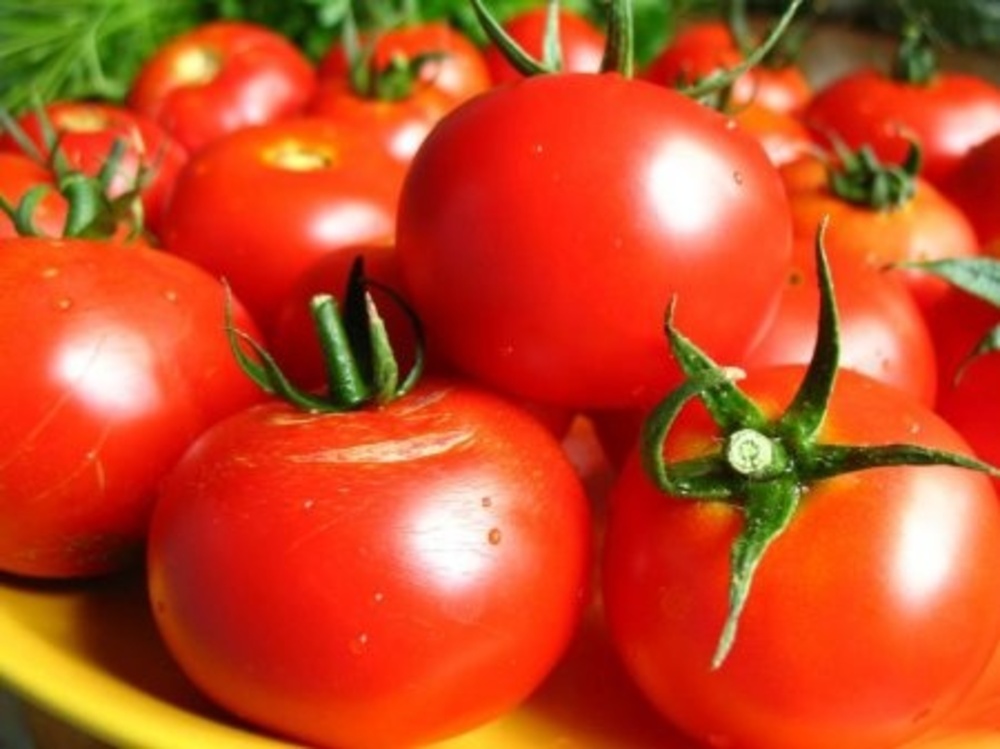
They weigh up to 90-100 grams, decreasing in size as the season progresses. They have 2-3 chambers and a dry matter content of 5%. The skin is thin, yet quite firm. The fruits easily withstand long-term storage and transportation, are also resistant to piercing, and are very easy to grow.
Video: How to Harvest a Good Tomato Harvest
In this video, experienced gardeners will share the secrets of growing tomatoes.
Advantages and disadvantages
The advantages include:
- Resistance to temperature changes;
- High yield;
- Excellent taste;
- F1 can easily tolerate lack of moisture.
The downside of F1 is that at the bush stage it is very capricious in terms of fertilizing.
Features of cultivation
The main characteristics of F1 varieties are their fruit shape and late ripening. They can also be grown in extreme heat. The description doesn't lie!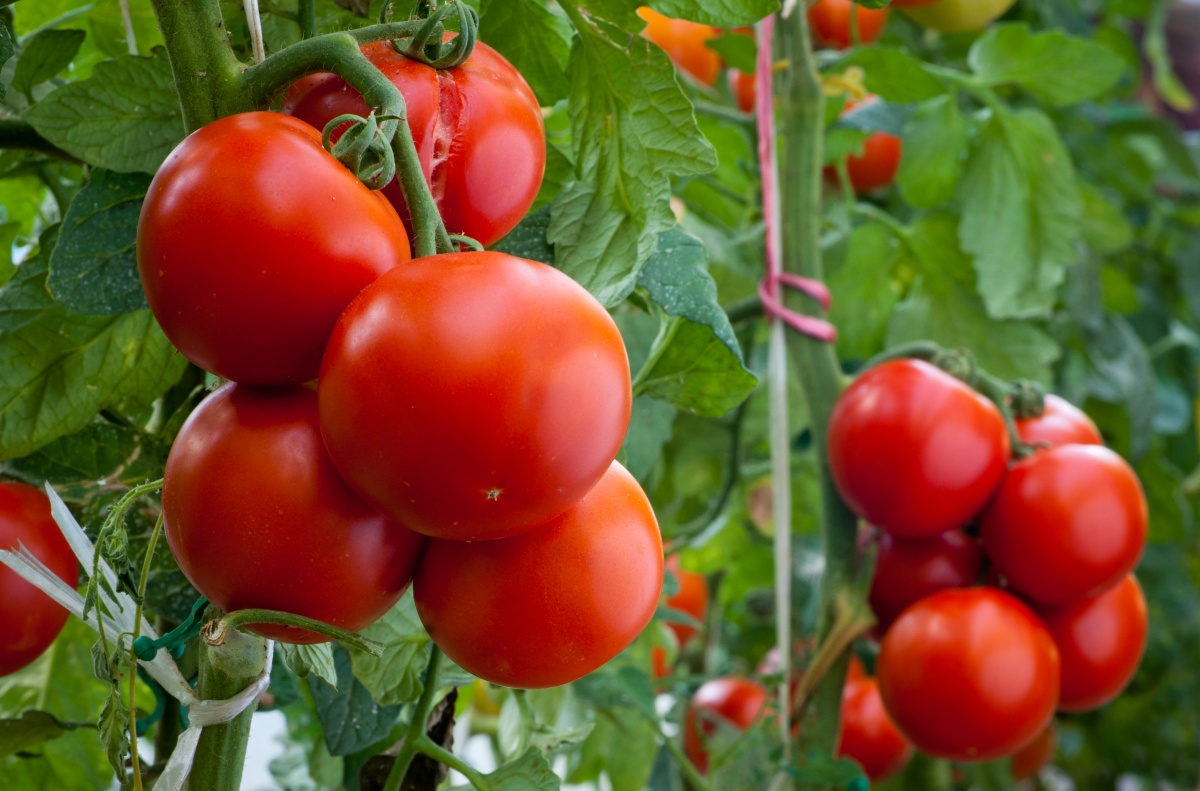
Care instructions
The bushes are formed into one or two stems. During the growing stage, they appreciate fertilizer, especially those containing potassium and phosphorus.
Potassium fertilizers improve the taste and quality of tomatoes. These fertilizers also boost immunity. They also protect against pests and diseases. Potassium sulfate is the most common fertilizer used for tomatoes.
Phosphorus fertilizers are best applied before planting because phosphorus is present in a relatively difficult-to-digest form. Therefore, these fertilizers need time to fully absorb into the soil before they can nourish the tomatoes in the summer. Standard phosphorus fertilizers are applied in winter, but there are also fast-acting ones that can be applied shortly before planting. If you weren't able to apply phosphate fertilizer before planting, use superphosphate!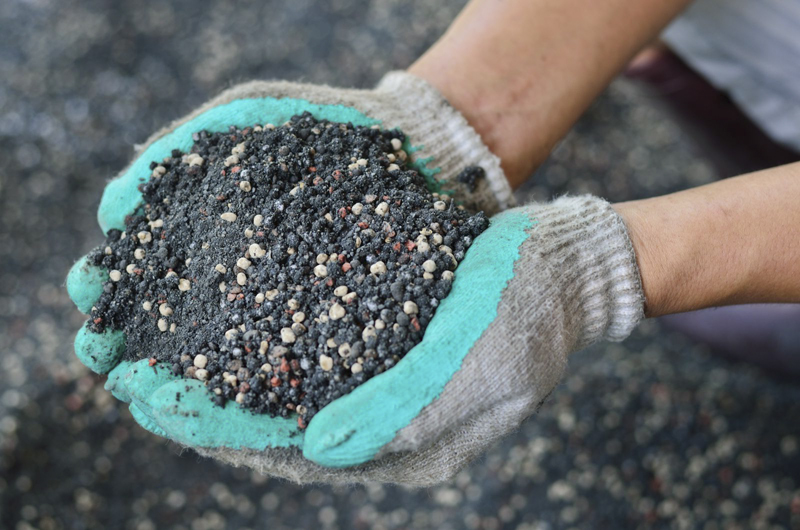
Then you can switch to complex fertilizers. Bushes and branches need supports and ties. This is all to prevent them from breaking under the weight of the fruit, of which there are many on the branches.
Water Slot tomatoes the same way as other tomato varieties, namely once every 1.5 weeks. Excessive moisture will lead to root rot and disease. You should also remove side shoots from time to time. This should be done thoroughly. Sometimes novice gardeners neglect the plant and leave stubs where the shoots once were. These stubs promote the development of various bacteria and viruses. Some don't remove side shoots at all, which causes rot to develop even on the side shoots. The plant can't provide all the nutrients needed for the buds, and the tomato eventually begins to rot.
Never plant tomatoes too close together, as this disrupts ventilation and will negatively impact the yield. Some gardeners limit themselves to nitrogen fertilizers alone, which results in the foliage growing larger than the fruit itself. Alternate your fertilizers; don't give your tomatoes a mono-diet.
Diseases and pests
Don't wait for the plant to get sick! Take preventative measures! This should be done at planting, during flowering, and during fruit formation.
This variety is susceptible to brown spot. It's most common in southern regions, and as we've already seen from the description, this tomato grows in those areas. Brown spot is a fungal disease. The lower leaves are affected first, then yellow spots appear on the upper surface, which eventually merge to form one large spot. The underside of the leaf becomes covered with a coating—these are fungal spores. Gradually, the leaf curls and dries out. The plant most often becomes infected during flowering or at the beginning of fruiting. The earlier the plant becomes infected, the more serious the disease. To combat it, you can use the "Zaslon" preparation or Bordeaux mixture. You can also reduce soil and air humidity, if possible. Avoid watering tomatoes with ice water, as sudden temperature changes can also cause the disease.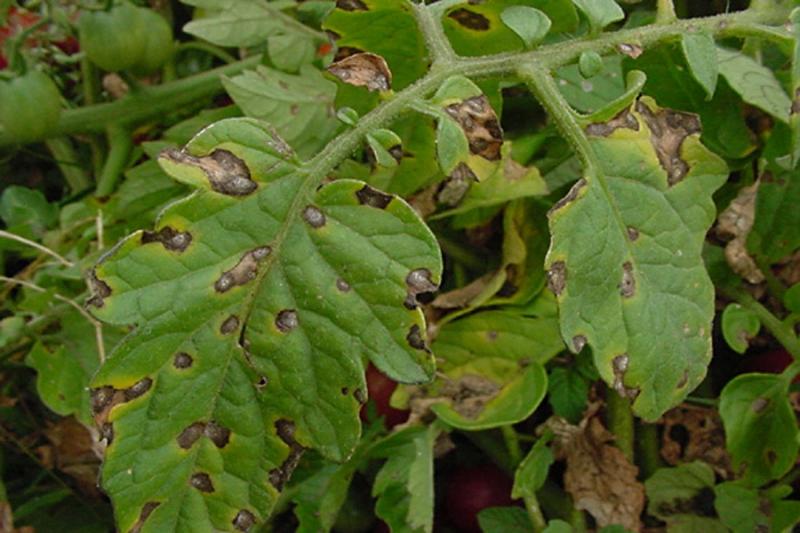
In the temperate zone, they are affected by powdery mildew. Its first signs appear as small, round white spots. It looks as if flour has been sprinkled on the leaves. After the affected areas enlarge, they turn yellow, and eventually turn a dirty brown and wrinkled. It can be controlled with Profi Gold.
Colorado potato beetles also love this variety. Some people think that Colorado beetles only harm potatoes, but they're also very fond of tomatoes. They can be controlled with "Prestige." In mid- and northern latitudes, a common pest is the mole cricket, and "Gnome" is used against it.
Furthermore, F1 tomatoes may begin to "suffer" due to soil phytotoxicity. This isn't exactly a disease, but rather a change in soil properties as a result of unprofessional use of fertilizers, which, instead of having a positive effect, begin to weaken the tomatoes. The soil simply needs a rest.
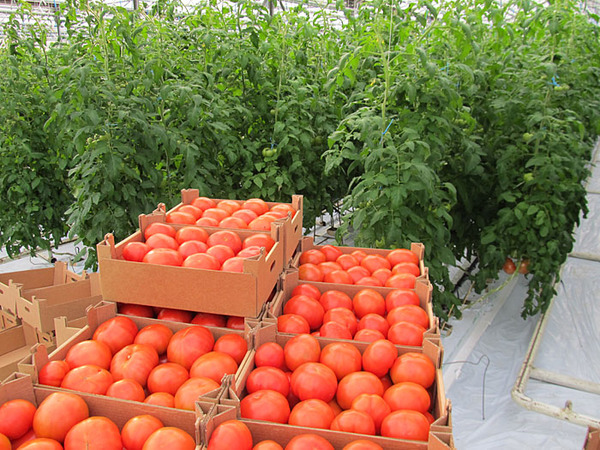
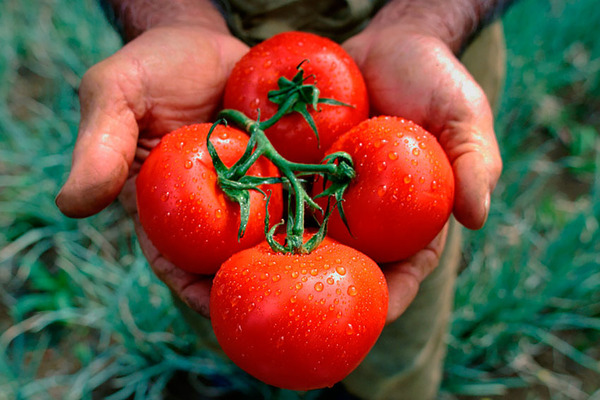
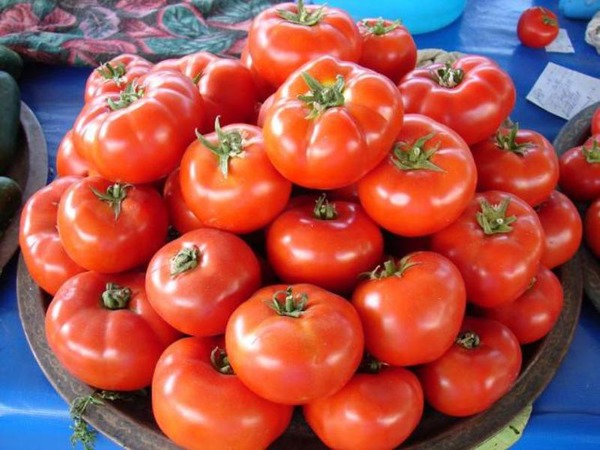
This tomato variety is quite easy to grow, and it's also very productive. Even a schoolchild could grow it!
Video: How to Fight Tomato Diseases
In this video, you will learn about the most common tomato diseases and how to combat them.