
Pink Flamingo Tomato: Variety Features and Cultivation
Content
Peculiarities
This beautiful variety has been included in the State Register since 2006. Its copyright holder is the Poisk company.
This variety is ideal for growing in open ground and greenhouses, not only in the North Caucasus region. It can produce a rich harvest when grown in Central Russia, Belarus, Moldova, and Ukraine. The seeds have received a state certificate, demonstrating their high quality. This variety is not a hybrid and is mid-season. For planting, use seed from the second or third cluster of fruits. Fruit maturity is expected 110-115 days after planting. Fruit formation is not rapid. This determinate variety can grow several meters in height. To form 1-2 stems, trellises should be built or stakes driven into the area.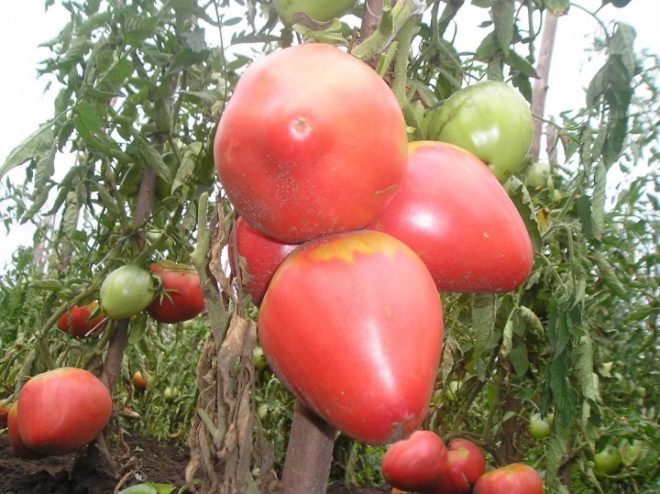
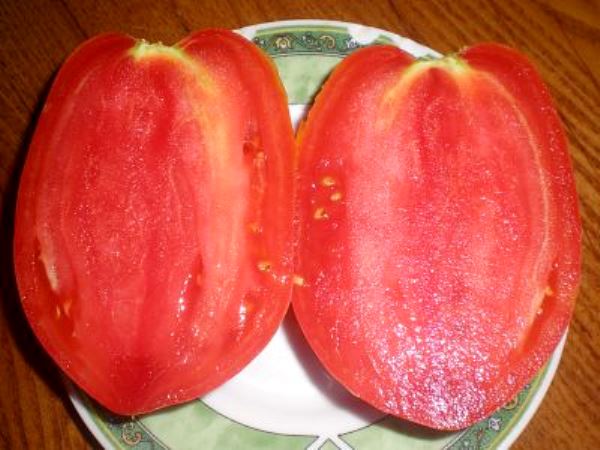
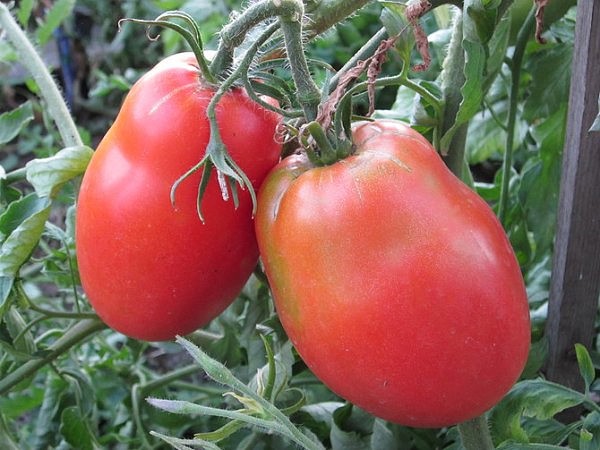
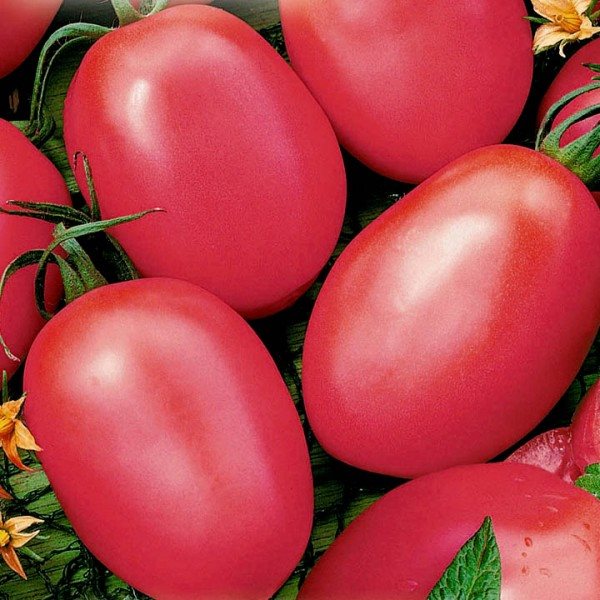
Externally, it has medium-sized green leaves. The peduncle is articulated, while the inflorescence is simple. The fruits are oval-shaped and plum-shaped, and are a pleasant raspberry or pink color. The Pink Flamingo tomato is characterized by slight ribbing and a so-called "nose." The intensity of the color depends on the growing conditions. Striped tomatoes are sometimes possible. The fruit is divided into 4-6 seed chambers. On average, each tomato weighs between 150 and 450 grams. The flesh is firm, quite juicy, and has excellent flavor. The Flamingo tomato is also a medium-yielding variety. 23-35 tons of fruit can be harvested per hectare. Of these, up to 85% are commercially viable.
Video: Description of the Pink Flamingo variety
From the video you will learn the description of this tomato variety.
Advantages and disadvantages
Besides its excellent taste, the Pink Flamingo tomato's advantages include high yields. With proper care, it yields approximately 10 kg of select fruit per square meter, and is also resistant to a number of diseases. However, to avoid rot, preventative measures are a good idea.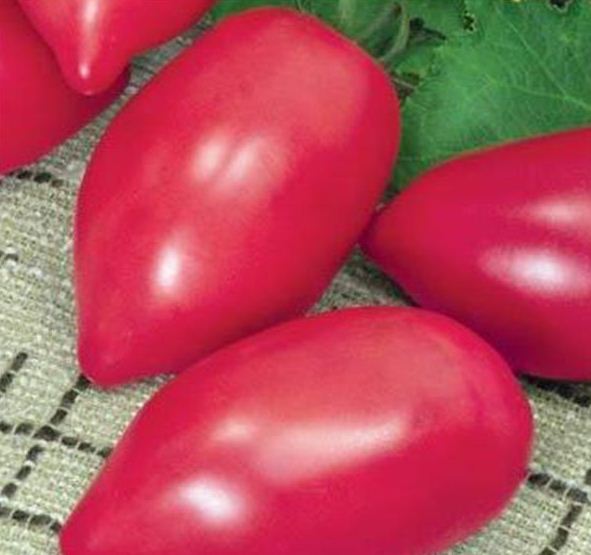
If there are prolonged rains or many dry days, the bushes are at risk of disease or wilting. They have performed well in long-distance transport. Recent studies have shown good germination rates for this variety's seeds.
Growing
Tomatoes are demanding when it comes to soil selection. Choose a site with light, fertile soil. The best predecessors are carrots, cabbage, cucumbers, onions, and legumes. The plants require regular fertilization and tolerate slight crowding without issue. The seeds are flat, triangular-kidney-shaped, and grayish-yellow in color. They remain viable for 6 years. It is recommended to sow the seeds between mid-March and early April. Preparation involves soaking them for 12-14 hours in a special solution. Boxes or trays are used for sowing, as well as a ready-made universal solution. It is also common to sow the seeds in plastic cups or bottles with the tops cut off.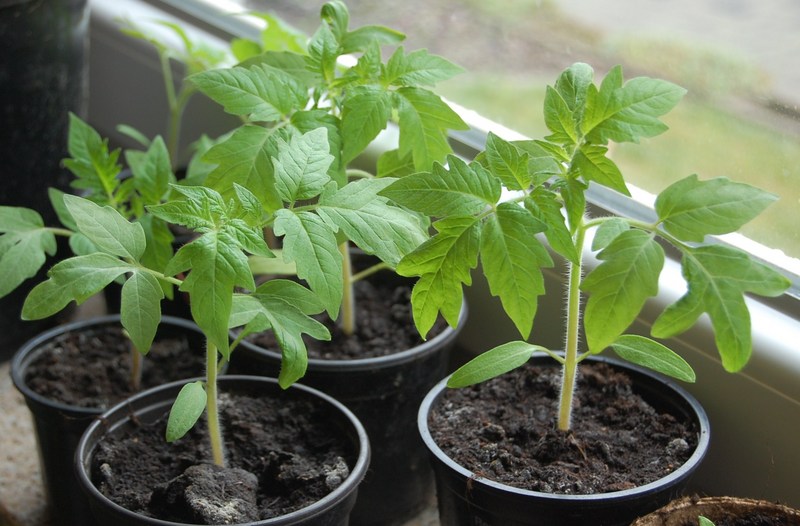 The substrate is placed in them, and the seeds are planted in the furrows to a depth of approximately 1 cm, maintaining a distance of 5 cm. Next, they are sprayed and covered with film.
Germination requires a temperature of around 25 degrees Celsius. Lighting should be dim. The first sprouts will appear after 5 days. Remove the plastic wrap and water moderately regularly. Gradually reduce the temperature to 15 to 18 degrees Celsius.
It's recommended to increase the lighting. It's recommended to rotate the containers every few days. When a few leaves emerge, transplanting is done. This is best done when germinating seedlings in peat or paper cups. The finished plants can then be transplanted into the ground. Watering is essential. Hardening off the plants is recommended several weeks before planting them outdoors. 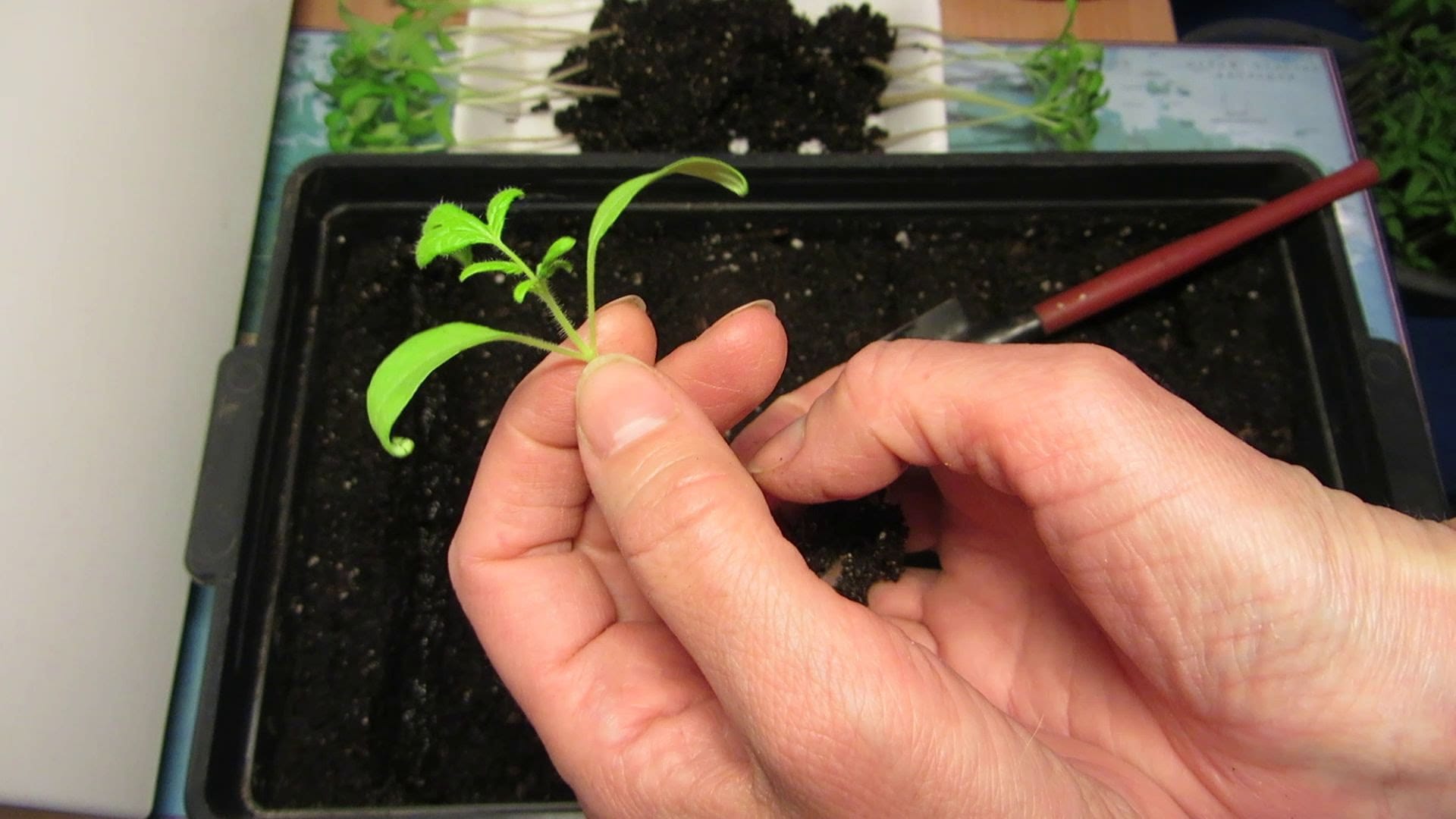 To do this, gradually lower the temperature to 6-10 degrees Celsius. The seedlings are also acclimated to sunlight. It is recommended to transplant them to their permanent location after the last frost has passed. This usually occurs after 55-70 days. Add compost and phosphate fertilizer to the hole.
Care
Water the bushes whenever the top layer of soil dries. Avoid watering with cold water. Early morning or evening are ideal times for watering. Lupine and alfalfa can be planted alongside this tomato variety. Mow them occasionally, and mulch the soil. A few weeks after planting in their permanent location, apply phosphorus or ammonia fertilizer. It is recommended to do this 2-3 more times thereafter. Organic additives such as wood ash and bird droppings are also suitable.
As the bushes grow, it's necessary to shape the stems and remove side shoots. Don't forget to provide supports and tie them up. If you leave no more than five clusters on a bush, you can expect large tomatoes. The key components of proper care are soil condition, maintaining a proper temperature, and adequate watering.
Harvesting
Most often, with proper care, your crops won't be susceptible to any diseases. However, if you notice reddish-brown spots, it means the crop needs fertilizing.
In some regions of our country, the harvest of large, juicy, and sweet tomatoes continues until October. Tomatoes can be picked unripe and left in a warm room to ripen. They retain their nutritional value for several months.
Video "Growing"
This video will show you how to grow tomatoes effectively.