
Description of the Rocket tomato variety: advantages and disadvantages
Content
Description
Raketa is a determinate variety that produces standard bushes. It has a mid-late ripening period, with the time from seedling transplantation to harvest taking approximately 120 days. The plants are low-growing, reaching a maximum height of no more than 70 cm. The variety boasts a high resistance to various types of rot, rarely suffering from blossom-end rot, root rot, or other types of rot.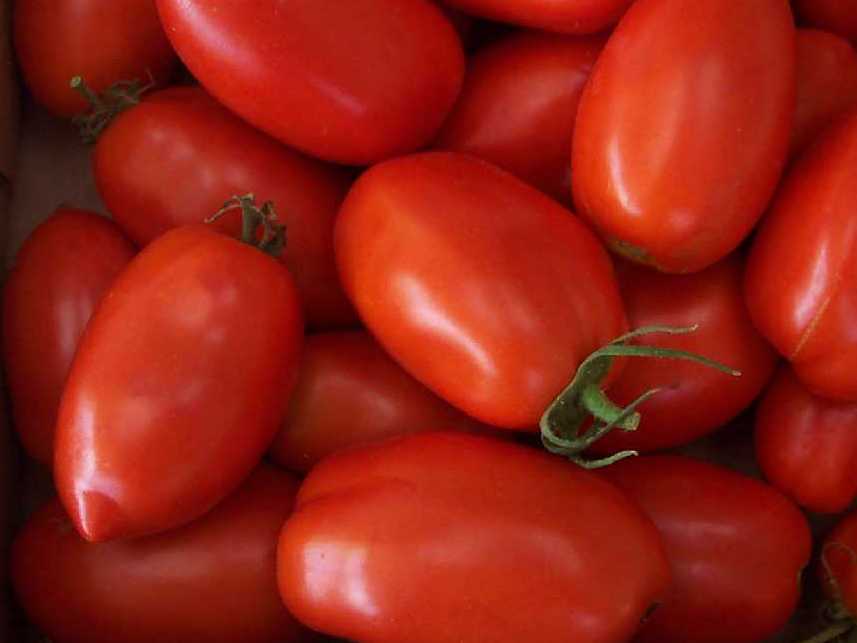
Ripe Raketa tomatoes are bright red and elongated. They weigh only 50 grams, but they have an excellent flavor: they are slightly sweet and have firm flesh. The sugar content of the fruit is 3-4%. The tomatoes themselves store well and withstand long transportation without affecting their marketability.
Video: "Introducing the Rocket Tomato Variety"
From the video you will learn a lot of new things about this tomato variety.
Country of origin and year of registration
This tomato variety emerged thanks to the efforts of Russian breeders in 1997. Raketa received official state registration as a variety suitable for outdoor cultivation two years later, in 1999.
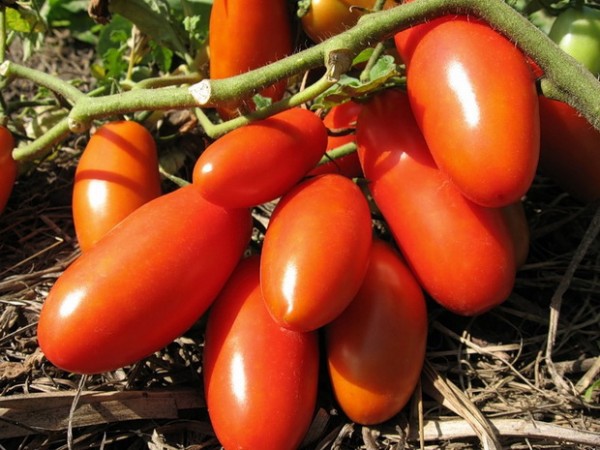
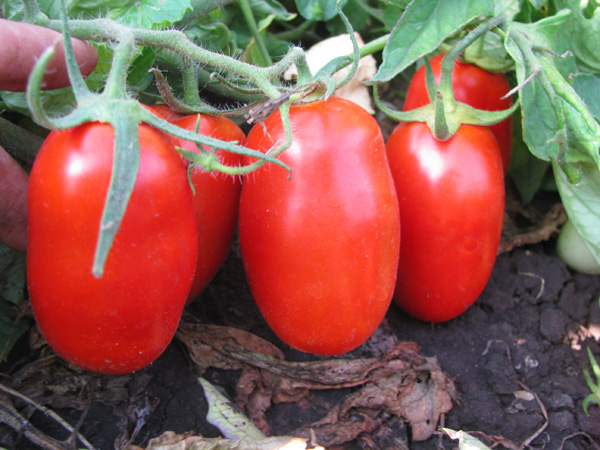
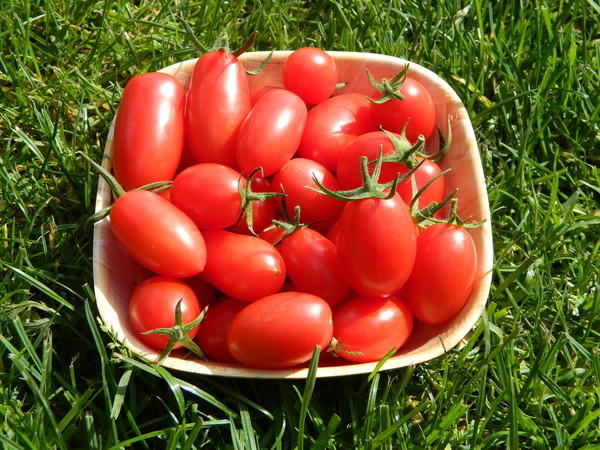
It's worth noting that Raketa has gained widespread popularity among gardeners since its very first season, thanks to its excellent taste, excellent shelf life, and low maintenance.
Directions for use
Rocket tomatoes seem to have been specially bred for canning: they are preserved whole, used to make juices, purees, and pastes. Tomato juice made from this variety is particularly delicious, thanks to its relatively high sugar content.
Productivity
The main characteristic of the Rocket tomato variety is its yield: each plant produces 2 kg of fruit (provided the plants are provided with proper conditions). If you plant 5 plants per square meter, you can achieve a yield of approximately 10 kg.
Advantages and disadvantages
The main advantages of the Rocket tomato include its low growth rate (it can be successfully grown in any greenhouse or even on the balcony of a city apartment), resistance to rot infections, good shelf life, and high yield.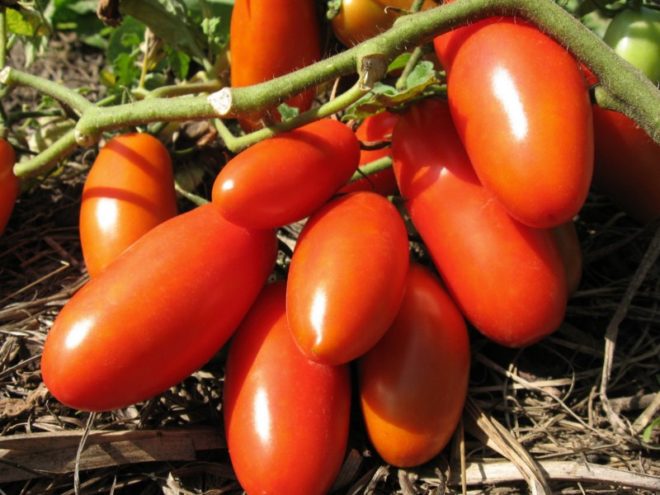
Difficulties may arise in growing this crop: gardeners note the fruit's tendency to crack, as well as the variety's fussiness regarding watering and fertilizing.
Peculiarities
One of Raketa's distinctive features is its unusual combination of low plant growth and high yield. Another important factor is the dense fruit, which allows for the use of mechanical harvesting methods.
Growing
In most cases, Rocket tomatoes are grown in open beds, although they thrive and produce fruit in closed greenhouses and even on glazed loggias.
The stems and leaves of the bushes need to be strengthened or tied. If the plant is grown outdoors, the stem should be trained into three or four branches; if the plant is grown in sheltered conditions, the maximum number of stems should be no more than three.
The bush develops quickly, and the growth rate is especially noticeable with high-quality fertilization of the plant with potassium-containing fertilizers.
Diseases and pests
This variety often suffers from fruit cracking. To prevent this, maintain an appropriate watering regimen. Another potential problem is dry spot, which can be controlled with Antracol. As for other diseases, Rocket tomatoes are rarely affected by them, so only preventative measures are necessary.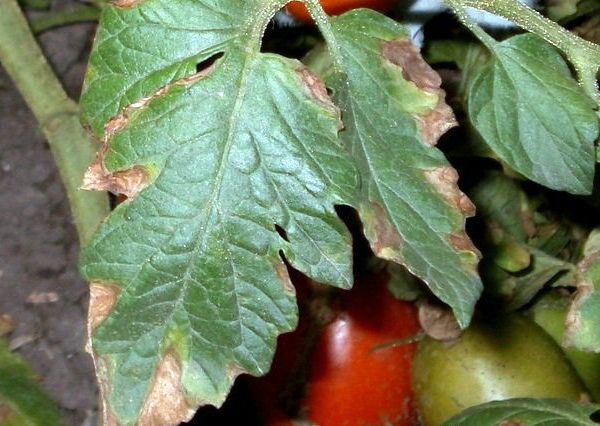
Plants can be susceptible to pest attacks, particularly cutworms. These are easily controlled with the pesticide "Strela." Slugs sometimes appear on the leaves of plants; these can be collected by hand or the soil in the beds can be treated with ash. The last potential enemy of tomatoes is the Colorado potato beetle, which can be treated with the special pesticide "Prestige."
Video: "Caring for Tomatoes"
This video will show you how to care for tomatoes to get an excellent harvest.