
Description of the Truffle tomato variety: description and varieties
Content
Characteristics and description
This Japanese variety of vegetable is a cultivar whose plants grow vigorously. To ensure proper care for the planting material and to form a bush, all side shoots should be removed. The fruits are dense and have few seeds. A cluster of six fruits forms, each weighing approximately 50 grams. The fruits are elongated.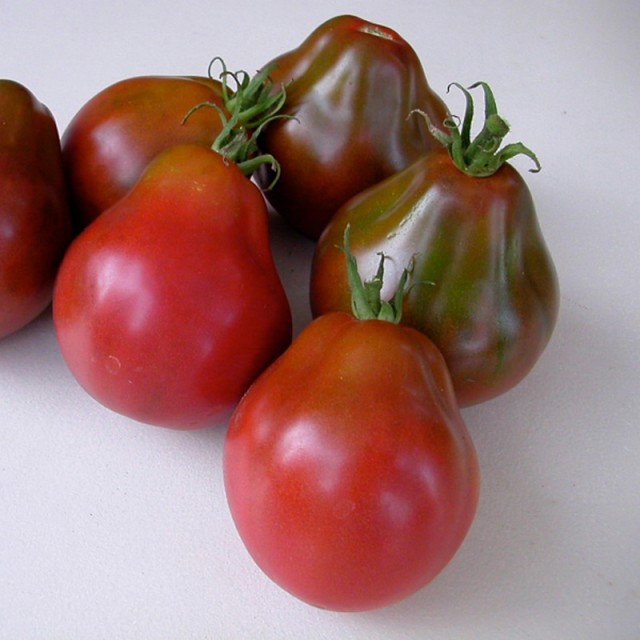
During the crop's development, two stems are left, each producing five clusters. Regulating the growth of the individual plants helps redirect nutrients toward fruit ripening.
Positive properties of the variety:
- resistance to most diseases;
- endurance under sharp temperature amplitudes.
Truffle tomatoes continue to grow and develop even in low temperatures. Even at -3°C (-3°F), the plant experiences virtually no adverse effects. Meanwhile, other crops in similar conditions may stop developing or even die.
Once the plant's crop has been harvested, the vegetables can be stored for several months without changing or losing their properties. Truffle is a tomato whose fruits ripen at an average time compared to other crops. To ensure a timely harvest, sow in late March. During the growing season, the crop should be fertilized with special fertilizers.
Video "Description"
From the video you will learn a lot of new things from the description of the Truffle tomato.
Varieties
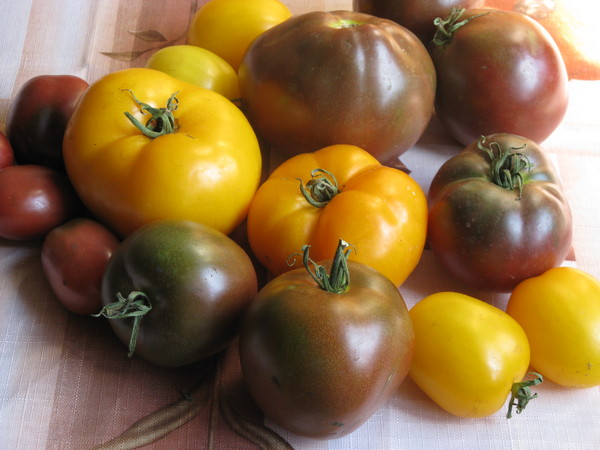
The truffle tomato variety description indicates that this species is subdivided into smaller varieties. The characteristics and description of the variety remain the same; the main differences between the varieties are the color and flavor of the fruit. The following varieties of truffle vegetables are distinguished.
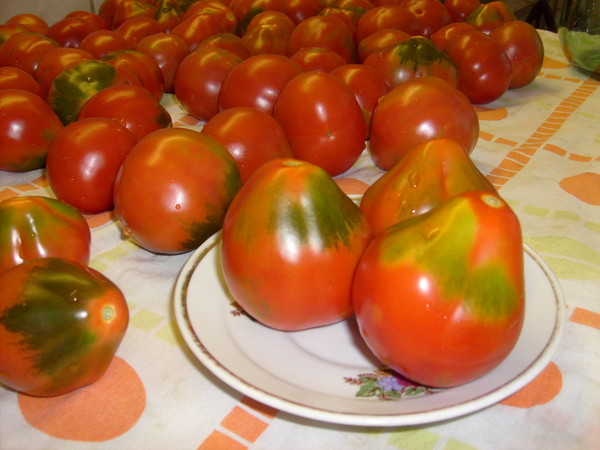
Japanese Red
The Red Truffle tomato is commonly used for pickling in jars. The fruit has a slightly acidic flavor and a rich red color. Many home cooks have already appreciated all the advantages of this variety.
Japanese Black
Black truffle is a cultivar with early ripening fruit and moderately vigorous bush growth. The plant typically reaches a height of one and a half meters, with dense growth and dark leaves. Care for this variety involves staking and pinching the bushes. High yields can be achieved by training the bushes into three stems.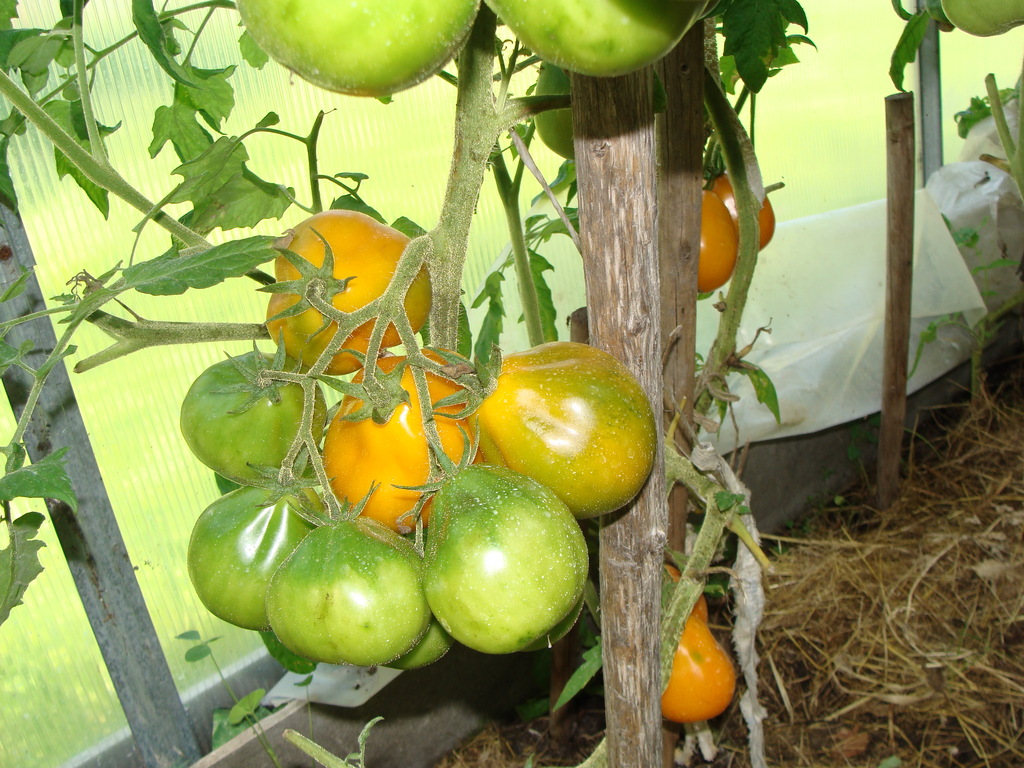
A single cluster produces up to six elongated tomatoes. The skin of these tomatoes is dense and firm. By ripening, the fruits acquire a brown tint. Each fruit weighs 150 grams. These tomatoes have a sweet flavor and large flesh. They are highly productive and produce fruit quickly. They tolerate adverse weather conditions very well and are disease-resistant.
This plant variety is planted in open ground when the seedlings are two months or older. Before planting young plants, ensure that the weather conditions are suitable for such fragile seedlings.
Caring for the vegetable is simple: it is enough to fertilize it regularly, clear the area of weeds, and remove side shoots from the plant.
Japanese Pink
This plant variety is similar in characteristics to its closest truffle relatives. It is most closely related to the Japanese Red tomato.
Japanese Gold
The main feature is its rich, unusual color.
Japanese Orange
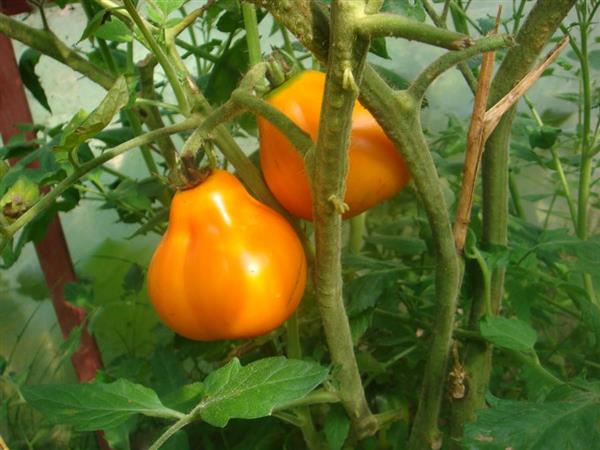
The Yellow Truffle tomato can be grown both in open ground and in greenhouses. The maximum height of the bush is 0.7 meters. 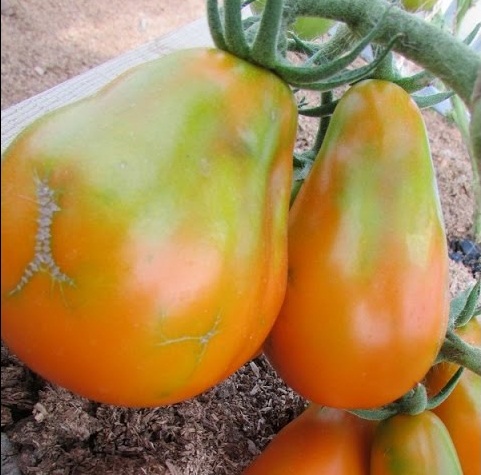 The fruit is distinguished by its elongated shape, orange skin, and slight ribbing. Each tomato weighs 150 grams. It is characterized by an attractive appearance and a pleasant flavor. Its key characteristics are similar to those of the red truffle.
Growing
Tomatoes are usually trained in pairs of stems. When removing side shoots, only about six clusters should be left on the bush. Otherwise, the fruit may not develop fully. To ensure full ripening, only two or three clusters should be left. All other fruits are removed when green. Greenhouse cultivation can yield a larger harvest than when grown in open soil. Indoors, the bush grows taller and produces more fruit.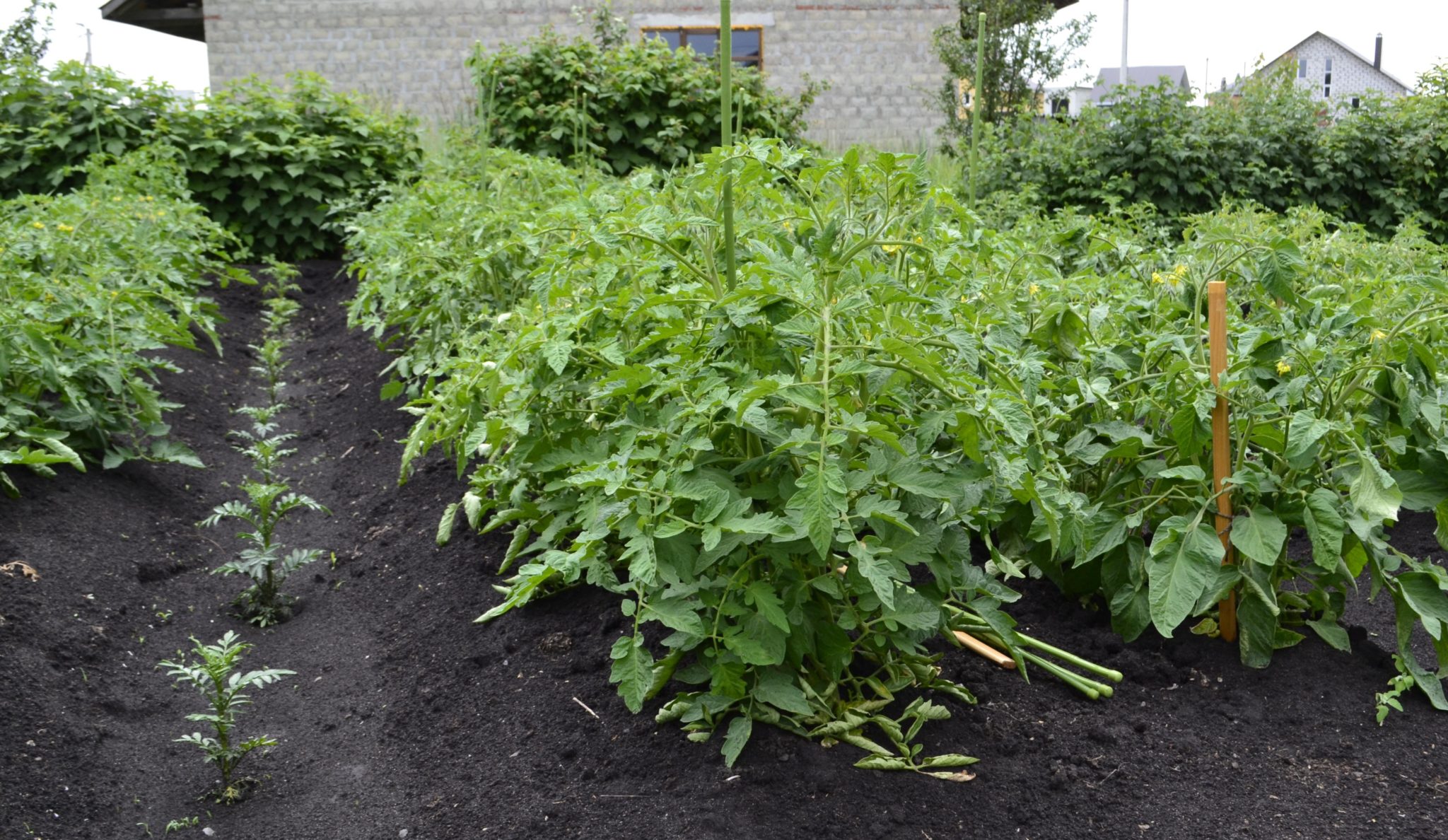
Tomato seedlings should be sown in late March or early April. Planting in open ground should begin in late May. When grown in a greenhouse, planting should begin early in the month. After this, the first harvest can be harvested in early summer. Plants should be spaced 0.4 meters apart. The distance between rows should also be 0.4 meters.
Care
Truffle plant bushes should be regularly and repeatedly tied up. The heavy fruit clusters can cause branches to break. Therefore, it's important to tie up not only the plant stems but also the clusters.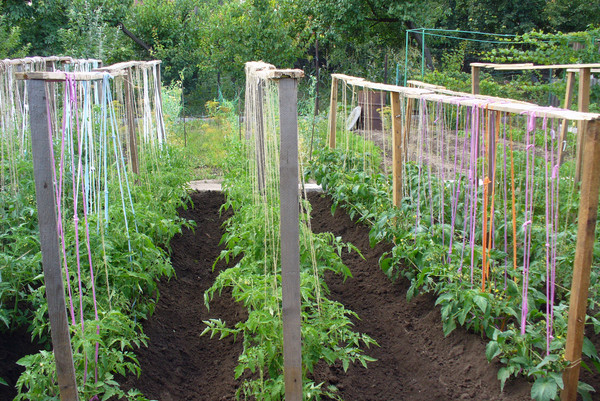
Young lateral stems form very quickly, so it's important to monitor this and remove them promptly. Like all other tomatoes, Japanese Truffles require moderate watering. This is best done in the evening. Allow the water to settle before watering. However, avoid watering with cold liquid. Periodically, loosen the soil and remove weeds. The greenhouse requires regular ventilation. Fertilizing the soil will positively impact the yield.
Diseases and pests
Japanese tomatoes are highly resistant to many diseases. They also thrive in cold weather and are not susceptible to fungal attack. The plants are also resistant to late blight, which typically destroys almost the entire tomato crop. But not in this case.
However, the plant can still become infected with phoma. To get rid of the disease, remove all infected fruit from the bush. Additionally, treat all branches with "Hom" and reduce the amount of nitrogen fertilizer applied. Reducing watering and ventilation in greenhouses (if the plant is growing in protected soil) will also help.
Dry spot is another disease that can affect this variety. In this case, it's worth using Antracol, Consento, or Tattu. In unprotected soil, especially in southern regions, plants may be susceptible to attack by rust mites.
The product "Zubr" will help combat these pests. In greenhouses, melon crops are often attacked by aphids and thrips, which "Zubr" can also combat. Furthermore, like other tomatoes, Japanese truffles are susceptible to attacks by greenhouse whiteflies. "Confidor" can help combat this pest.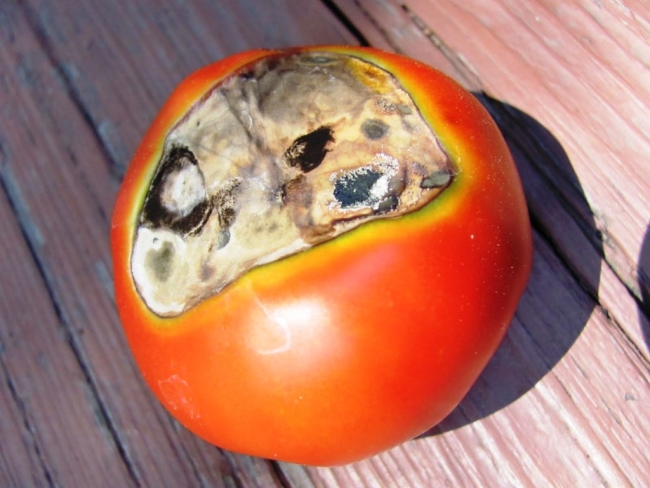
So, growing Japanese truffles is easy. The variety is easy to care for and boasts high yields. The variety's characteristics indicate that it is resistant to a number of diseases. Furthermore, the tomatoes can be stored for long periods without losing their beneficial properties.
Video "Growing"
From the video you will learn how to properly grow tomatoes.