
What is unique about the superdeterminate tomato Mongolian Dwarf?
Content
Description and zoning of the Mongolian Dwarf tomato
The Siberian climate is ideal for this variety. It is also successfully grown in the Altai Mountains and southeastern Russia.
Description of the bush
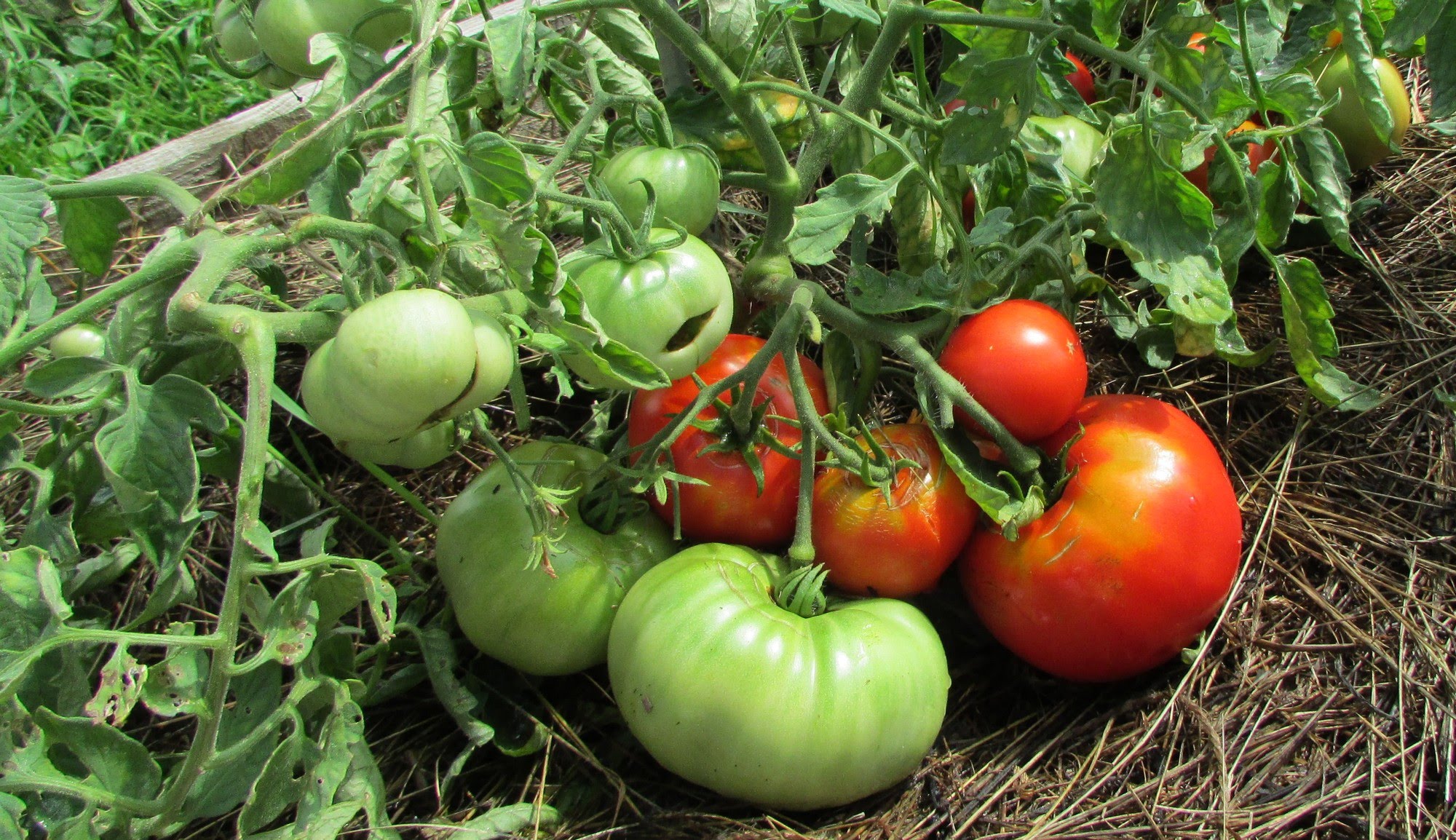
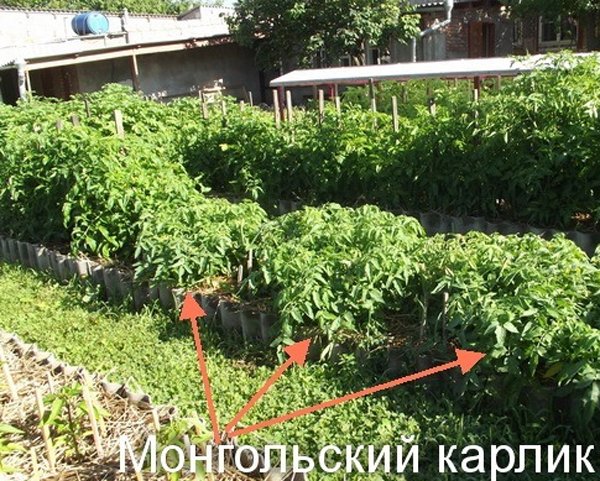
A low-growing variety, reaching no more than 40 cm in height and producing up to 5 stems. A mature bush has a spherical shape with a diameter of 90–110 cm. It has a shallow but powerful root system and dark green leaves.
Description of fruits
The fruits are smooth, round, and bright red. Tomatoes in the first ripening waves reach 200 g, while subsequent waves may weigh no more than 65-75 g. The interior is filled with juicy, dense flesh with a distinctive tomato flavor.
Ripening time and fruiting
An early-ripening variety that begins bearing fruit in mid-June. The season ends in early September, allowing time to prepare for winter storage.
Productivity and scope of application
There are no reliable data on the total fruit yield, as this is a hobby variety. Gardeners have mixed opinions about the Mongolian Dwarf. However, most yields no more than 10 kg per bush. These tomatoes are versatile, making them suitable for fresh consumption and winter preservation.
The highest yield was recorded at an average air temperature of 25–28 °C.
Transportability
Mongolian Dwarf fruits are firm and easy to store. This allows them to withstand transportation well and maintain their marketable appearance.
-
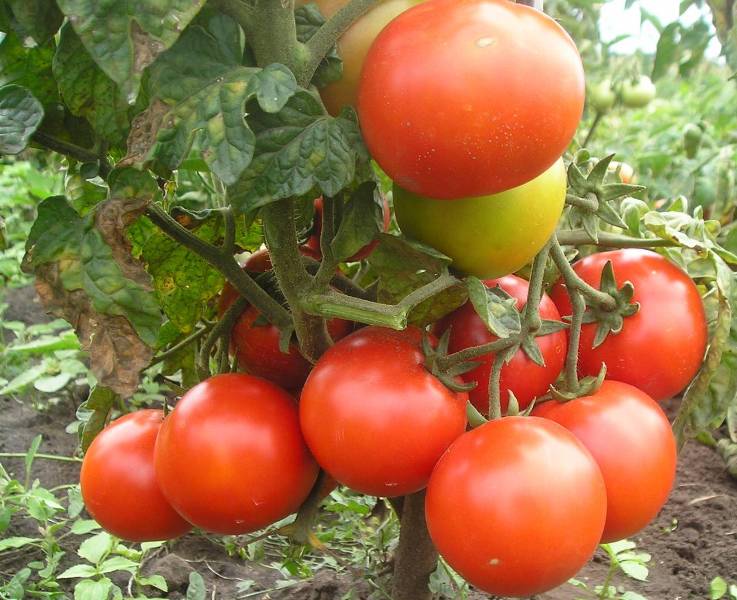
- The fruits are dense, round, and bright red in color.
-
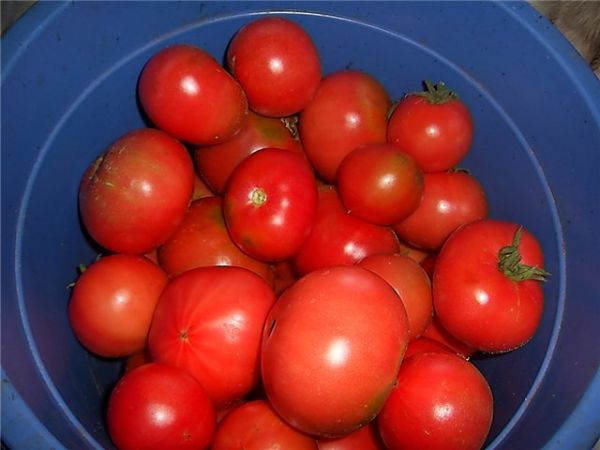
- Average yield is up to 10 kg per bush
-

- The variety is used in canning
Advantages and disadvantages of the variety
- early maturity;
- undemanding to care and climatic conditions;
- undemanding to pinching and tying;
- resistance of fruits to rotting;
- long fruiting period;
- significant fruit size;
- resistance to temperature fluctuations;
- high yield.
- the difficulty of acquiring seeds due to amateur selection;
- demanding level of acidity and soil density;
- fruiting directly depends on the place of cultivation;
- intolerance to high humidity.
Video "Sweet Mongolian Dwarf Tomato"
This video presents the varietal characteristics and description of the garden crop.
Growing Mongolian Dwarf Tomato
The variety's characteristics allow it to be grown both directly and with seedlings. Direct sowing of seeds is recommended in southern regions; elsewhere, seedlings are necessary. The plant will not thrive if its root system is damaged by late frosts. In some regions, the risk persists until mid- to late May.
Sowing seeds
The planting season begins in early March to ensure transplantable, flowering bushes are ready for transplanting as early as May. Proper seed preparation before planting will help increase yields. When purchasing seeds, it is important to pay attention to the production date, as the shelf life is two years. Purchased seeds are tested for suitability by placing them in water. Those that fall to the bottom are suitable for planting.
The selected seedlings are disinfected in a 1% potassium permanganate solution and then placed in a growth activator for 24 hours. During this time, the container and loose soil are prepared. The container is filled with soil, furrows are dug, and the furrows are watered. The seeds are sown to a depth of 1 cm, leaving 1-2 cm between them. Finish planting by moistening the soil with a spray bottle. Afterwards, the container is covered with plastic or glass and placed in a warm place (25-30°C) until the first shoots appear.
During the growing season, water the seedlings moderately, as the soil dries out. After 2-3 true leaves have formed, transplant them into peat pots. The seedlings are ready for transplanting to their permanent growing site at the 7-8 leaf stage (45-60 days).

Planting in open ground
The planting site is selected and prepared in the fall. It should be sunny and protected from the wind. It is dug over first, and immediately before transplanting the seedlings, it is treated with copper sulfate and fertilized with superphosphate (40–50 g per 1 m²).
Plant in two rows, 50 cm apart. Maintain a distance of 50–60 cm between plants. Water the holes first, then place the seedlings, cover them with soil, and moisten the soil again. Mulch the newly planted plants with dried grass or straw to prevent the fruit from coming into contact with damp soil.
Care technology
The plants are relatively easy to care for, but it's recommended to follow basic care guidelines. Water as the soil dries out, avoiding overwatering. Otherwise, tomatoes can be susceptible to late blight.
The plant responds positively to fertilizers, especially to a wood ash solution. It's diluted at a ratio of 200 grams per bucket of water. After each watering and fertilizing, loosen the soil and remove weeds to ensure air access to the root system. This variety doesn't require staking or pinching, making it easier for inexperienced gardeners.
Diseases of the variety and methods of control
Gardeners' reviews confirm that this variety is quite resistant to most diseases and pests. However, the Mongolian Dwarf's main enemy is late blight. The leaves, and in severe cases, the entire plant, become covered in brown spots. This fungal disease can destroy an entire planting in just a few days. Experienced gardeners recommend using Fitosporin, diluted at a ratio of 200 g of powder per 400 ml of water.
Reviews from gardeners
I'd been eyeing this variety for a long time, and finally planted it this year. The results didn't disappoint, especially the early ripening and the large harvest.
I've been growing tomatoes for several years now. I've noticed that I get more fruit in the garden than in the greenhouse. That's why I prefer the former.
The Mongolian Dwarf variety attracts the attention of most gardeners. Some admire it, while others find it overhyped. It's important to grow the crop yourself to determine whether it's suitable.