
A sweet tomato in your garden – the Honey tomato
Content
- 1 Description of the variety
- 2 Video "Description of the Honey Variety"
- 3 Country of origin and year of registration
- 4 In which regions is it best to grow?
- 5 Directions for use
- 6 Productivity
- 7 Advantages and disadvantages
- 8 Features and agricultural technology
- 9 Diseases and pests
- 10 Video "Diseases and Pests"
Description of the variety
This tomato is a high-yielding variety, yielding up to 15 kilograms of fruit per square meter. It is ideal for growing both outdoors and in plastic greenhouses. It boasts good disease and pest resistance and is easy to care for, though it does require sunlight. It tolerates sudden changes in temperature and humidity well.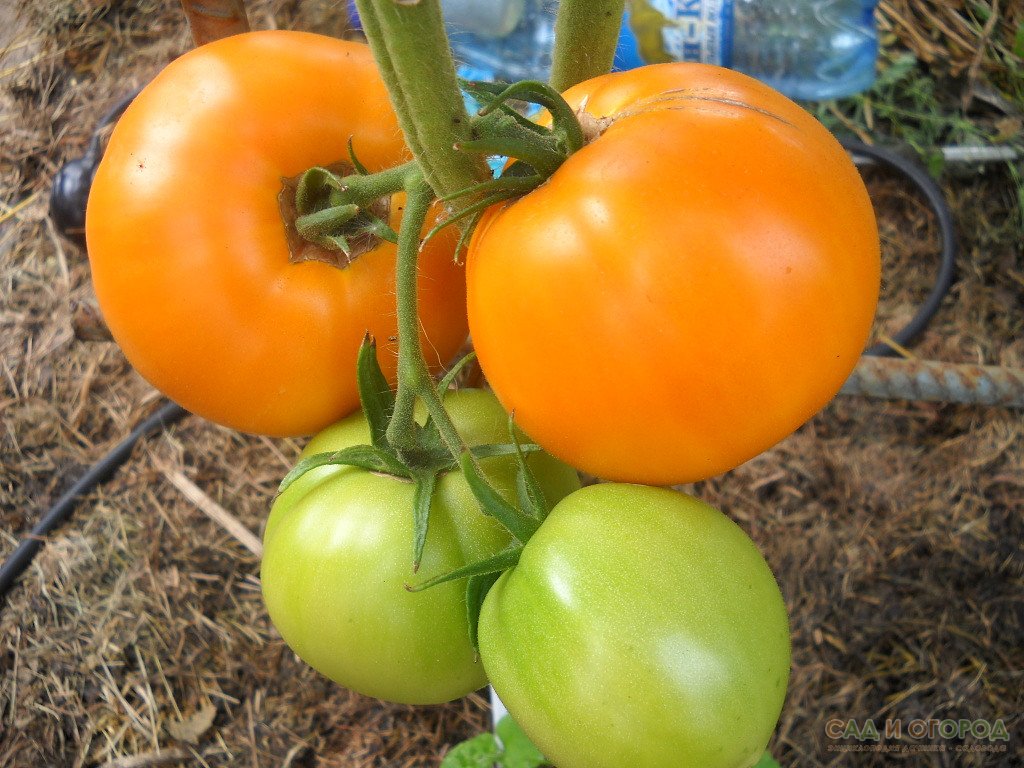
Its medium-sized, compact bush reaches a height of 110-120 centimeters, requiring staking and periodic pinching. Its dark green leaves are large. The plant has simple inflorescences. This mid-season tomato takes approximately 110 days from germination to ripening of large fruits weighing up to 400 grams.
According to the variety description, the unripe fruit is green, which turns into a bright pink or crimson color when ripe.
It has dense, juicy flesh with a pleasant flavor, making it ideal for juicing, canning, and simply eating fresh. The fruits are excellent for transportation and long-term storage. They can be picked unripe for later ripening.
Seedlings are sown 60 days before planting in the ground. When planting in the ground, seedlings are spaced at a rate of 3-4 plants per square meter.
Video "Description of the Honey Variety"
From the video you will learn the description of this tomato variety.
Country of origin and year of registration
This tomato was developed by Russian breeders for cultivation in challenging climates with sudden temperature drops. In 2004, it was officially registered in the Russian Federation as a variety recommended for cultivation in open ground and greenhouses. It is in high demand among professional growers and amateur growers alike.
In which regions is it best to grow?
Given this variety's resistance to disease, adverse climatic conditions, and ease of care, tomatoes thrive in open ground in southern and temperate climates of Russia. In regions with harsh climates, it is recommended to grow this variety in greenhouses.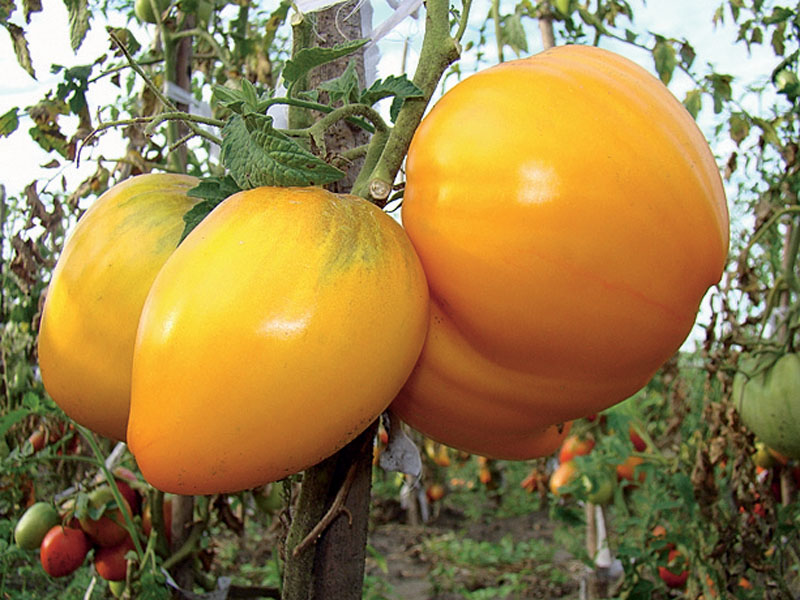
Directions for use
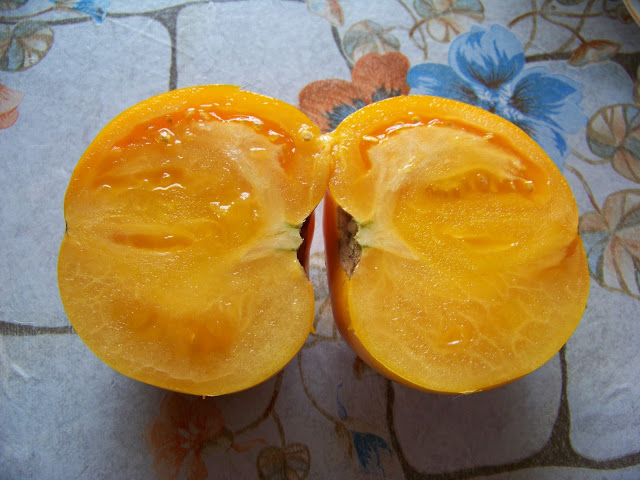
The fruit has dense, multi-chambered flesh with small seeds, a thick skin, and a wonderfully sweet flavor. Based on the above tomato characteristics, it is recommended:
- eating fresh fruits in salads with vinegar or oil in combination with other vegetables;
- use for preparing freshly squeezed juice, rich in a wide range of vitamins and microelements;
- preserving fruits or tomato juice for winter storage.
Productivity
The variety description already mentioned the high yield of tomatoes with proper care. On average, a single bush can yield up to 4 kilograms. Therefore, with the recommended planting rate of 3-4 plants per square meter, you can easily get around 15 kilograms per square meter.
Advantages and disadvantages
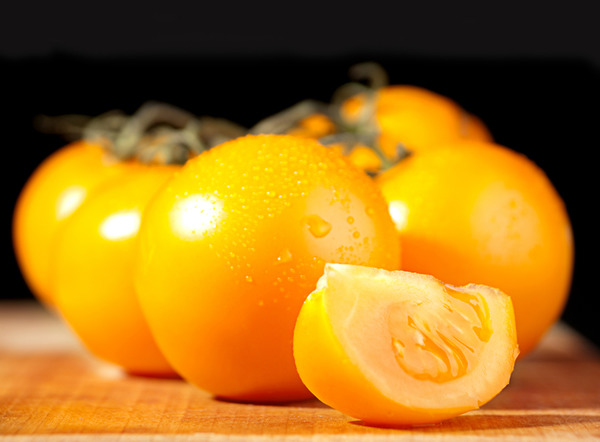
Tomatoes of the "Honey" variety have excellent characteristics in the following qualities:
- grow well in difficult climatic conditions with a sharp drop in temperatures, provided appropriate care is provided;
- have good resistance to diseases and pests;
- are perfectly preserved during transportation;
- can be collected in an unripe state for further ripening and longer storage;
- have high yields.
According to the variety description, the disadvantages include increased fragility of the bush branches, which requires careful handling by the grower.
Features and agricultural technology
The main characteristics of the tomato plant include its low maintenance and high humidity tolerance. However, the plant also requires support for its bushes and branches.
To ensure proper tomato formation, remove side shoots and leave two stems. Fertilizing with potassium and phosphorus is recommended during the plant's growth period. At later stages, complex fertilizers for vegetable crops are used.
Diseases and pests
Based on the variety's description, it's worth noting the tomato's high resistance to various plant pathogens; it's virtually immune to fungal infections, even in high humidity. Diseases are usually associated with improper care, such as inadequate watering, lighting, and ventilation (in greenhouses).
Common pests found on tomatoes include:
- aphid;
- thrips;
- white butterflies;
- sawfly;
- nightshade leaf miner.
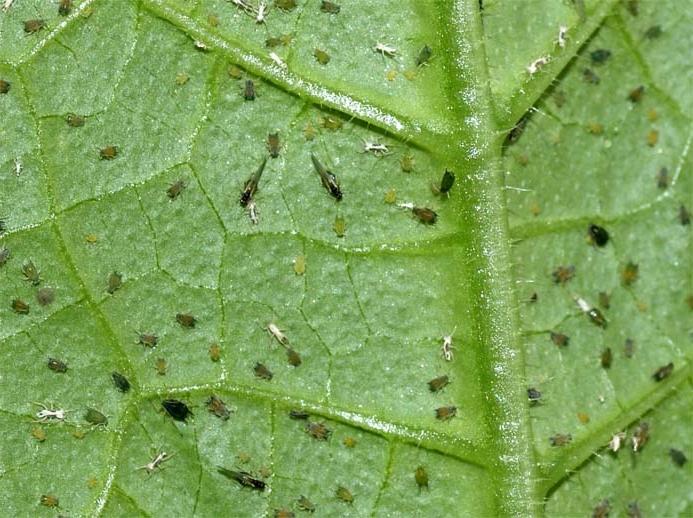
Pyrethroids, neonicotinoids and other modern insecticides are used to control these pests.
Video "Diseases and Pests"
This video will tell you about tomato diseases and pests, as well as how to combat them.