
The tomato variety "Marusya" is a decoration for your garden bed.
Content
Characteristics and description of the variety
"Marusya" was developed by domestic breeders and was added to the state register in 2006. Since then, it has established itself as a top choice for its ease of cultivation and the quality of its fruits. This mid-season variety ripens its first harvest 100-110 days after germination. The bush is determinate, growing from 50 cm to 1 m in height. The dark green leaves are arranged so as not to shade the flowers and fruits.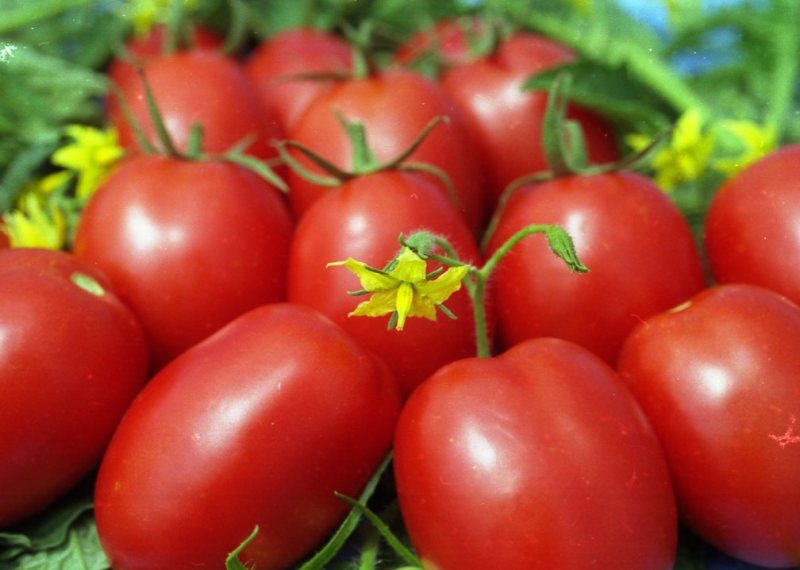
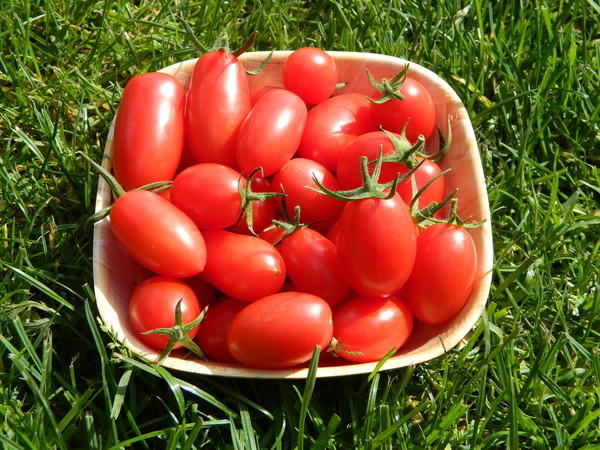
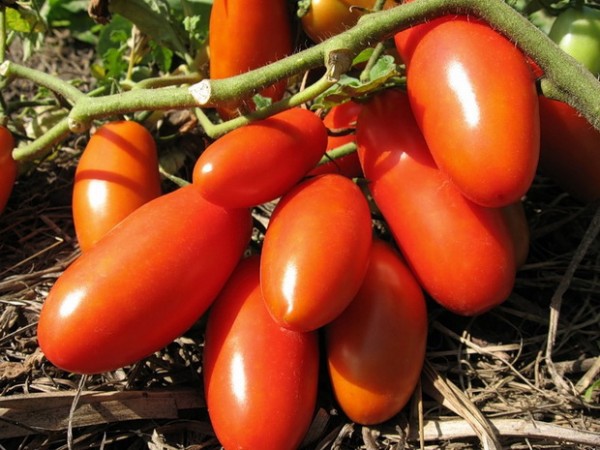
The plum-shaped fruits are red in color and weigh 70–80 g. Under the tough skin lies dense pulp with a sweet taste and a slight sourness, with two or three seed chambers. Tomatoes are delicious, perfect for salads, purees, and sauces. Their small size makes them suitable for canning and pickling, and their skins ensure the integrity of the preserved fruit. The fruits are gathered in beautiful clusters, reminiscent of grapes, each containing 5-10 fruits. The clusters are usually tied to prevent breakage of the fragile stems. Each bush produces up to 2 kg of fruit, which stay fresh for a long time and are easy to transport.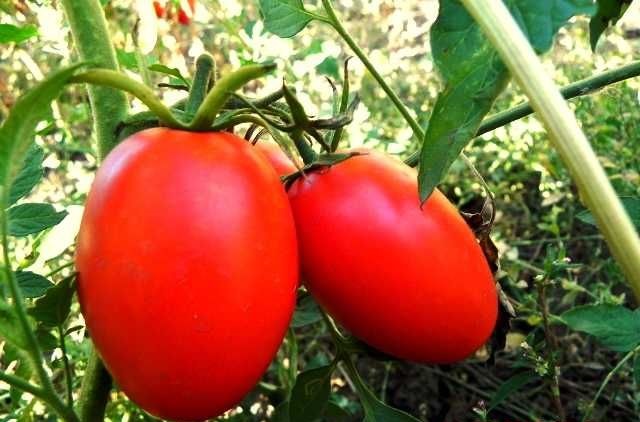
This variety is resistant to common tomato diseases, such as verticillium wilt, fusarium wilt, and late blight. It tolerates dry, hot weather and large temperature differences between day and night, as long as the soil is fully warmed and frost-free. It grows well under plastic covers and produces fruit until the end of August.
The bush is usually formed into one or two stems, the side shoots are removed before the first inflorescence, which, as a rule, forms above the 6th - 7th leaf, the next ones are formed after 1 - 2 leaves.
Video: "The Best Tomatoes for Canning"
This video will show you the best tomato varieties for canning.
Features of cultivation
Marusya is grown from seedlings. It's recommended to start growing it in March, planting it in a garden bed or plastic greenhouse in May or June, and the fruits will begin to ripen by the end of July. Depending on the region and climate, the timing can be adjusted; a good rule of thumb is to plant the plants in the ground when the soil has warmed to the desired depth, and the seedlings should be approximately two months old. If you sow the seeds earlier, as early as February, you'll need to provide supplemental lighting to prevent them from stretching too much and to ensure they grow strong and healthy.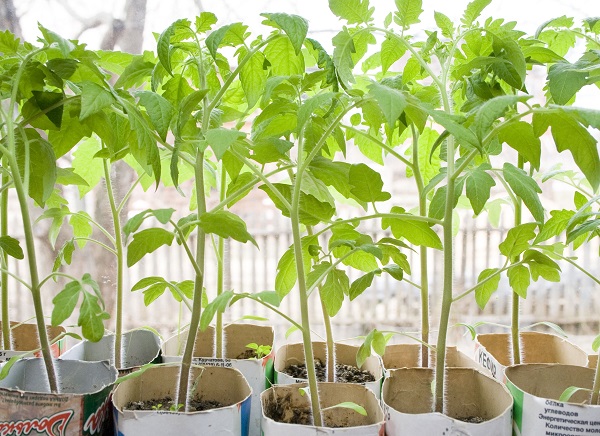
It is advisable to prepare the seeds for germination as usual, that is, disinfect them with a weak solution of potassium permanganate, harden them, soak them for rapid germination (you can use growth stimulants), and then place them in the soil.
If you don't buy seedling soil from a store, you can mix turf with humus and add clean river sand. It's best to warm or freeze the soil mixture to kill pathogens. Place it in a container (usually a wooden or plastic box), water it with a hot solution of potassium permanganate, and then spread the seeds on the damp surface, cover them with a thin layer of soil, and place them in a warm place.
Seeds germinate at a temperature of 16 degrees Celsius (61 degrees Fahrenheit). Warmer temperatures will result in sprouts appearing sooner, after which it's recommended to lower the temperature for a few days. The most comfortable temperature for seedling growth should be above 20 degrees Celsius (68 degrees Fahrenheit), and it's advisable to monitor humidity levels.
After the first pair of true leaves appears, the plants are pricked out into individual pots. After a few weeks, they are fed with a complex mineral fertilizer, preferably rich in potassium and phosphorus. They are planted in a garden bed or greenhouse 50 to 55 days after germination. Before this, gradually acclimate the plants to fresh air and sunlight for at least a week, preferably two, by taking them outside first in the morning, then gradually increasing the amount of time.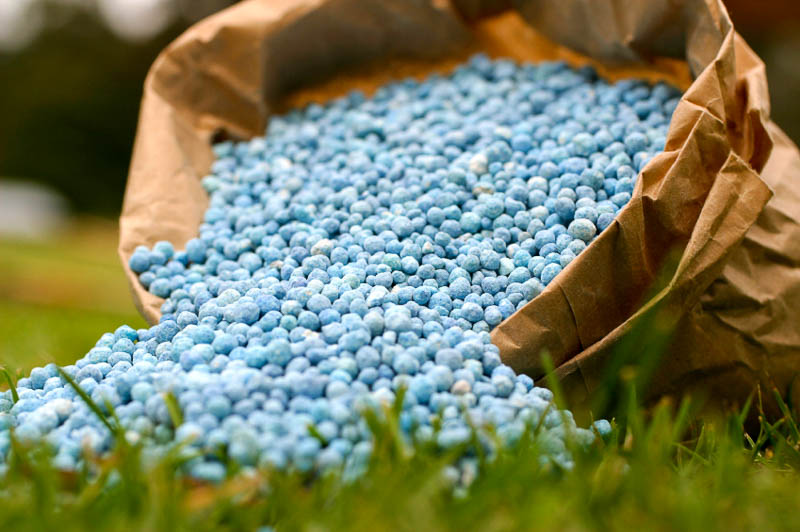
Plant the bushes approximately 60 cm apart, leaving at least 70 cm between rows. Mulch can be applied, and then the plants should be regularly weeded, watered, and the soil around them should be loosened. Even hardy tomatoes appreciate warm, settled water. But the most important thing is to water regularly; heavy watering after a prolonged dry spell can cause cracking of both ripe and green tomatoes.
Staking the bushes isn't necessary, but many prefer to tie the branches or at least the fruit clusters to a support dug in near the plant. Side shoots need only be removed up to the first cluster. The bush grows very comfortably; it's compact yet breathable, and the leaves don't shade each other or the fruit, so there's no need to remove them.
Diseases and pests
Breeders have worked hard to create a variety resistant to the most common tomato diseases, but no one can guarantee 100% protection. Therefore, many vegetable growers still prefer to treat their plants periodically with a whey-iodine solution or even Fitosporin. Wood ash infusion is also a good disease and pest prevention agent.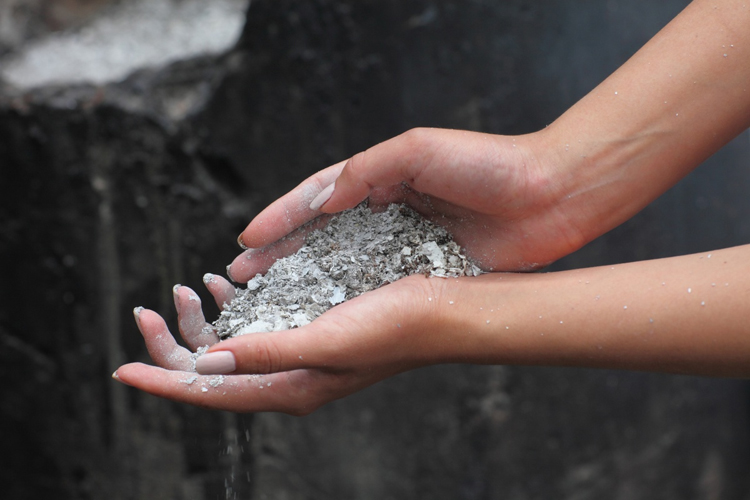
Whiteflies, aphids, slugs, and snails can attack plants in rainy summers, and spider mites in dry, hot weather. A special product called "Confidor" can help get rid of whiteflies. If washing and spraying with clean, warm water alone doesn't keep spider mites away, you'll need to use "Karbofos." Dusting the bushes with a mixture of crushed wood ash, tobacco dust, and lime can also help keep slugs and snails (and aphids) away. If you dust the bushes after moistening them, the dust will last longer because it will linger on the leaves and stems longer.
"Marusya" is easy to grow, but produces delicious fruits.
Video: "Tomato Diseases and Pests"
From the video you will learn about tomato diseases and pests.