
Description and cultivation features of the ultra-early tomato Lyubasha
Content
Description and characteristics of the variety
In 2016, breeders at the company "Partner" developed a new hybrid suitable for cultivation in all regions of the country. A year later, the new variety was added to the State Register, and the tomato's popularity continues to grow. When choosing seeds, pay attention to the F1 marking. This means that these are first-generation hybrids, not varietal tomatoes.
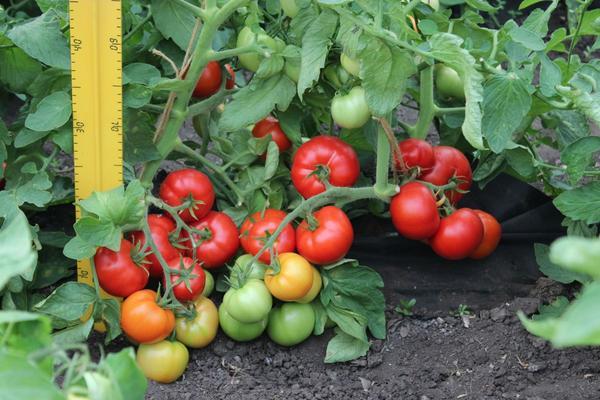
Appearance of plants
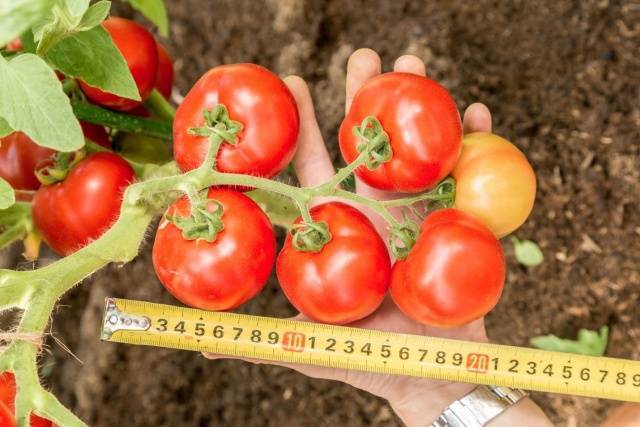
Lyubasha is a determinate variety, meaning the bush cannot exceed 1 m in height. The shoots are medium-sized and not spreading. The leaves are not dense and a rich green color. A mature bush has an oval shape and is characterized by a compact habit. The fruits are round, fleshy, and uniform in size. A ripe tomato weighs 120-150 g. It does not crack even with heavy watering and rainy summers.
Productivity
Lyubasha F1 tomatoes are suitable for growing outdoors, but the hybrid produces its best harvest in a greenhouse.
Fruit ripening depends on the ambient temperature: the warmer the temperature, the more tomatoes are produced and the earlier they ripen. Tomatoes grow in clusters—up to 5 clusters per plant. Each cluster bears up to 8 tomatoes. A plant can produce up to 72 tomatoes. In the open field, a single plant can yield up to 10 kg of fruit, while in greenhouses, up to 15 kg.
Main qualities and uses of fruits
A distinctive feature of this hybrid is its shelf life. Ripe fruits withstand long transportation well. The tomatoes are juicy, sweet, with a hint of tartness. Due to their early ripening period, they are primarily used fresh in salads. They are also suitable for canning, pickling, juice processing, and freezing.
-
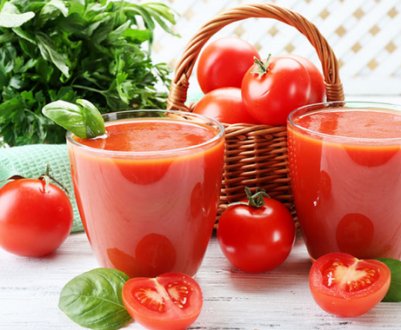
- Tomato juice
-
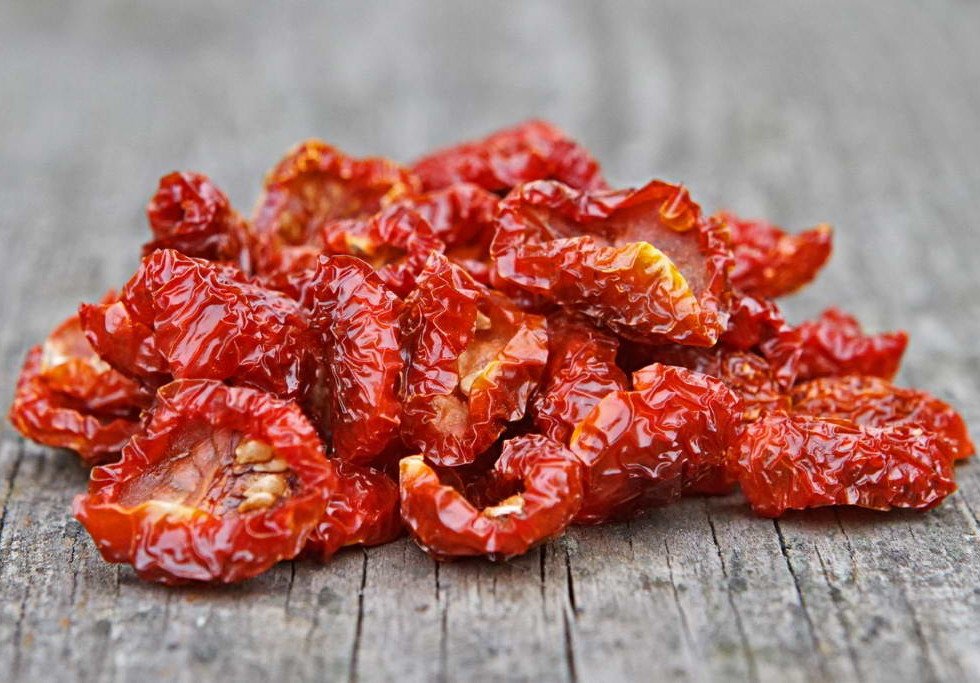
- Sun-dried tomatoes
-
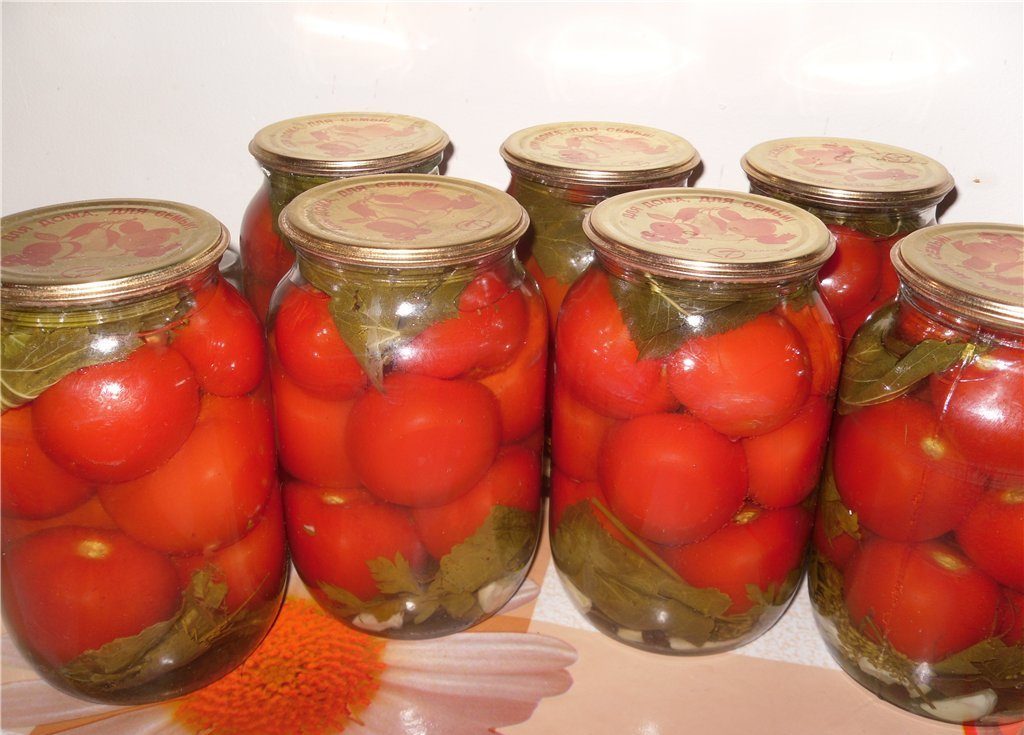
- Conservation
Harvesting and storage
The first harvest is in late June-early July. Tomatoes ripen uniformly and are easy to pick from the bush in bunches. Store the tomatoes in a dark place at a temperature no higher than 10-12°C. If stored at this temperature, they will last up to 2.5 months. Ripe tomatoes retain their quality even when refrigerated for up to 1 month.
Video: "Description of the Lyubasha Tomato"
This video presents a description of the garden crop and the rules for growing it.
Advantages and disadvantages of the variety
- early period of fruit ripening;
- ease of care;
- disease resistance;
- high yield;
- good taste of fruits;
- shelf life, resistance to transportation;
- universal use of tomatoes.
- tying and strengthening bushes with supports;
- pinching out stepsons;
- forming bushes into 2-3 stems.
Features of planting and growing
Selecting a location and soil
Tomatoes require fertile soil. Suitable soils for growing seedlings include:
- rotted peat;
- turf soil with humus;
- ready-made store-bought peat mixtures.
Soil from the garden is mixed with ash and peat. For planting, select a site where nightshades have not been grown for at least three years. A bed previously used for carrots, cucumbers, or legumes can be used. The soil is loosened, disinfected, and organic fertilizer is added. Before planting in the greenhouse, all parts are disinfected. The soil is watered with a manganese solution and lime is added.
Preparing and planting seedlings
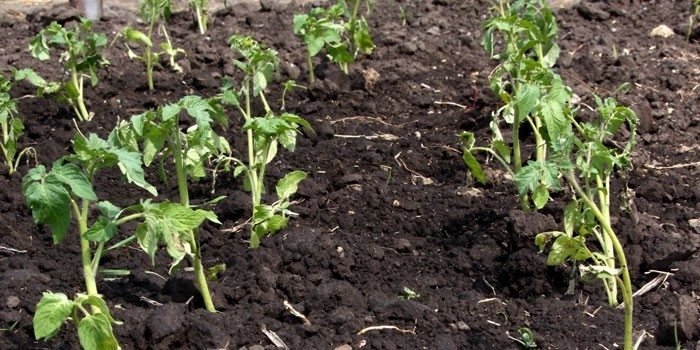
Plant seeds 1 cm deep, spaced 4 cm apart. Cover the container with glass or plastic and keep at 23°C. Once seedlings emerge, remove the cover and lower the temperature to 18°C. Apply nitrogen and potassium fertilizers after the third leaf appears. Harden off the plants for two weeks before planting. Planting in the garden begins when four true leaves appear. Plant 3-4 plants per square meter.
Watering and fertilizing tomatoes
During the first few days after planting, plants need shade and water. Use warm water, applied to the roots. Drip irrigation is the optimal solution.
Dry crust under the bush is prevented by loosening and mulching.
The first feeding is done 10 days after planting tomatoes in the ground. An infusion of green grass has proven effective. It is diluted 1:10 and applied to the roots. Once fruit sets begin to form, potassium and phosphorus fertilizers are added. Feeding is done no more than once every 2-3 weeks.
Shaping and tying up bushes
The Lyubasha F1 tomato doesn't require pinching; its growth is limited. Because of its high yield, the bushes are tied to sturdy supports driven into the ground. Otherwise, the plant may not be able to support the weight of the fruit and break. Removing side shoots provides the newly formed tomatoes with more nutrients, allowing them to grow and ripen faster. If fruit clusters have already appeared alongside flowering shoots, the flowers should be cut off. They will consume nutrients, reducing the size of the fruit that has already set, and will not catch up with them in development.
At the beginning of active leaf growth, reduce watering or prune the bottom two leaves. This will direct the plant's energy toward forming a cluster. To maximize the yield of the Lyubasha F1 hybrid, grow the plant in 2 or 3 stems, forming them from the remaining side shoots.
Protection from diseases and pests
The Lyubasha F1 hybrid is resistant to fungal and viral diseases, particularly late blight and blossom-end rot. Rapid fruit ripening prevents the development of cold-related diseases. With proper care, additional treatments are not necessary.
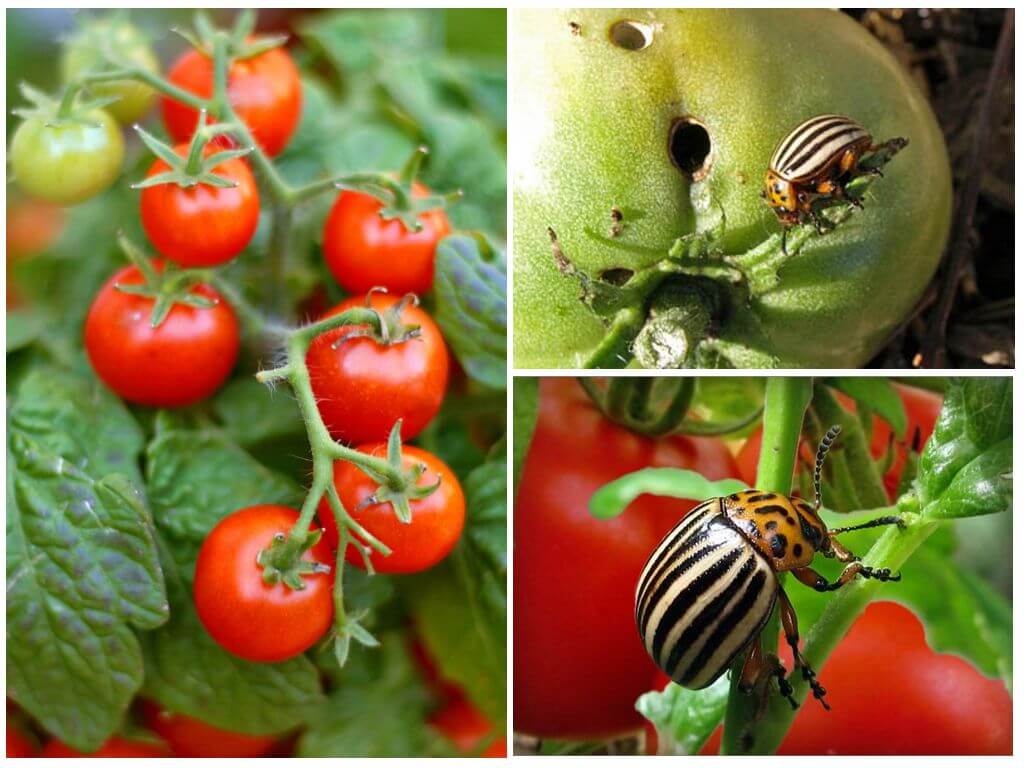
Ground pests (slugs, Colorado potato beetles) are repelled with a mixture of laundry soap and birch tar, a decoction of wormwood, and hot pepper. If there are only a few pests, they can be collected by hand. To prevent root damage by wireworms and May beetles, dig the soil deeply before planting the seedlings.
Gardeners' reviews of the Lyubasha tomato
"Of the planted hybrids, Lyubasha was the first to sprout, and I transplanted her into the greenhouse. The summer was cold, but it didn't affect the harvest. The tomatoes are even, uniform, and beautiful. You can get 7 kg of tomatoes from one plant."
"I planted tomatoes where there used to be a pile of manure. The fertile soil improved the yield, and I got a lot of fruit. I didn't even fertilize them in the summer, just watered them."
"I'm growing tomatoes for sale. I discovered the new Lyubasha F1 hybrid and got a good harvest. I planted three plants per square meter and harvested 13-14 kg of tomatoes. The tomatoes don't crack on the way to market."
The Lyubasha F1 tomato quickly gained widespread popularity due to its early maturity, low maintenance, and versatile use of ripe fruits. Mature plants tolerate minor temperature fluctuations and high humidity, and are resistant to late blight. The hybrid produces high yields despite adverse weather conditions.