
The best tomato varieties for the Urals
Content
Requirements for tomatoes
It's no secret that tomatoes are an extremely heat- and light-loving crop. Their seeds begin to germinate when the temperature no longer drops below 11 degrees Celsius (52 degrees Fahrenheit), while the normal conditions for successful plant development are 25 degrees Celsius (77 degrees Fahrenheit) or higher. Considering that the typical period for fully ripening tomatoes grown outdoors is about 100 days, the short, cool Ural summer is clearly not enough. Consequently, achieving a bountiful harvest by planting tomatoes outdoors in the Urals is impossible without strictly adhering to certain conditions.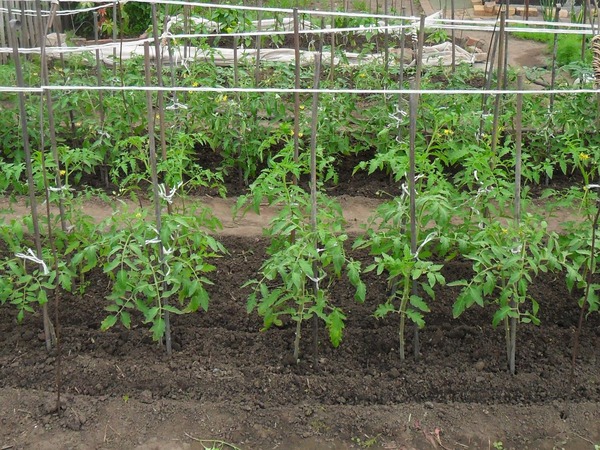
The first thing to consider is the variety's early maturity and frost resistance. Remember, the growing season of the chosen tomato variety for the Urals should not exceed 100 days. Fortunately, many hybrid regional varieties have been developed that thrive and produce abundant fruit in northern regions. Ural growers have learned to grow delicious, plump tomatoes both in open ground and in polycarbonate or plastic greenhouses. Moreover, open-ground varieties easily tolerate significant temperature fluctuations.
As a rule, experienced gardeners, when growing tomatoes in a region like the Urals, advise choosing regional varieties or hybrid varieties.
Video "Growing"
From the video you will learn how to grow tomatoes.
Seedling
In the challenging climate of the Urals, tomatoes are grown using seedlings: this allows for a successful harvest even from heat-loving, traditionally southern crops. Seeds should be sown in small trays, where the seedlings will grow for at least 30 days, and by the second ten days of June, the young seedlings can be transplanted to the garden bed.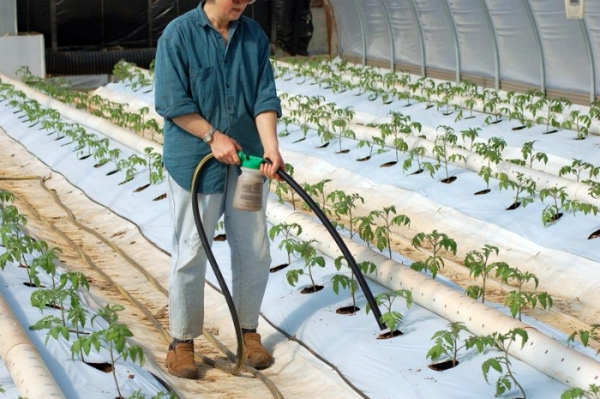
Another good and productive option is growing tomatoes in greenhouses or hotbeds: this approach also yields good results, extending the warm period most suitable for the crop's normal development. Typically, small-fruited tomato varieties are chosen for greenhouses: "Ledenetz," "Izum," "Moldavsky ranniy," or "Skorokhod."
Features of greenhouse varieties
All of the above varieties have some common properties and characteristics:
- They withstand sharp temperature fluctuations, which are unavoidable in greenhouse conditions: during the day, the greenhouse inevitably heats up to high, even critical, temperatures, while at night, the air temperature drops sharply, causing the plants to experience regular stress. If the wrong variety is chosen, the tomatoes may fail to set fruit;
- These plants begin to bear fruit quite quickly. This is a good thing, as greenhouse-grown tomato plants often suffer from pathogens that enter the greenhouse during the summer, when the walls are mostly open. Therefore, it's important to harvest before diseases can affect the plants.
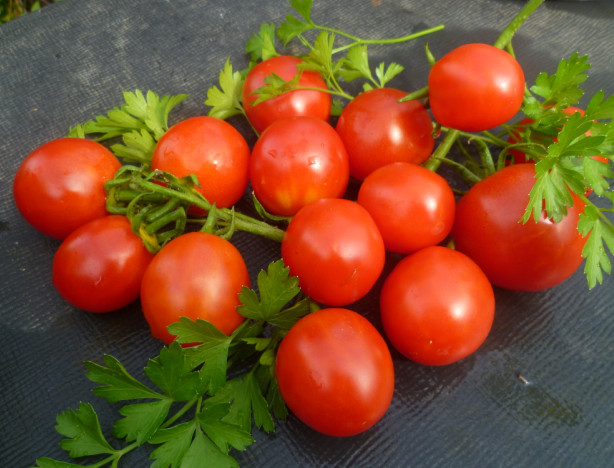
- You will be able to harvest the first, most anticipated tomatoes within 90 days from the moment the first shoots appear;
- All tomatoes grown indoors in the Urals must have increased resistance to pathogens and pests.
Selected varieties for greenhouses
Let's look at several tomato varieties that have been successfully producing fruit for a long time in the short Ural summers. However, they are unlikely to be suitable for open ground – these varieties are best planted in greenhouses.
Hybrid tomato "Lelya": a high-yielding variety capable of yielding approximately 4.5 kg per plant. The fruits reach maturity in just 100 days and are characterized by a distinct sweet and sour flavor. The plants are resistant to infections, pathogens, and pests.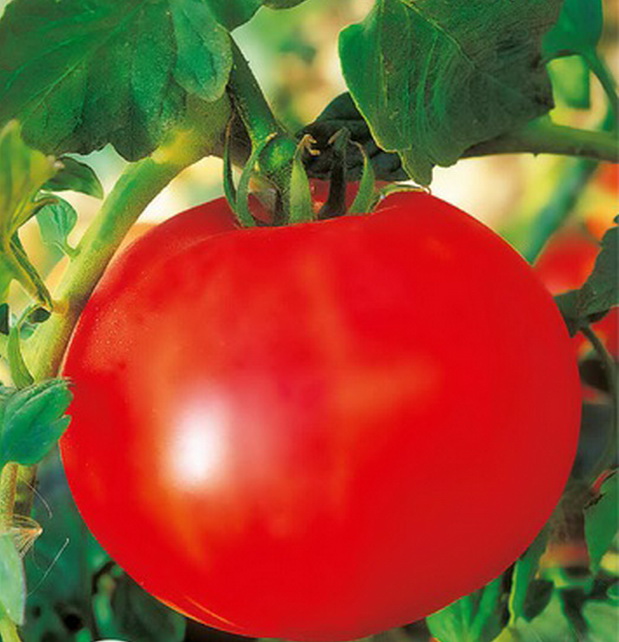
'Bersola' is a low-growing, early-ripening hybrid, with the first fruits ripening in just three months. It produces large tomatoes, each weighing up to 150g.
The hybrid variety "Kohava" stands out from most early tomatoes due to its early maturity (the average growing season is 85 days), large fruit weight (each reaching 180g), and excellent taste and marketability—the tomatoes are firm, fleshy, and intensely pink. This variety is quite productive, yielding up to 30 kg per square meter, and is also disease-resistant.
"Titanic" is a popular hybrid that, while not particularly early (you won't be able to harvest your first tomatoes until 113 days later), more than makes up for this shortcoming with its flavor and marketability: the tomatoes are sweet and large (each weighing up to 200g). Furthermore, mature plants are rarely susceptible to disease.
The "Kostroma" hybrid is a traditional variety, long cultivated in the Urals. Plants begin bearing fruit on the 105th day, and each bush boasts an enviable yield—up to 4.5 kg. The fruits are medium-sized and rarely affected by pathogens.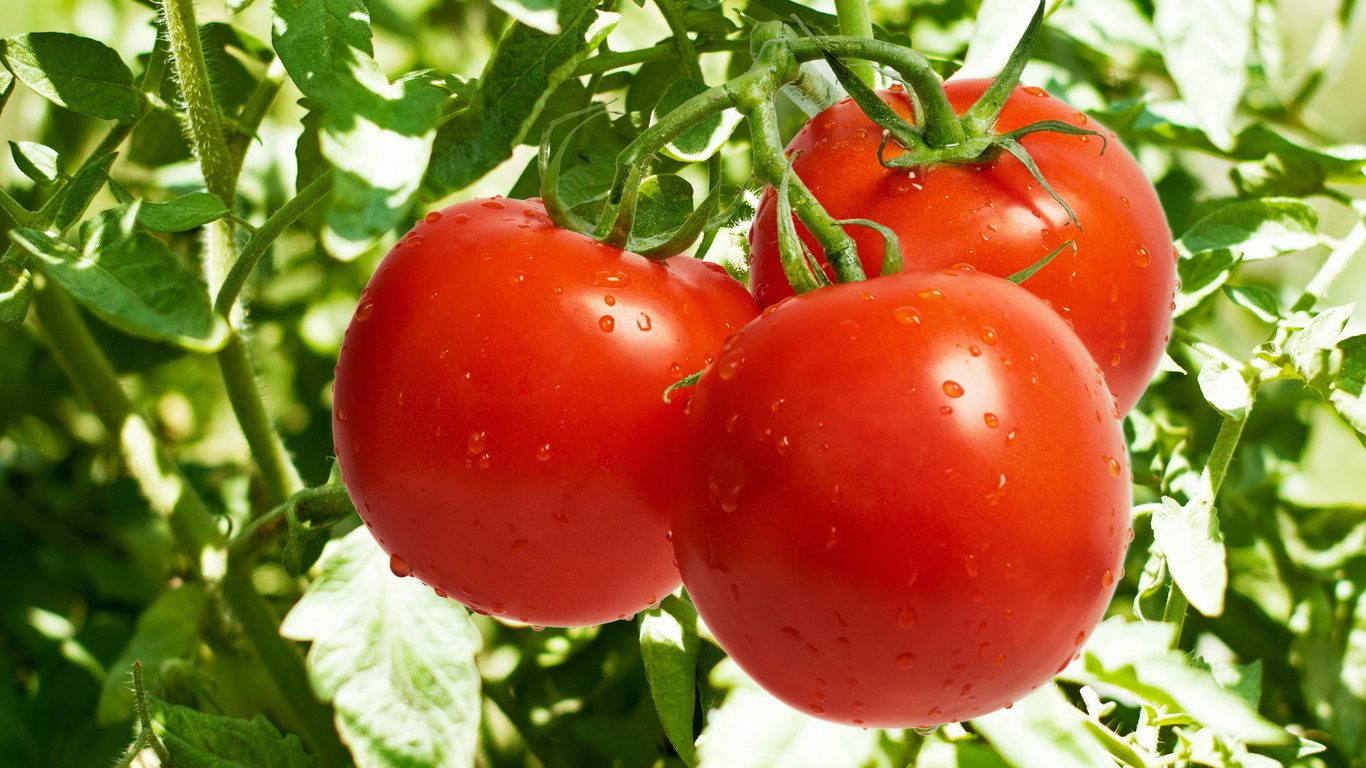
"Beautiful Lady" is a hybrid variety distinguished not only by its disease resistance but also by its ability to cope well with stress. The period from germination to fruiting is 95 days, and each plant can yield up to 5 kg of delicious tomatoes.
The best varieties for open ground
Obviously, if a vegetable crop grows in cold climates, its growing season is shorter than in southern regions. Therefore, when choosing tomato varieties for open ground in the Urals or Siberia, the first thing to consider is the shortest growing season. To ensure successful establishment, rooting, and fruiting of seedlings, they need to be properly hardened off: five-centimeter-tall plants should be brought outdoors several times a day for short periods of time—ten to fifteen minutes. If your tomatoes are growing in a greenhouse, that doesn't mean they don't need hardening off: regularly ventilate the greenhouse, slowly but surely lowering the temperature. Just be careful not to overdo it, or you risk frostbite.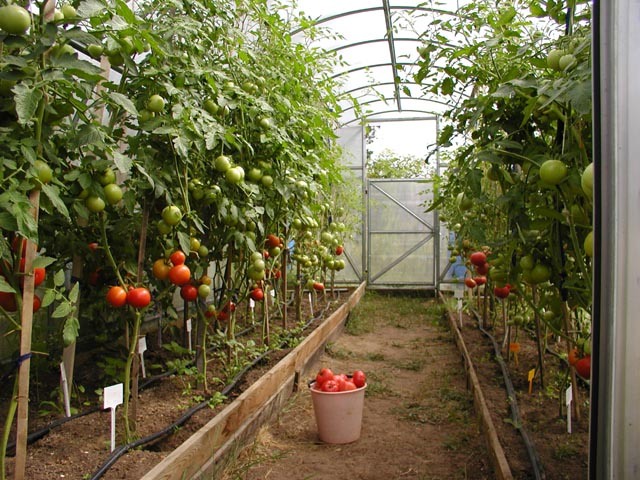
For open ground, it's best to choose low-growing, standard tomato varieties that form a compact bush. If chosen wisely, some determinate varieties also thrive in greenhouses, producing a good harvest. Conversely, indeterminate varieties, originally intended for greenhouses, can produce good fruit in open, unprotected conditions with proper care:
Siberian Early Ripening Tomato is a low-growing, determinate variety. Suitable for both open-field and greenhouse cultivation, the final yield depends on this: greenhouse cultivation yields several kilograms more tomatoes. These tomatoes have excellent taste and marketability, ripening 110 days after planting.
The determinate variety Alsu will give you tasty, juicy and fleshy fruits, however, it has a low yield: the maximum amount of fruits that can be collected from one square meter of planting is one and a half buckets;
Berdsky – This variety is characterized by large, bright red fruits with an interesting flattened shape. These tomatoes are tall – mature plants can reach over 1 meter in height, so be sure to consider the size of your greenhouse when choosing this variety.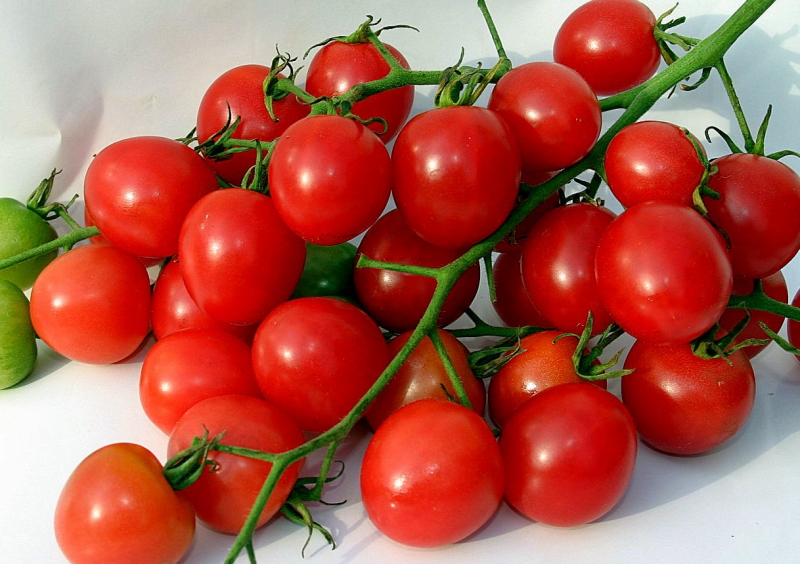
Siberian Express is an early-ripening hybrid with a long fruiting period. It forms low, compact bushes that require no staking.
Gina is a low-growing, early-ripening tomato that produces large tomatoes;
King of Siberia is an ultra-large-fruited variety—a single fruit can weigh up to 1 kg under favorable growing conditions. The fruit is characterized by a thin skin, but the flesh is plump and juicy, and its attractive yellow color is striking. Given the size of the fruit, the bushes require careful staking and pinching.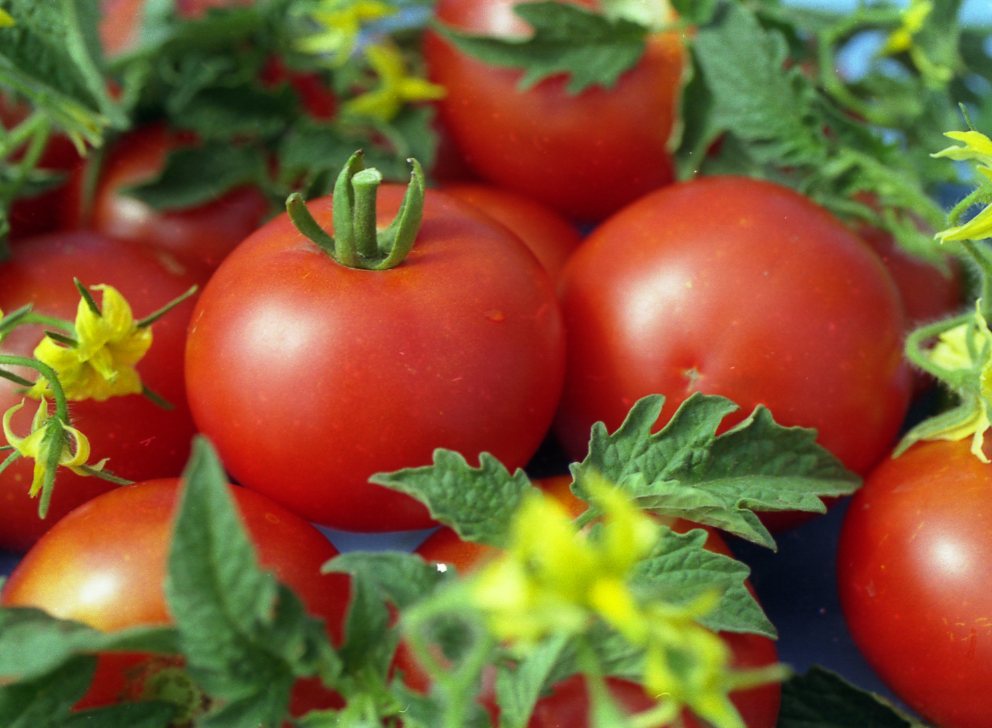
Additionally, tomato varieties can be classified by other characteristics: for example, dwarf and early-ripening varieties include Aquarelle, Alfa, Supermodel, and Antoshka. These tomatoes are easy to grow and, with proper care, produce excellent fruit, yielding before the first frost. If you're looking for tall, large tomatoes, you'll appreciate varieties such as Barmaley, Beefsteak, and Lemon Giant. All of these varieties have a long fruiting period, but require some attention from the gardener.
Selected varieties of Siberian tomatoes
Finally, I'd like to discuss tomatoes that can produce a consistently bountiful harvest, regardless of environmental conditions, even in the Urals. These varieties are frost-resistant, undemanding, and disease-resistant. These include:
- The "Velmozha" tomato is a determinate variety that ripens in an average of 105 days. It produces large, raspberry-colored, heart-shaped fruits with fleshy flesh. Each tomato can weigh up to 250g.
- indeterminate variety "Varvara" - a mid-season tomato that produces cylindrical fruits of a characteristic bright crimson color;
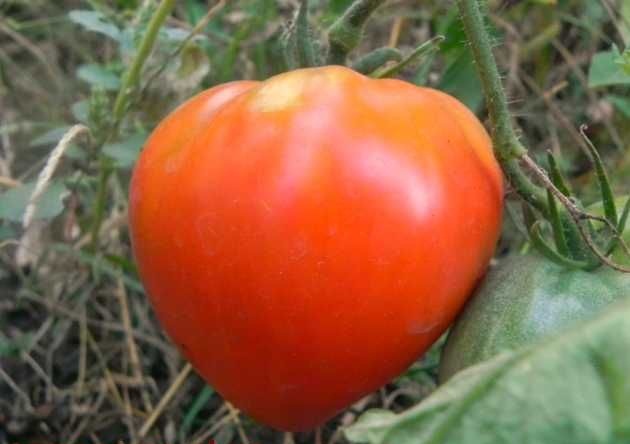
- The determinate tomato "Glossy" is a mid-season variety with oval-shaped fruits characterized by fleshy flesh and a small size—each tomato weighs about 100g. These tomatoes are rarely used for homemade tomato preserves—as a rule, their flavor is best realized when eaten fresh.
- The versatile Gina variety produces large, bright red tomatoes, weighing up to 250g. The tomatoes are round, fleshy, and can be used for any purpose, from salads to any type of culinary processing.
- The Kaspar hybrid is a determinate variety with an early ripening period, producing dense pepper-shaped fruits.
As you can see, there are plenty of options suitable for cultivation in the challenging Ural conditions. While the agricultural conditions, particularly for growing heat-loving vegetable crops, are not the most favorable, farmers' persistence and adherence to basic agricultural practices can achieve the impossible and yield a bountiful harvest of southern vegetables in northern latitudes.
Don't be afraid of failure – try, experiment, and find the perfect varieties for you. You're sure to grow fragrant, delicious, and healthy tomatoes that will delight you with a bountiful harvest for a long time, reminding you of the passion that made that harvest possible. Moreover, the many years of experience of Ural farmers eloquently demonstrate that it's possible to get a good tomato harvest here; the key is to be diligent and carefully tend your garden beds. And if any questions arise during the growing process, you can always find answers on the vast expanses of the RuNet; our portal, in particular, will be happy to help you with this.
Video "Greenhouse Varieties"
This video will show you which tomato varieties are suitable for greenhouses.