
The sweetest and best tomato varieties for greenhouses in the Moscow region
Content
Determinate varieties
There are also determinate and indeterminate varieties. These are difficult words, but the information behind them is very useful.
Determinate varieties don't grow tall. Officially, they're called medium-sized. This convoluted name, translated from Latin, means "limited." This refers to a limited growth rate. They have this characteristic: after 4-5 clusters have formed, that's it; they no longer worry about growing tall; they focus on the quality of the fruit. However, among determinate varieties, there are greenhouse hybrids that grow quite tall.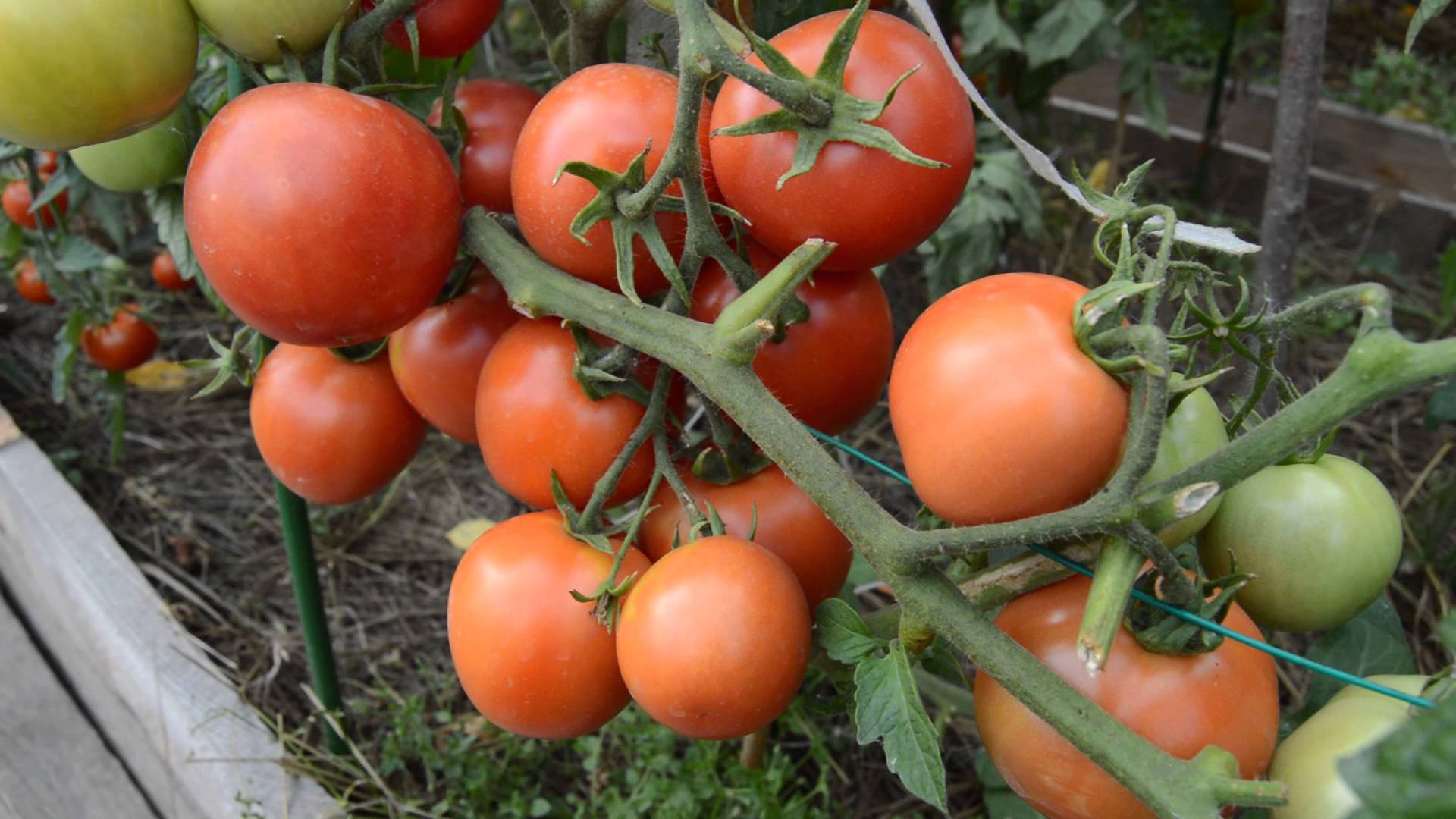
Advantages of these varieties:
- they are suitable for both warmer climates and northern regions;
- ripen quickly;
- high early yield;
- have an excellent taste, sweet, juicy;
- The fruits are very beautiful and will decorate the table.
Among these tomatoes, the well-deservedly popular ones include "Dubok" with its beautiful and sweet fruits; "Sultan"—these fragrant tomatoes produce up to 200 g; and the very fast-ripening "Kameya" and "KuklaF1." "Big Brother," "Arbat," "Don Juan," and many others ripen quickly and are noted for their high yields.
Determinate tomato varieties continually produce new clusters. Therefore, when choosing these varieties for the Moscow region, keep in mind that they require enhanced mineral nutrition.
They'll reward your care with a bountiful harvest, precisely because several clusters form on a single bush. True, the fruits usually come in different sizes. But if tomatoes aren't your thing, that's not a big deal. The main thing is the excellent taste.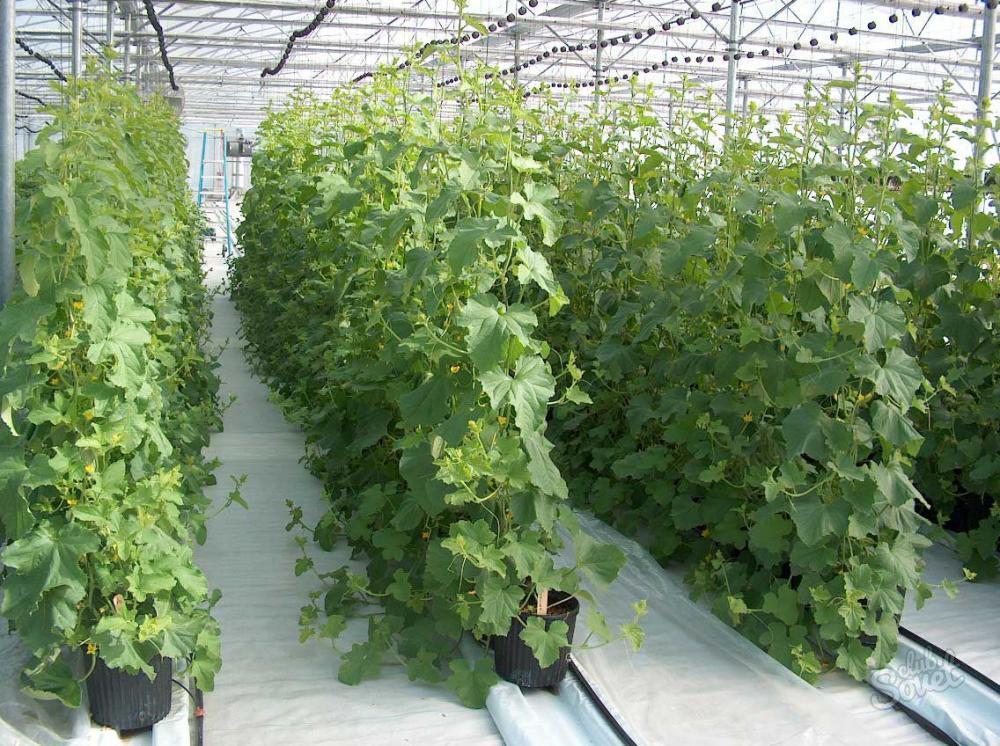
The downside of this trait is susceptibility to disease. A bush laden with fruit lacks the strength to resist infection. Therefore, determinate plants need to be supported by the active use of chemical pesticides.
Determinate varieties have two more subtypes. The first are semi-determinate varieties: the bush stops growing upward when 10-12 leaves appear, and above them, inflorescences. These varieties bear fruit throughout the growing season. Superdeterminate varieties form their first ovaries after the 7th or 8th leaf. A small bush produces a small number of fruits, but all of them ripen simultaneously.
Indeterminate
Indeterminate tomatoes tend to grow vertically, so much so that they can become true vines. Therefore, they will definitely require support—a trellis or other type. The advantage of a trellis is that it allows the inflorescences, and later the fruits, to spread along the entire length of the stem. To monitor their rapid growth, remove lower leaves and side shoots.
Of course, these tomatoes are more suited to warmer climates. In the Moscow region's climate, it's best not to risk planting them outdoors. However, they are ideal for greenhouses. These "lanky" tomatoes should be planted in the center of the greenhouse, so that the roof slopes don't obstruct them. This placement also ensures they receive the ample light they crave.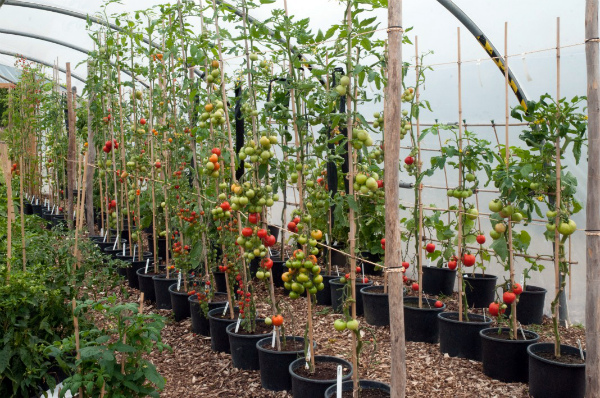
Indeterminate varieties offer dizzying possibilities. These varieties can produce fruits that are not only red but also pink, not only juicy but also fleshy. Only these varieties can produce truly gigantic tomatoes.
Incidentally, here's a little trick experienced gardeners use: they achieve very large fruits by cutting 1-2 from the branch while they're still immature. Removing several lower ovaries also increases the yield.
By growing determinate varieties in a greenhouse, you can count on a good harvest year-round—provided, of course, you maintain the right microclimate. These are generally late-harvesting varieties. But here's another trick: by increasing the carbon dioxide level in the atmosphere, you accelerate ripening. So, simply placing a bucket of manure in the corner of the greenhouse will bring in an earlier harvest.
Determinate tomatoes are somewhat more demanding than their dwarf relatives. But they also have many advantages:
- high yield (more than 50 kg per bush with good care);
- they have an extended fruiting period - you get a harvest throughout the entire season;
- they have a powerful root system and fewer requirements for soil fertility;
- Tomatoes of these varieties are very tasty.
And now, the best varieties of determinate tomatoes that thrive in Moscow region greenhouses:
- Under good conditions, the Octopus can produce several harvests per year;
- "Major" - dense, sugary pulp, resistant to temperature fluctuations and diseases, tolerates transportation well;
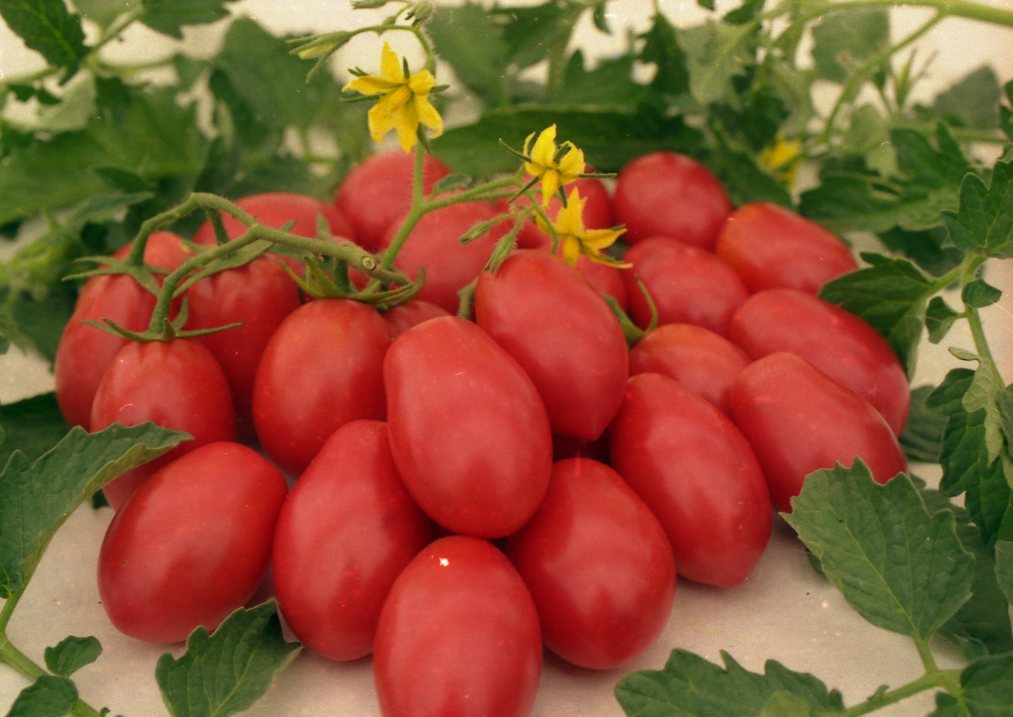
- "Happiness" - large, aromatic, early ripening fruits;
- "Russian Happiness" - large fruits do not crack and can be stored for a long time.
Among them, ‘Major’ and ‘Russian Happiness’ are suitable for commercial cultivation due to their transportability.
How to choose a variety
Of course, nowadays, growing fruits and vegetables, even in the Arctic, is nothing new. Agricultural technology and other advances have made great strides. But if we're talking not about an agricultural company but simply a summer cottage in the Moscow region, then the climate must be taken into account. Because, as one African student once said, you have two winters—one long and white, the other short and green. Therefore, if you're planning to grow tomatoes, you need to research which varieties will thrive in "green winter" conditions.
So, to begin with, here is a short summary of general commandments:
- give preference to varieties that are appropriate to climatic conditions;
- Gardeners in the Moscow region should choose local tomatoes;
- Don't limit yourself to planting just one variety; have 2-3 of them, just in case the weather exceeds your expectations.
If you plan to grow tomatoes outdoors, plant early-ripening varieties. Otherwise, you'll end up competing for the harvest: you or the blight. Late-ripening tomato varieties are also suitable for greenhouses.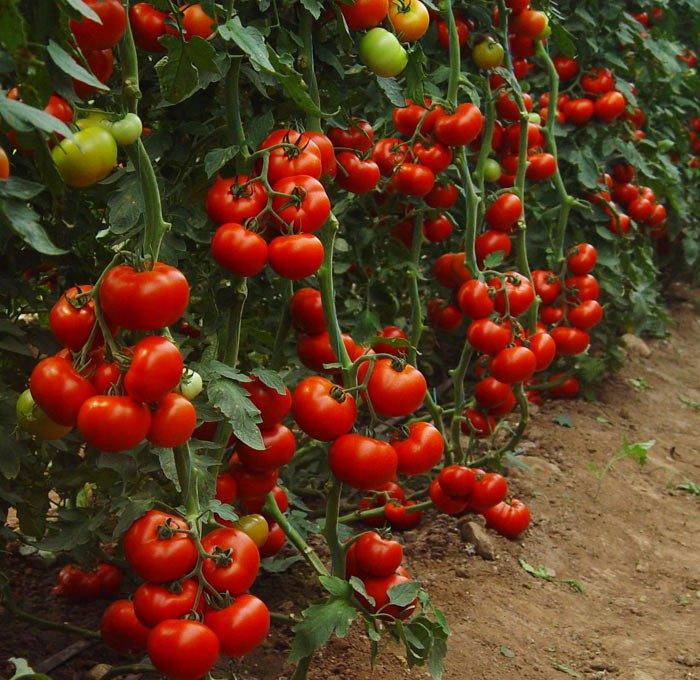
Of course, each variety has its own advantages, characteristics, and growing challenges. When choosing which tomatoes to grow in your greenhouse, it's probably best to consider a practical question: what are you going to grow them for? Is it to enjoy them during the harvest season, or to stock a large pantry with preserves to last the entire winter? Or are tomatoes your business? After all, different characteristics come into play depending on the choice.
Align your plans with the characteristics of different varieties. If you want to start enjoying tomatoes sooner, choose early varieties. If you have a large family and extensive gardening plans, choose varieties that bear fruit throughout the season.
If you have enough time to devote to your garden, you can plant more demanding varieties. Planning a commercial operation? Be sure to consider which varieties are resistant to transportation and storage.
But in any case, two indicators remain significant: yield and taste.
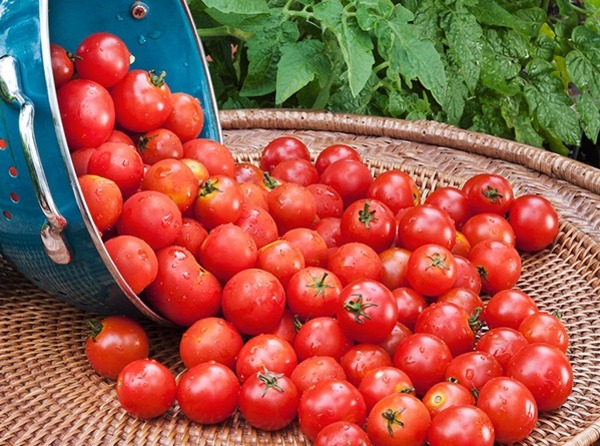
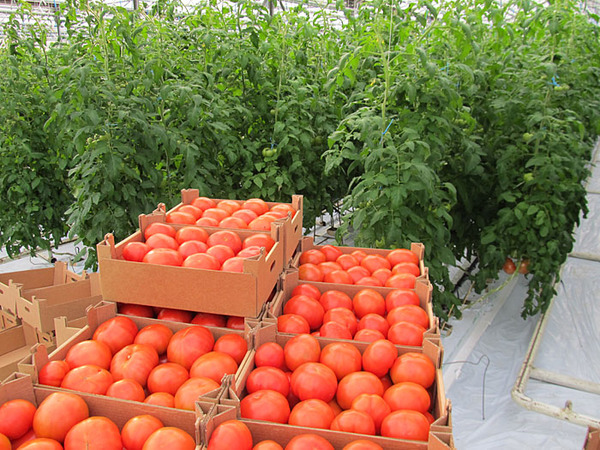
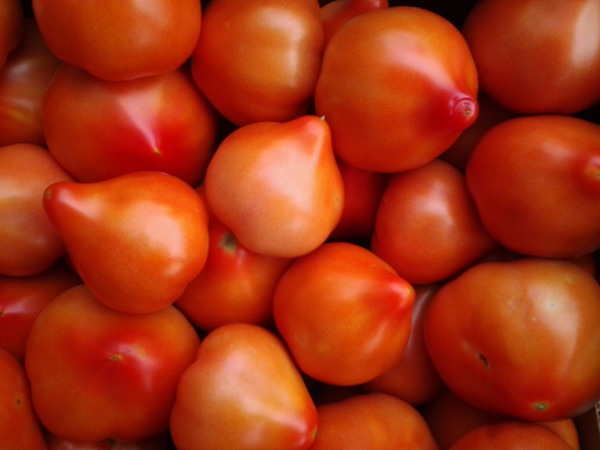
And finally, one more little secret from experienced and resourceful gardeners: don't settle on just one variety, no matter how profitable or promising it may seem. It's always better to have a variety of tomatoes ripening in your greenhouse. Firstly, your garden will be well-stocked with everything: fresh tomatoes, tomato juice, and preserves for the winter. Secondly, everyone in your family will be able to get tomatoes to suit their taste: sweet or tart, tender and juicy or meaty. And thirdly, even if a variety disappoints your expectations, you won't be left out in the cold. So, have fun experimenting!
Video: How to Choose a Variety
This video will help you find out which tomato variety is best for growing.