
Description of the best tomato varieties for greenhouses
Content
How to choose a tomato variety for growing
Even if you've identified the best tomato varieties for greenhouses, you still need to choose the right seeds for your preferred vegetable. To do this, you need to know the following:
- Don't buy seeds from random vendors at the market. Packaging from a reputable manufacturer can easily contain cheap, low-quality seeds, often sold by weight.
- When choosing your coveted packet at specialized retail outlets, opt for a manufacturer that has remained popular for years.
- It's not uncommon for the manufacturer to produce expired material or mixed-up sachets. Therefore, avoid products from factories that have been caught doing this at least once.
- Always read the packaging. Carefully examine information such as the product's expiration date, cultivation details, and the quality of the product you're purchasing.
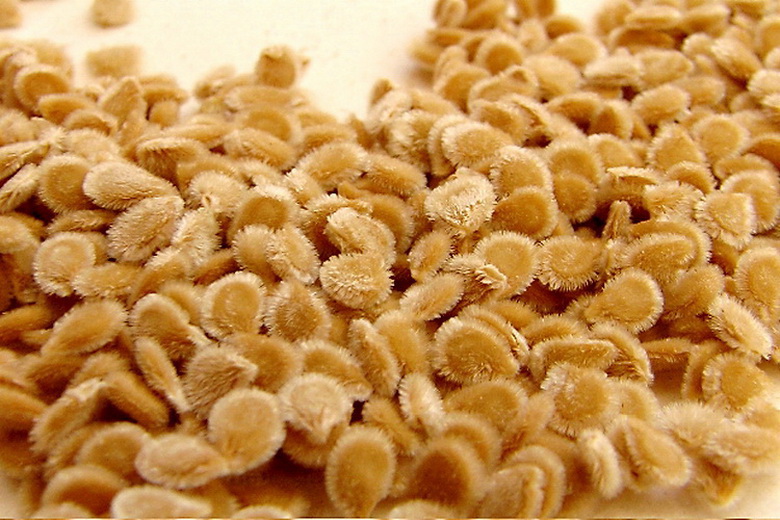
Even if you've taken the utmost care to avoid making a mistake when purchasing, you can't be sure about any particular vegetable. After all, even an experienced gardener who prefers products from reputable companies can end up buying low-quality seeds.
To avoid missing out on a future harvest, it's best to have several tomato varieties. It's also a good idea to try new varieties and hybrids each year and make your own judgments about their quality and yield.
Classification of varieties
Tomato varieties for greenhouses are divided into 2 types.
- Tall tomato varieties for greenhouses. These are also commonly referred to as determinate or limited-growth varieties. This means the tomato plant grows to the height of the cluster, then stops growing completely. These varieties are typically short, so they are best grown in small greenhouses or small hotbeds.
- Indeterminate varieties grow indefinitely as long as weather conditions permit. They are best planted in the center of a protected area. Tall greenhouse tomato varieties tolerate all weather changes well and are ideal for greenhouse cultivation.
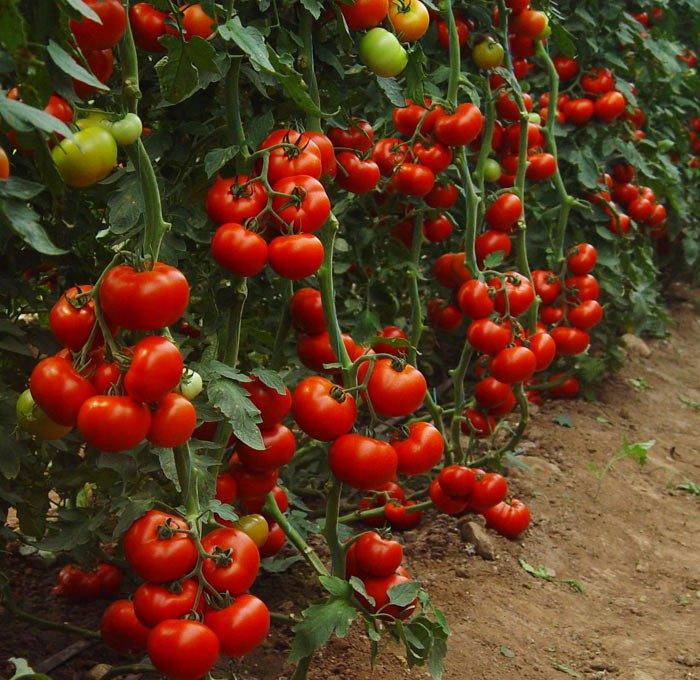
Hybrid tomatoes are gaining particular value and popularity today. Their fruits are the same size on both the upper and lower clusters, meaning they don't become smaller.
Video: "Tomato Varieties for Greenhouses"
The video's author discusses the characteristics of tomato varieties for greenhouses.
The best varieties for greenhouses
Greenhouse tomatoes come in a variety of varieties. They are usually chosen based on growing conditions and the size of the space. So, what are the best tomatoes for greenhouses?
- Honey Drop is ideal for greenhouse cultivation and produces medium-ripening fruits. The fruits are sweet, small, pear-like, and yellow in color.
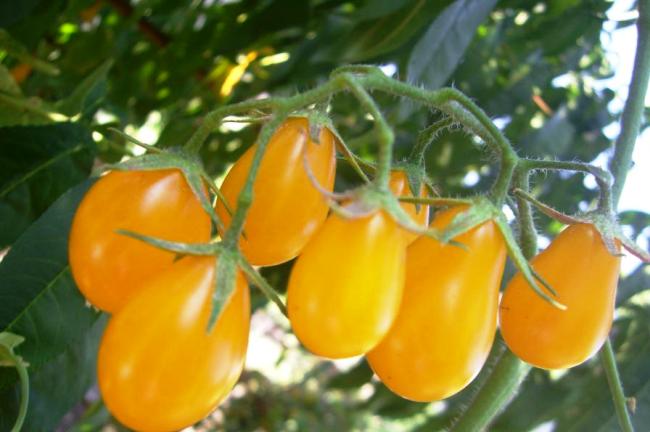
The variety's seedlings should be planted in mid-March, placing the seeds shallowly. They should be transplanted to their permanent location at the end of May.
Caring for this variety doesn't require much time or effort. Simply remove weeds promptly, regularly water the planted specimens, and loosen the soil. Fertilizing is also a key factor in yield. If proper care is taken, the first harvest will be ready as early as September.
- Gondola F1 is an indeterminate, mid-season tomato variety. The vines form clusters, and the fruits are red, firm, and store well. They often produce large fruits, weighing over half a kilogram.
The seeds are planted in early April. After a couple of leaves appear, the seedlings are pricked out. They are fed with complex fertilizers. They do not require any special care.
- Samara. The variety's description states that it was specially bred by agronomists for greenhouse cultivation. The tomato bush forms clusters. The fruits are medium-sized, sweet, and juicy. They are usually eaten raw or used for canning.
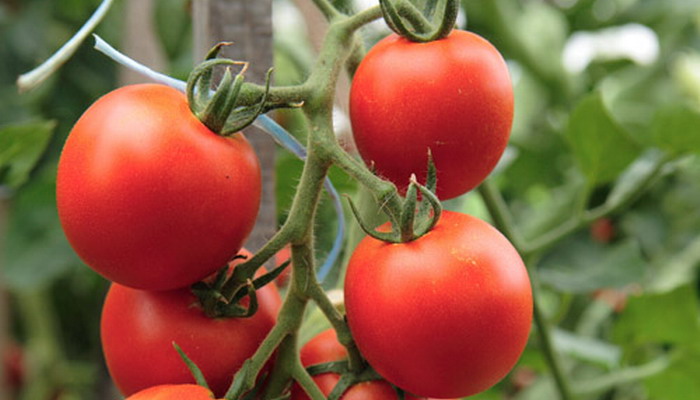
Sowing occurs in early spring. Six weeks later, at the end of April, the seedlings are transplanted into the greenhouse soil. After the inflorescences have formed, they are pinched off, leaving no more than five flowers per inflorescence.
- Hurricane F1 is a hybrid characterized by early ripening. The fruits are round, uniformly colored, and large. They are eaten raw and used for canning. The crop is virtually immune to late blight.
- Moneymaker offers indeterminate varieties. These annual plants are characterized by early maturity. Seedlings are planted in early spring and moved to the greenhouse in early summer.
The first fruits can be harvested in early July. The height of the specimens is approximately 1.8 meters. A mature fruit weighs approximately 0.1 kilograms. The fruits are red and juicy. The crop is resistant to pests and various plant diseases. This variety can be grown in almost any region, including the Irkutsk region.
- Long Keeper tomatoes are large and round, and take a long time to ripen. They are indeterminate, and the bush reaches a height of one and a half meters. In a greenhouse, an average yield of about 4 kilograms per bush is harvested per season.
This variety requires careful care: temperature regulation, staking and shaping of the plants, and proper watering. Plants are spaced as far apart as possible (on average, 1-3 per unit area). Fruit color varies depending on ripeness.
- Miracle of the Earth is a popular variety characterized by its rapid ripening. After the first shoots appear, a harvest can be obtained within three months. It is believed that this vegetable was bred for mass cultivation. The plant is resistant to drought, low or high humidity, and temperature. The fruits are easy to transport and can be stored for a long time.
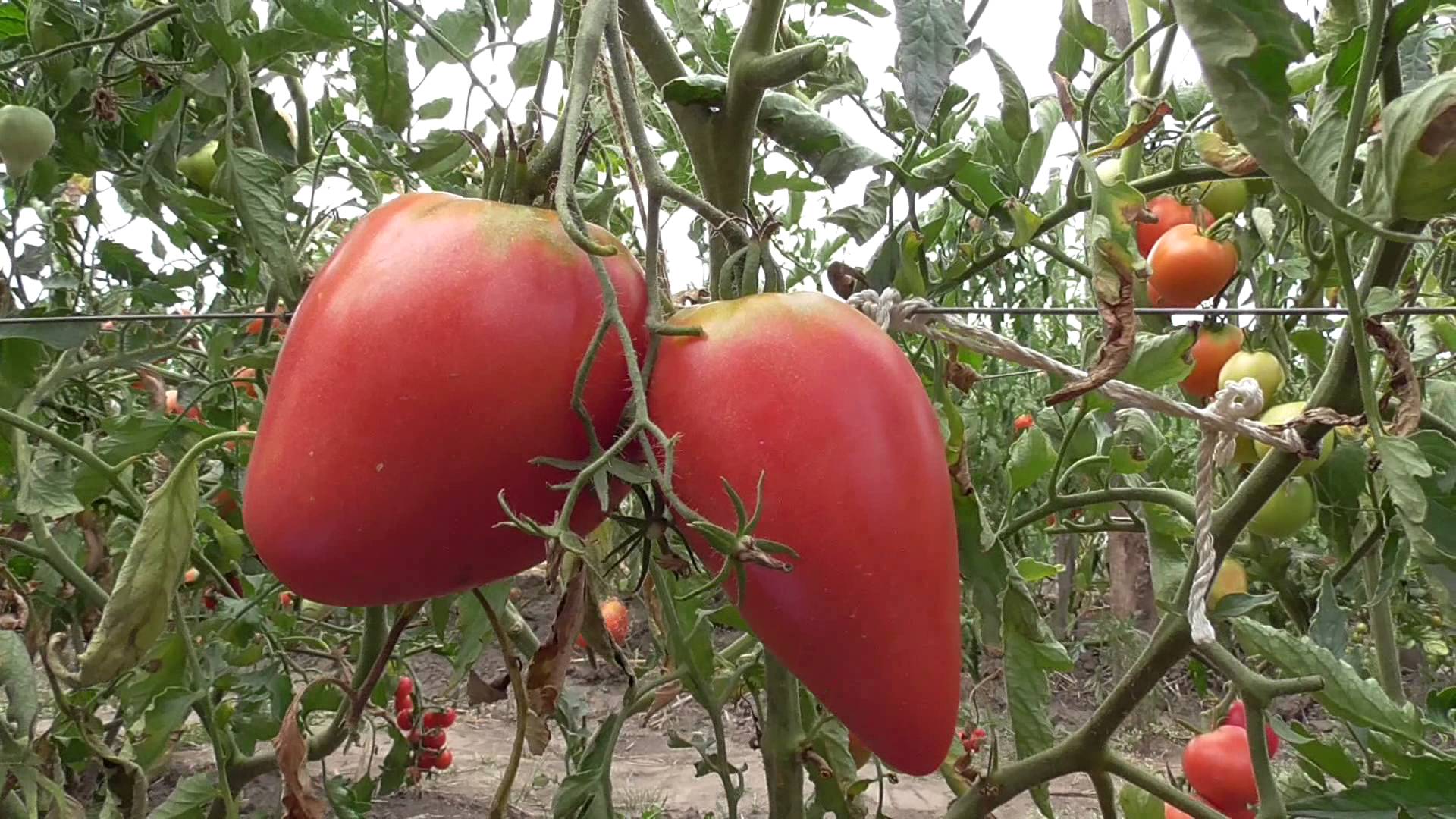 Miracle of the Earth is also characterized by high yields. A single bush can easily yield up to 4 kilograms of pink fruit per season. The tomatoes are heart-shaped, slightly elongated. They are quite large, weighing up to half a kilogram. Sometimes, the tomatoes can weigh as much as 900 grams.
The bush is trained on a trellis. Since tomatoes are indeterminate, staking them is essential for a successful harvest, even without consistent, adequate watering.
The vegetable bush can grow up to 1.5 meters in height. It requires support because numerous fruits form on the stem. Once formed, the tomatoes have a long shelf life and do not spoil or crack during transportation. Furthermore, pink tomatoes can be grown anywhere in the country. Therefore, it's safe to say that Miracle of the Earth vegetables are among the very best.
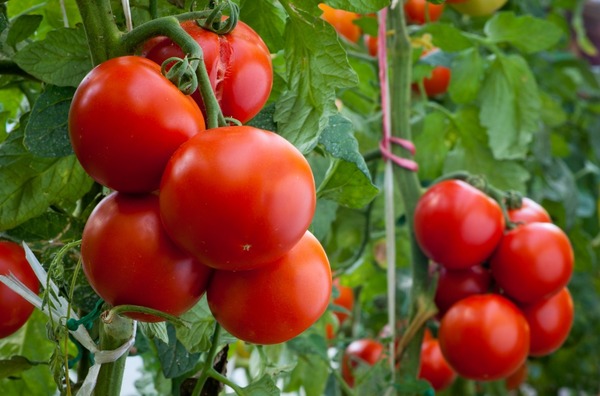
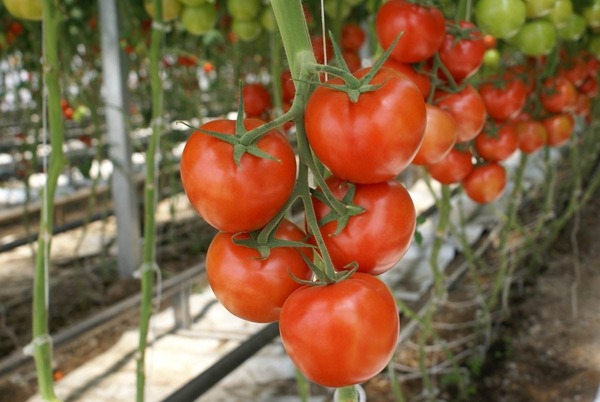
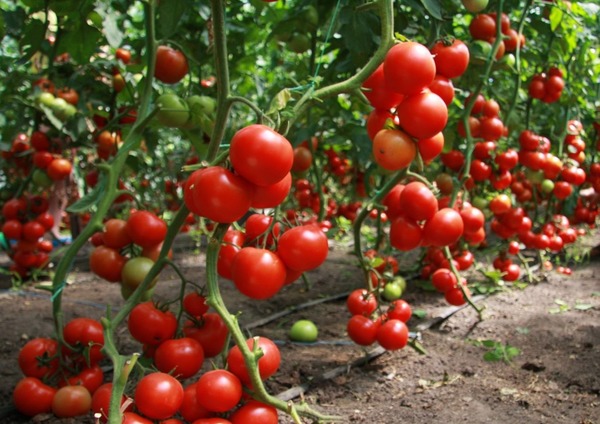
Tomatoes have always been a popular crop. Today, there are several varieties suitable for greenhouse cultivation. Determining which tomato varieties are best is easy. The key is to determine your harvest goals and, when choosing seeds, consider the conditions and size of your greenhouse.
Video: Growing Tomatoes in a Greenhouse
Watch the video for 5 rules for growing tomatoes in a greenhouse.