
The best tomato varieties: characteristics and description
Content
- 1 Varieties of varieties
- 2 Video: "The Best Varieties for Open Ground"
- 3 Selecting a variety
- 4 Early tomato varieties
- 5 What varieties to plant in a greenhouse
- 6 Low-growing tomatoes for open ground without pinching
- 7 Low-growing tomato varieties for open ground
- 8 Tomato seeds from collectors
- 9 Video "Collectible Tomato Varieties"
Varieties of varieties
There are a huge number of tomato varieties in nature. What we see at markets and in grocery stores represents only a small fraction of the entire diversity. Therefore, when you decide to grow this crop yourself, you'll face the challenge of choosing varieties and types, with the main selection criteria being taste, aroma, transportation, canning potential, quality, and ease of care.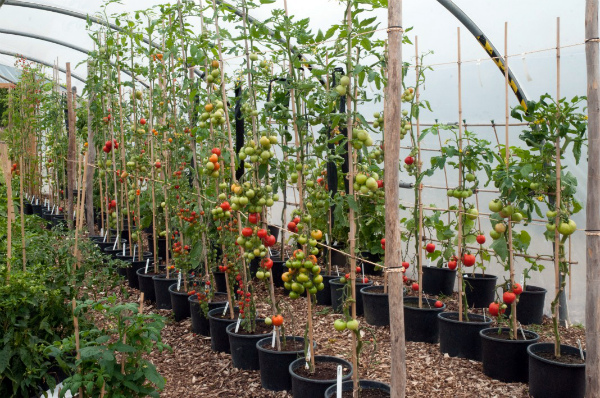
Choosing just one variety can be difficult, as some produce average yields, available in stores and markets, but with superior flavor and quality. Other tomato varieties are designed for greenhouse conditions.
Tomato plants are divided into three main types: indeterminate (tall), determinate (low), and dwarf (for hanging baskets). Each type has its own characteristics and requirements for planting, care, growth conditions, and fruit set.
Indeterminate varieties are tall plants that require support and staking. When staking the bushes, side shoots are removed, and the tops are removed to form fruit. This encourages vigorous growth. Fruit ripens at different times on plants of this variety.
This determinate (low-growing) variety differs greatly from the previous one in its low maintenance requirements. Most plants of this type do not require staking, tying, pruning, or pinching. However, these varieties also have their drawbacks: the close proximity of the fruit to the ground complicates harvesting and makes them vulnerable to insects. Another problem is that all the fruits on a single bush ripen at the same time, leading to overproduction. However, this situation can be remedied by planting seedlings of this type early.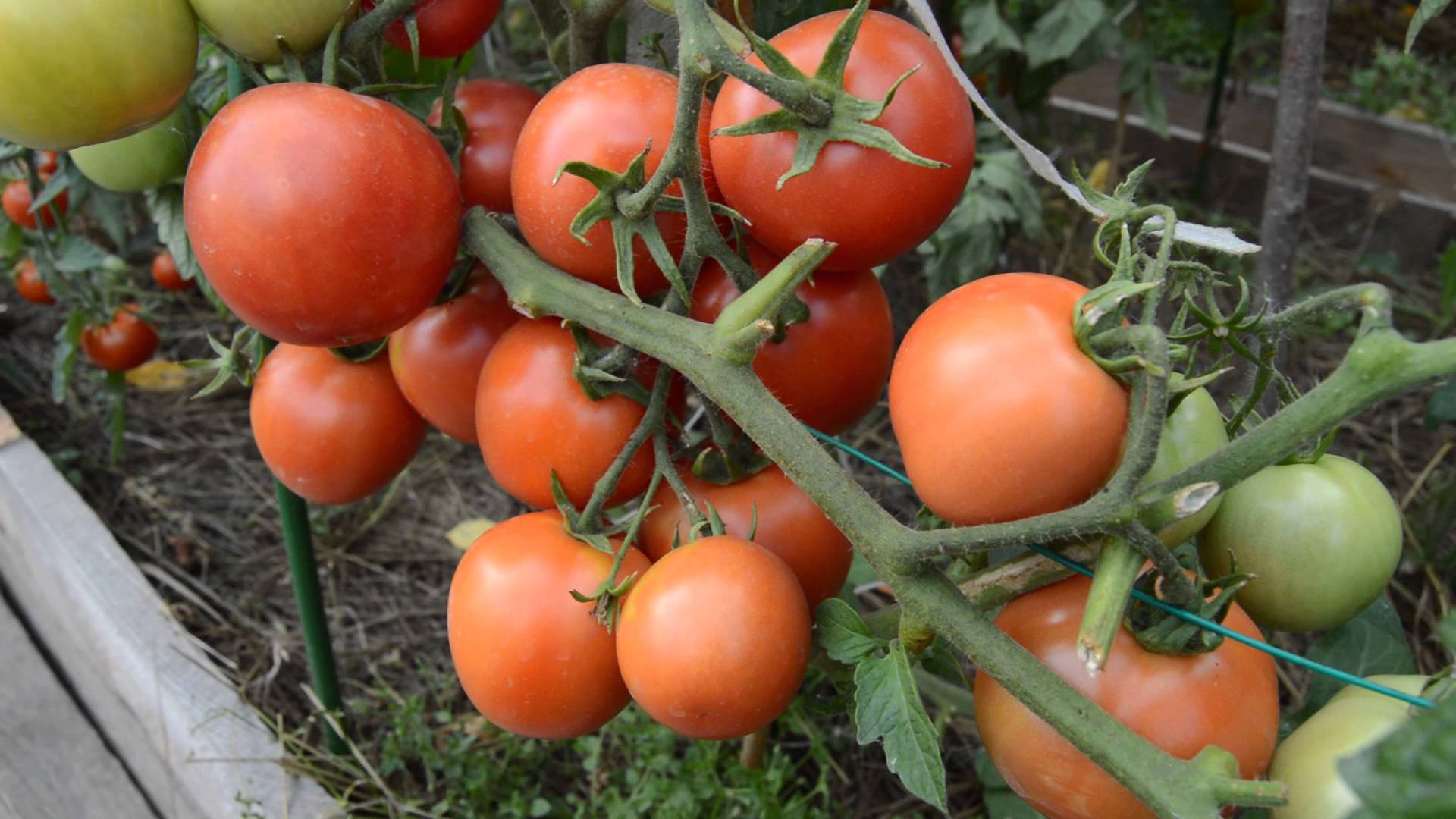
Dwarf (a variety for hanging baskets) is characterized by a smaller size compared to standard determinate varieties. They were bred for growing in special containers, similar to hanging baskets. The small, low-growing plants produce medium-sized fruits known as cherry tomatoes.
Video: "The Best Varieties for Open Ground"
This video will tell you about the best tomato varieties for open ground.
Selecting a variety
When choosing the best tomato varieties, it's important to avoid a common mistake among gardeners: relying on the sincerity of consultants at agricultural supply stores. A common scenario is when, after purchasing the best tomato seeds based on the seller's recommendation, the promised growth and harvest fail to materialize.
There are many reasons for such consequences, one of which is the geographic location of the plot allocated for the best tomatoes. As a rule, each tomato variety thrives in specific climate conditions. Otherwise, expecting a large harvest is pointless.
Before you decide to buy the best tomato seeds, it's worth finding out which varieties grow in your region. Otherwise, you'll greatly complicate the process of caring for plants that weren't intended for growing in your area.
Since the Rostov region's seeds for the best tomato varieties are found in favorable conditions, and the warm climate makes it possible to grow them without greenhouses, it's worth taking a closer look at choosing a specific variety.
With so many popular tomato varieties to choose from, it's hard to stay focused. Before planting, you need to decide what kind of tomato you want to grow. For example, early varieties for this region that show excellent characteristics include: Razrem, Evgeniya, Krasno Solnyshko, Admiral, and others.
Early tomato varieties
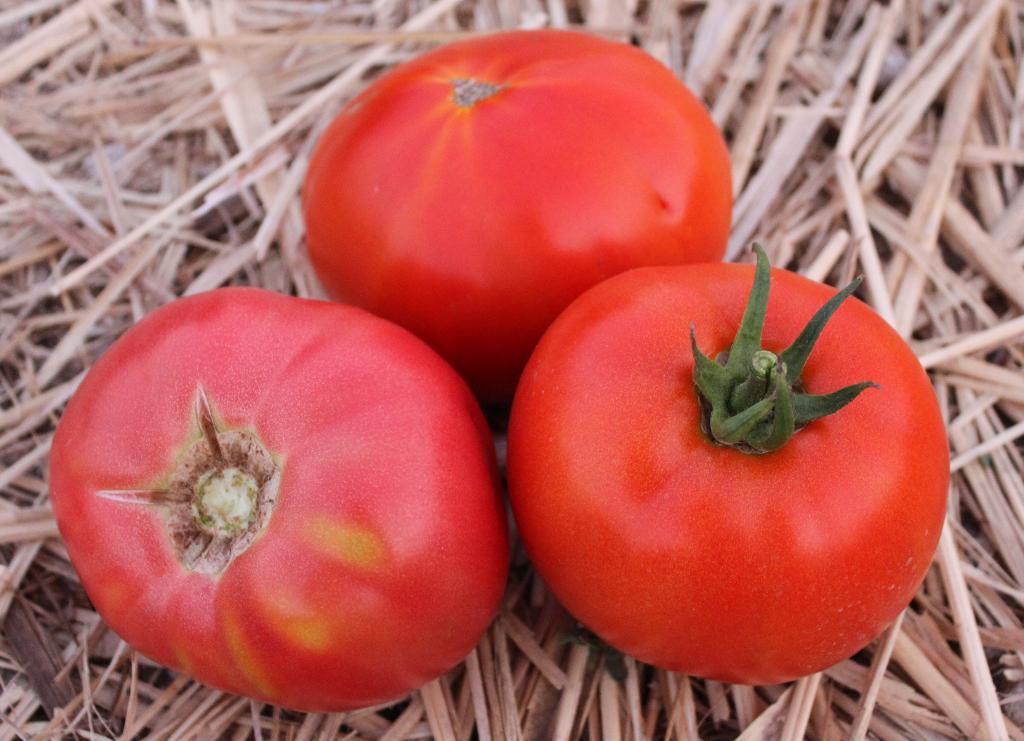
This variety has a number of advantages: early fruiting (ripe tomatoes form by May-June) and fruiting several times per season. Early-ripening tomato crops are grown from seedlings. Planting is done in the spring in fertilized soil (prepared in the fall), with careful protection from frosts, which occur in early spring.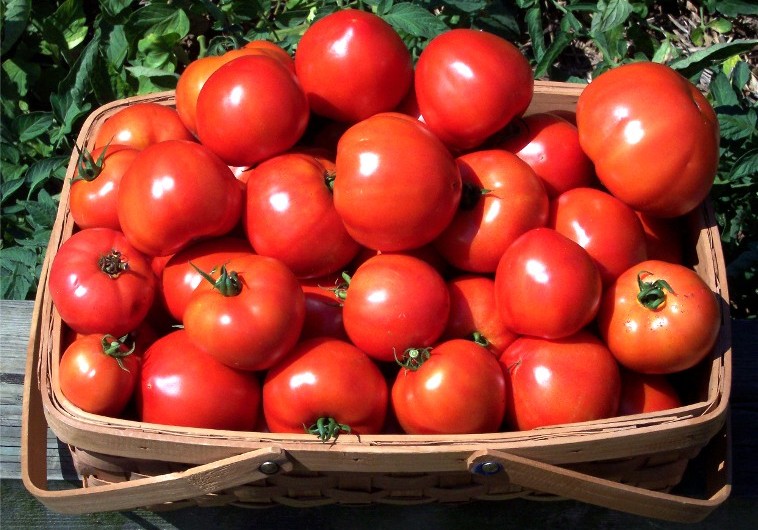
The most popular varieties of early ripening tomato crops are considered to be:
- Waterfall is preferably grown in greenhouses. The bush grows up to a meter tall, yields a small harvest, and is good for pickling.
- Alpha is an early-ripening variety, suitable for growing outdoors and in greenhouses. The plant grows to a height of no more than half a meter, with medium-sized fruits suitable for fresh harvesting. It takes about three months from planting to harvest.
- Amur Standard is an easy-to-grow early variety that doesn't require side shoots. It can be grown both in a greenhouse and in a garden, with the fruit ripening in up to 95 days. The yield is large and not suitable for processing.
- Aphrodite F1 is an ultra-early variety. Suitable for open ground, the fruits are large and easy to transport. They are used both fresh and processed.

- Ilyich is suitable for winter preservation, which is why it's especially popular with gardeners. The fruits are medium-sized but numerous. It's resistant to tomato diseases.
- Marisha is a salad variety that travels well. The plant grows up to 45 cm tall, and the fruits are small.
- Sanka is an ultra-early variety with uniform ripening of medium-sized tomatoes.
What varieties to plant in a greenhouse
To ensure the best possible results in terms of a large harvest, it is important to know which varieties are suitable for planting in open ground and which, on the contrary, are intended for greenhouses.
When choosing a tomato variety, it is important to know what the tomatoes will be used for: fresh consumption or winter storage.
Popular (best) varieties suitable for growing in a greenhouse are considered to be the following:
- The Honey Drop variety is mid-season, with sweet fruits weighing 40 grams each. Seedlings are grown from March 15th, at temperatures up to 23°C for successful development. They are planted in late spring, using a 70x40 cm pattern. It is easy to care for. Under optimal conditions and proper care, the harvest will be ready in early fall.
- Gondola F1 is an indeterminate tomato hybrid with a medium ripening time and high yield. The tomatoes are excellent commercial quality and firm, weighing approximately 180-500g. They are used for preserves. Seeds are sown in early April; when two leaves emerge, the seedlings are pricked out. They are planted in a 50x60 cm pattern. Timely irrigation is key.
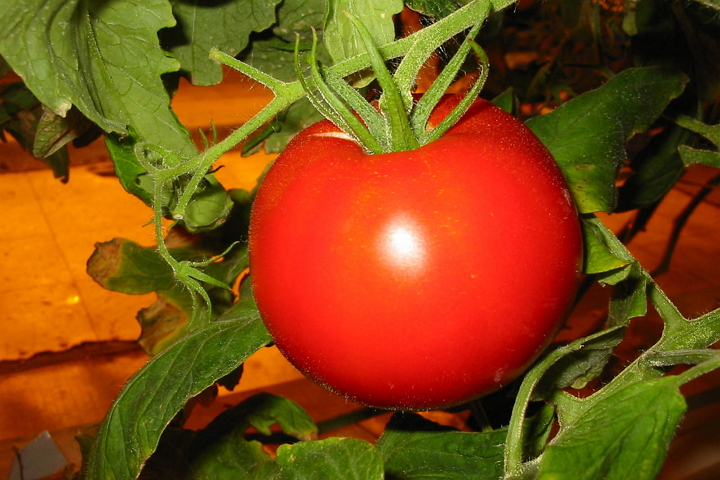
- Samara is suitable only for greenhouse cultivation. The tomatoes are large, sweet, sugary, and fleshy, weighing up to 100 g. The harvest is suitable for canning. Cultivation begins in early March, and transplanting is standard. During the seedling growth stage, additional, abundant light is required. On average, after 50-55 days, the seedlings are transferred to greenhouse soil. Seedlings are planted in a 60x40 cm pattern; additional lighting is also necessary during this period. When the flowers bloom, pinch the plants, leaving no more than five flowers in each inflorescence.
- Hurricane F1 is an early-ripening hybrid that begins bearing fruit 90 days after the first shoots emerge. Each inflorescence produces 6-8 tomatoes, each weighing up to 100 grams. Yields range from 8 to 10 kg/m². It's ideal for preserves.
- Moneymaker, a well-established subspecies, is an early-ripening variety. Seedlings are germinated in March and transplanted to the greenhouse in early summer, using a 70x50 cm pattern. Fruiting begins in mid-July. The plant grows up to 190 cm tall, with seven clusters bearing up to 15 tomatoes, each weighing up to 100 g when ripe.
-
Low-growing tomatoes for open ground without pinching
With the current diversity of species, many gardeners have come to love the low-growing tomato varieties that don't require pinching and are grown in their plots.
Plants that do not require pinching cause less trouble for the owner of the plot, while traditional types of tomato crops that require this procedure raise many questions even for experienced gardeners.
Low-growing (standard) varieties are characterized by a vigorous, low-growing bush with small spaces between leaves. This variety is typically popular in agricultural production and grown in fields.
The plant does not require support, and its positive characteristics include easy transportation and good yield.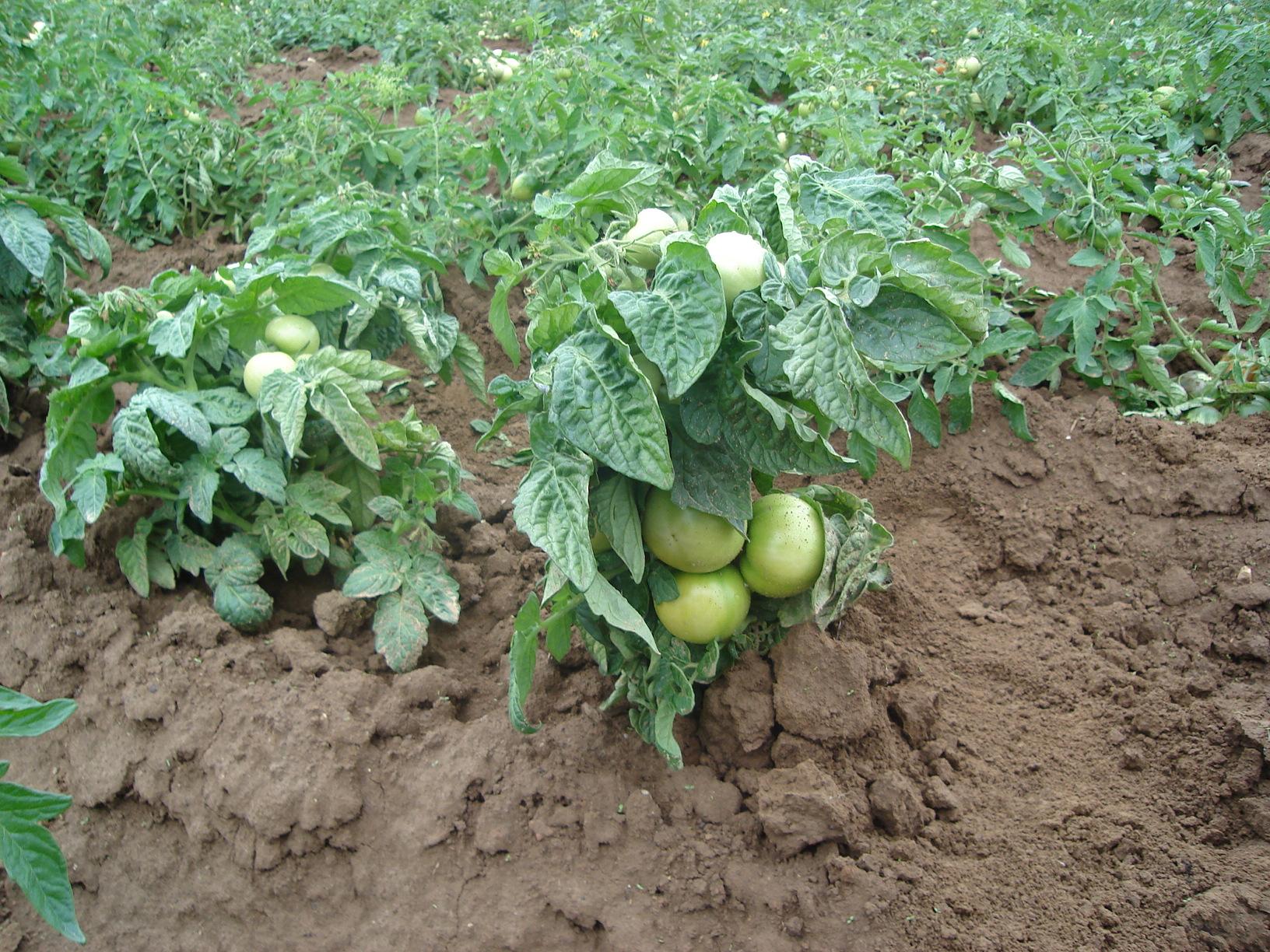
They thrive in large areas where cultivation on an industrial and semi-industrial scale is envisaged.
Low-growing tomato varieties for open ground that don't require pinching are extremely diverse, including salad varieties with large and small tomatoes, and dwarf ornamental varieties. These varieties boast early and consistent harvesting.
The best large-fruited varieties are considered to be:
- Demidov is a mid-season variety, with first fruits appearing before 100-110 days. The bush grows to a height of no more than 70 cm. The fruits are large, weighing 130-200 g. They are suitable for preserves. Its advantages include flavor, resistance to tomato diseases, and excellent transportability.
- Raspberry Viscount is an early-ripening variety, with harvests taking 95-100 days. The bush grows to less than half a meter in height. The fruits are up to 250 g, raspberry-colored, and flattened and round. Suitable for salads and tomato juice.
- Danko is a high-yielding, early variety with large tomatoes weighing up to 500 g. The bush does not exceed 55 cm. It is used for salads.
Among the medium-fruited varieties, the following stand out: Lord, Turboreaktivny, Damskie Fingers, and Dubok.
Low-growing tomato varieties for open ground
This variety is characterized by an early harvest and the end of bush growth after five clusters have formed.
The Riddle is considered the best representative of this variety. Crimson-hued tomatoes, weighing up to 200 grams, ripen early. The bushes don't exceed 45 cm in height. The stems are strong, with abundant foliage, and don't require additional staking. Disadvantages include the need to remove the constantly growing side shoots, which are often used as planting material for propagation (they root successfully in the soil). Side shoots bear fruit only a couple of weeks later. If side shoots are left, the harvest will be small.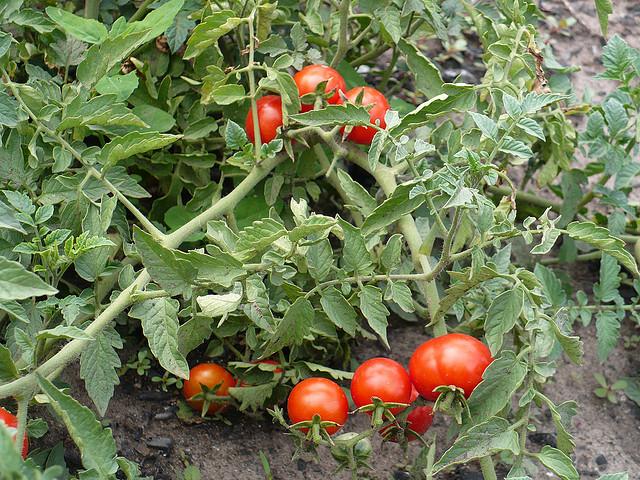
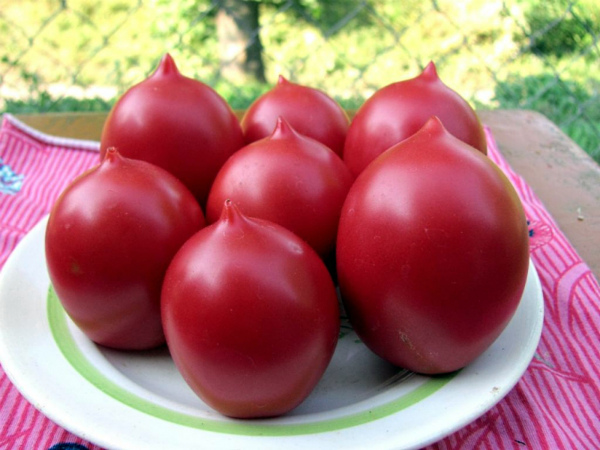
The Raspberry Giant produces large, early-ripening tomatoes, reaching up to 700 g. A single cluster produces six large tomatoes, which ripen to a delicate pink color with a pleasant aroma. With proper care, it yields up to 15 kg. The crop ripens in four months.
Anastasia is an ultra-early variety with tall bushes, producing up to 8-10 tomatoes weighing up to 200 grams each on a single cluster. With proper care, the yield can reach 13 kg per crop.
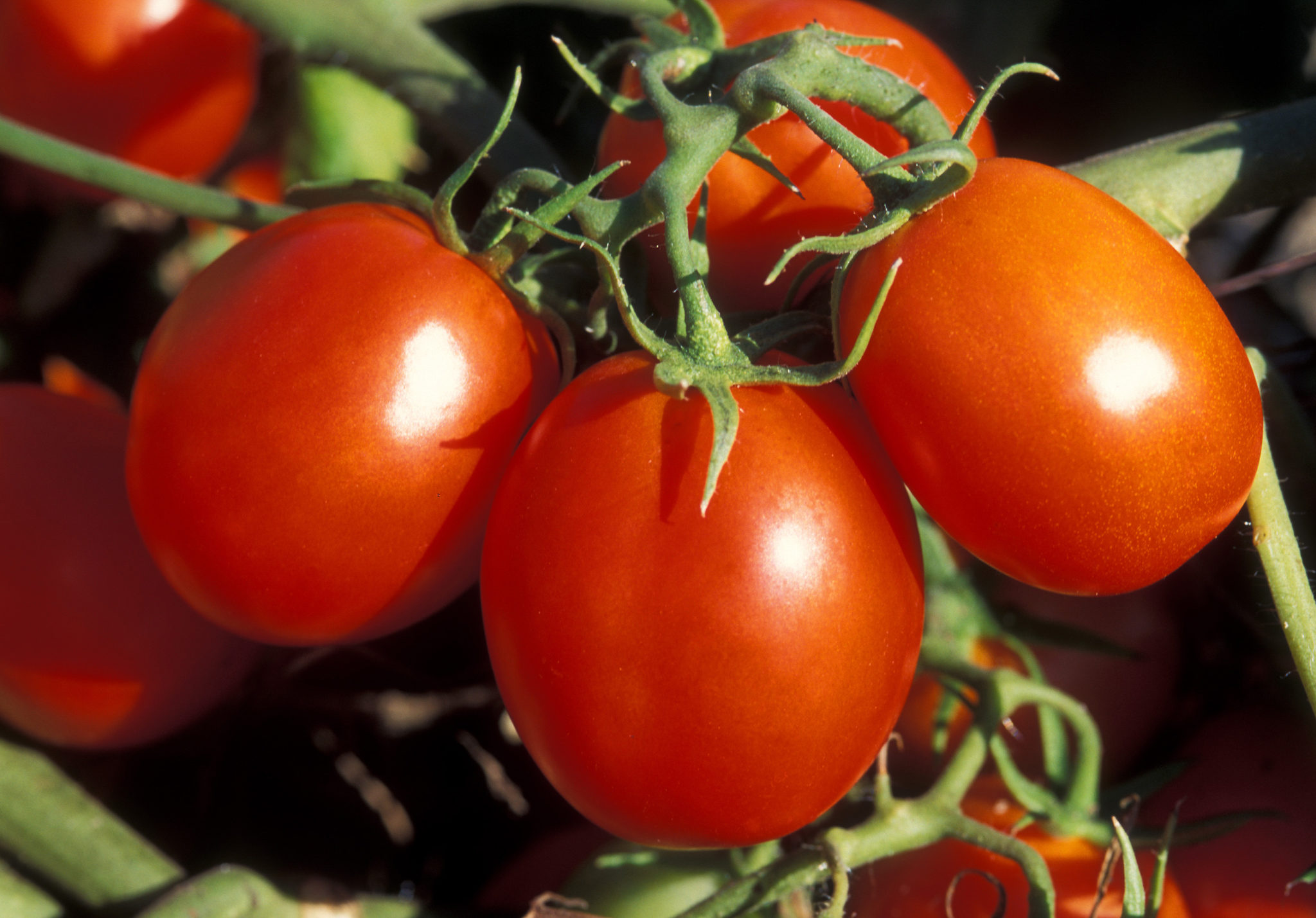
Roma is a mid-season "Dutch" variety with plum-shaped tomatoes weighing up to 100 g each. A single cluster produces up to 15 tomatoes, making them ideal for canning and marinating.
Rio De Grande is a low-growing bush, not exceeding 55 cm. The fruits are small, weighing up to 130 g, and are good for pickling.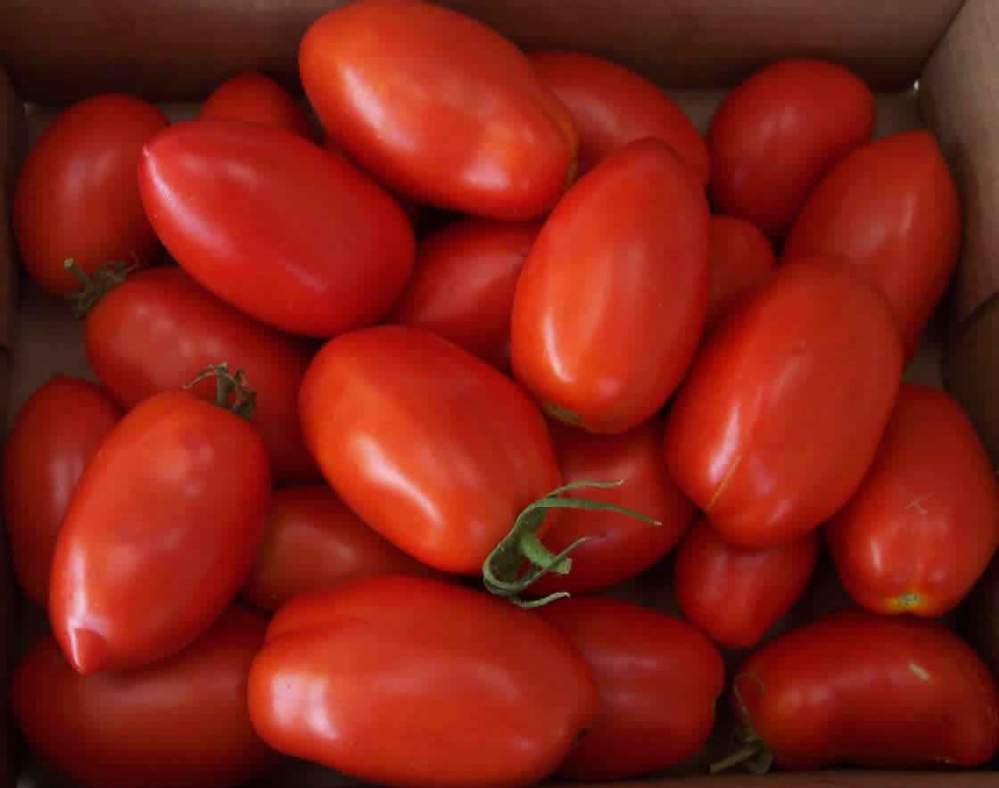
Watercolor – the bush grows up to 50 cm. Tomatoes form and fully ripen in three months, have a conical shape, are dense, weighing 120 g.
The varieties listed are the best of the determinate varieties. On average, plants of these species do not exceed 70 centimeters. Because these dwarf varieties have small root systems, they require little space. And thanks to their rapid ripening, they are virtually immune to late blight.
Tomato seeds from collectors
Seeds of good, rare, and original varieties are purchased from collectors—breeders who develop new or distribute established and tested tomato varieties.
Typically, these are original seeds. Among the well-known tomato seed collectors from Russia and Ukraine are: V. Redko (her collection comprises over 1,040 high-quality and proven varieties), V. Medvedev (with a large collection of high-yielding tomato seeds, tested by gardeners in many private and commercial plots), the Kovalenko family (a variety of seeds, even of the most exotic varieties, and many rare and unusual tomato seeds), and others.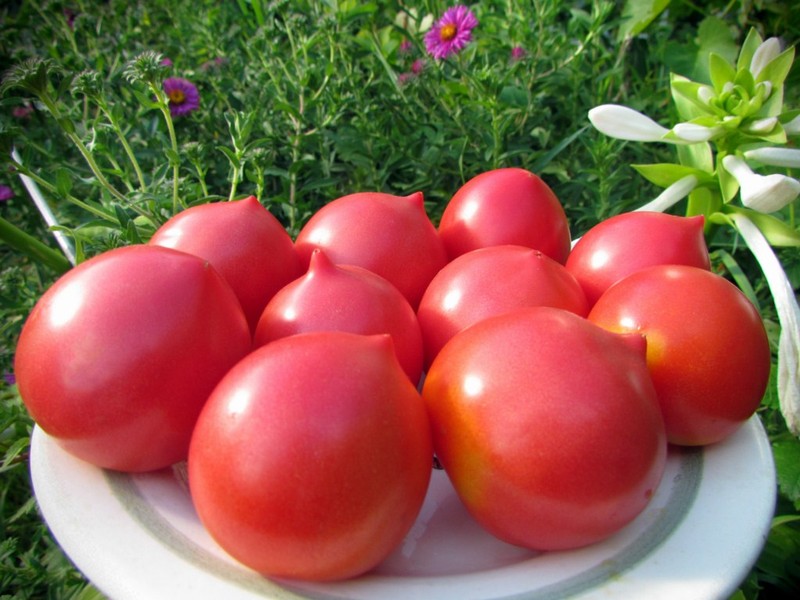
The variety of tomato seed varieties in the collections of people collecting them commercially is simply enormous. Therefore, you can purchase a wide variety of seeds by carefully reviewing the catalog, but it is recommended to purchase from trusted, reputable collectors.
Video "Collectible Tomato Varieties"
This video will tell you about collectible tomato varieties.