
Tomato variety "Strawberry tree": description of the hybrid
Content
Description of the variety
The story of this variety is just beginning. It was registered quite recently, in 2013. It is part of a series of varieties from the Altai seed company "Sibirsky Sad" with the impressive name "Sibiriada." It is mid-season, with the period from mass germination to the beginning of fruiting taking 112-115 days. The trunks are strong and tall—up to 2 m—of indeterminate growth, forming six beautiful clusters as they grow. The distances between nodes are shortened, so the clusters are located close together. This feature gives the tomato bush a tree-like appearance.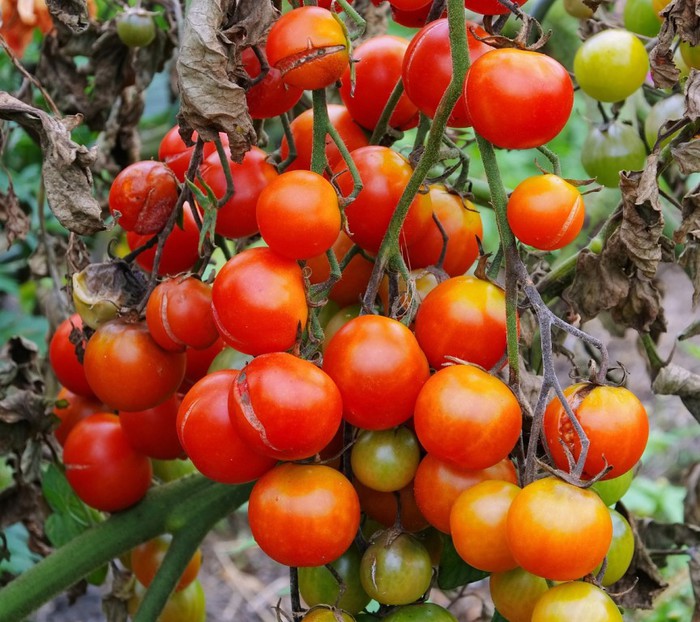
Siberian breeders recommend growing their brainchild in a greenhouse, but experience shows it grows well in open ground. With proper care, the yield is 12 kg per square meter. The variety is relatively resistant to low temperatures and daily temperature fluctuations. It is nearly as resistant to major diseases as its hybrid counterparts.
Video: Pricking out tomato seedlings
The author of this video shares his experience of transplanting tomato seedlings at home.
Advantages and disadvantages
The advantages include the following characteristics:
- high yield - 5 kg per bush (at the level of the well-known De Barao variety);
- resistance to temperature changes;
- resistance to diseases such as verticillium wilt and tobacco mosaic virus;
- high commercial quality of large fruits;
- decorative appearance.
-
It does have one drawback: it doesn't tolerate drought well. The need for staking isn't a drawback, as the variety is advertised as tall.
Fruit characteristics
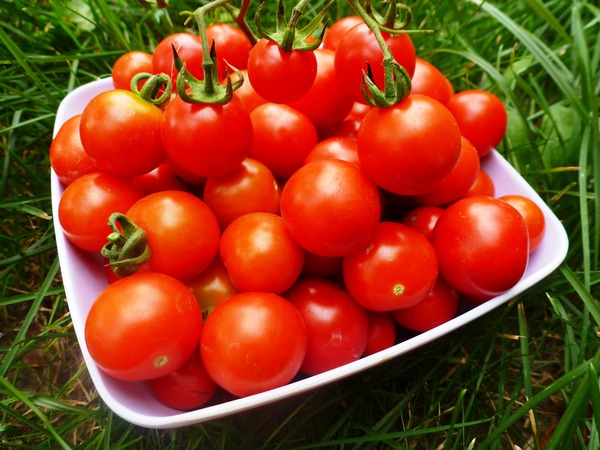
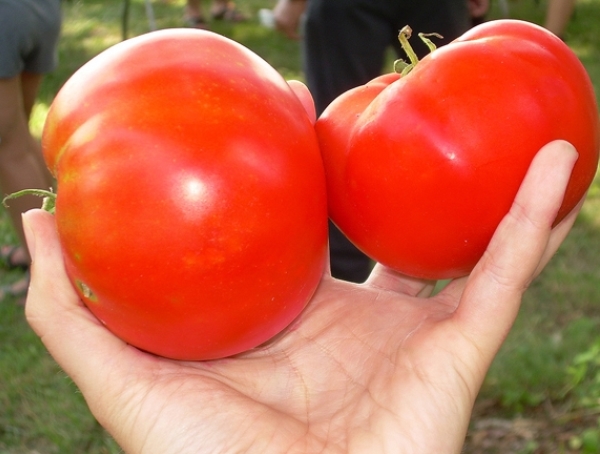
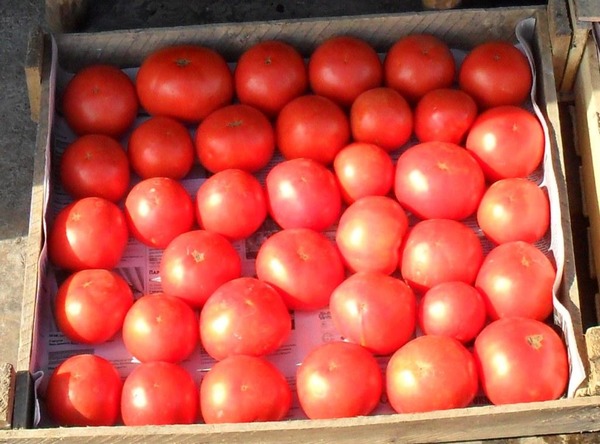
Strawberry Tree tomatoes match the berry's name in color and shape. They are large, weighing 200-250 g. Each cluster produces 5-7 tomatoes. The fruits are firm, so they don't bruise during transportation. 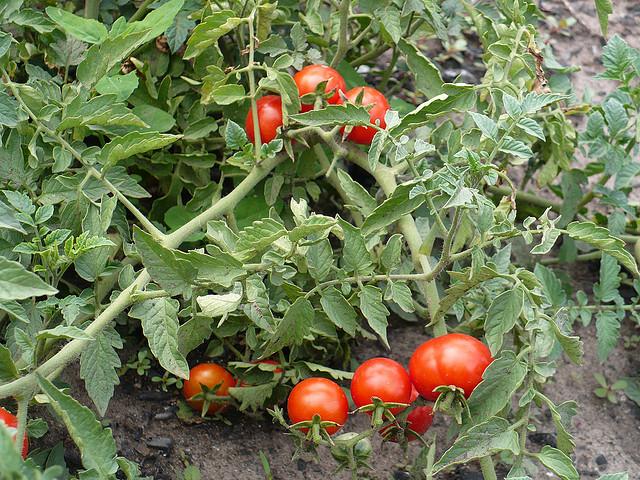 Its excellent flavor profile allows it to be used in any form—fresh or canned. Its high dry matter content makes it ideal for making juices and tomato paste.
Features of cultivation
Seedling cultivation begins in March. Seeds must be disinfected.
The next tactic is common to all tomato varieties: avoid overwatering and prevent the seedlings from becoming stretched. In greenhouses and outdoor beds, the plants are spaced sparsely—3 roots per meter. Since the variety is indeterminate, it is trained into a single stem.
Side shoots begin to form almost simultaneously with the first flower cluster. As an experiment, you can leave the first side shoot, wait for it to develop a flower cluster, and pinch it off just above the two upper leaves.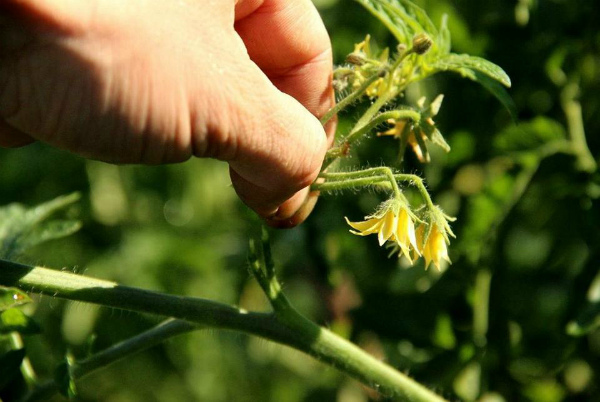
All remaining shoots are regularly removed, with the plants carefully inspected once a week. To prevent the roots from drying out (critical for this tomato), the soil beneath the plants should be mulched. The stem, which grows without limit, should be pinched in August, after the fifth or sixth cluster has formed; the remaining fruits will not ripen anyway. To speed up ripening, remove all leaves from under the clusters where the fruits have reached their maximum size but are far from ripe. This should begin in late May, removing no more than three leaves at a time. The fruits are picked when brown and set aside to ripen. This does not affect their flavor. This method will help the maximum number of tomatoes ripen before the onset of cold weather. Long stems with large, heavy fruits require staking to a trellis.
Diseases and pests
Given the good resistance to most diseases, fungal infections, which affect all tomato varieties and hybrids without exception, are of particular concern:
- Alternaria, or dry spot, develops before late blight. It thrives in daytime heat (25-30 degrees Celsius) and nighttime dew. The disease first appears on the leaves as round, dry spots, then spreads to the stem and attacks the fruit. The fruit becomes covered in dry, brown circles with a concave center covered in a black coating.
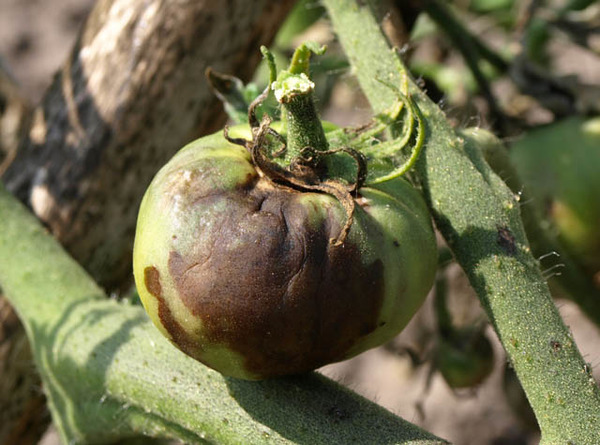
- Late blight progresses with increased humidity and lower temperatures. Brown spots with a grayish bloom quickly spread across leaves and stems. Dark, diffuse spots form on tomatoes, gradually spreading over the entire surface.
To combat the disease, preventative treatment with fungicides is used. Tomatoes can be treated no more than four times during the season. The final spraying should be done no later than 20 days before the crop ripens.
Pests don't like this variety of tomatoes any more than any other.
Video "Diseases and Pests"
From the video you will learn what can harm your tomato crop.