
The easy-to-grow tomato variety 'Königsberg': characteristics and care
Content
Characteristics and description of the variety
The Königsberg tomato variety, as its description suggests, is considered a mid-season variety. The plant can be successfully grown both in open ground and in a greenhouse. Moreover, when planted outdoors, tomatoes adapt to environmental conditions quite quickly.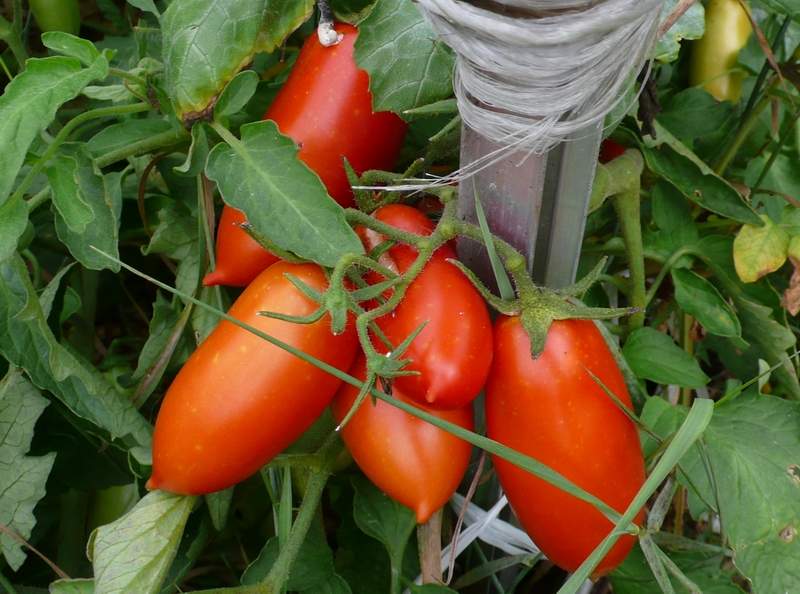
Main features of the variety:
- the vegetable takes root well in almost any conditions;
- gives constant, stable yields;
- shows resistance to many diseases;
- It is represented by several species that differ from each other in the color of their fruits.
An advantage of this variety is its good tolerance to temperature fluctuations during the day and evening. It is also resistant to early frosts. Neither prolonged rains nor summer droughts reduce the variety's yield.
This tomato crop can be harvested even in areas where the summer is very short and the climate and weather conditions are too harsh for growing other varieties. These characteristics make this variety distinctly different from other vegetables that tend to ripen early. Furthermore, as the description states, Königsberg fruits are significantly richer in vitamins and other nutrients and have a more pleasant taste.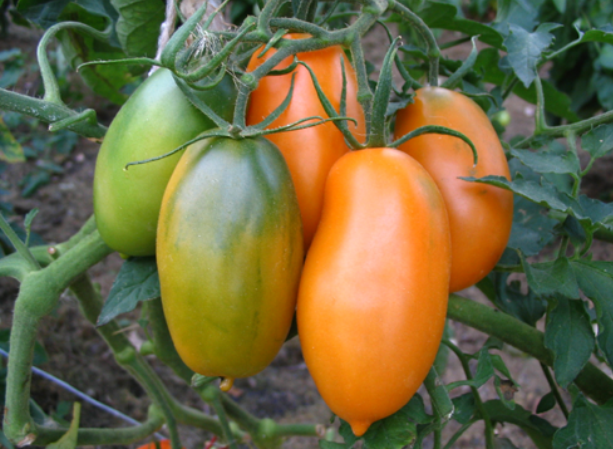
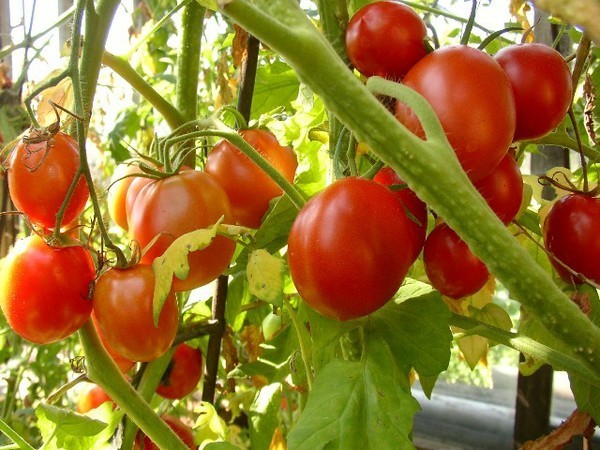
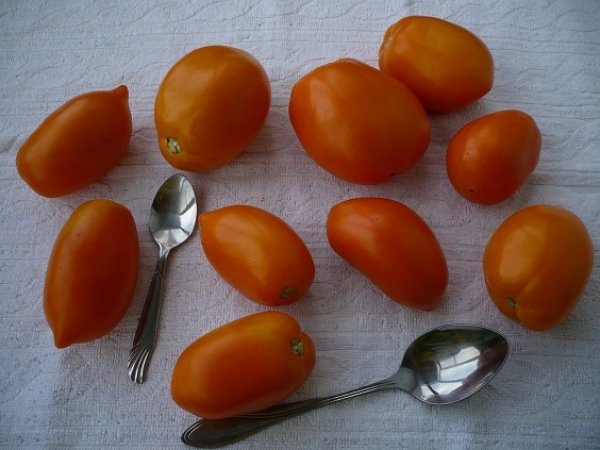
Gardeners can grow tomatoes that are heart-shaped or pepper-shaped, and red or yellow. The yellow-fruited variety is called the Golden Königsberg tomato.
Video "Description of the Königsberg variety"
From the video you will learn the features of this tomato variety.
Growing recommendations
Describing the cultivation techniques for Königsberg, like any other vegetable, begins with selecting and purchasing seed. Unfortunately, there are quite a few seed producers today who imitate well-known companies. Distinguishing the original from a counterfeit is very difficult, as they all have identical appearances and similar descriptions on the back of the packaging. Therefore, it's best to purchase seed only from elite producers, preferably from trusted sources. The key steps for sowing and planting seedlings are similar to those for other mid-season crops.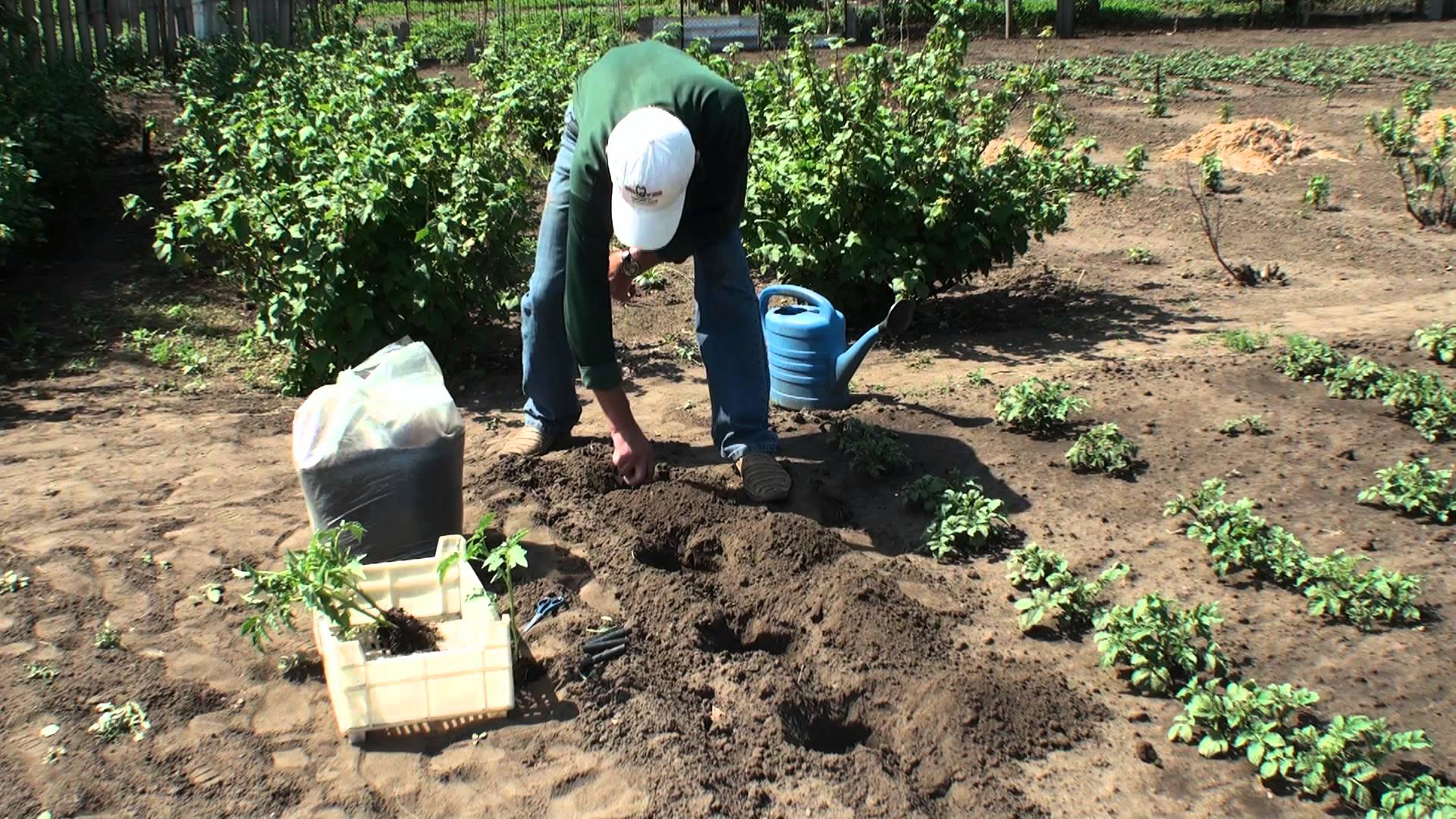
The key points of agricultural technology are:
- It is worth sowing seedlings a couple of months before the planned transplantation into unprotected soil;
- It is better to grow seedlings in a warm room with an air temperature of 22° – 26°;
- When planting young plants in the ground, it is necessary to place no more than 3 plants per unit area;
- This variety is considered indeterminate and grows tall. Therefore, it's best to tie these bushes to a support.
Before planting, pay attention to the soil. The soil in which you plan to grow tomatoes must be prepared in advance.
The soil should be treated with special agents that can prevent fungal growth. After this, universal superphosphate should be added to the soil. Once the first shoots appear on the surface, they should be treated with growth-promoting substances.
Such measures help activate the formation of the future harvest and accelerate the growth of plants. During ovary formation and fruit emergence, the soil requires fertilization with special preparations containing essential micronutrients. This fertilizer should be applied at least three times.
If you plan to grow tomatoes in colder regions of the country, you'll need additional protection. To do this, you can simply create a simple structure using arches and stretch polyethylene film over them. This structure will protect young plants from severe cold and other weather extremes.
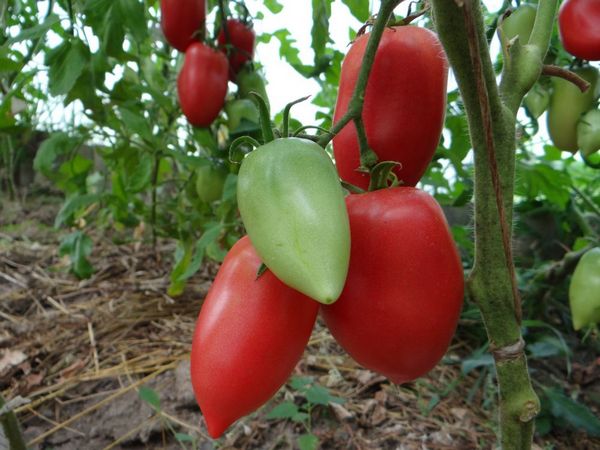
The description of caring for this variety of plants is not particularly different from caring for other tall plants:
- It is necessary to ensure that the bush is formed into 2 stems. The remaining shoots should be removed;
- because the bush grows tall, it needs to be tied up;
- the variety should grow on a trellis, which is fixed in a vertical or horizontal position;
- Once about 8 clusters have formed, the bush needs to be restricted in growth. To do this, simply cut off the growing point;
- To allow the soil to ventilate, it is worth removing all the lower leaves of the bush.
Diseases and pests
As for vegetable diseases, the most dangerous is blossom-end rot, which can appear while the fruit is still green. It appears as a spot located at the base of the fruit. As the tomato ripens, the spot dries and sinks into the tomato, affecting the entire tomato. The main causes of blossom-end rot include:
- disturbance in the plant's water exchange;
- insufficient humidification in conditions of high air temperature;
- calcium deficiency in the crop.
When the first signs of disease are detected, carefully inspect all vegetables in the garden. Any spots should be removed immediately. Water with warm water in the evenings, taking care not to allow the leaves to come into contact with moisture. Calcium deficiency can easily be remedied by adding a handful of eggshells to the planting holes. Spraying the plants with a 10% potassium nitrate solution will also help.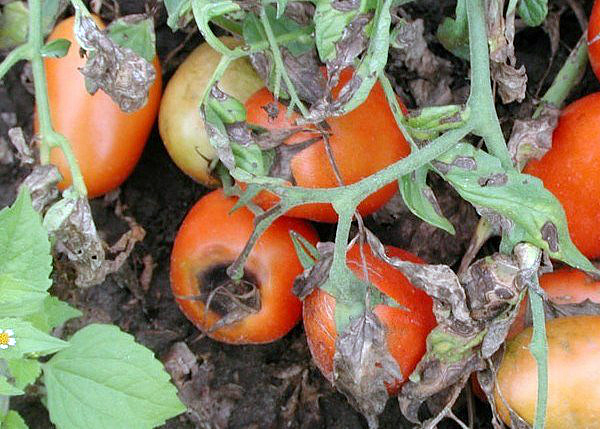
So, the Königsberg tomato variety stands out from its closest relatives with its excellent taste and the versatility of its fruit. Its high carotene content also speaks volumes. That's why some call it "the apricot from Siberia." Grow this variety, as it can not only enhance your garden but also benefit your family.
Video: Growing Koenigsberg Tomatoes
From the video you will learn how to grow this variety of tomatoes.