
The best tomato varieties for open ground
Content
Classification of varieties
Tomatoes are a crop with a wide variety of cultivars. Therefore, gardeners can easily choose a vegetable that requires little care, is tolerant of high or low temperatures, and produces fleshier, sweeter or juicier, tart fruits.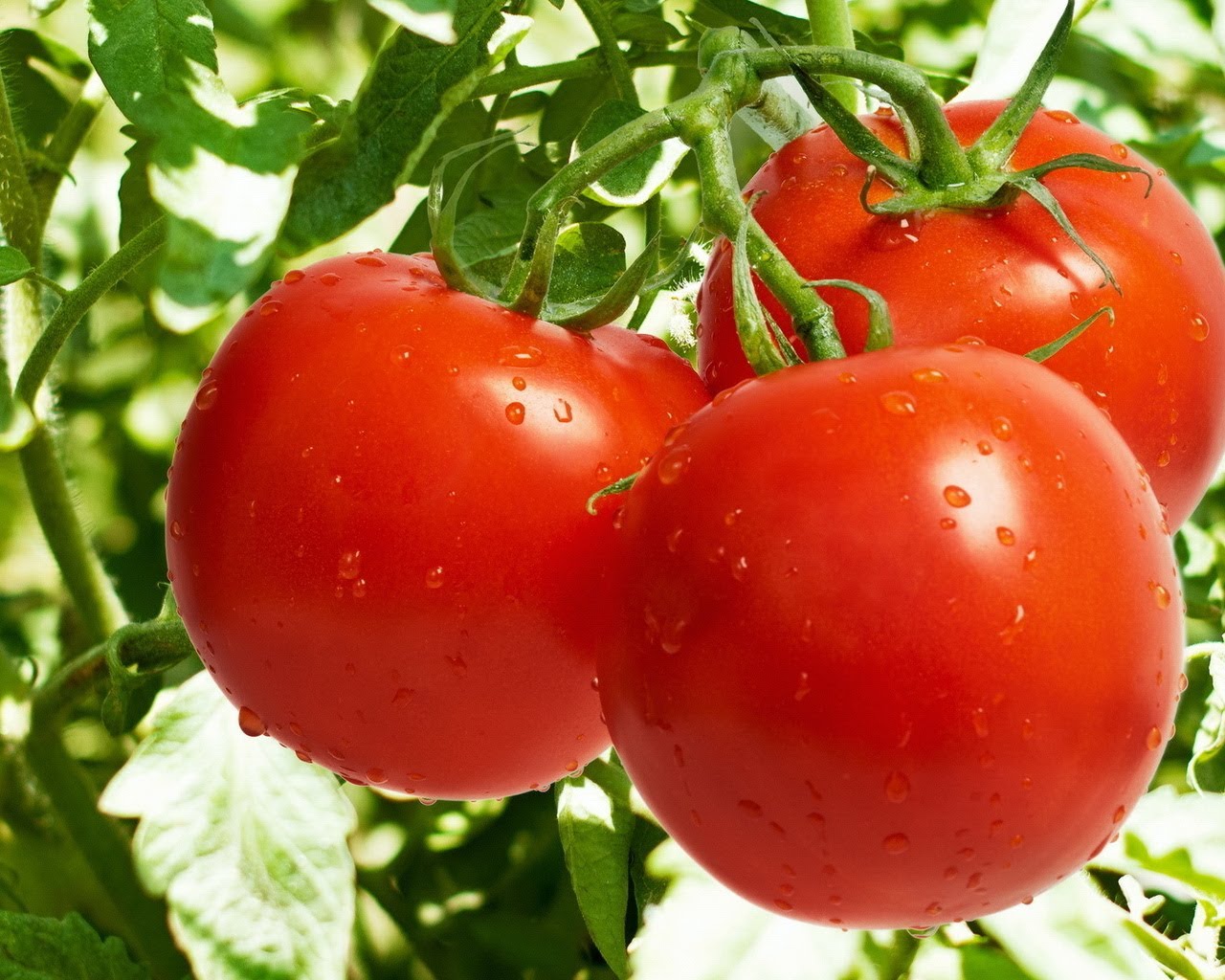
Depending on the maximum size a bush can grow, all tomato varieties for open ground are divided into:
- Low-growing (determinate);
- Tall (indeterminate).
Determinate stems typically grow from 0.5 meters to 1.2 meters in height. These plants do not require pinching, meaning no side shoots need to be removed. Early fruit ripening prevents the development of late blight, as full ripening occurs before rot infestation.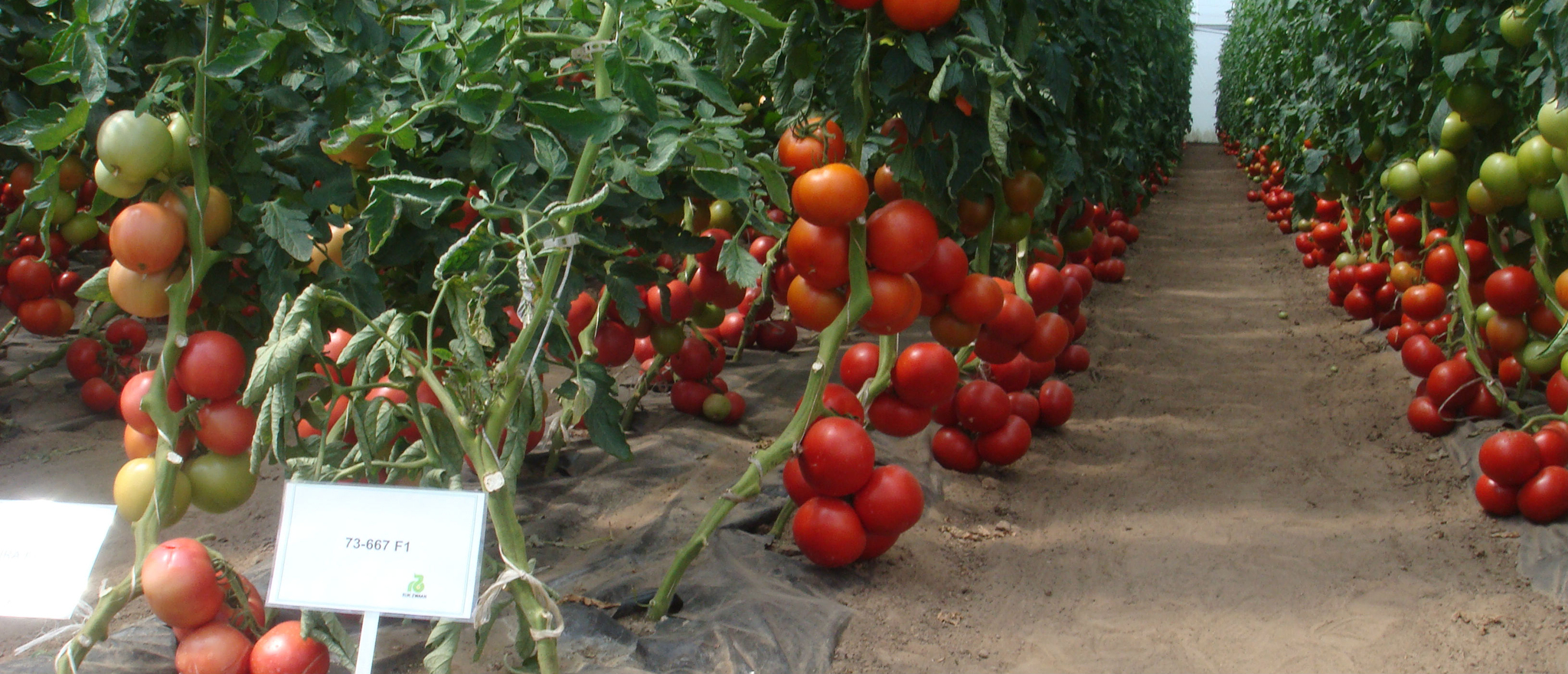
Tall varieties can grow up to two meters tall. They require additional maintenance and shaping of the foliage.
Growing indeterminate vegetables requires the use of supports (stakes, trellises) to support the shoots. Because of their height, the plants often tend to lean downward.
Varieties by ripening time
The ripening time of the crop's fruits directly depends on the development of the sprout until the ripening of the vegetable.
Based on this characteristic, the following tomato varieties are distinguished for open ground:
- Early ripening, or precocious – full formation of fruits occurs within 3 months;
- Mid-season – the vegetable ripens in 3.5 months.
- Late, or late-ripening – the full formation of the crop occurs no earlier than after 4 months.
Tomatoes can be grown both in open ground and in a greenhouse.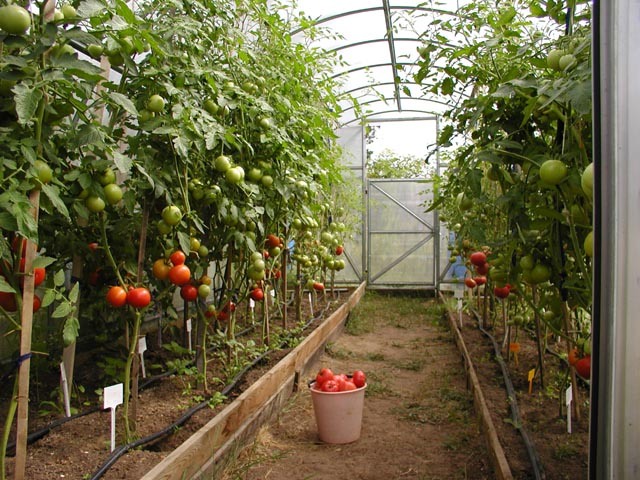
However, most often, gardeners, and especially summer residents, rarely grow vegetables in a greenhouse.
Early varieties of vegetables for open ground:
- Sanka is a fairly quick-ripening variety, which accounts for its popularity. Ripening occurs three months after planting. Fruits weigh approximately 100 grams, making these tomatoes considered large-fruited. The tomatoes are round in shape. A single bush can yield approximately 3 kilograms. The stems don't need to be tied or pinched, as the maximum height of the shoots is only 0.6 meters. This variety is virtually disease-resistant and produces a harvest until the first frost. If you like the plant, you can save its seeds for the next planting. This variety is ideal for growing in temperate climates.
- Michurinsky tomatoes are spherical and large-fruited. A single plant can yield up to 9 kilograms per square meter. Three to four tomatoes are typically planted per square meter.
- Lapochka. This variety is a type of cherry tomato with a sweet flavor. Full fruit formation occurs three months after planting. The stem grows to a height of only 0.4 meters. Up to 100 fruits can be harvested per bush. The ripe fruit is round and smooth. They weigh 0.03 kilograms, which is typical for all cherry tomato varieties. This variety is grown both in the Krasnodar Krai and in Ukraine.
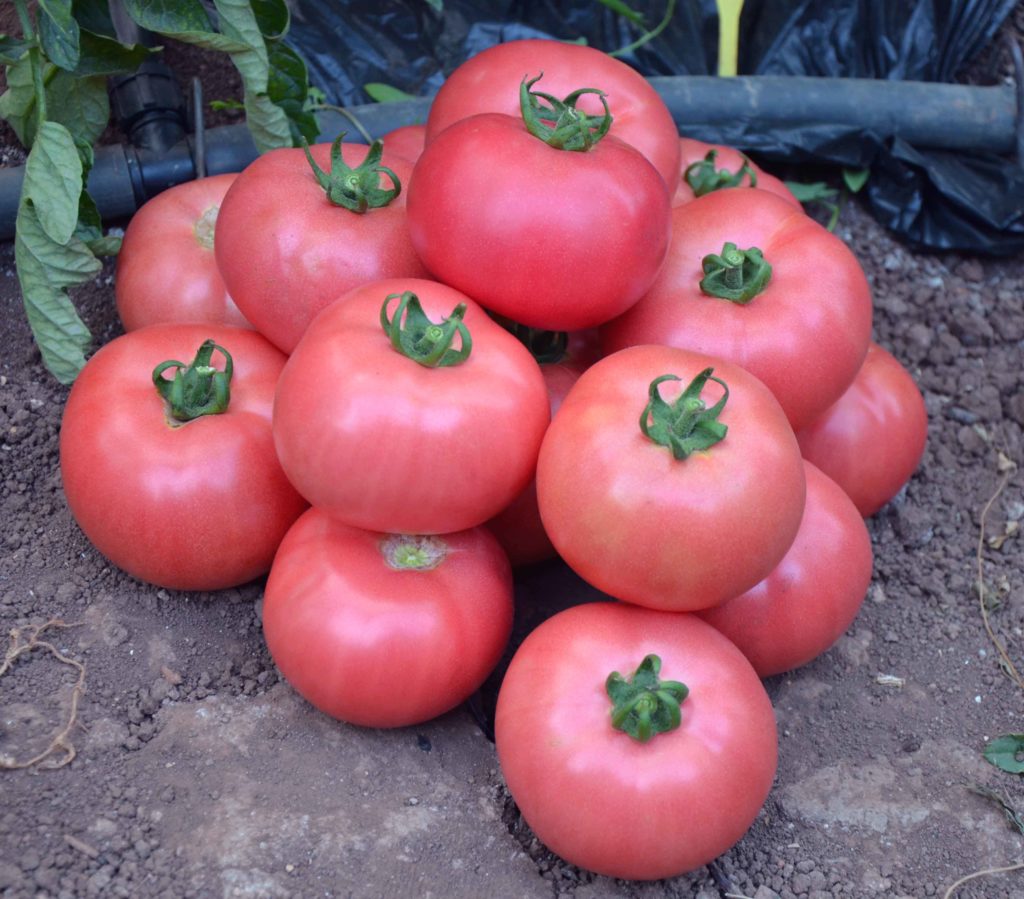
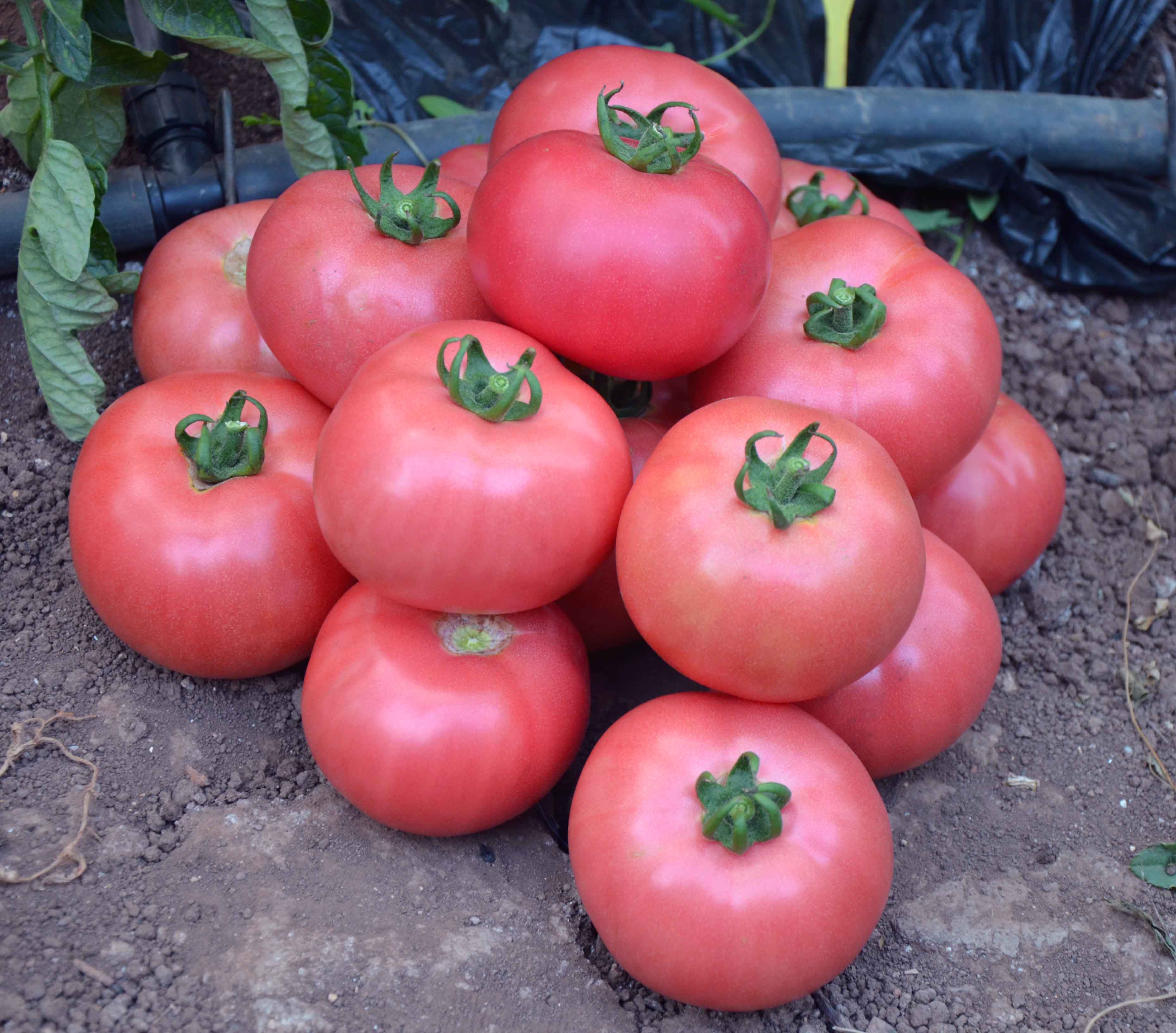
- Pink Pearl is a sweet pink tomato. The plant's bushy growth is resistant to late blight. It has early and rapid ripening.
Mid-season vegetable varieties:
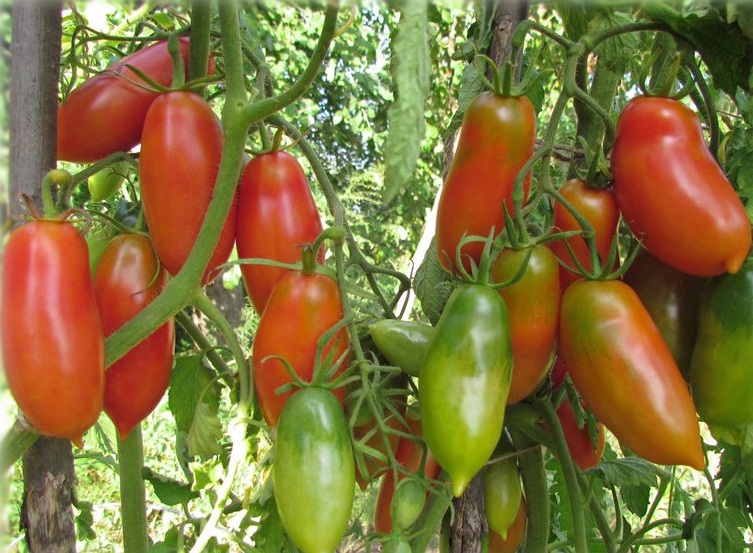
- Riviera. This variety typically grows to a height of 2.5 meters. The pink tomatoes resemble small plums and weigh up to 0.08 kilograms. The tomatoes are fleshy and firm.
- A French grape variety characterized by medium-length stems. The fruits are oblong, with 5-6 fruits per cluster. This variety is known for its high yield. However, these tomatoes are not large-fruited.
- A profitable business – the bushes of this variety are tall and strong. The fruits are medium-sized and sweet, with a fleshy texture. This variety is resistant to short-term temperature drops, tolerates low light, and withstands transportation well.
Late plant varieties for unprotected soil:
- De Barao is a variety with a strong, resilient stem, reaching a height of up to 3 meters. The vegetables tolerate shade well and ripen in four months. The variety is resistant to late blight. The yield is substantial.
- Giraffe – the stem grows up to 2 meters tall. The fruit has a distinctive color, and the tomatoes are large. A single bush can yield over 4 kilograms. These tomatoes have excellent shelf life.
- Snegopad is a variety that tolerates temperature fluctuations well and ripens in over three months. This is why it is considered a late-ripening vegetable. The harvest can reach 4 kilograms per bush until December. It grows well in the Krasnodar Krai.
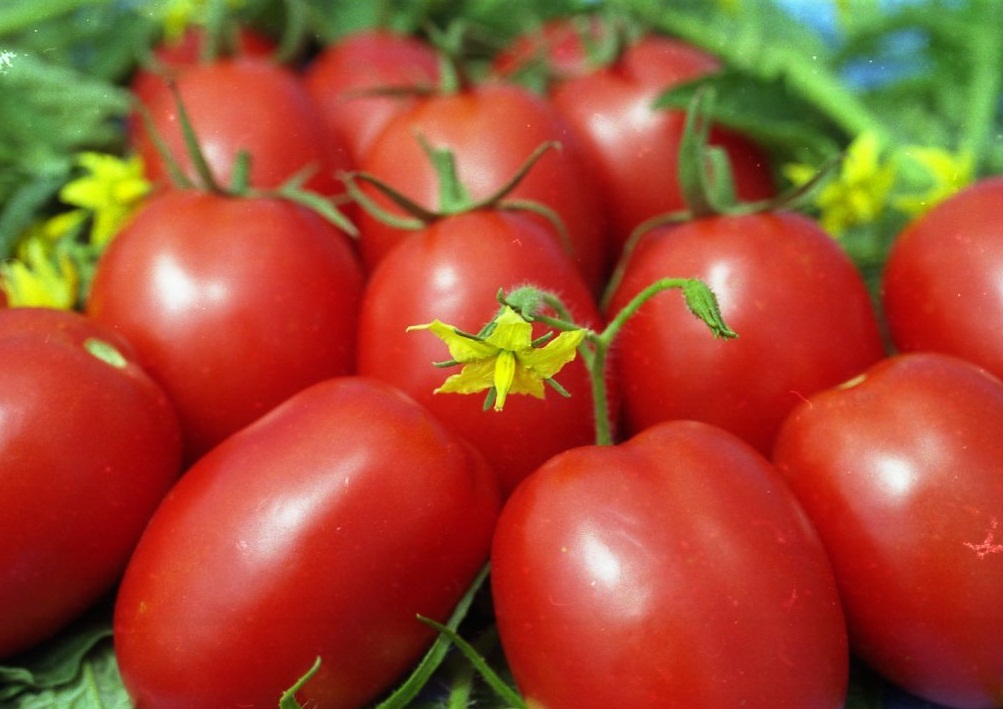
Due to the variety of tomatoes (early, late, scarlet, spotted, pink), it is difficult to understand which ones are the best. First of all, you need to decide where you plan to plant the vegetable: in a greenhouse or in an open-air garden bed. In the second case, the regional climate must also be taken into account. Growing success in the central and southern regions varies dramatically. Warmth and sunlight are naturally the best growing conditions. Overall, the key is to not be afraid to experiment. It's acceptable to grow a few new species each year in a garden bed or greenhouse. Then, collect seeds from the plants you like. This way, you can identify your favorite varieties.
Video "Productive Tomato Varieties"
In this video, a gardener shares his experience growing different varieties of tomatoes.
Peculiarities of growing tomatoes in open ground
Sometimes, most often in temperate climates, tomatoes are sown directly into the ground. The vegetable seeds are usually round, medium-sized, and slightly pointed on one side. They are yellow in color, in all its variations.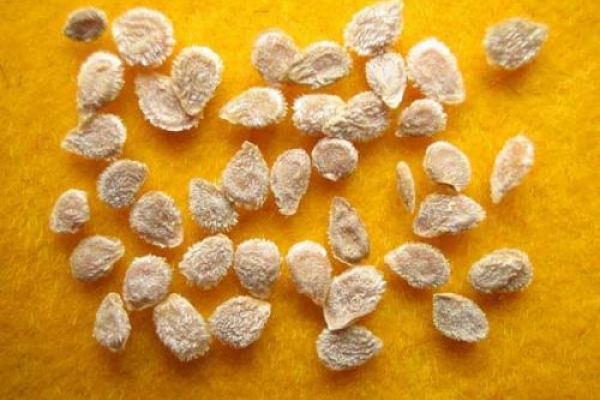
Even green vegetable seeds have a viable germination rate, and they retain this quality for 6-8 years.
With proper temperature and humidity, the first shoots appear 9-4 days after sowing. Flowering occurs in 50-60 days, and the harvest begins in 40-60 days.
These factors should be taken into account when growing in unprotected soil or a greenhouse. To ensure the fastest possible harvest, it's best to plant seedlings rather than seeds.
Some rules and recommendations for tomato cultivation:
- The area for growing crops should be prepared in the fall. After harvesting the preceding crops, the soil is plowed and fertilized with minerals and organic matter. In the spring, the soil should be dug over and harrowed.
- Predecessor crops largely determine the success of agricultural practices and the size of the future harvest. It's best to plant tomatoes after onions, cabbage, and cucumbers. However, it's not recommended to plant vegetables after potatoes, peppers, or eggplants, as all plants are susceptible to the same diseases.
- Vegetables require warmth, around 25°C. If the temperature drops to 10°C, there's a high risk of fruit drop. However, even temperatures above 30°C are harmful. In this case, pollen becomes inviable, and fruit does not set at all.
- Lighting is extremely important for seedlings. When light is insufficient, seedlings grow vigorously, but lose vigor, and their leaves turn pale. Fruit development and ripening slow down.
- Watering has a significant impact on the development of a strong root system in a greenhouse or outdoors. It also determines the crop's yield. When watering, avoid allowing the leaves of the plants to become wet. Otherwise, the risk of seedling disease increases. Therefore, tie up the stems and remove the lower leaves.
- Avoid sudden fluctuations in watering. Humidity should be maintained at a moderate level. Fluctuations in water levels can cause fruit cracking.
The best vegetables can be determined based on climate and weather conditions, as well as the growing region and vegetable variety.
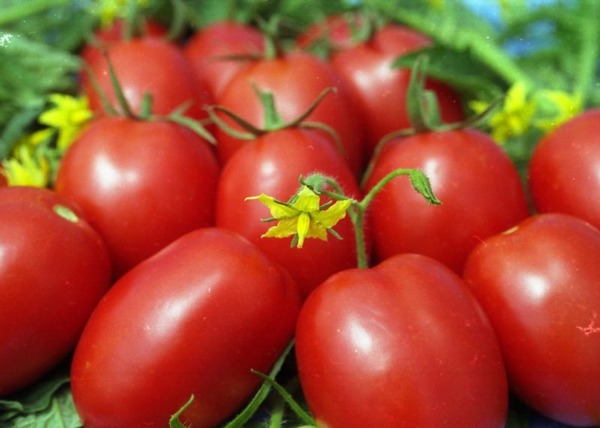
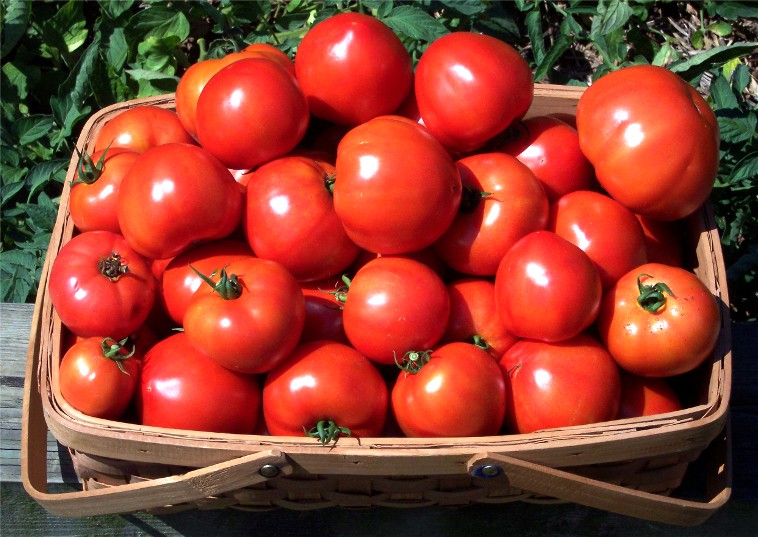
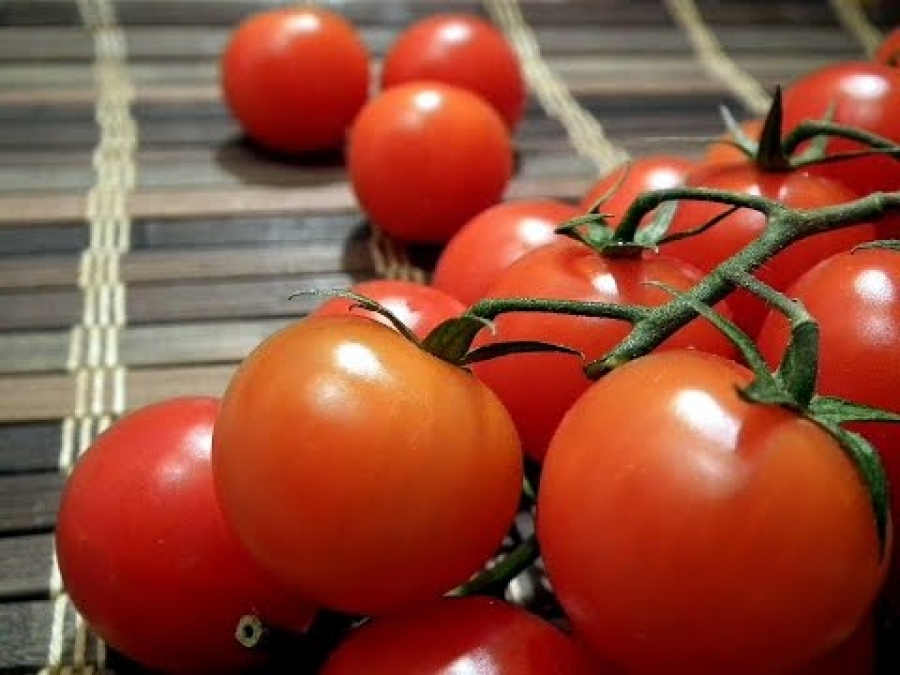
So, tomatoes are vegetables that are moderately demanding in terms of growing conditions. There are a variety of varieties for outdoor cultivation: red, pink, sweet, and tart. Each gardener can determine for themselves which ones are best.
Video: "Tomato Varieties for Greenhouses"
In this video, an experienced gardener reveals the specifics of growing different varieties of tomatoes in a greenhouse.