
Magnificent tomato “Chio Cio San”: description of the variety
Content
Description of the variety
This indeterminate variety, or rather, a first-generation hybrid, was produced back in 1998 by the renowned company Gavrish. It has been officially registered in the seed registry since 1999, and that same year, its triumphant march began in greenhouses and gardens across Moldova, Belarus, Ukraine, and Russia. Moreover, it can be grown profitably even in Siberia, although its productivity in open ground is inferior to that of greenhouses.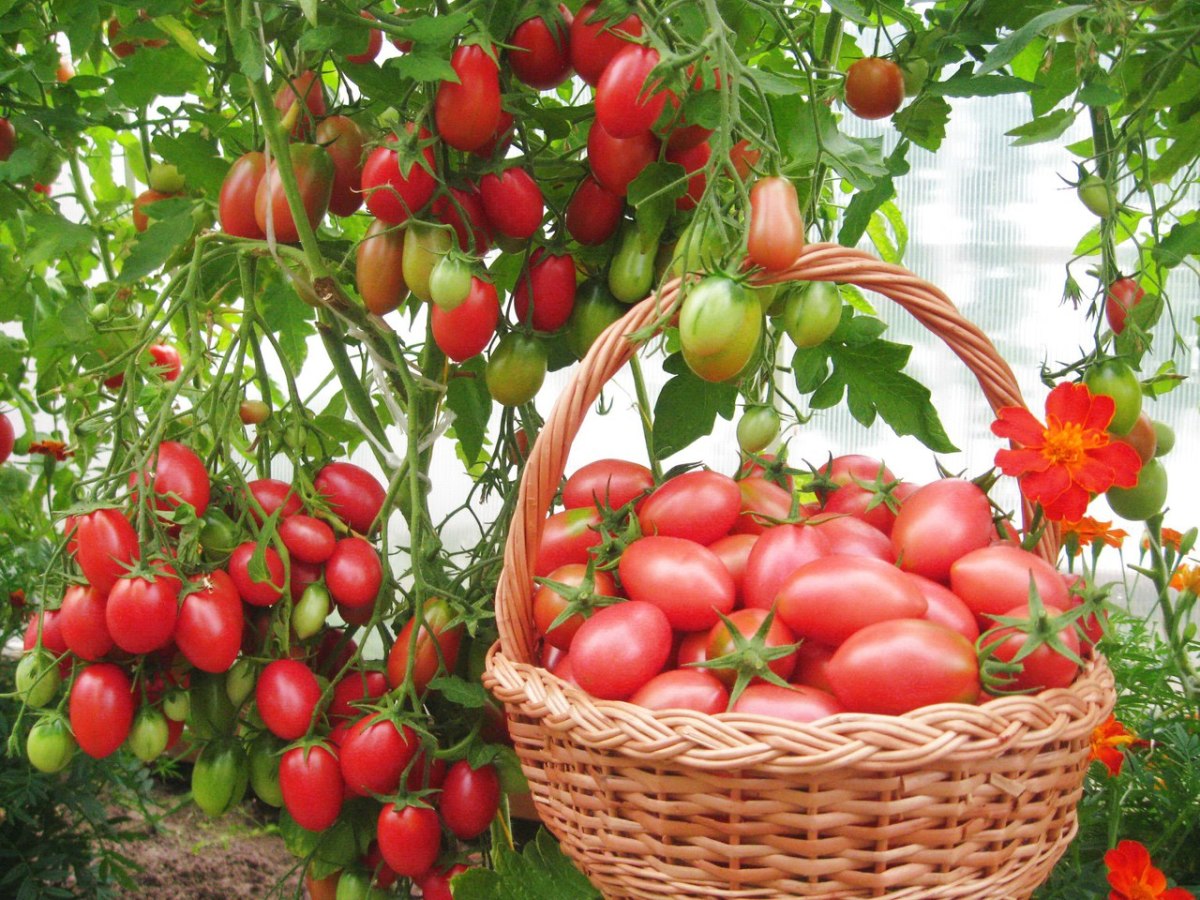
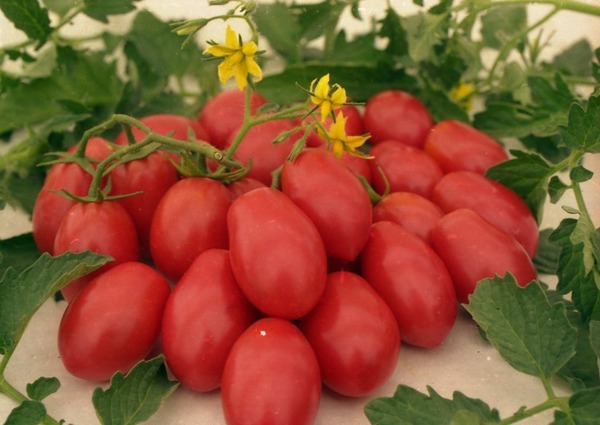
The bush grows enormous, with stems reaching more than two meters in length if conditions are favorable. It lacks a distinct trunk, so it needs to be trained and the stems tied as it grows. The clusters are branched, each bearing 40 to 60 small, plum-shaped fruits, sometimes more. They ripen 100 to 120 days after seed germination.
Video “Description of the variety Chio Chio San”
From the video you will learn new facts about this tomato variety.
Characteristic
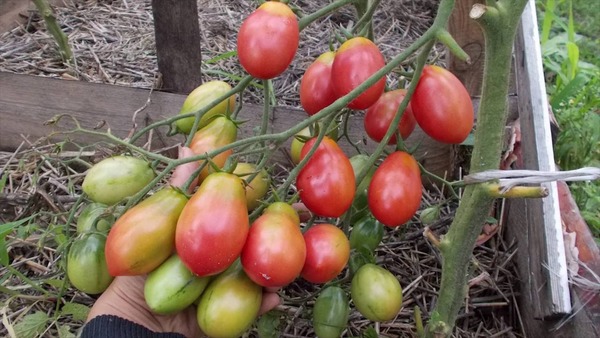
The mid-early indeterminate tomato variety Chio Chio San produces up to four kilograms of pink fruits per bush, averaging 35 grams each. The small, firm-skinned tomatoes have a firm texture, with just two seed chambers free of liquid or mucus, and few, small seeds. They have a sweetish flavor and a very mild aroma. Like all pink tomatoes, they are considered a dessert variety, but this doesn't limit their range of uses. These tomatoes are excellent in salads, don't burst when canned or pickled, and retain their delicate flavor in sauces and juices. They have a long shelf life when fresh, making them easy to transport over long distances.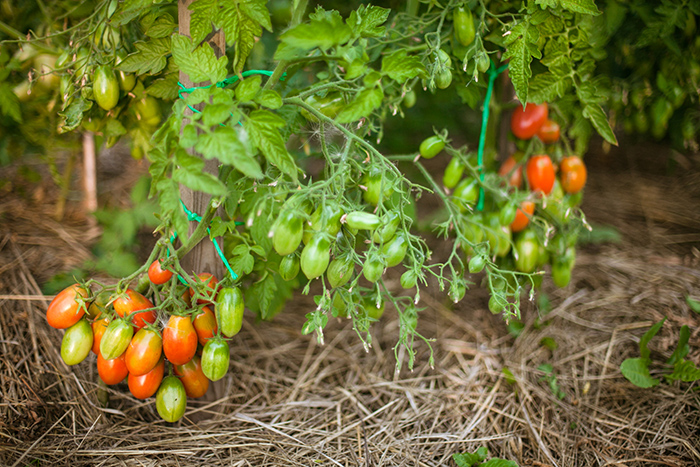
A distinctive feature of the variety is its highly branched clusters, requiring staking of both the branches and individual clusters with numerous fruits. This must be done with extreme care, as the fragile stems are easily broken.
The Chio Chio San tomato's description is full of praise. It's resilient to adverse climate conditions, growing and producing well in the sunny black soils of Ukraine and Moldova. But it produces equally good yields in other areas, too: it tolerates extreme heat and shade, and is resistant to many diseases and pests.
Advantages and disadvantages
The undoubted advantages of this variety include its low maintenance and resilience, high yield, excellent fruit quality, and mid-early ripening period. Just a few plants can provide a family with enough food for an entire year. Chio Chio San tomatoes are suitable for commercial cultivation – the large number of versatile fruits, good storage quality, and transportability can bring considerable profits.
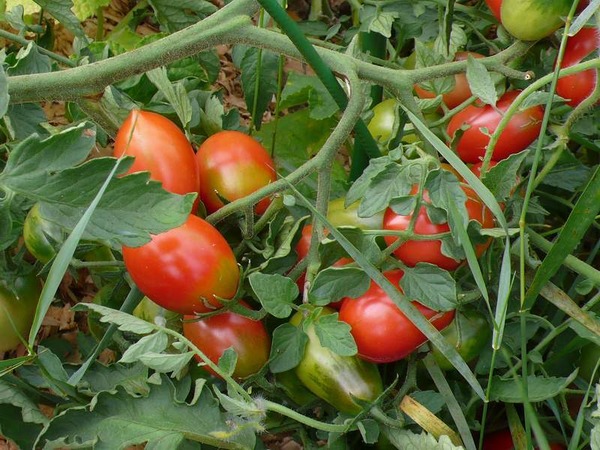
Disadvantages typically include the need to constantly monitor the bush's growth, tie it up, and remove excess shoots. It's also important to harvest quickly, as overripe tomatoes can crack.
Features of cultivation, care and storage
'Chio Chio San' is grown from seedlings. In early March, the seeds are soaked in salt water, discarding any empty ones. They are then disinfected with a weak solution of potassium permanganate, and then washed with clean water. Some vegetable growers soak them in a solution of growth stimulants or fertilizers, but this is completely unnecessary. Planted in nutritious soil to a depth of 2 cm, the seeds germinate well within a week.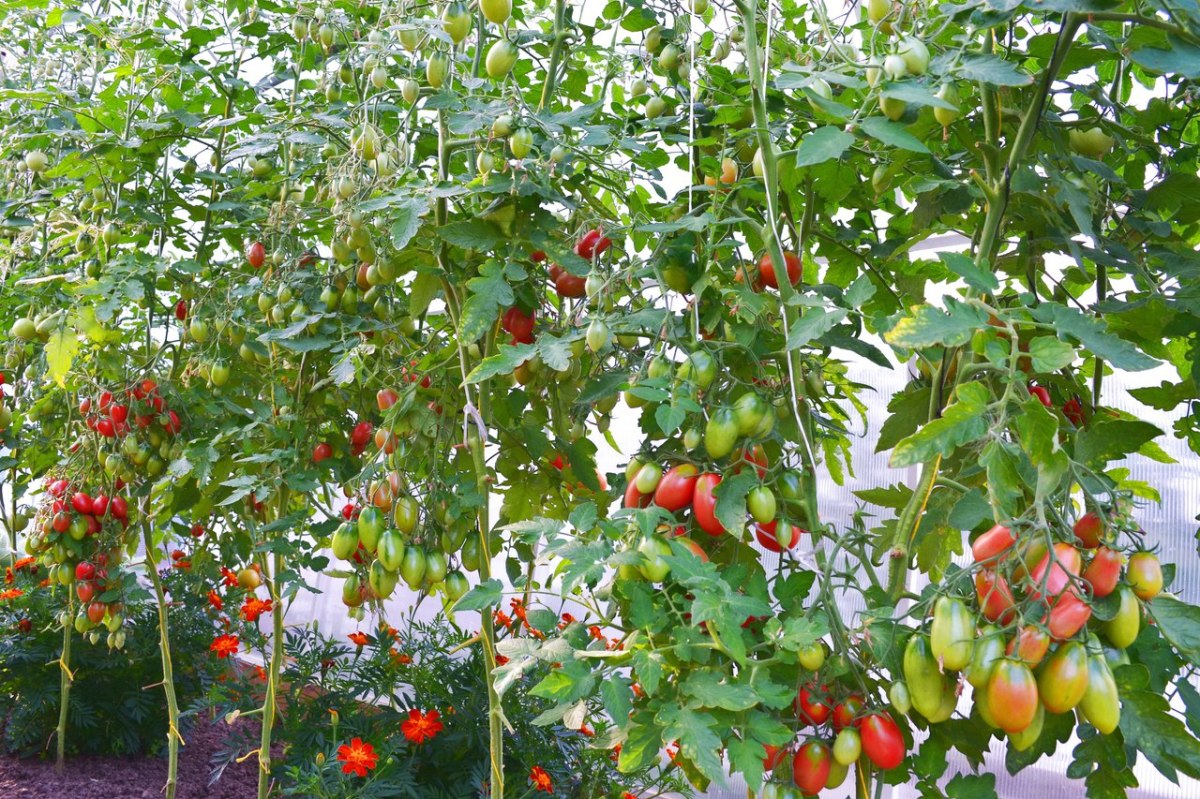
After 2-4 true leaves emerge, transplant them into individual pots, planting them deep down to the cotyledons to allow the root system to expand. A second transplant is sometimes performed if the plants are ready for outdoor planting but the weather doesn't allow it.
Planting in the garden occurs after the last frost has passed. This typically occurs in May or June, depending on the region. Before planting, acclimate the seedlings to fresh air and sunlight.
It's best to plant at least 60 cm apart, with more space between rows. This type of planting will allow you to form bushes with 2-3 stems; if you space them closer together, you'll need to leave only one stem. It's a good idea to prepare strong and stable trellises or stakes in advance, to which the branches will be gradually tied.
Water with warm water as the soil dries. Weeding and loosening the soil around the bushes should be done throughout the summer. Feed tomatoes several times, especially when fruit begins to form, with complex mineral fertilizers, compost, and solutions of mullein infusions, chicken manure, herbal mash, and yeast. The amount and frequency of feeding depend on the overall nutritional value of the soil; the more fertile the soil, the less fertilizer is needed. The condition of the plants, the rate of growth, and the ripening of the fruit will indicate whether additional feeding is needed. This is usually done no more than 10 to 14 days after watering.
Store harvested fruits in a dry, shaded place until use or processing. At temperatures between 10 and 15 degrees Celsius, they can last for a week, and on the bottom shelf of the refrigerator, even longer.
Diseases and pests
When crop rotation rules and standard agricultural practices are followed, tomatoes of this variety demonstrate amazing resistance to major diseases; even late blight bypasses them.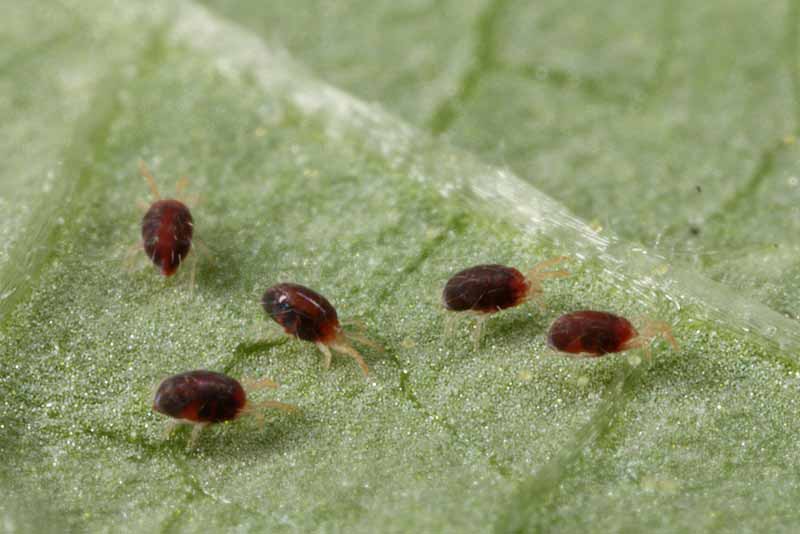
Whiteflies, nematodes, and, if the air is excessively dry, spider mites are the main threats to plants. They pose a greater threat to tomatoes grown indoors and are much less common in the garden. Control can be achieved with Atellik or Fitoverm, as well as other insecticides. However, timely ventilation of greenhouses, disinfection of the soil before planting, and maintaining optimal humidity levels will help protect tomatoes from these pests.
Video "Tomato Growing Instructions"
This video will show you how to grow tomatoes correctly and effectively to ensure a good harvest.