
Features of the Black Moor tomato variety
Content
Features of the variety
For many gardeners, the key factor in choosing a particular tomato variety is its attractive description. After all, it helps them understand what they'll ultimately be able to grow in their own soil.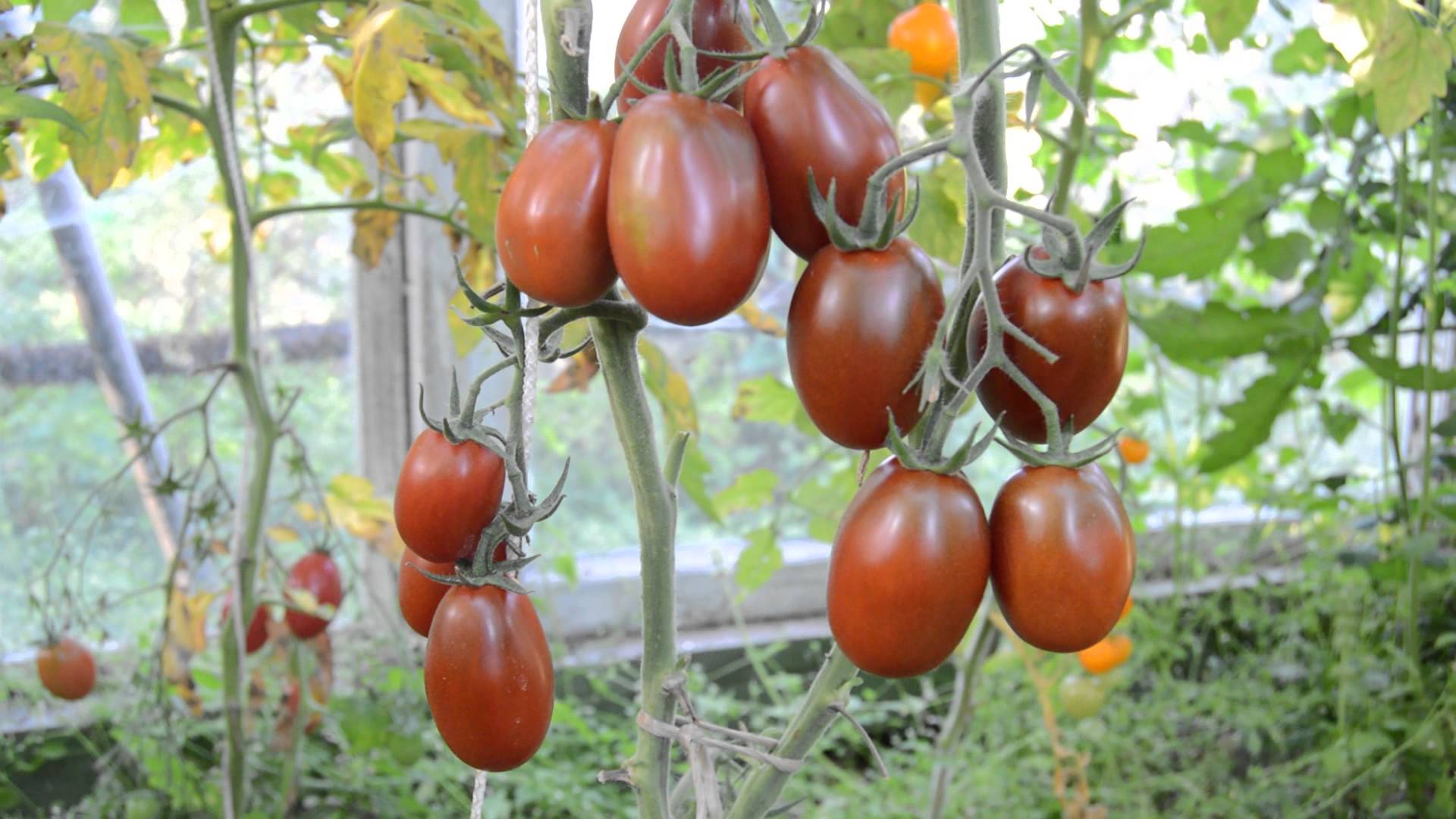
Black Moor is considered a semi-determinate tomato variety with a mid-season ripening period. It begins to bear fruit approximately 115-125 days after the first shoots emerge. The bushes grow to a height of approximately one meter. This height is typical for open ground cultivation. In a greenhouse, they can reach a height of 1.5 meters, and sometimes even higher.
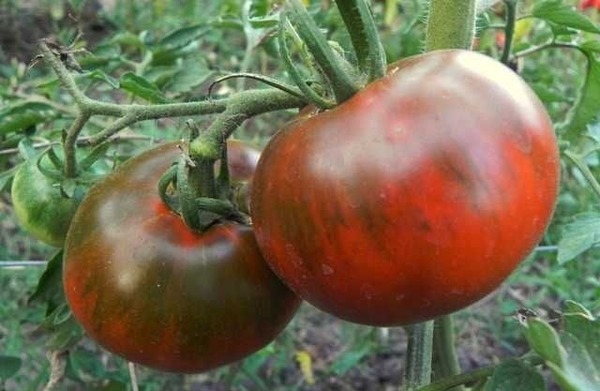
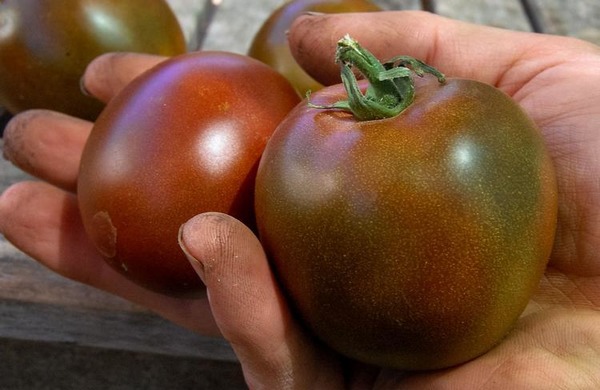
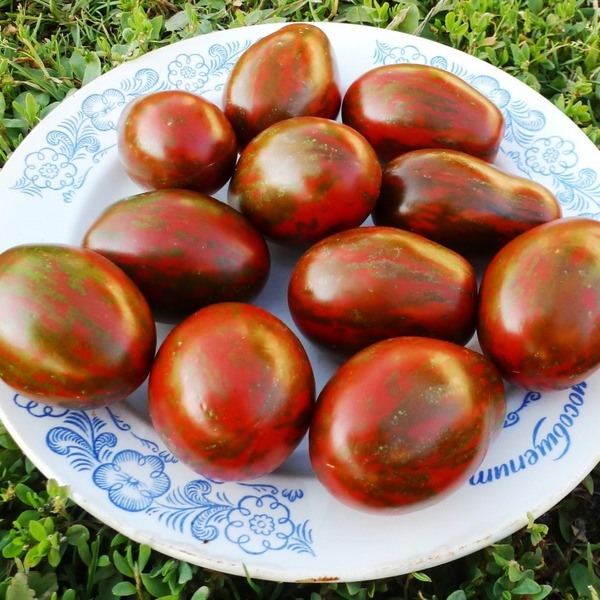
The first cluster of tomatoes appears at the level of 8-9 leaves, with each subsequent cluster appearing 2-3 leaves apart. The shoots produce plum-shaped tomatoes. They are quite dense and have thickened walls. A green spot develops near the stalk. Unripe fruits are a rich green color. When ripe, they turn dark brown, almost black. Black Moor tomatoes have a sweetish flavor and are excellent for salads. They are versatile.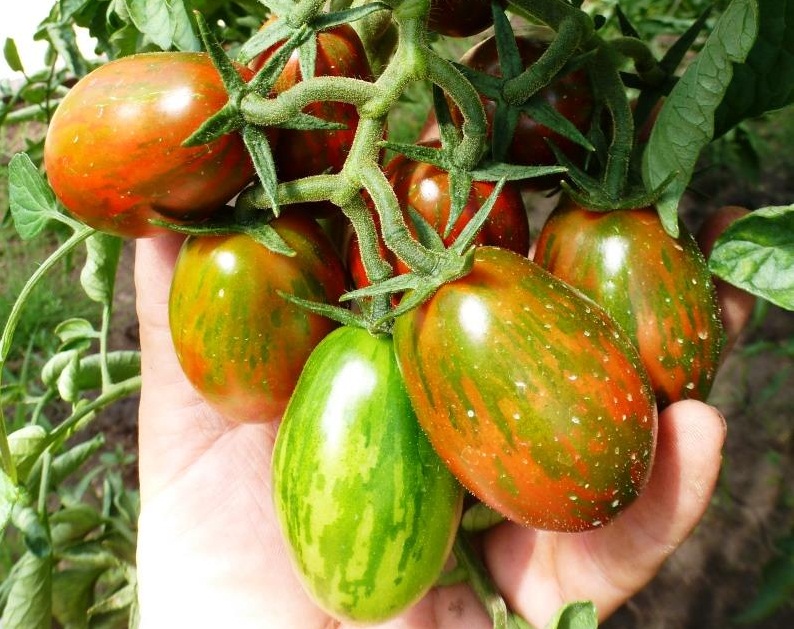
The advantages of the Black Moor include the following points:
- tolerate transportation well;
- They have excellent shelf life, so they store well. Tomatoes can be picked even when unripe. In a warm room, they will ripen to the desired condition;
- plants have average resistance to negative temperatures and drought;
- The flavor of tomatoes. Thanks to this, the fruits can be used for a variety of purposes:
- They can be eaten fresh, preserved (for example, by pickling), or used in appetizers and salads. It's worth noting that due to their small size, these tomatoes are ideal for pickling in jars.
The variety's drawbacks include its average immunity. The plant isn't resistant to all pathogens (fungi and bacteria). However, with proper care, the bushes rarely become infected or suffer from diseases or insect pests.
As we can see, the Black Moor's characteristics contain both advantages and disadvantages. However, the disadvantages are not so numerous that it cannot be considered a worthy candidate for planting in a greenhouse or in open-ground beds.
Video: "Characteristics of Black Moor Tomatoes"
This video reveals the interesting features of this tomato variety.
Features of cultivation
Like most other tomatoes, Black Moor can be grown outdoors or indoors. However, in both cases, it must be grown from seedlings. This requires properly selecting and preparing the seeds. Preparing them for sowing should include the following steps:
- Checking the seeds for germination. To do this, place them in a bowl of warm water for a while. Any seeds that float to the surface are discarded, as their chances of germination are zero. Those that remain at the bottom move on to the next stage.
- Planting material must be hardened off. This procedure is especially important if the seedlings will be planted outdoors;
- The seeds need to be treated with preparations that will increase their resistance to fungal infections. Most often, if special preparations are not available, this treatment is carried out with a weak solution of potassium permanganate.
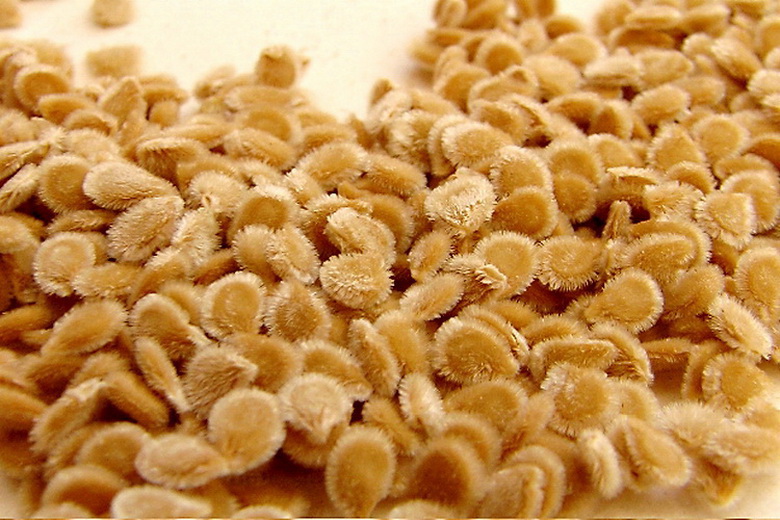
Prepared planting material is sown to a depth of 2 cm. To encourage the first shoots to emerge, the containers with the future seedlings should be placed in a warm room. The temperature should be between 22-25 degrees Celsius. Low humidity is also essential.
Once the seedlings have developed two true leaves, they are pricked out. The resulting seedlings can be transplanted into the ground approximately 45-50 days after sowing. This time allows the open ground to warm up thoroughly and the risk of late frost to pass.
Further care of the bushes involves the following actions:
- Since the plants can grow to a considerable height, they must be tied up. This will relieve the pressure on the clusters, which could break under the weight of the ripening fruit.
- During the flowering period and the establishment of tomatoes, watering should be generous, using warm water.
- Fertilizing is necessary periodically. This is necessary even if the seedlings were planted in fertile soil. Here, it is necessary to apply mineral fertilizers several times. The best solution is to use potassium- and phosphorus-based fertilizers;
- The plant needs to be shaped as it grows. To do this, remove any excess shoots;
- To increase the yield, you can "vibrate" the brushes.

In addition, it is necessary to periodically weed and loosen the soil.
As we can see, the Black Moor description includes simple care instructions. Therefore, it is considered an excellent variety for beginning gardeners, as it's quite easy to get a good harvest that you can proudly show off to family and friends.
Productivity
Since Black Moor produces small tomatoes, averaging around 50 grams in weight, a single cluster can yield up to 20 tomatoes. The total yield per square meter is approximately 5 kg. With proper care, the yield can be increased to 5.5 kg.
Protection from diseases and pests
Black Moor has moderate disease resistance. The bushes are most often attacked by fungal microorganisms. Therefore, to avoid full-scale infection, care should include certain preventative measures. For example, to ensure the plants are able to resist the fungal microorganisms that cause gray mold and fusarium wilt, it is essential to adhere to the following rules:
- crop rotation;
- carry out hilling of bushes;
- apply top dressing with the preparation Barrier;
- treat the plantings with the drug Hom.
To combat late blight, phosphorus-potassium fertilizers should be applied to the soil. Additionally, the bushes should be sprayed with Bordeaux mixture.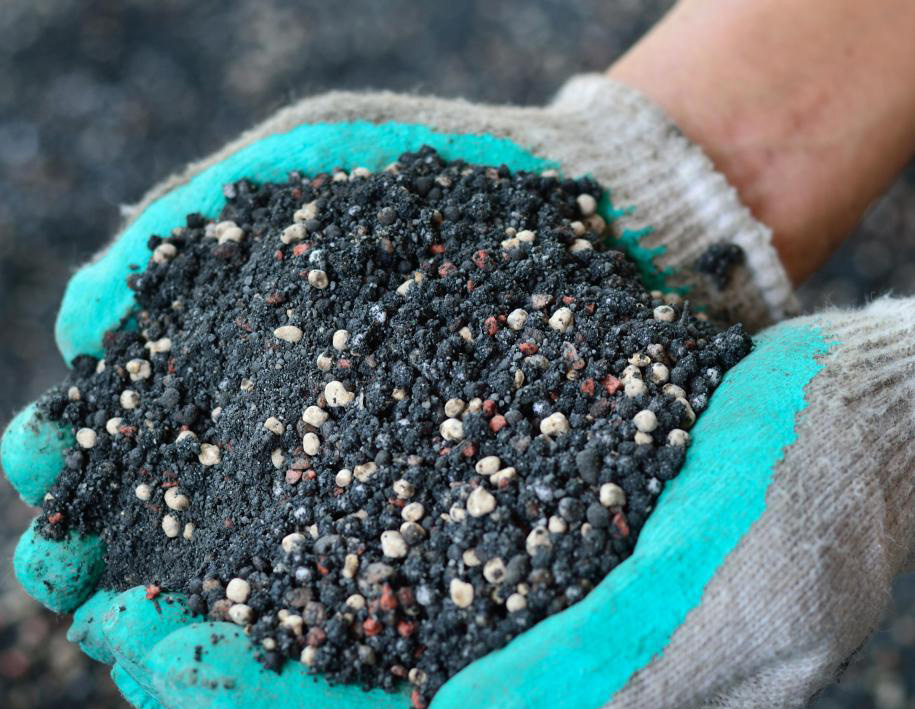
If pests (such as spider mites) appear, tomatoes should be treated immediately with Karbofos. Alternatively, you can use traditional remedies (such as garlic tincture).
The Black Moor is an interesting variety with its own advantages and disadvantages. While caring for it isn't particularly difficult, there are some nuances to keep in mind.
Video "Tomato Diseases"
This video will tell you about the most common tomato diseases and how to combat them.