
Balcony Miracle Tomatoes: Growing and Care Methods
Content
Characteristics of tomato
The "Balcony Miracle" tomato is relatively easy to grow; its fruits are small, round, red, and sweet. This ultra-early variety, bred in Germany, takes 90-100 days from germination to the first harvest.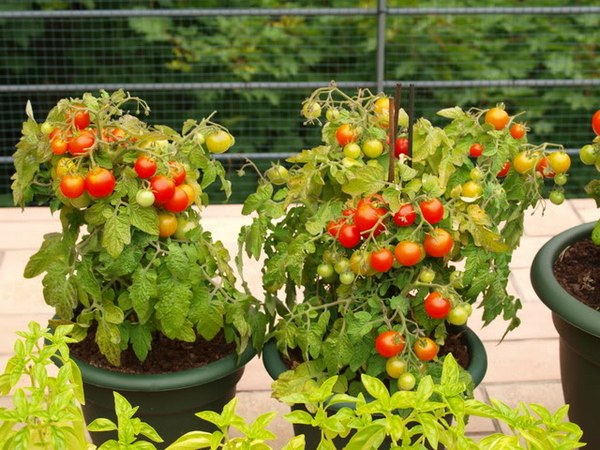
The bush is compact, standard, very decorative, it grows only up to 50 - 60 cm, its strong central stem firmly holds all the shoots, there is no need to tie them up. It also doesn't need side shoots. Some owners install ladders or stakes near the main stem, but this is not necessary.
The bush grows quickly and has a very attractive appearance, with dark green leaves and bright yellow flowers. Its ripening fruits are very attractive, but it's best to pick them unripe to avoid delaying the formation of subsequent ones. The picked tomatoes will ripen quickly if placed in a sunny spot; this won't detract from the flavor. "Balcony Miracle" tomatoes are versatile; they're not only eaten fresh, but also pickled, preserved, and even frozen. They're also suitable for making juices, sauces, and purees, but this is usually reserved for greenhouse owners; balconies rarely produce so many, even though each plant can yield up to two kilograms.
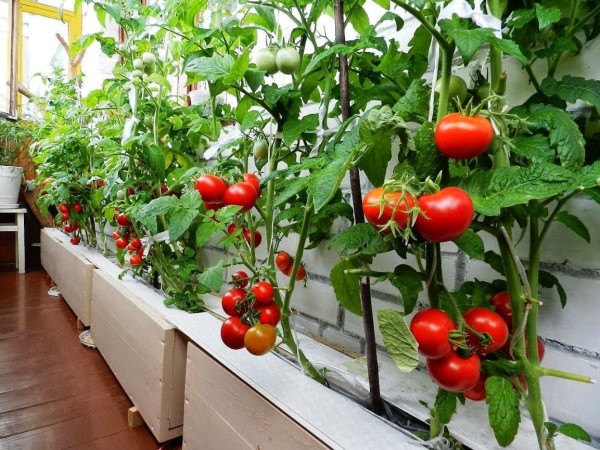
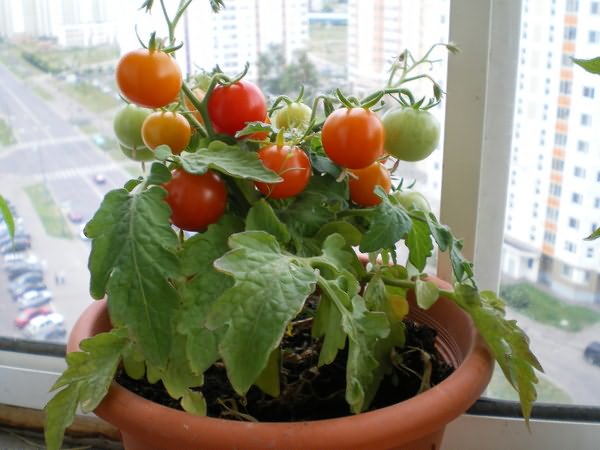
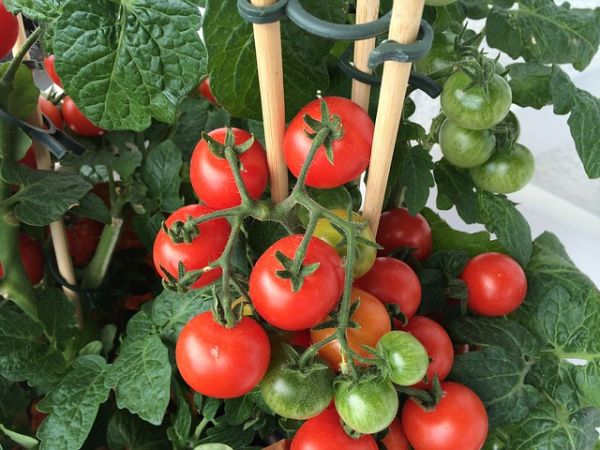
Besides their purely utilitarian function, these plants are a beautiful addition to a balcony. They can be grown year-round; in cold weather, they thrive on a windowsill among other houseplants, provided they receive supplemental lighting. You can grow fresh, delicious tomatoes at home for New Year's or early spring by simply sowing them 3 to 3.5 months before you want to harvest them.
Video: "Description of the Balcony Miracle variety"
From the video you will learn several informative facts about this tomato variety.
Choosing soil for planting
If you've decided to plant the Balcony Miracle tomato variety, growing it at home begins with choosing the soil. It's easiest to buy special seedling soil at the store, but you can mix it yourself. The soil should be nutritious, slightly acidic, and light. For seedlings, you can mix equal parts black soil, humus, and peat. Some vegetable growers suggest adding superphosphate, urea, and potassium, but this is not necessary – black soil and humus are sufficient for germination and initial growth, and then the plants will need to be repotted anyway, as the soil will be fresh. If nutrients are lacking, they can be added as fertilizer.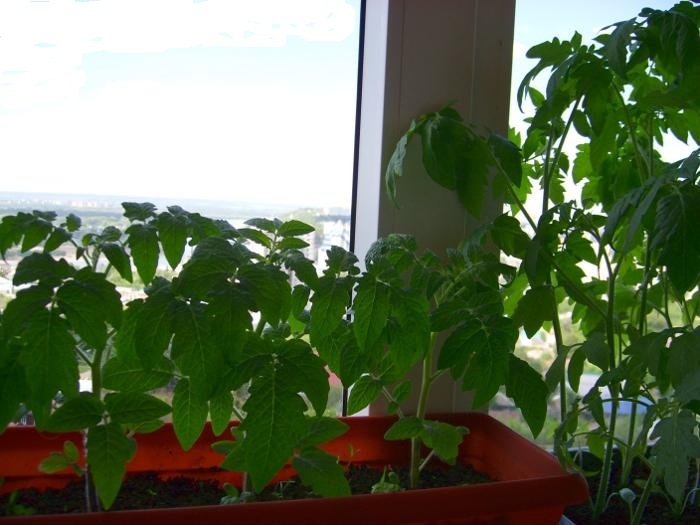
Sow in any container—it can be seedling boxes or trays, disposable cups, or flower pots. It's best to wash the container, rinse it with boiling water, then add soil and water it with hot water, or perhaps a weak solution of potassium permanganate. After a day or two, you can sow. These tomatoes grow well in ceramic or plastic flower pots, or even just thick plastic bags. Seedlings can be started in containers without holes, but they should then be transplanted to permanent growing containers with holes in the bottoms and a drainage layer.
If you're using soil from your garden, it's a good idea to disinfect it. To do this, you can place it in a preheated oven for 20-30 minutes or in the microwave for 1 minute.
Planting seeds
This variety's seeds can be sown year-round. If you plan to harvest by a specific date, count back 3.5 months before sowing. Once the soil is prepared and moist, you can sow the seeds. Experienced vegetable growers prefer to test the seeds for germination (if the quantity allows), disinfect them, harden them off, and soak them before sowing. After all these procedures, the seeds germinate and produce healthy, strong seedlings.
First, soak the seeds in warm water, slightly pink from the potassium permanganate dissolved in it, for 20 to 30 minutes. Any empty seeds floating on the surface should be discarded, of course. After soaking, wash the seeds with clean water, soak them, or place them on a damp, soft cloth (calico or gauze) folded several times. Soak them for 24 hours on the cloth or in the water near a heating device to keep the water warm. Before soaking, some experts soak the seeds for several hours on a hot radiator or in the refrigerator to harden them.
After soaking, the seeds are placed in moist soil to a depth of no more than 1 cm, covered with soil, and covered with plastic wrap to create a greenhouse effect. It is recommended to place two seeds per disposable cup, and to leave only one sprout after germination, but this depends on the number of seeds. The covered cups are kept at a temperature of at least 22 degrees Celsius until germination.
Caring for seedlings
Immediately after the seedlings emerge, remove the plastic wrap, and move the pots (cups or boxes) to a cooler room with a temperature of 15 to 18 degrees Celsius for a week. After this, place them on a windowsill and ensure the temperature does not drop below 20 degrees Celsius. Rotate the cups with the seedlings so that they face the sun regularly to ensure the tomatoes grow straight and don't lean to one side. 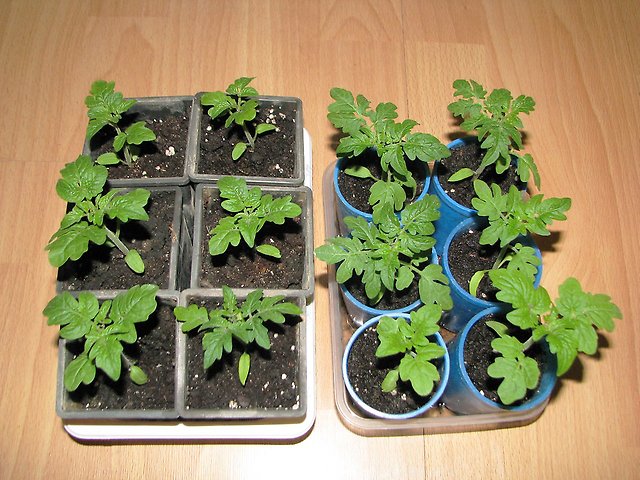 Water them as the soil dries out, which is usually once every 7 to 10 days. Use only settled, warm spring water, preferably not cooler than the room temperature. Water the soil directly, avoiding any water coming into contact with the plant.
Plants need fresh air, but the room should be ventilated so that the seedlings aren't exposed to drafts. The most comfortable air temperature is between 22 and 25 degrees Celsius, or slightly lower, especially at night. However, if it drops below 16 degrees Celsius, growth will stop.
Tomatoes won't like air that's too dry, so if it's winter and there's a heater nearby, place a container of water near the container with the sprouts; its evaporation will improve the humidity level.
If the soil isn't very nutritious, seedlings definitely need to be fed. A maximum of three feedings is recommended: the first time, water with fertilizer immediately after germination, then 10 days later, and the final time a week before planting in their permanent location. However, some vegetable growers advise a more moderate approach to feeding; it's better to underfeed than overfeed. This is a good motto for growing outdoors, but if the growing medium is limited, it's still worth fertilizing at least occasionally. You can use ready-made mixtures like Epin or Cytovid, purchased from the store. Alternatively, you can make your own from superphosphate, urea, and potassium sulfate, diluting 5 g + 1 g + 1 g in 1 liter of water.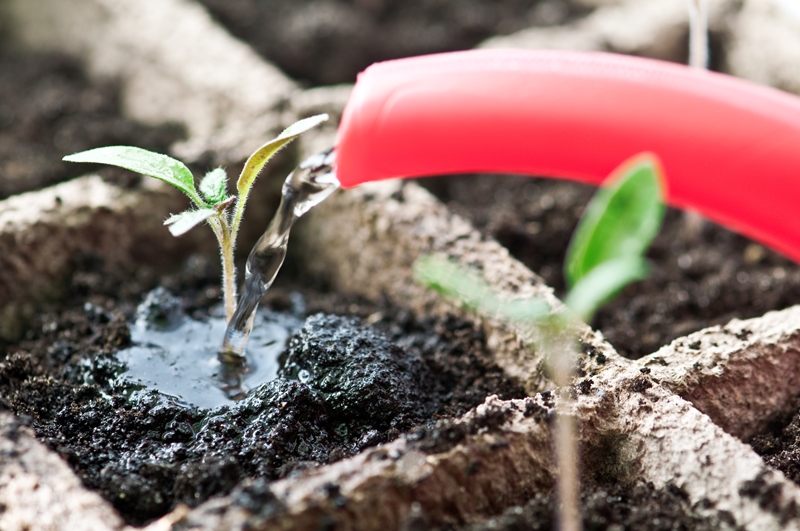
When the stem reaches 15 cm, the plants are transplanted into permanent containers, changing the soil again. Some transplant the seedlings even earlier, as usual, when 2-4 leaves appear; this promotes the development of a stronger, more extensive root system. Therefore, each plant should undergo one or two transplants after germination.
Caring for tomatoes on the balcony
Tomatoes transplanted into permanent containers can be grown on a balcony or windowsill. If this is not summer, they will need to be given extended daylight hours with grow lights. Throughout the growing season, the plants require consistent light, fresh air, watering with warm, settled water, and occasional fertilizing. Mature plants benefit from a solution of mullein or chicken manure infusion.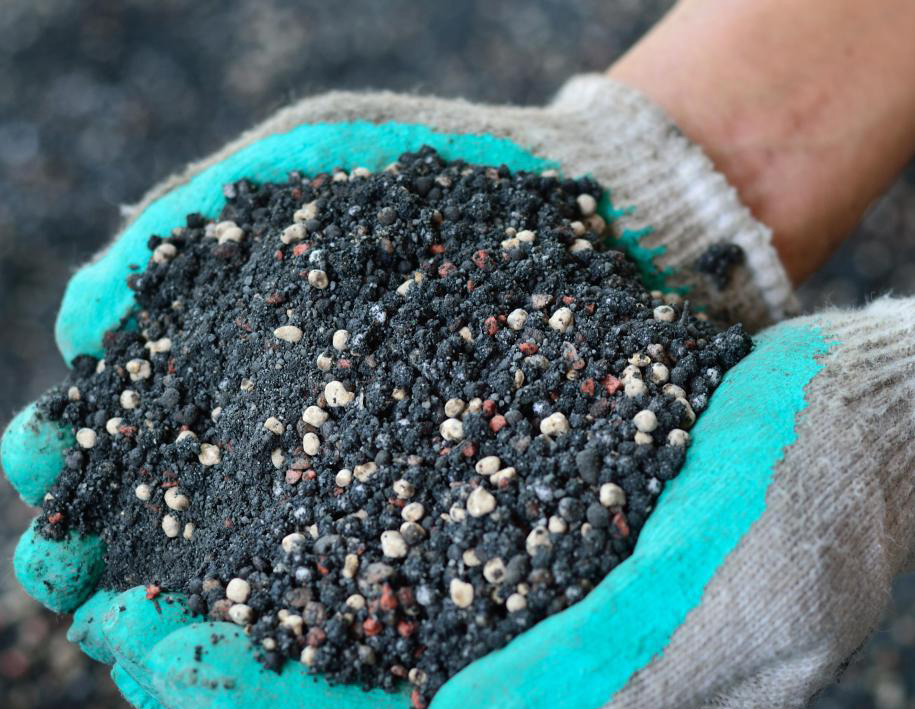
During flowering, gently shake the plants or brush them with a soft brush to ensure better pollination. The soil should be loosened occasionally.
Problems in growing
Tomatoes of this variety have a characteristic feature: their leaves may curl and then straighten throughout the day. If this doesn't happen, the flowers may be small and faded, and fruit set will be poor. This indicates that some care instructions have been violated. It's important to pay attention to air temperature, soil condition, and fertilizing frequency.
Although very rare, it does happen that plants become infected with late blight. It's best to remove the affected plant as soon as possible and reduce indoor humidity.
Video: Growing Tomatoes
This video will show you how to effectively grow tomatoes to get a good harvest.