
High-yielding tomato "Ajour": characteristics and description of the variety
Content
Description of the variety
"Azhur" is a domestically bred hybrid tomato, developed and state-registered in 2007. The hybrid was created for greenhouse cultivation in the northern regions of the country. However, in warmer regions, it has also demonstrated high productivity in open ground, not only in the Krasnodar Krai and Astrakhan, but also in the central regions.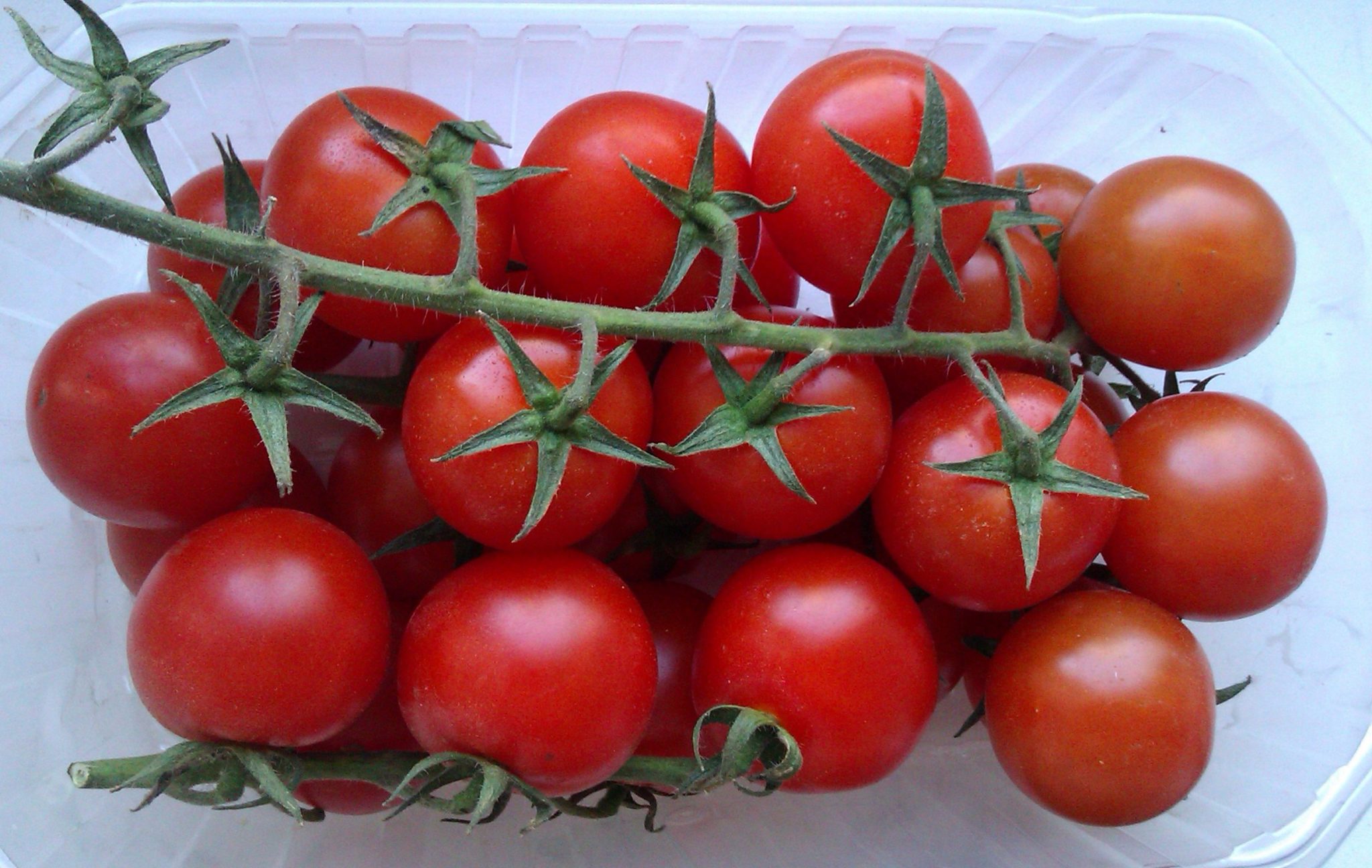
The tomato fully lives up to its name – beautiful, carved foliage adorns a compact, standard bush 80-90 cm high with its splendor. The small height of this determinate plant allows it to be grown without staking, but the fruit clusters can be so heavy that this procedure is performed simply to prevent the branches from breaking under the weight of the fruit. A bountiful harvest will be ensured even in adverse weather conditions, as this hybrid variety, and exceptional hardiness, is its calling card.
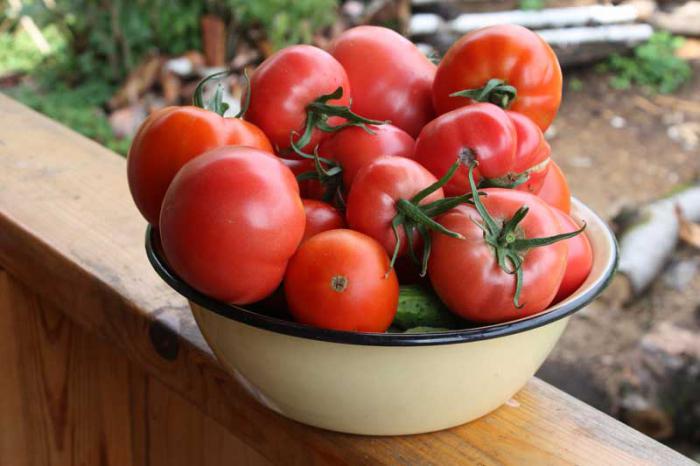
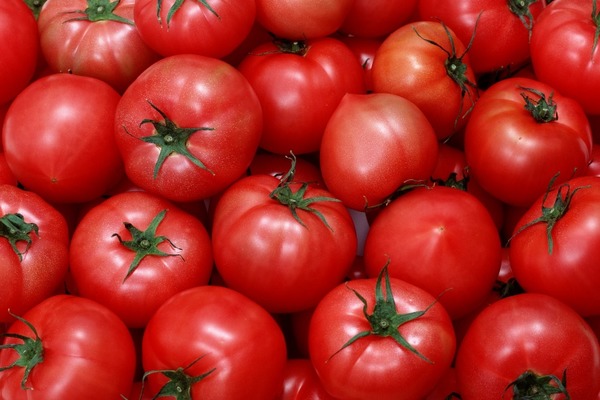
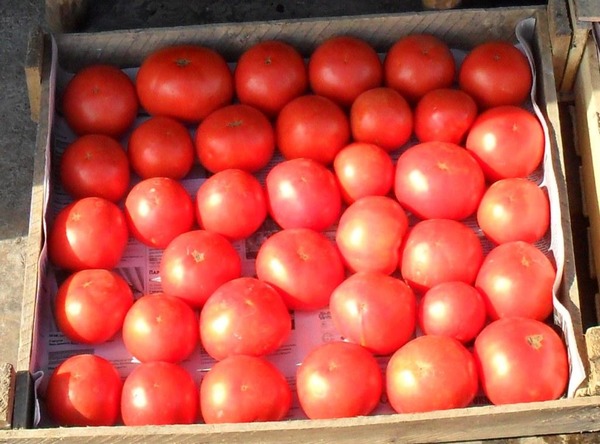
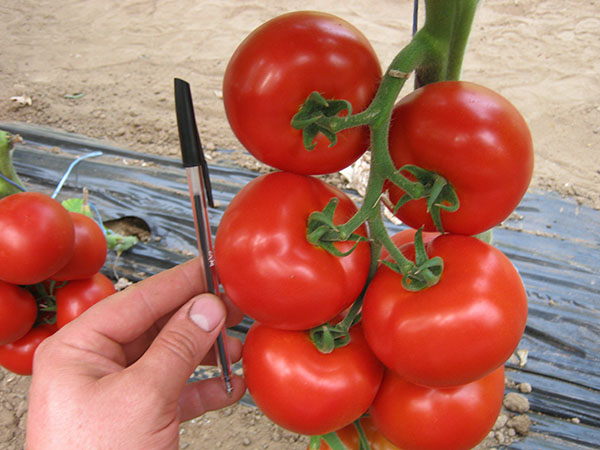
The fruits of the "Azhur" tomato are large (250-350 g), have a regular, flattened, round shape, and are bright red when fully ripe. The skin is thin but firm to prevent cracking during transportation. The flesh is firm, meaty, slightly sweet, and very aromatic. The fruits are four-chambered, with small, few seeds. The fruits are versatile: larger ones can be eaten fresh or used in juices, sauces, and lecho, while smaller ones can be canned and pickled.
Video "Description of tomato varieties"
This video describes the best tomato varieties, including the high-yielding Azhur variety.
Characteristic
The Azhur tomato variety and its description were presented above. In addition to its excellent taste, it also possesses excellent varietal characteristics:
- is a mid-season, and in the southern regions an early-ripening vegetable - its full ripening period is 100-115 days;
- tolerates temperature changes, abnormal heat and drought well;
- if agricultural practices are followed, it is practically not affected by diseases;
- can bear fruit in any conditions, and at the same time delight with a high yield - 7-8 kg/1 m² of area;
- grows compactly, forms very few side shoots, for which it is valued by gardeners;
- fruiting is abundant (forms up to 5 clusters of 5-6 fruits);
- the fruit yield is friendly;
- It is undemanding to conditions, but for good fruiting it requires regular watering and fertilizing; if this is not done, the yield can decrease significantly.
Advantages and disadvantages
The undeniable advantages of tomatoes include:
- high yield in any weather and climate conditions;
- excellent taste;
- high resistance to high temperatures and most typical crop diseases;
- versatility in application;
- good commercial characteristics: fruit density, even shape, shiny skin.
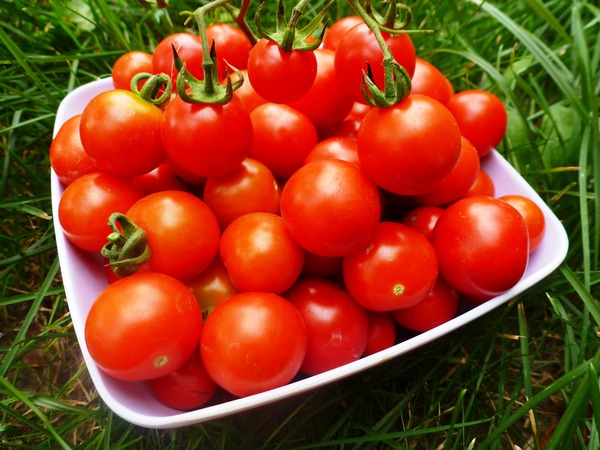
It is difficult to find any disadvantages to this variety, but one can only note the increased need for watering and complex fertilizers, which slightly complicates the care of the plants.
Features of cultivation and storage
As already noted, the Azhur tomato produces excellent yields in open ground in warm regions of the country. In other areas, it is recommended to grow it exclusively in greenhouses. The key conditions for good growth and fruiting are warmth and adequate humidity.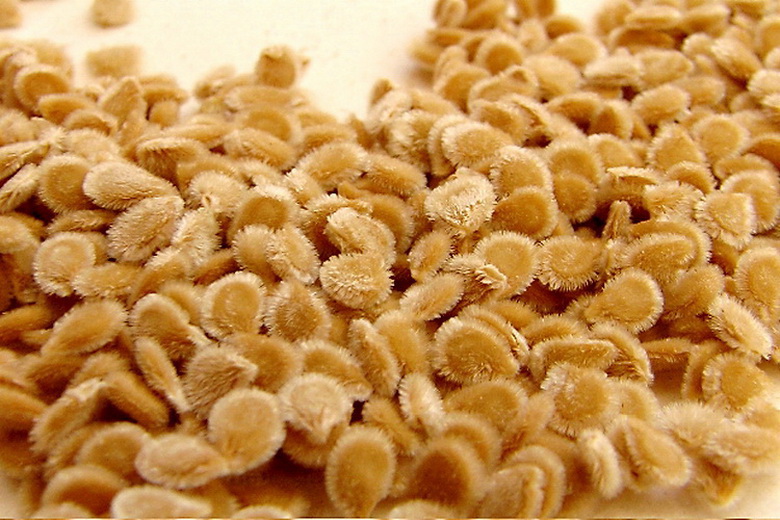
After preliminary disinfection and soaking, seeds for seedlings are sown 1.5-2 months before the planned planting. The soil for growing seedlings, as well as for planting tomatoes, should be fertile and loose. If using ordinary soil, add humus, sand, and ash. Ash is a good source of potassium and is also intolerable to many pests.
The seedlings are transplanted into the garden bed when the soil warms to 15-17°C. Since the plants are compact, they can be spaced 50 cm apart. Caring for tomatoes involves regular watering, loosening the soil, and weeding. Staking the bushes is not necessary, but individual fruit clusters can be secured during the fruiting season.
To ensure larger fruits, it's recommended to leave 2-3 of the most developed flower clusters on the bush and remove the rest. Ripe tomatoes can be stored for quite a long time—in a cool place, for over a month—without losing their flavor or appearance.
Diseases and pests
Despite the hybrid's high immunity to a number of typical tomato diseases, it is necessary to regularly carry out preventative measures to avoid possible infection of the bushes with late blight and various types of rot:
- regularly feed plants, alternating mineral and organic fertilizers;
- water correctly and on time;
- take care of good lighting;
- observe crop rotation taking into account predecessors and neighboring crops (avoid proximity to other nightshade vegetables);
- if necessary, shape the bush and remove side shoots in a timely manner;
- Regularly monitor the condition of the bushes and treat them in a timely manner.
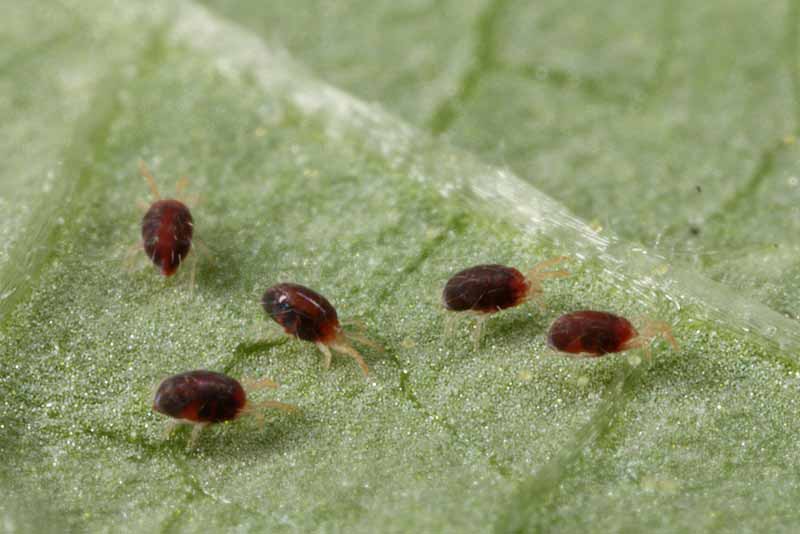
Preventing pest infestations is more difficult because insects can easily migrate to tomatoes from other plants. Colorado potato beetles and spider mites prefer to feast on tomato foliage. Spider mites can be eliminated by wiping or spraying the foliage with a strong soap solution. Colorado potato beetles are easier to collect by hand or set traps than to spray the bushes with insecticides. Slugs are often controlled by spreading ash, ground pepper, or tobacco dust between the rows.
Video: "Tomato Diseases and Pests"
This video will teach you how to combat tomato diseases and pests.